
For any traveler embarking on a journey through the vast and diverse landscapes of Texas, understanding the state’s area codes might seem like a mere technicality. However, these numerical prefixes serve as far more than just dialing instructions; they are silent guides to the geographic and cultural heart of different regions, offering insights into where you are, where you’re going, and what kind of experiences await. From the bustling metropolitan hubs of Dallas and Houston to the artistic enclaves of Austin and the historic charm of San Antonio, each area code demarcates a unique segment of the Lone Star State, each with its own rhythm, attractions, and accommodation offerings.
Texas, a land of sprawling plains, vibrant cities, and rich history, is the second-largest state in the United States by both area and population. Its immense size necessitates a complex web of telephone area codes to facilitate communication within its borders, as well as with the rest of the North American Numbering Plan. For the discerning traveler, whether planning a luxury escape, a budget-friendly adventure, or a family vacation, understanding these codes can be surprisingly useful. They help in pinpointing destinations, understanding local dialing patterns, and even giving a subtle nod to the historical growth and expansion of communities across the state. This comprehensive guide will not only list the area codes but also weave them into the rich tapestry of Texas travel, tourism, and lifestyle experiences.
Unraveling the Texas Area Code Tapestry: A Guide for Travelers
The journey through Texas is one of discovery, and its area codes provide an initial framework for understanding its vast geography. These codes didn’t just appear overnight; they evolved with the state’s population growth and technological advancements, reflecting moments of significant urban development and regional expansion.
The Original Codes and Their Legacy: A Glimpse into Texas’s Past
When the North American Numbering Plan was established in 1947, Texas was initially divided into four primary area codes, each serving a vast region:
- 214: Originally covered most of North Texas, including Dallas and much of the Dallas-Fort Worth Metroplex. This code is synonymous with the vibrant, fast-paced atmosphere of North Texas business and culture.
- 512: Encompassed Central Texas, with Austin as its core, extending to San Antonio and even reaching Corpus Christi and the Rio Grande Valley in its earliest days. It’s now deeply associated with the state capital and its unique “Keep Austin Weird” ethos.
- 713: Designated for Southeast Texas, primarily Houston and its surrounding areas, including Galveston. This code evokes images of space exploration, oil, and a bustling port city.
- 915: Covered a massive expanse of West Texas, from El Paso to Lubbock and Amarillo. This code brings to mind rugged landscapes, desert beauty, and a distinct borderland culture.
These foundational codes tell a story of a growing state, where urban centers expanded, requiring further subdivisions and overlays to accommodate new telephone lines. For travelers, encountering these original codes often means delving into the historical and cultural heartlands of Texas.
Navigating Texas’s Sprawling Regions: Key Area Codes and Their Destinations
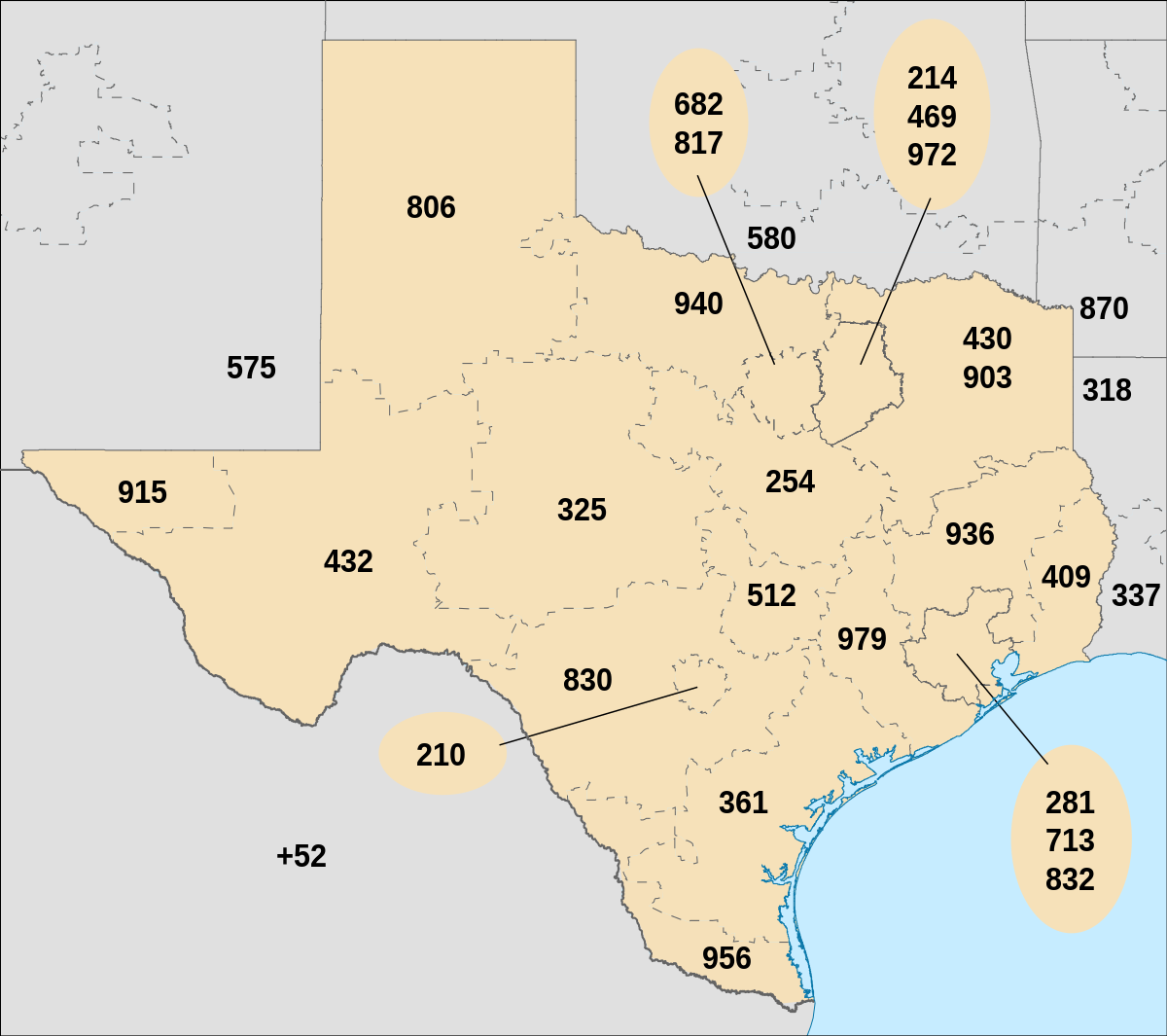
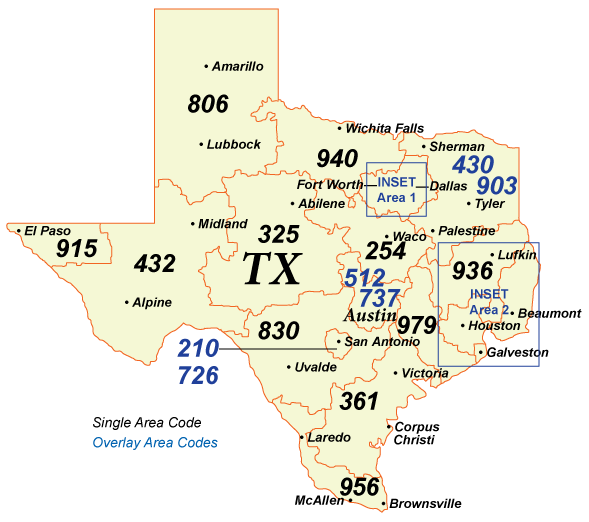
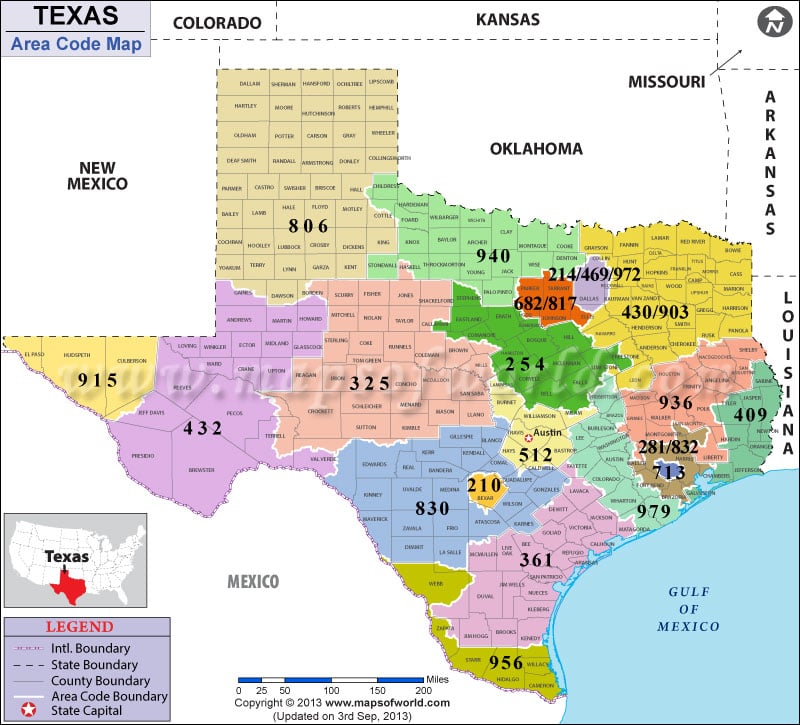
Today, Texas boasts a multitude of area codes, each marking a particular geographic and cultural zone. Here’s a breakdown of the major codes and the incredible destinations they unlock:
The Dynamic Duo: Dallas-Fort Worth Metroplex (214, 469, 972, 682, 817)
The Dallas-Fort Worth Metroplex is a sprawling urban center, a magnet for both business and leisure travelers. Originally served by 214, this region has seen rapid growth, leading to the introduction of overlay codes like 469, 972, 682, and 817.
- Destinations: In Dallas, visitors can explore world-class museums, upscale shopping, and a vibrant arts scene. Don’t miss The Sixth Floor Museum at Dealey Plaza or the Dallas Arts District. Fort Worth, on the other hand, offers a taste of the Old West with its historic Stockyards, rodeo shows, and exceptional art museums like the Kimbell Art Museum. For sports enthusiasts, AT&T Stadium in Arlington is a must-see.
- Accommodation: The Metroplex offers an array of hotel options, from luxury hotels in downtown Dallas such as The Joule Dallas, to family-friendly resorts like the Gaylord Texan Resort & Convention Center in Grapevine. Boutique hotels and extended-stay apartments cater to every lifestyle and budget.
Houston: The Space City and Beyond (713, 281, 832, 346)
The Houston metropolitan area, initially covered by 713, has expanded significantly, adding 281, 832, and most recently, 346 to its repertoire. This region is a powerhouse of industry, innovation, and diverse cultures.
- Destinations: A trip to Houston is incomplete without visiting Space Center Houston, the official visitor center of NASA’s Johnson Space Center. The Museum District offers a concentration of world-class institutions, while Minute Maid Park is home to baseball thrills. A short drive away, Galveston (partially covered by the 409 area code, though many still associate it with the larger Houston area’s influence) provides beachfront relaxation and historic charm with attractions like Moody Gardens and the Historic Pleasure Pier.
- Accommodation: Houston’s hotel scene is as diverse as its population. From opulent luxury stays like The Post Oak Hotel at Uptown Houston to chic boutique hotels in the Museum District, such as Hotel ZaZa Museum District, there are options for every traveler. Galveston offers charming beachfront resorts like The San Luis Resort, Spa & Conference Center.
Austin: The Live Music Capital (512, 737)
The capital city of Texas, Austin, retains its original 512 area code, now overlaid with 737 due to its booming population. It’s renowned for its vibrant music scene, progressive culture, and beautiful natural surroundings.
- Destinations: Explore the iconic Texas State Capitol, cool off in the natural spring waters of Barton Springs Pool, or stroll down South Congress Avenue for unique shops and eateries. Live music venues abound, especially on Sixth Street and the Red River Cultural District.
- Accommodation: Austin offers an eclectic mix of hotels, from upscale boutique properties like Hotel Van Zandt to historic landmarks like The Driskill Hotel. Many accommodations offer easy access to Austin’s vibrant nightlife and outdoor activities.
San Antonio: The Historic Heart of Texas (210, 726)
San Antonio, originally part of the 512 area code, was later assigned 210, which has since been overlaid with 726. This city is a treasure trove of Texas history and culture.
- Destinations: No visit to San Antonio is complete without seeing The Alamo, a symbol of Texas independence. Wander along the picturesque River Walk, explore the historic San Antonio Missions National Historical Park (a UNESCO World Heritage Site), or visit Hemisfair Park.
- Accommodation: The River Walk is lined with diverse hotels, from luxurious options like Hotel Emma at Pearl Brewery or Mokara Hotel & Spa to more budget-friendly stays, all offering unique experiences tailored to the city’s charming atmosphere.
Other Significant Texas Area Codes
- 915 (El Paso): Still covering El Paso and its far western Texas counties, this area code signifies a vibrant borderland culture with natural beauty like Franklin Mountains State Park.
- 361 (Corpus Christi and Coastal Bend): This code guides travelers to the Texas Gulf Coast, known for attractions like the USS Lexington Museum on the Bay and the pristine beaches of Padre Island National Seashore.
- 409 (Galveston, Beaumont, Port Arthur): Serving Southeast Texas, this code points to coastal cities with rich maritime history and natural wetlands.
- 956 (Rio Grande Valley): Stretching across the southern tip of Texas, the 956 area code is home to the Rio Grande Valley, a popular destination for winter Texans and birdwatchers, leading to South Padre Island’s stunning beaches.
- 806 (Lubbock, Amarillo, Texas Panhandle): This extensive area code covers the vast and unique Texas Panhandle, an agricultural heartland with a distinct Western culture.
- 325 (Abilene, San Angelo, Central West Texas): Represents the heart of Central West Texas, offering a blend of rural charm and historical sites.
- 903 (Tyler, Texarkana, East Texas): Covering much of East Texas, known for its Piney Woods, lakes, and charming small towns.
- 254 (Waco, Killeen, Temple): This code serves Central Texas, including Waco, home to Magnolia Market at the Silos, a popular destination for lifestyle and home decor enthusiasts.
- 936 (Huntsville, Conroe, East Central Texas): Another code for East Central Texas, connecting to state parks and forest areas.
- 940 (Denton, Wichita Falls, North Central Texas): Covers areas north and west of the Dallas-Fort Worth Metroplex, blending college towns with rural landscapes.
- 979 (Bryan, College Station, Brazos Valley): Home to the Brazos Valley and college towns like Bryan and College Station, known for their vibrant university atmosphere.
Planning Your Texas Adventure: Area Codes, Accommodation, and Connectivity
For travelers, understanding the area codes isn’t just about making phone calls; it’s about orienting oneself in the vastness of Texas and connecting with the local environment.
Beyond the Dial Tone: Area Codes as Travel Indicators
Think of area codes as geographic labels that hint at the character of a region. When you see a 512 number, you immediately think of Austin’s eclectic vibe; a 210 number conjures images of San Antonio’s historic River Walk. This mental mapping aids in planning your itinerary, especially if you’re venturing off the beaten path or exploring areas less frequented by tourists. They can also subtly inform your perception of local costs, population density, and even prevailing lifestyles – generally, metropolitan area codes (like those in Dallas or Houston) indicate areas with a broader range of high-end hotels and luxury travel experiences, while codes in more rural areas might suggest more budget-friendly lodging or unique boutique accommodations that reflect local charm.
When researching attractions or accommodations, noting the area code of a phone number can provide quick geographic context. This is particularly useful for those planning road trips across the state, ensuring they understand local dialing requirements and can identify where a business or contact is located relative to their travel plans. It helps avoid confusion and ensures smoother navigation, whether you’re seeking a remote cabin in Big Bend National Park (915) or a vibrant resort in the Texas Hill Country (830).
Hotels and Resorts Across Texas’s Area Codes
The diversity of Texas is perfectly reflected in its accommodation landscape. From sprawling resorts to intimate boutique hotels, and from budget-friendly motels to unique vacation rentals, every area code region offers something distinct.
- Metropolitan Glamour: In areas like the Dallas-Fort Worth Metroplex (214, 817, etc.) and Houston (713, 281, etc.), you’ll find a high concentration of luxury hotels and full-service resorts catering to both business travelers and those seeking upscale leisure experiences. These establishments often boast top-tier amenities, fine dining, and proximity to major landmarks and entertainment districts.
- Boutique Charm: In cities like Austin (512) and San Antonio (210), boutique hotels and historic inns are popular, reflecting the unique character and cultural heritage of these destinations. These accommodations often emphasize local culture, personalized service, and distinct design.
- Coastal Retreats: Along the Gulf Coast (361, 409, 956), particularly in cities like Corpus Christi, Galveston, and South Padre Island, beachfront resorts, vacation rentals, and family-friendly hotels dominate, offering easy access to the ocean and water activities.
- Hill Country Hideaways: The Texas Hill Country (primarily 830, but also parts of 512, 210, 254) is dotted with charming bed and breakfasts, rustic cabins, and resorts focused on nature and relaxation, popular in towns like Fredericksburg, Luckenbach, and the Gruene Historic District.
- Rural Escapes: For those seeking solitude, the more sparsely populated area codes (like 915 in West Texas or 806 in the Panhandle) lead to unique lodging options such as ranch stays, glamping sites near Big Bend National Park, or art installations in places like Marfa, offering a truly immersive Texas experience.
When booking accommodations, consider the area code’s context: a city’s area code usually indicates vibrant nightlife and diverse dining, while a more rural one promises tranquility and outdoor activities. Always compare reviews and amenities to match your travel lifestyle and preferences.
Embracing the Texas Lifestyle: Culture, Cuisine, and Connectivity
Each Texas area code region offers a distinctive lifestyle and cultural experience.
- Culinary Delights: From the legendary BBQ of Central Texas (often associated with 512, 254, 830) to the diverse international cuisine of Houston (713, 281) and the Tex-Mex flavors abundant in San Antonio (210) and El Paso (915), Texas is a food lover’s paradise. Understanding these regional culinary identities enhances the travel experience.
- Arts and Entertainment: Whether it’s the live music venues of Austin (512), the theater district in Houston (713), or the art galleries of Dallas (214), each area code region offers unique cultural attractions.
- Outdoor Adventures: The state’s vastness means diverse outdoor opportunities. Hiking in Big Bend (915), fishing in the Gulf Coast (361), or exploring the wineries of the Hill Country (830) – your chosen area code often indicates the type of outdoor lifestyle and attractions you’ll encounter.
Connectivity, enabled by these area codes, is crucial for travelers. Whether you’re reserving a table at a critically acclaimed restaurant, booking a tour of a historic landmark, or simply staying in touch with loved ones, having a grasp of the local area code context ensures seamless communication and a richer, more integrated travel experience.
The Evolution of Texas Area Codes: Splits and Overlays
The current multitude of Texas area codes is a direct result of the state’s phenomenal growth, both in population and in telecommunication demands. As cities expanded and the number of landlines and, later, mobile phones proliferated, new area codes became necessary.
Initially, new area codes were introduced through “splits,” where a large geographic area code was divided into two or more smaller ones. This meant some numbers retained the old code, while others received a new one. This method, however, could be disruptive to residents and businesses.
More recently, the preferred method has been the “overlay.” An overlay area code is introduced to an existing geographic region, allowing new numbers to be assigned with the new code while existing numbers retain their original code. The consequence of overlays, such as 737 over 512 in Austin or 346 over the Houston codes, is that 10-digit dialing (area code + 7-digit number) becomes mandatory for all local calls within that region. This is a crucial piece of information for any traveler in Texas, as failure to dial all ten digits will result in a failed call. It’s a testament to the ongoing expansion and dynamic nature of the state.
This continuous evolution of area codes underscores the vibrancy and economic dynamism of Texas. From the energy corridors of Midland and Odessa (432) to the agricultural heartland of Amarillo and Lubbock (806), new codes are a response to growth, ensuring connectivity keeps pace with development.
In conclusion, while the question “What is the area code of Texas?” might seem simple, the answer is anything but singular. Texas is a mosaic of many area codes, each a gateway to a distinct part of its geographic, cultural, and economic landscape. For travelers, these codes are more than just numbers; they are silent signposts guiding them through a state that promises an endless array of destinations, attractions, accommodations, and unforgettable experiences. So, as you plan your next journey through the Lone Star State, remember that knowing its area codes is a small but significant step towards fully embracing the grandeur and diversity that Texas has to offer.
LifeOutOfTheBox is a participant in the Amazon Services LLC Associates Program, an affiliate advertising program designed to provide a means for sites to earn advertising fees by advertising and linking to Amazon.com. Amazon, the Amazon logo, AmazonSupply, and the AmazonSupply logo are trademarks of Amazon.com, Inc. or its affiliates. As an Amazon Associate we earn affiliate commissions from qualifying purchases.