
The humble California roll. For many, it’s the gateway to the fascinating world of sushi. Its familiar ingredients, approachable texture, and lack of raw fish make it a popular choice, especially for those new to Japanese cuisine. But beyond its widespread appeal, what exactly constitutes a California roll, and how did this seemingly Californian creation find its way onto sushi menus worldwide? This exploration delves into the ingredients, history, and cultural significance of this beloved maki roll, weaving in threads of travel, tourism, and culinary exploration that often accompany discovering new foods.
The Anatomy of a California Roll: A Symphony of Flavors and Textures
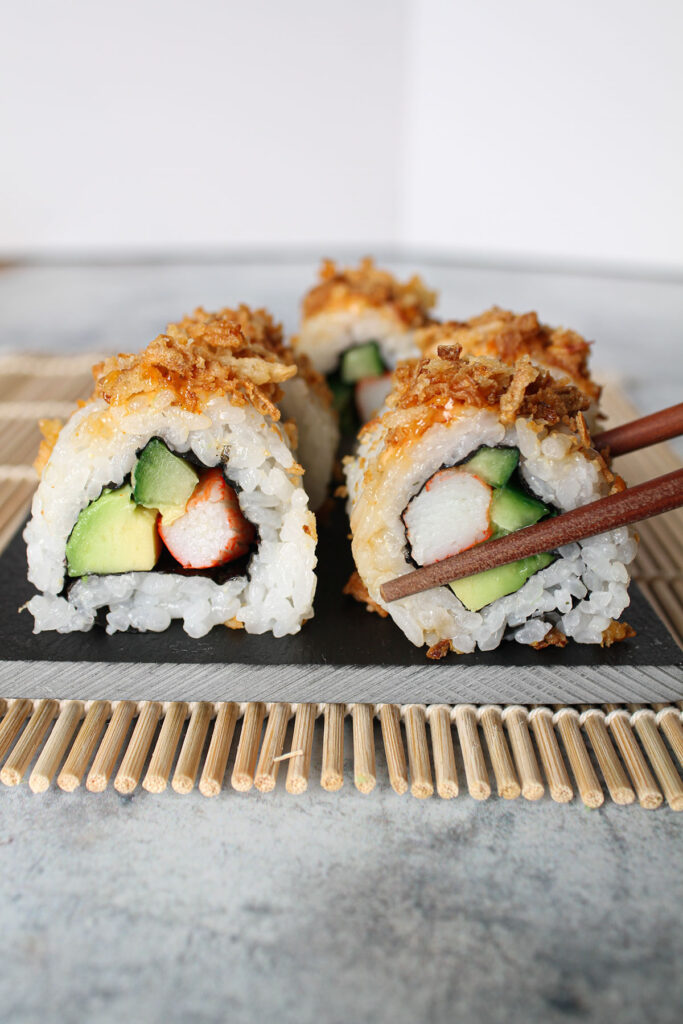
At its core, a California roll is a type of makizushi, or rolled sushi, characterized by its “inside-out” construction, known as uramaki. This means the rice is on the outside, encasing the fillings, and is often coated with sesame seeds or tobiko (flying fish roe). This unique presentation is a key differentiator from traditional norimaki, where the seaweed is on the outside.

The Essential Components
The beauty of the California roll lies in its carefully selected components, each contributing to a harmonious balance of taste and texture:
- Sushi Rice: The foundation of any sushi roll is perfectly seasoned sushi rice. Cooked short-grain Japanese rice is mixed with a dressing of rice vinegar, sugar, and salt. This slightly tangy and sweet rice provides a crucial base, offering a soft and yielding texture that complements the other ingredients. The quality of the rice and its seasoning are paramount to a successful California roll.
- Nori (Seaweed): While the rice is on the outside in a California roll, a sheet of nori is typically used to wrap the inner fillings before the rice is rolled around it. This thin, crisp, yet pliable sheet of dried seaweed adds a subtle oceanic flavor and a distinctive aroma that is characteristic of sushi. The nori acts as a binder, holding the ingredients together.
- Avocado: This creamy, buttery fruit is arguably the star ingredient that defines the California roll. Sliced thinly, the avocado lends a rich, smooth texture and a mild, nutty flavor that perfectly balances the other elements. Its popularity in Western cuisine makes it a natural fit for a roll designed to appeal to a broader palate. The way avocado melts in your mouth is a testament to its culinary brilliance.
- Crab Meat (or Imitation Crab): Traditionally, California rolls are made with cooked crab meat. However, to enhance affordability and accessibility, many establishments use imitation crab, also known as surimi. This processed seafood product is made from white fish (like pollock) that is mashed, flavored with crab extract, and shaped into crab leg-like sticks. Regardless of whether real or imitation crab is used, it provides a slightly sweet, flaky, and subtly briny element to the roll.
- Cucumber: Crisp, refreshing cucumber adds a vital textural contrast to the creaminess of the avocado and the softness of the rice. Julienned thinly, it provides a satisfying crunch and a clean, mild flavor that cuts through the richness of the other ingredients. The coolness of the cucumber is particularly welcome on a warm day, making this a refreshing choice for travelers exploring vibrant cities.
The Uramaki Technique: Rice on the Outside
The defining characteristic of the California roll is its uramaki style. This technique involves spreading the seasoned sushi rice evenly over a sheet of nori placed on a bamboo rolling mat (makisu). The fillings are then placed on top of the rice, and the entire package is rolled tightly using the mat. The result is a visually appealing roll with the rice on the exterior, ready to be adorned. This method is particularly popular in Western sushi establishments, as it allows for garnishes like sesame seeds and tobiko to adhere to the outside, enhancing both visual appeal and textural complexity. The journey of a California roll from kitchen to table is a delightful experience, often enjoyed alongside other culinary discoveries during travel.
The Genesis of a Global Favorite: Tracing the California Roll’s Origins
The invention of the California roll is a tale shrouded in a bit of culinary myth and friendly debate, with several sushi chefs in Los Angeles claiming its creation. What is clear is that its development was a strategic response to the palates and preferences of Western diners who were less accustomed to raw fish.
The Los Angeles Connection

The most widely accepted narrative points to the early 1960s or 1970s in Los Angeles. Chefs sought to create a sushi roll that would be more approachable for American customers. Raw fish, a staple in traditional Japanese sushi, was still met with some apprehension by many in the United States. The solution was to incorporate ingredients that were familiar and well-liked by Americans.
One prominent story attributes the creation to Chef Ichiro Mashita at Tokyo Kaikan in Little Tokyo, Los Angeles. He is said to have substituted raw tuna with avocado to mimic the richness of tuna’s fat content, thereby making the roll more palatable to his American clientele. Another version credits Master Chef Kenjiro “Ken” Orimo of Orna’s Japanese Restaurant in Los Angeles with the invention around the same time, also focusing on a non-raw fish alternative. Regardless of the exact individual or establishment, the common thread is the adaptation of sushi for a Western market, spearheaded by innovative chefs in California.
A Culinary Bridge to Japan
The California roll’s success wasn’t just confined to California. As American tourists traveled to Japan, they often sought out familiar dishes, and the California roll, though not a traditional Japanese item, had gained such popularity that it began appearing on menus in Japan as well. This marked a fascinating cultural exchange, where a dish born from adapting Japanese cuisine for the West was then re-integrated back into its origin country, albeit as a modern interpretation. For travelers exploring the vibrant streets of Tokyo or the serene landscapes of Kyoto, encountering a California roll can be a comforting reminder of home, or an interesting point of comparison to more authentic Japanese sushi.
Beyond the Roll: Experiencing Sushi Culture and Culinary Tourism
The California roll, while a simplified introduction, opens the door to a world of culinary exploration. The experience of enjoying sushi, whether it’s a California roll or a more traditional nigiri, is deeply intertwined with culture and travel.
Culinary Tourism and Exploration
Embarking on a culinary journey is an integral part of modern travel. Discovering local flavors, from the street food stalls of Bangkok to the Michelin-starred restaurants of Paris, offers a unique window into a destination’s identity. Sushi, in its many forms, is a significant part of this global culinary landscape. For travelers to Japan, experiencing sushi in its homeland is a must-do activity. Visiting a renowned sushi bar in Tokyo’s Tsukiji Outer Market or a charming local eatery in Osaka provides an authentic taste and cultural immersion. Even outside of Japan, cities like New York City and London boast world-class sushi establishments that offer diverse interpretations and high-quality ingredients.
The California roll’s accessibility makes it a perfect starting point for anyone looking to engage with sushi culture without feeling intimidated. It’s a delicious ambassador, encouraging diners to explore further, perhaps trying a spicy tuna roll, a salmon nigiri, or even venturing into the more adventurous world of sea urchin (uni).
The Lifestyle of Sushi Enthusiasts
Sushi has transcended its origins to become a lifestyle choice for many. It’s often associated with a discerning palate, a preference for fresh ingredients, and a certain elegance. From casual lunches at a neighborhood sushi joint to celebratory dinners at upscale Japanese restaurants, sushi plays a role in various social and lifestyle contexts.
For those who travel frequently, whether for luxury getaways or budget-friendly adventures, finding good sushi can be a priority. Many luxury resorts, like those found in the tropical paradise of Bora Bora, offer sophisticated sushi bars alongside their other fine dining options. Similarly, budget travelers can often find delicious and affordable sushi at local markets or smaller eateries in cities across Asia and beyond.
The act of preparing sushi at home has also gained popularity, leading to increased interest in sourcing high-quality ingredients and learning traditional techniques. This personal engagement with sushi deepens appreciation for the artistry involved and the dedication to freshness and flavor. Whether you’re savoring a meticulously prepared California roll in a bustling Times Square eatery or enjoying a simple yet satisfying version at a roadside cafe in Vietnam, the experience of sushi is a testament to its global appeal and enduring legacy. It’s a culinary phenomenon that continues to evolve, proving that sometimes, the most beloved dishes are those that ingeniously bridge cultures and palates.
LifeOutOfTheBox is a participant in the Amazon Services LLC Associates Program, an affiliate advertising program designed to provide a means for sites to earn advertising fees by advertising and linking to Amazon.com. Amazon, the Amazon logo, AmazonSupply, and the AmazonSupply logo are trademarks of Amazon.com, Inc. or its affiliates. As an Amazon Associate we earn affiliate commissions from qualifying purchases.