
The allure of California, with its sun-drenched beaches, towering redwoods, and vibrant cities like Los Angeles and San Francisco, draws travelers and long-term residents alike. For many, a cherished companion animal is an integral part of their lifestyle, offering comfort and support. This is particularly true for individuals with emotional disabilities who rely on Emotional Support Animals (ESAs) to manage their well-being. While California law generally protects the rights of individuals with ESAs in housing, it’s not an absolute right. Landlords in the Golden State do have specific, legally defined circumstances under which they can reject an ESA. Understanding these nuances is crucial for both tenants seeking housing and landlords navigating their responsibilities.
The core of the issue lies in balancing the rights of individuals with disabilities against the legitimate concerns and property rights of landlords. California, like the federal government, aims to prevent housing discrimination. The Fair Employment and Housing Act (FEHA) is the primary state law that governs housing discrimination and is often more protective of tenant rights than federal laws like the Fair Housing Act (FHA). However, the FEHA also outlines specific exceptions that allow for the denial of an ESA request. These exceptions are not arbitrary; they are designed to address situations where allowing an ESA would impose an undue burden on the landlord or pose a direct threat to the health and safety of others.
Understanding Emotional Support Animals and Legal Protections in California
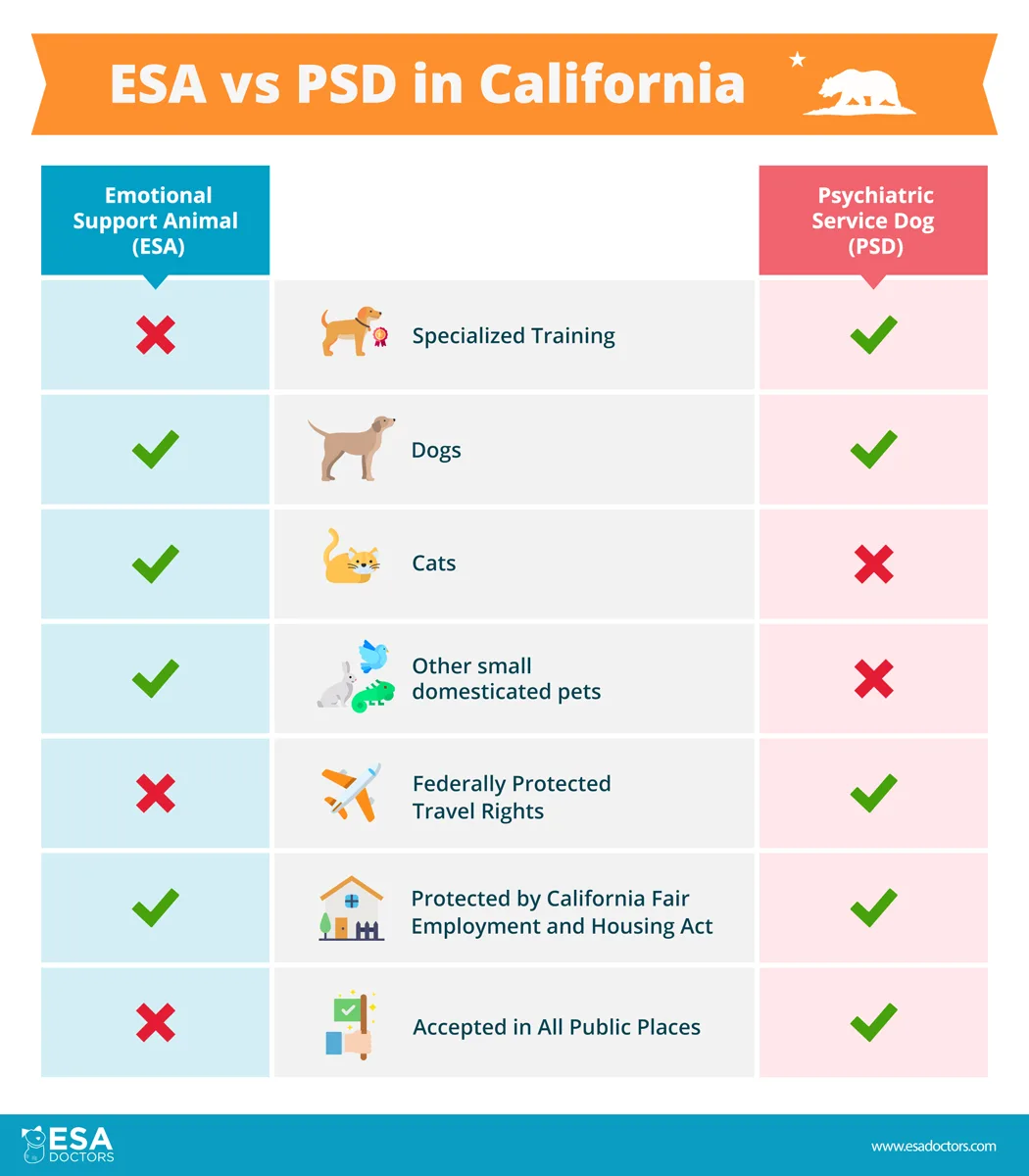
Before delving into the reasons for rejection, it’s essential to clarify what constitutes an Emotional Support Animal in California and the general legal framework surrounding them. Unlike service animals, which are trained to perform specific tasks for individuals with disabilities (e.g., guide dogs for the visually impaired, seizure alert dogs), ESAs do not require specialized training. Their presence alone provides therapeutic benefit to their handler by alleviating symptoms of a mental or emotional disability.
In California, a landlord cannot simply refuse an ESA request based on a “no pets” policy. Such a policy is considered discriminatory under FEHA. Landlords are required to make reasonable accommodations for individuals with disabilities, and allowing an ESA is often considered a reasonable accommodation. This means that the landlord must permit the tenant to have the ESA live with them, even if their building has a strict “no pets” rule. This applies to various types of accommodation, from apartments in San Diego to villas in Palm Springs.
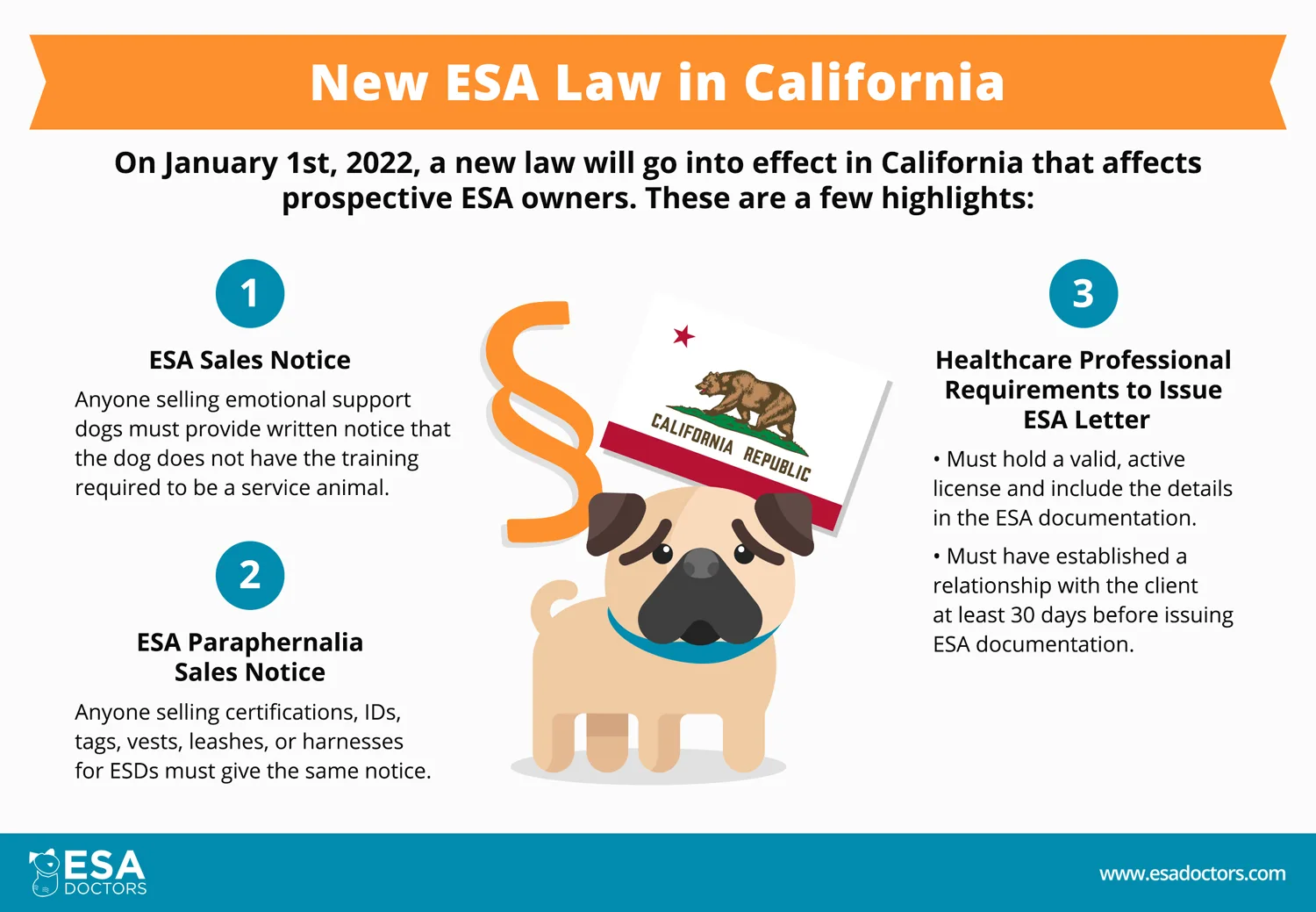
To qualify for an ESA, an individual must have a documented mental or emotional disability. This documentation typically comes from a licensed mental health professional who has evaluated the individual and determined that the ESA is necessary for their well-being. The professional would then provide a letter stating this necessity. It’s important to note that a diagnosis alone is not sufficient; the ESA must be prescribed as part of a treatment plan.
The rights afforded to ESA owners in California extend to various types of housing, including apartments, single-family homes, and even some types of shared accommodations. This is a critical aspect of lifestyle and accommodation, ensuring that individuals are not excluded from housing opportunities due to their need for an ESA.
Types of Animals Considered for ESA Status
While dogs and cats are the most common ESAs, California law does not strictly limit the types of animals that can be considered. Any animal that provides therapeutic benefit can, in principle, be an ESA. This could include birds, rabbits, or even miniature horses. However, the reasonableness of accommodating certain animals may come into play when landlords consider factors like the animal’s size, species, and typical behavior. The focus remains on the therapeutic value of the animal and the disability it supports, rather than a predetermined list of acceptable species.
The Role of Documentation and Verification
Landlords have the right to request reliable documentation to verify that an animal is an ESA. This typically involves a letter from a licensed mental health professional. The letter should be on the professional’s letterhead and clearly state that the tenant has a mental or emotional disability and that the animal is necessary for their treatment. The landlord may also inquire about the type of animal and its role in the tenant’s treatment, but they cannot demand specific details about the tenant’s disability.
Crucially, the landlord cannot charge a pet fee or pet deposit for an ESA. However, if the ESA causes damage to the property, the tenant can be held responsible for those damages, just as they would be for damages caused by their own actions. This financial responsibility is a key aspect of the accommodation.
Legitimate Grounds for Landlord Rejection of an ESA in California
While the protections for ESAs in California are robust, landlords are not powerless. There are specific, legally recognized reasons why an ESA request can be denied. These reasons are designed to ensure fairness and safety for all parties involved.
1. The Animal Poses a Direct Threat to the Health and Safety of Others
This is perhaps the most significant ground for rejecting an ESA. If an animal exhibits aggressive behavior, such as biting or attacking people, or if it poses a direct and demonstrable threat to the health or safety of other residents, employees, or neighbors, a landlord can legally deny the request. This determination must be based on objective evidence, not on breed stereotypes or unfounded fears. For instance, if an ESA has a history of unprovoked aggression, or if its size and strength make it a clear danger in a crowded apartment building, a landlord might have grounds for rejection.
The burden of proof lies with the landlord to demonstrate that the animal genuinely poses a direct threat. This usually involves documented incidents, witness statements, or expert opinions. A landlord cannot simply claim an animal is dangerous without substantiating evidence. This is particularly relevant in shared living situations, whether in a resort setting or a residential complex.
2. The Animal Would Cause Substantial Damage to the Property of Others
While ESAs are not responsible for past damages, landlords can deny an ESA if there is a reasonable belief that the animal will cause substantial damage to the property. This goes beyond minor wear and tear. Examples include an animal that is known to be destructive, such as one that chews through doors or walls, or an animal that is not house-trained and consistently soils common areas.
This consideration is also relevant when the animal’s presence would fundamentally alter the nature of the housing. For instance, if a large exotic animal would require extensive modifications to the property that are not feasible or would impose an undue burden.
3. Allowing the ESA Would Impose an Undue Financial and Administrative Burden
The concept of “undue burden” is a critical component of fair housing laws. While landlords must make reasonable accommodations, they are not required to take actions that are excessively expensive or administratively difficult. For an ESA, this could manifest in several ways:
- Prohibitive Costs: If accommodating the ESA would require significant and ongoing expenses that are disproportionate to the landlord’s resources. This is less common with typical ESAs but could arise with very large animals or those requiring specialized care that impacts building infrastructure.
- Significant Property Modifications: If the ESA requires substantial and costly modifications to the property that are not feasible. For example, an animal that needs an elaborate enclosure or special ventilation systems that would be prohibitively expensive to install.
- Unmanageable Disruptions: If the presence of the ESA would lead to ongoing and significant disruptions to other tenants or the general operation of the property. This could include excessive noise, pervasive odors, or frequent breaches of common area rules that are difficult to enforce and resolve.
It’s important to distinguish between minor inconveniences and substantial burdens. A landlord cannot deny an ESA simply because it might be slightly inconvenient or require minor adjustments to their routine. The burden must be significant enough to pose a real challenge to the landlord’s ability to manage their property effectively and profitably.
4. The Tenant Fails to Provide Adequate Documentation
As mentioned earlier, landlords have the right to request proper documentation. If a tenant fails to provide a letter from a licensed mental health professional, or if the documentation is clearly fraudulent or insufficient, the landlord can legally deny the ESA request. This is not about questioning the tenant’s disability but about ensuring that the accommodation being requested is valid under the law.
Furthermore, if the tenant attempts to misrepresent a pet as an ESA without proper justification, or if they provide falsified documentation, the landlord has grounds to reject the request. This protects landlords from potential abuse of ESA regulations.
5. The Animal is Not an Animal
This might seem obvious, but it’s worth clarifying. An ESA is typically a domesticated animal. While the definition can be broad, certain animals might be excluded if they are not commonly domesticated or if their care is inherently problematic for a residential setting. For example, if an individual claims a wild animal like a fox or a snake as an ESA, a landlord would likely have strong grounds for rejection due to safety concerns, public health regulations, and the general unsuitability of such animals in most housing.

Navigating the Process: What Tenants and Landlords Should Do
For tenants seeking to bring an ESA into their California home, transparency and proper documentation are key. Proactively providing a clear and professional letter from a mental health professional well in advance of moving in can streamline the process. Understanding the landlord’s concerns and being prepared to discuss them respectfully is also important. If a landlord raises specific concerns about an animal’s behavior or potential for damage, tenants should be ready to address these with their mental health professional or by demonstrating responsible pet ownership.
For landlords, it’s crucial to understand the legal boundaries. Avoid making blanket rejections based on breed or personal preference. If a landlord has legitimate concerns, they should communicate them clearly and specifically to the tenant. Engaging in an interactive process with the tenant to find a workable solution is often the best approach. This might involve discussing the animal’s training, the tenant’s plan for managing the animal, and any potential impact on other residents.
When disagreements arise, seeking legal counsel is advisable for both parties. California has specific legal interpretations and case law that can influence ESA disputes. Understanding these can help avoid costly legal battles and ensure that both tenant and landlord rights are respected.
Ultimately, the goal in California is to find a balance. The state recognizes the profound therapeutic value of ESAs and aims to ensure that individuals with disabilities are not unfairly excluded from housing. However, this right is not without its limitations. By adhering to the specific legal grounds for rejection, landlords can protect their property and the well-being of their communities, while tenants can secure the housing necessary to live fulfilling lives with their essential animal companions. Whether you are planning a luxury travel experience or seeking a long-term accommodation in a place like Napa Valley, understanding these housing regulations is vital for a smooth and enjoyable stay.
LifeOutOfTheBox is a participant in the Amazon Services LLC Associates Program, an affiliate advertising program designed to provide a means for sites to earn advertising fees by advertising and linking to Amazon.com. Amazon, the Amazon logo, AmazonSupply, and the AmazonSupply logo are trademarks of Amazon.com, Inc. or its affiliates. As an Amazon Associate we earn affiliate commissions from qualifying purchases.