
As the seasons shift and the days lengthen or shorten, many of us in California and across the United States find ourselves adjusting our watches, and our lives, in sync with a practice that has become a familiar, if sometimes debated, ritual: Daylight Saving Time (DST). The question of “When do we change the clocks in California?” is more than just a simple calendar query; it’s a gateway to understanding the practicalities of travel, the rhythm of daily life, and even the historical context behind this time-bending phenomenon. For travelers planning their next adventure to the Golden State, or for locals navigating their routines, knowing the precise dates for the clock changes is essential for seamless planning and an enjoyable experience.
This article delves into the specifics of Daylight Saving Time in California, exploring when these changes occur, why they happen, and what implications they might have for your travel plans, your stay at a hotel, your exploration of local tourism, your accommodation choices, your visits to iconic landmarks, and your overall lifestyle choices.
Understanding Daylight Saving Time in California
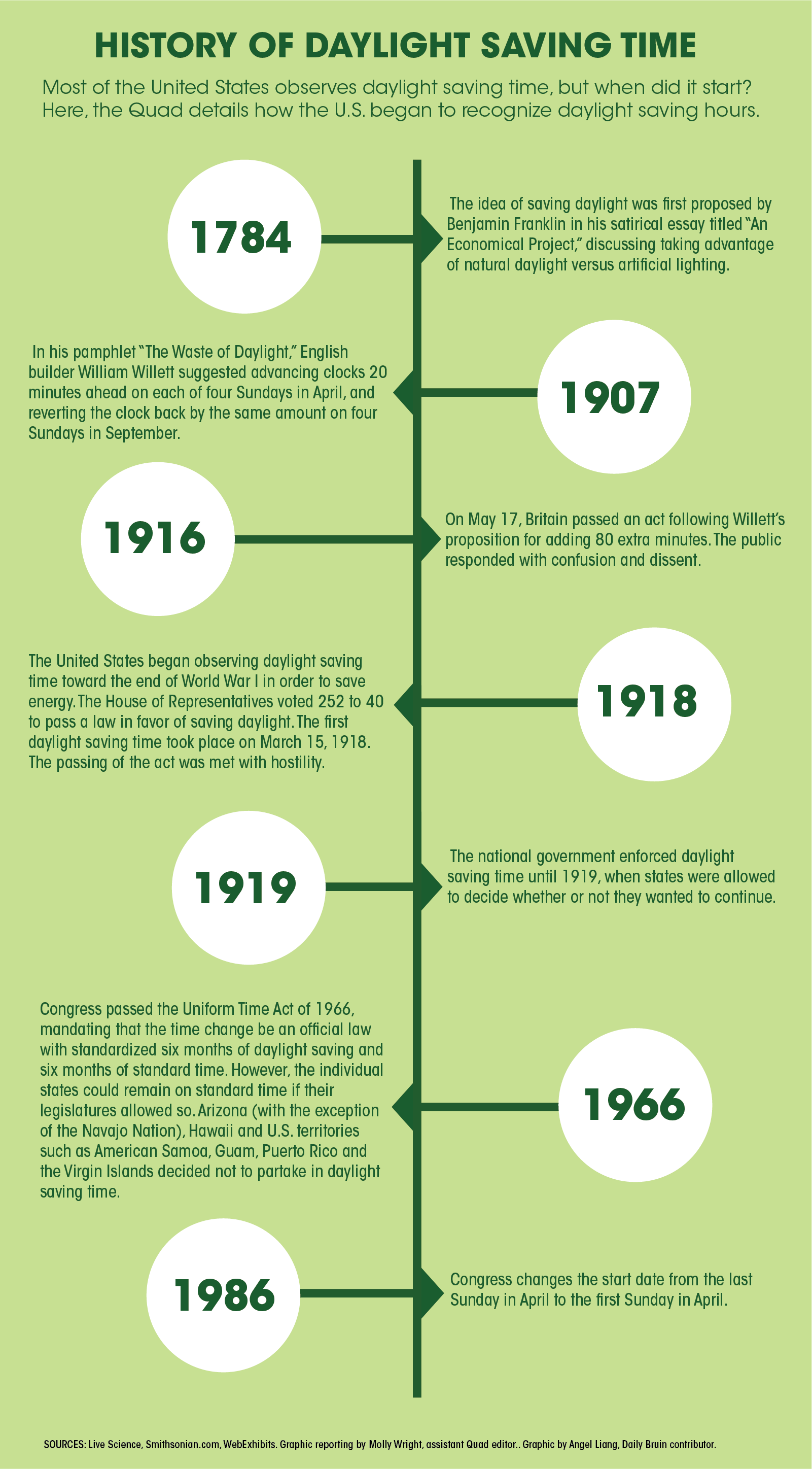
Daylight Saving Time, often abbreviated as DST, is the practice of advancing clocks during warmer months so that darkness falls at a later hour of the clock. In the United States, the practice is governed by federal law, specifically the Uniform Time Act of 1966, which standardized the start and end dates for DST across the country. However, individual states can opt out of DST if they choose. California, for the most part, observes DST, though there have been legislative efforts and discussions about potentially opting out.
The Mechanics of the Time Change
The crucial dates for understanding when we change the clocks in California are dictated by the Uniform Time Act.
-
Beginning of DST: In the United States, Daylight Saving Time begins on the second Sunday in March. On this day, clocks are moved forward by one hour at 2:00 AM local time. This means that the day effectively has 23 hours, and sunrise and sunset occur one hour later according to the clock. For instance, if it would normally rise at 6:00 AM, it will now rise at 7:00 AM. This “spring forward” can often lead to a feeling of losing an hour of sleep.
-
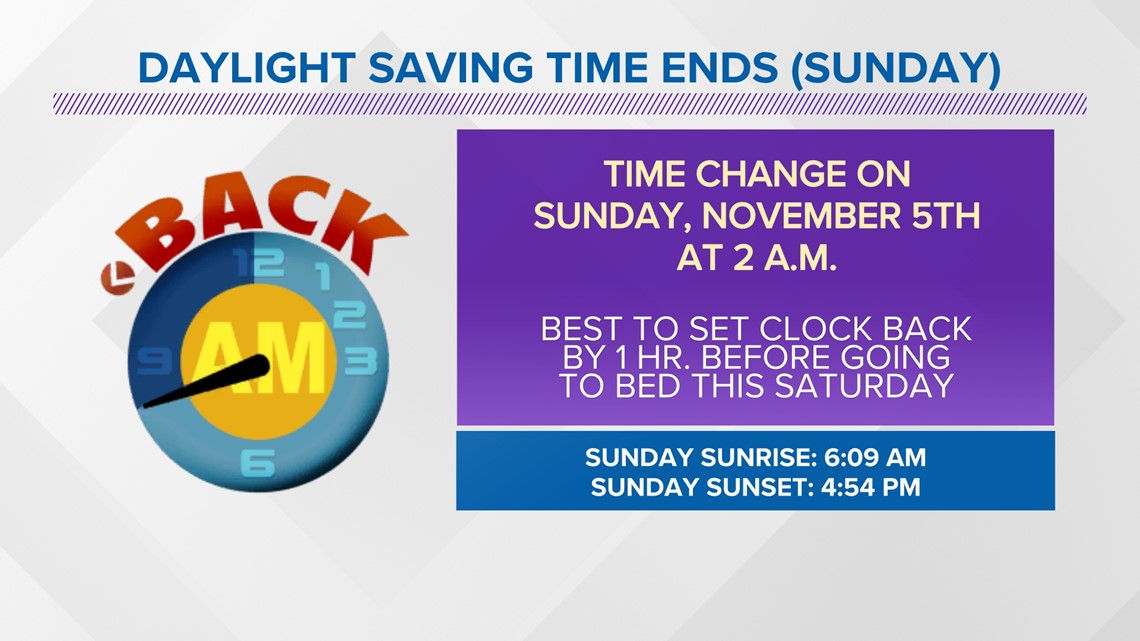
End of DST: Daylight Saving Time concludes on the first Sunday in November. On this day, clocks are turned back by one hour at 2:00 AM local time. This “fall back” day has 25 hours, and sunrise and sunset occur one hour earlier according to the clock. This is generally a welcome change for many, as it restores the lost hour of sleep and brings earlier sunrises.
So, when planning a trip to California, or if you reside there, mark your calendars: the second Sunday in March and the first Sunday in November are your key dates for clock adjustments. These dates apply uniformly across all time zones within California, including Pacific Time.
The Rationale Behind Daylight Saving Time
The concept of Daylight Saving Time dates back to the early 20th century, with proponents arguing for its energy-saving benefits and its role in making better use of daylight. The idea is that by shifting an hour of daylight from the morning to the evening during the summer months, people will use less artificial lighting. While the energy savings are a subject of ongoing debate, the practice has become ingrained in the societal structure, affecting everything from work schedules and school times to travel and entertainment.
For businesses, particularly those in the tourism sector, the extended daylight hours can be a boon, allowing visitors more time to explore attractions, enjoy outdoor activities, and dine out. Hotels and resorts, especially those with outdoor amenities or located near popular landmarks, often see increased activity during the longer daylight periods.
Implications for Travelers and Residents
Understanding when the clocks change in California is crucial for a variety of reasons, impacting everything from flight schedules and dinner reservations to simply enjoying the natural light during your adventures.
Planning Your California Adventures
When you’re planning a travel itinerary that spans these transition periods, a little foresight goes a long way.
-
Booking Flights and Accommodation: Airlines and online booking platforms for hotels and accommodation will automatically adjust for Daylight Saving Time. However, it’s always wise to double-check your flight times and any timed reservations, especially if you’re traveling internationally and dealing with multiple time zone changes. For example, if you’re flying from New York to Los Angeles on the day DST begins, be aware that the time difference will temporarily shift.
-
Activities and Excursions: Many outdoor activities and guided tours, especially those focused on nature or popular attractions, are scheduled around daylight hours. Knowing when DST starts and ends will help you plan your days more effectively. For instance, a sunset cruise in San Diego or a hike in Yosemite National Park will feel different depending on whether DST is in effect. Longer evenings with daylight can allow for more leisurely exploration of landmarks like the Golden Gate Bridge or a visit to a resort in Palm Springs.
-
Business Stays and Lifestyle: For those on business stays or planning family trips, understanding the clock change ensures you don’t miss important meetings or scheduled activities. The shift in daylight can also influence lifestyle choices, such as when to exercise outdoors or when to schedule family dinners. Budget travelers might find that longer daylight hours allow for more free activities like exploring public parks or wandering through historic districts in cities like San Francisco or San Diego.
Navigating the Transition: Practical Tips
The transition periods themselves, particularly the “spring forward,” can be a bit disorienting.
-
Jet Lag and Adjustment: While not the same as international jet lag, the one-hour shift can disrupt sleep patterns for some individuals. For travelers arriving in California around these dates, be mindful of this potential adjustment period. Staying hydrated, sticking to a regular sleep schedule as much as possible, and getting natural light exposure can help.
-
Communication: If you are coordinating with people in different time zones or making arrangements with local businesses, it’s always a good idea to confirm times and acknowledge that DST changes are in effect. This is particularly relevant for international travelers who may not observe DST or observe it on different dates.
-
Technology’s Role: Fortunately, most modern electronic devices, including smartphones, computers, and smart hotel room clocks, automatically update for Daylight Saving Time. However, it’s still a good practice to verify that your devices have updated correctly after the change. This is especially true for older devices or those that may not be connected to a reliable network.
The Future of Daylight Saving Time in California
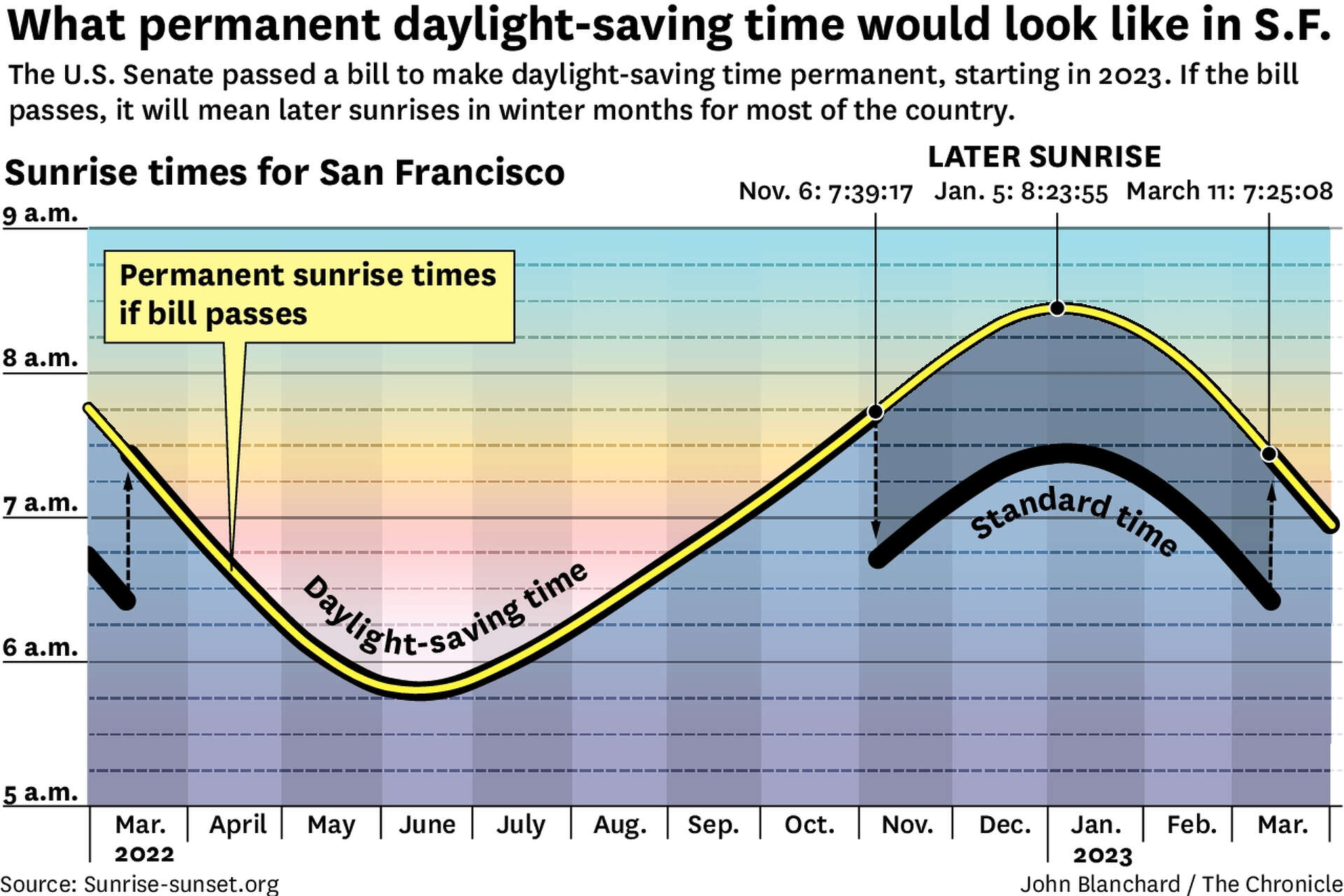
The debate surrounding the efficacy and impact of Daylight Saving Time is ongoing. In California, there have been legislative efforts to move towards permanent DST or permanent standard time. Advocates for permanent DST argue that it would further extend daylight hours into the evening, potentially boosting the economy through increased outdoor activities and tourism. Conversely, some researchers suggest that permanent standard time might be more beneficial for public health, aligning better with our natural circadian rhythms.
-
Potential Legislative Changes: While the federal government allows states to opt out of DST, it requires Congressional approval to make the change permanent. California voters have previously supported a shift to permanent DST, but this would still necessitate federal authorization. Should California eventually adopt year-round DST or standard time, the dates for clock changes would become obsolete, simplifying scheduling for everyone.
-
Impact on Tourism and Lifestyle: A permanent shift could have lasting effects on tourism, lifestyle, and daily routines. For instance, permanent DST might encourage more evening activities and outdoor dining, benefiting businesses in the hospitality sector. Permanent standard time, on the other hand, might lead to earlier dawns, influencing morning commuters and those who prefer early-morning travel or activities. The choice between permanent DST and standard time remains a significant topic of discussion, with potential far-reaching implications for the state’s economy and its residents’ well-being.
For now, however, the familiar rhythm of changing clocks twice a year continues. Understanding the dates – the second Sunday in March and the first Sunday in November – remains a key piece of practical knowledge for anyone living in or visiting the beautiful state of California. Whether you are exploring the beaches of Southern California, visiting landmarks like Alcatraz Island, staying in a luxury resort, or looking for the perfect accommodation, being aware of these time shifts will help ensure your travel and lifestyle experiences are as smooth and enjoyable as possible. The ebb and flow of daylight, dictated by the clock, are a subtle yet significant aspect of life in California.
LifeOutOfTheBox is a participant in the Amazon Services LLC Associates Program, an affiliate advertising program designed to provide a means for sites to earn advertising fees by advertising and linking to Amazon.com. Amazon, the Amazon logo, AmazonSupply, and the AmazonSupply logo are trademarks of Amazon.com, Inc. or its affiliates. As an Amazon Associate we earn affiliate commissions from qualifying purchases.