
Summer in California is a vibrant tapestry woven with sunshine, boundless adventures, and the intoxicating scent of ocean breezes. But as the days begin to shorten and a subtle shift in the air signals a change, many begin to ponder: when does this quintessential California summer truly draw to a close? The answer isn’t as simple as a single date on the calendar. While the astronomical end of summer marks a distinct point, the feeling of summer, its activities, and its allure often linger much longer, particularly in the diverse landscapes and microclimates of the Golden State.

California’s vastness and varied geography mean that “summer” can manifest differently across its sprawling regions. From the sun-drenched beaches of Southern California to the cooler, forested mountains of the north, the transition is often a gradient rather than an abrupt halt. Understanding when summer officially concludes, and when its spirit begins to wane, involves looking at both the calendar and the palpable changes that sweep across the state. This exploration will delve into the official definitions, the regional nuances, and the enduring essence of California’s summer, helping you plan your last-minute getaways and prepare for the autumnal embrace.
The Astronomical and Meteorological Markers of Summer’s End
To definitively answer “When Does Summer End In California?”, we must first acknowledge the universally accepted definitions of summer’s conclusion. These markers provide a concrete framework, even as personal experiences may vary.
The Astronomical Shift: The Autumnal Equinox
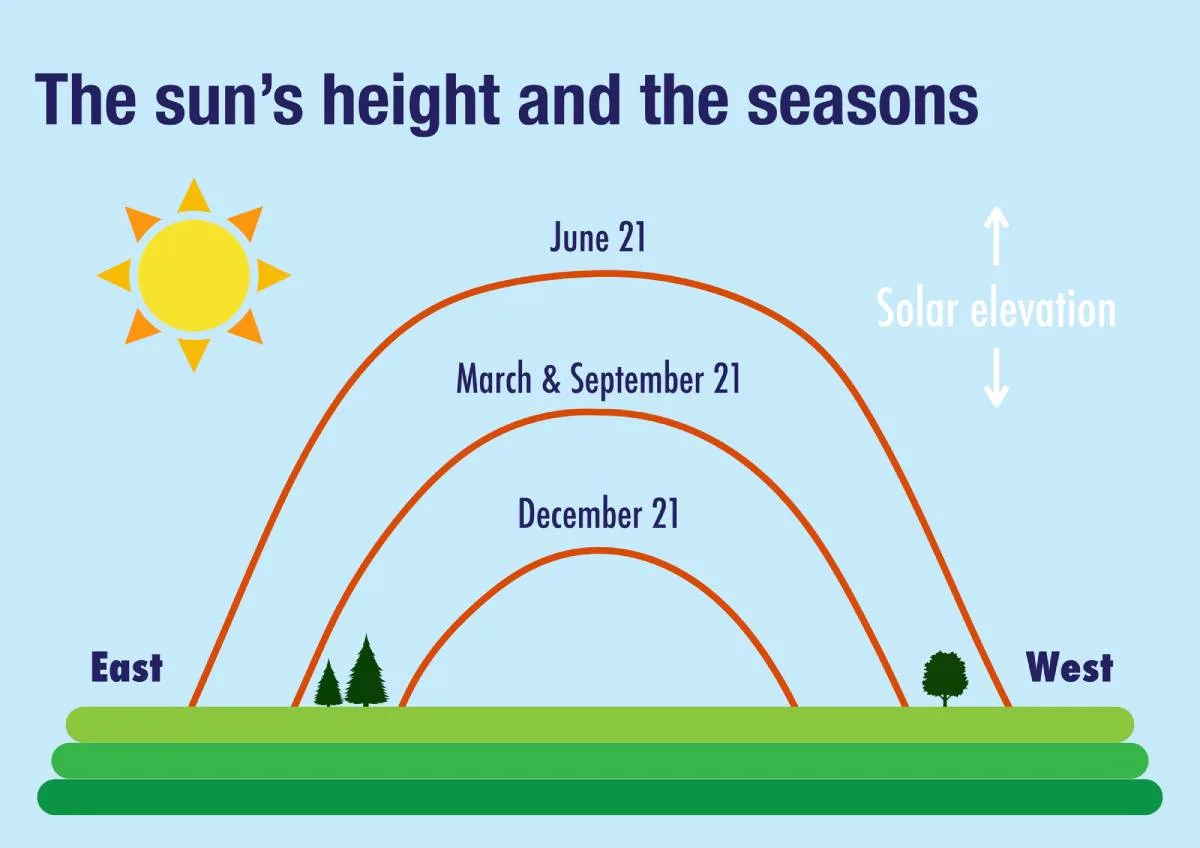
The most precise and universally recognized end to summer is the Autumnal Equinox. This celestial event occurs when the sun crosses the celestial equator, and the Northern Hemisphere begins to tilt away from the sun. In the Northern Hemisphere, which includes California, this typically falls around September 22nd or 23rd each year. On this day, day and night are approximately equal in length across the globe. After the Autumnal Equinox, the days become progressively shorter, and the nights grow longer, marking the official transition into autumn.
For many, especially those in regions with distinct seasonal changes, this date serves as the definitive end of the summer season. It’s a time when calendars are updated, and preparations for the cooler months begin in earnest. In California, however, the impact of this astronomical shift can be more subtle in some areas than others.
The Meteorological Perspective: A Broader Interpretation
While the equinox provides a precise astronomical endpoint, meteorologists often define seasons based on temperature patterns and climatic trends. From a meteorological standpoint, summer in the Northern Hemisphere is generally considered to encompass the months of June, July, and August. This definition is based on the hottest three-month period of the year, making it a practical measure for climate analysis and weather forecasting.
Therefore, by the meteorological definition, summer in California technically concludes on August 31st. However, this approach often overlooks the lingering warmth and daylight that extend well into September, a month that many Californians still fondly associate with summer activities and vacationing. The meteorological definition offers a simpler, more consistent framework for comparing seasonal data, but it doesn’t always align with the lived experience of summer in a place like California.
Regional Nuances: How California’s Diverse Landscapes Experience Summer’s End
California’s immense size and varied geography create a mosaic of experiences when it comes to the end of summer. The state’s unique microclimates mean that while one region might be firmly in the grip of autumn, another could still be basking in glorious, summery warmth.
Southern California’s Extended Summer Glow
Southern California, renowned for its near-perpetual sunshine and warm climate, often experiences a significantly extended summer season. Cities like Los Angeles, San Diego, and the desert communities of the Coachella Valley can retain their summery feel well into October. The Pacific Ocean acts as a moderating influence, keeping coastal temperatures pleasant even as inland areas begin to cool.
The iconic beaches of Orange County and Santa Barbara remain popular destinations throughout September and often into the early part of October. The waters of the Pacific, having absorbed months of solar heat, are at their warmest during this period, making them ideal for swimming and water sports. Surfers, in particular, often find September and October to be prime months for catching excellent waves, with swells often improving as the season shifts.
Inland, desert cities like Palm Springs and Joshua Tree National Park continue to offer warm, dry weather long after the leaves have begun to change in other parts of the country. While the intense heat of July and August subsides, September and October still provide plenty of sunshine for hiking, golf, and enjoying the unique desert landscapes. The “Indian Summer” phenomenon, characterized by unseasonably warm, dry weather, is common in these regions, further blurring the lines of when summer truly ends. Many resorts in these areas, such as the luxurious La Quinta Resort & Club, continue to offer a quintessential summer experience well into the fall.
Central California’s Transition Zone
Central California, encompassing the fertile Central Valley and the coastal areas from San Luis Obispo to Monterey, experiences a more noticeable, yet still gentle, transition. The inland areas of the Central Valley, which can experience extreme heat during the summer months, begin to cool more rapidly after the equinox. However, the coastal regions often retain a pleasant, mild climate.
The picturesque towns along the coast, like Carmel-by-the-Sea and Big Sur, may see a reduction in the thick morning fog that can sometimes cloak the coastline during the peak summer months. This can lead to clearer, sunnier days, extending the feeling of summer well into the fall. Wine regions, such as those in Paso Robles and Santa Ynez Valley, are in their prime during September and October, with harvest season in full swing. The warm days and cool nights are perfect for grape growing and offer a beautiful backdrop for wine tasting experiences. Many vineyard estates and boutique hotels in these areas cater to visitors seeking a prolonged taste of the good life that summer embodies.
Northern California’s Cooler Embrace
Northern California, with its more temperate climate and rugged coastlines, experiences a more distinct shift from summer to autumn. While the inland areas, particularly cities like Sacramento, can still enjoy warm days well into September, the coastal fog can become more persistent as the season progresses.
San Francisco, famously cool even in the height of summer, begins to experience clearer skies and less wind in early autumn, often leading to its most pleasant weather of the year in September and October. This period is often referred to as “Indian Summer” in the Bay Area, with crisp, sunny days and comfortable evenings. This makes it an ideal time to visit popular attractions like the Golden Gate Bridge or explore the vibrant neighborhoods.
Further north, in regions like Mendocino and the Redwood National and State Parks, the transition is more pronounced. Autumn colors begin to appear in the forests, and the air takes on a distinctly cooler, crisper quality. While you can still enjoy outdoor activities, the lingering warmth of Southern California’s summer is replaced by a more classic autumnal feel. The dramatic coastline of Northern California, with its crashing waves and dramatic cliffs, offers a different, yet equally captivating, end-of-summer experience.
Embracing the Lingering Spirit of California Summer
Regardless of the precise calendar date, the essence of a California summer often extends beyond its official markers. The laid-back lifestyle, the abundance of outdoor activities, and the vibrant culture continue to draw visitors and residents alike throughout the early fall.
Late Summer Adventures and Activities
September and early October often offer some of the best opportunities for experiencing California’s summer allure without the peak crowds and heat. This shoulder season provides a fantastic window for:
- Beach Vacations: As mentioned, the ocean is warmest, and the crowds begin to thin, making it an ideal time for a relaxed beach getaway. Consider destinations like Santa Monica or the charming coastal towns of San Luis Obispo County.
- Wine Tasting: The wine regions of Napa Valley, Sonoma County, and Paso Robles are at their most picturesque and active during the harvest season. Enjoy vineyard tours, tastings, and farm-to-table dining experiences. Many wineries offer special events during this period.
- National Park Exploration: With cooler temperatures, hiking and exploring Yosemite National Park, Sequoia National Park, or Death Valley National Park becomes more comfortable and enjoyable. The changing light in these natural wonders can offer a unique perspective.
- Outdoor Festivals and Events: Many communities host late-summer festivals, outdoor concerts, and farmers’ markets that continue well into the fall, celebrating the bounty of the season.
- Theme Park Visits: For families, visiting attractions like Disneyland Resort or Universal Studios Hollywood in September or October often means shorter wait times and more comfortable weather for exploring the parks.

Finding Accommodation and Experiencing California’s Lifestyle
When planning a late-summer or early-autumn trip to California, the accommodation options are as diverse as the state itself. From luxurious resorts to charming boutique hotels and private villas, there’s something to suit every taste and budget.
- Coastal Resorts: Many oceanfront hotels and resorts along the California Coast, from Malibu to La Jolla, continue to offer their full suite of amenities, often with special packages to attract visitors during the shoulder season.
- Wine Country Inns: Charming bed and breakfasts and boutique hotels in wine regions provide an intimate and immersive experience, perfect for enjoying the harvest.
- Desert Retreats: In Palm Springs and surrounding areas, numerous luxury resorts and apartment rentals offer a tranquil escape with pools, spas, and stunning desert views. Consider places like the iconic Parker Palm Springs.
- Urban Stays: For those seeking city experiences, hotels in San Francisco, Los Angeles, or San Diego offer easy access to attractions, dining, and cultural events. Many offer special rates as the peak tourist season winds down.
The lifestyle associated with California summer—one of outdoor living, healthy eating, and a relaxed pace—doesn’t abruptly cease. Instead, it gracefully transitions, offering new opportunities for enjoyment as the seasons shift. Whether you’re chasing the last rays of sunshine on a Southern California beach or enjoying the crisp air of Northern California, the spirit of summer in the Golden State has a way of lingering, inviting you to savor its magic for just a little while longer. So, while the calendar may point to autumn, the true end of summer in California is often a personal discovery, shaped by the unique experiences you choose to embrace.
LifeOutOfTheBox is a participant in the Amazon Services LLC Associates Program, an affiliate advertising program designed to provide a means for sites to earn advertising fees by advertising and linking to Amazon.com. Amazon, the Amazon logo, AmazonSupply, and the AmazonSupply logo are trademarks of Amazon.com, Inc. or its affiliates. As an Amazon Associate we earn affiliate commissions from qualifying purchases.