
California, the Golden State, is renowned for its sun-drenched beaches, towering sequoias, and vibrant metropolises. But beyond its famed attractions and diverse landscapes, the state also grapples with the annual rhythm of Daylight Saving Time (DST). Understanding when California observes these time shifts is crucial for travelers, businesses, and residents alike, ensuring smooth transitions and preventing scheduling mishaps. This article delves into the nuances of California’s DST, offering clarity for all who interact with its unique temporal calendar.
The Enduring Debate: California and Daylight Saving Time
The concept of Daylight Saving Time, where clocks are advanced by an hour during warmer months, has been a recurring topic of discussion and legislative action across the United States. California, as a prominent state with a significant population and a thriving tourism industry, is no exception. The practice, designed to make better use of daylight, has proponents who champion its energy-saving benefits and extended evening light for recreational activities, while detractors point to potential disruptions in sleep patterns and broader societal impacts.
A Glimpse into the History of DST in California
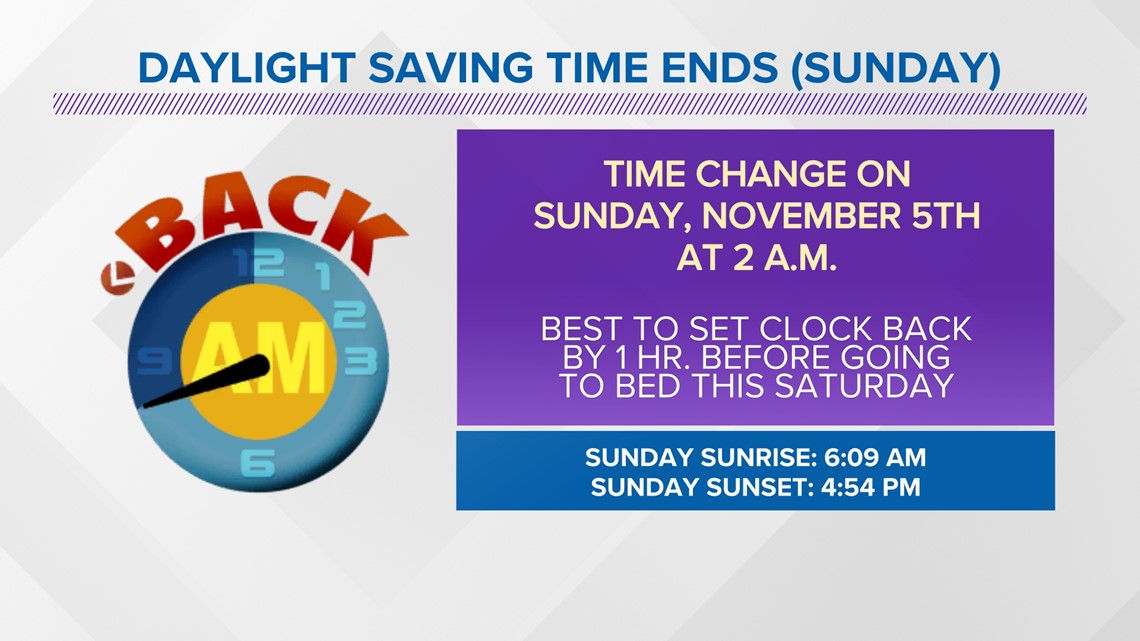
California first enacted Daylight Saving Time in 1949, a move that, like in many other states, was intended to align with national efforts to conserve energy. However, the adoption and adherence to DST in California have not always been a straightforward affair. Over the decades, the state has seen periods of observance, debate, and even attempts to opt out.
The federal Uniform Time Act of 1966 established a nationwide system for Daylight Saving Time, but it also allowed states to opt out. This provision has led to a patchwork of DST observance across the United States, with some states, like Arizona (with the exception of the Navajo Nation), choosing not to participate. For a significant period, California has remained a participant in the DST system.
The most recent significant legislative action concerning DST in California occurred in 2018, when Governor Jerry Brown signed Senate Bill 9. This bill sought to allow voters to decide whether California should permanently remain on Standard Time or switch to permanent Daylight Saving Time. However, for DST to be permanently adopted, federal law would need to change to allow states to observe DST year-round. As of now, federal law permits states to opt out of DST entirely or to observe it as currently practiced, meaning clocks spring forward and fall back. Without federal authorization, California cannot simply adopt permanent DST.
Therefore, the current framework dictates that California continues to observe DST according to the established federal schedule. This means that twice a year, the state’s clocks are adjusted, impacting everything from flight schedules to meeting times.
Navigating the Clock: When Does California Spring Forward and Fall Back?
The exact dates for the time change in California are synchronized with the national schedule set by the federal government. This uniformity is key to maintaining a cohesive temporal framework across the country, especially for interstate travel and commerce.
Spring Forward: The Beginning of Daylight Saving Time
In California, as in most of the United States, Daylight Saving Time begins on the second Sunday in March. On this day, at 2:00 AM local time, clocks are moved forward by one hour to 3:00 AM. This marks the official start of the period where daylight is extended into the evening hours.
For travelers heading to or from California, or within the state, this transition is important to note. A flight scheduled to land at 1:30 AM on the second Sunday in March will arrive at 2:30 AM Pacific Daylight Time. Conversely, a departure scheduled for 3:30 AM will now depart at 4:30 AM Pacific Daylight Time. This seemingly small hour shift can have a significant impact on pre-dawn or late-night travel plans, especially if connecting flights or onward transportation are involved. Hotels and accommodation providers in popular tourist destinations like Los Angeles, San Francisco, and the Napa Valley often send out reminders to guests about the upcoming time change to avoid confusion.
Fall Back: The End of Daylight Saving Time
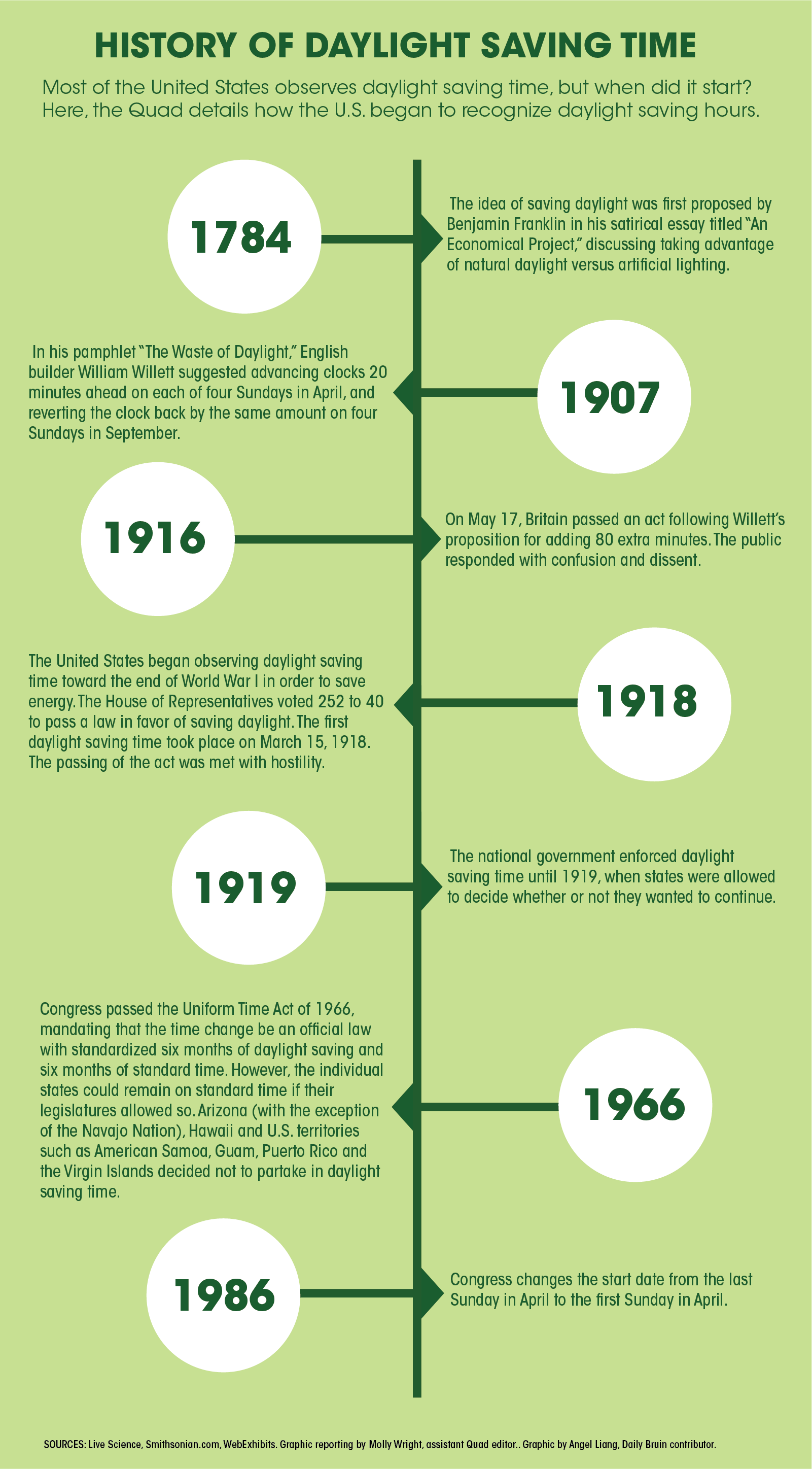
Conversely, Daylight Saving Time concludes on the first Sunday in November. On this day, at 2:00 AM local time, clocks are turned back by one hour to 1:00 AM. This signifies the return to Pacific Standard Time (PST) and the end of the period with extended evening daylight.
This “fall back” day offers an extra hour of sleep, a welcome respite for many. However, it also means that evenings will begin to get darker earlier. For businesses that operate on tight schedules, or for those planning evening activities such as attending a show at the Hollywood Bowl or enjoying a sunset hike in Yosemite National Park, the earlier onset of darkness becomes a consideration. Tour operators in regions like San Diego often adjust their sunset cruise timings accordingly.
The consistent dates for these transitions, second Sunday in March and first Sunday in November, provide a predictable rhythm. This predictability is invaluable for the tourism and hospitality sectors, allowing for advance planning of marketing campaigns, operational adjustments, and customer communications. Whether you’re booking a suite at the Ritz-Carlton, Half Moon Bay or planning a family trip to Disneyland, knowing these dates will help streamline your arrangements.
Implications for Travel and Lifestyle in California
The biannual time changes in California have tangible effects on various aspects of life, particularly for those engaged in travel, tourism, and leisure activities. Understanding these implications can help visitors and locals alike navigate the shifts with ease.
Seamless Travel Experiences: Planning Around the Clock Change
For the avid traveler, the DST shifts in California are a critical consideration when planning any journey. Whether you’re flying into San Francisco International Airport or driving down the scenic Pacific Coast Highway, aligning your itinerary with the time change is paramount.
Air Travel: Airlines adhere strictly to time zones and DST schedules. Passengers should double-check their flight times after the clock changes, especially for early morning or late-night flights. A flight that was scheduled for 7:00 PM Pacific Daylight Time on March 10th will be listed as 7:00 PM Pacific Standard Time on March 11th (the day after the “spring forward” would occur in a typical year where March 10th isn’t the second Sunday). Similarly, a flight on November 3rd at 10:00 PM PST will become 10:00 PM Pacific Daylight Time the following year. Websites like Google Flights and airline booking engines will automatically update to reflect the current time zone, but it’s always prudent to confirm.
Road Trips: For those embarking on a road trip, particularly along iconic routes like Highway 1, the time change can affect planned stops and arrival times at destinations. If you’re driving from Sacramento to Lake Tahoe, the hour shift will subtly alter your journey’s duration and the daylight available for scenic overlooks. Planning to check into your accommodation at the Fairmont San Francisco or a charming villa in Carmel-by-the-Sea? A quick check of the DST schedule will prevent any late-night arrival surprises.
Interstate and International Connections: California‘s DST observance impacts its connections with other states and countries. For instance, business meetings scheduled with entities in Arizona (which does not observe DST) or on the East Coast will need to account for the one-hour difference, which itself shifts by an hour when DST begins or ends in California. Understanding these temporal relationships is vital for international tourists visiting from time zones with different DST rules or none at all.
Lifestyle Adjustments: Embracing the Changing Daylight
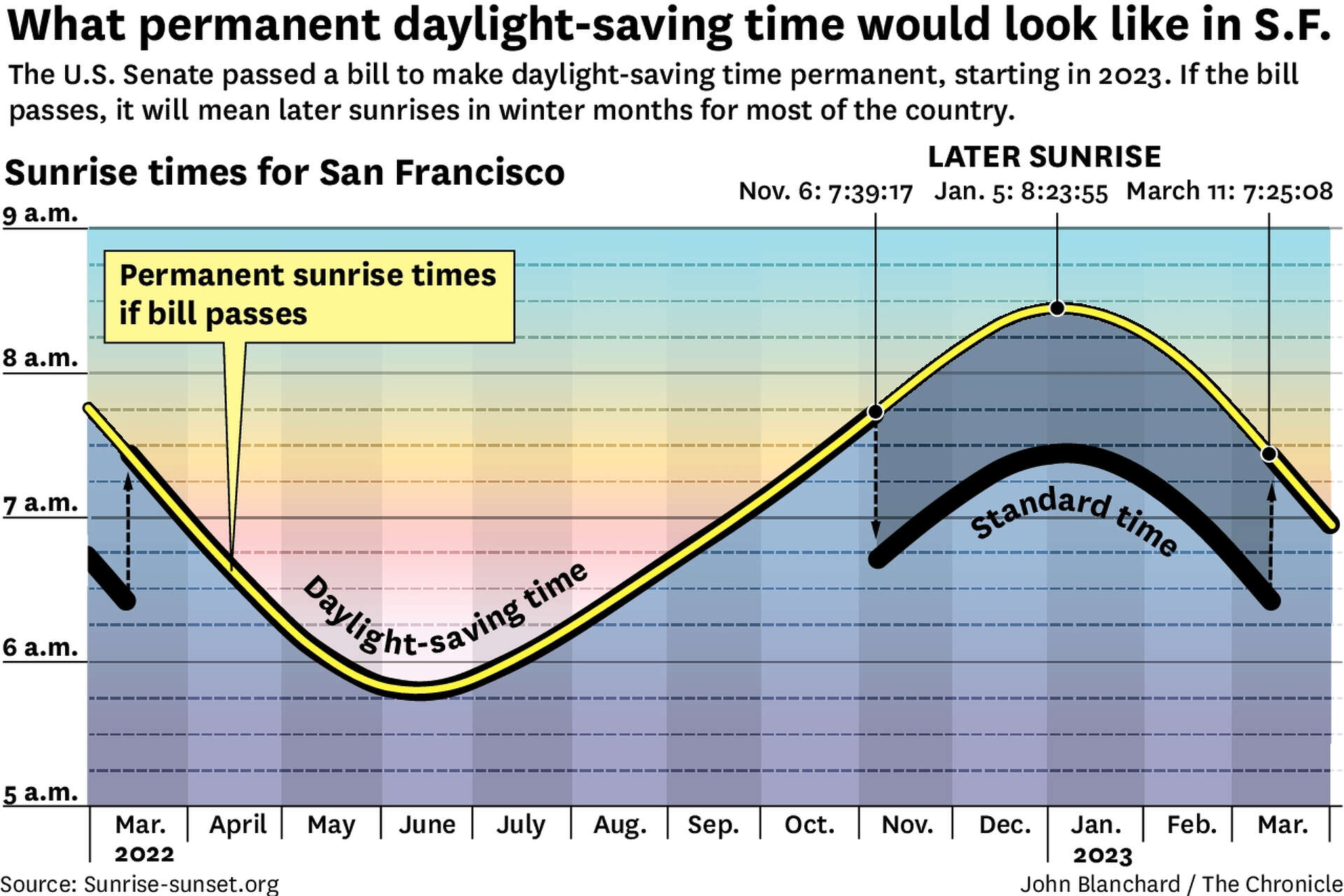
The rhythm of DST also influences lifestyle choices and recreational activities within California. The extended daylight in the summer months, a direct result of DST, allows for more outdoor pursuits and a generally more active evening lifestyle.
Outdoor Activities: Parks like Griffith Park in Los Angeles or the Golden Gate National Recreation Area near San Francisco see increased foot traffic in the evenings during DST. Hiking, cycling, and simply enjoying a picnic become more feasible as the sun sets later. This extended daylight is a boon for families looking to maximize outdoor playtime after school or work. For those seeking luxury travel experiences, a late afternoon round of golf at a prestigious resort such as the PGA West Golf Resort becomes more enjoyable.
Tourism and Local Culture: Many local festivals, concerts, and outdoor dining experiences in California are timed to take advantage of the longer daylight hours. The timing of events in vibrant cities like San Diego and the cultural hubs of Northern California are often implicitly structured around DST. When DST ends in November, and the days grow shorter, these activities might shift to earlier times or move indoors, reflecting a natural adaptation to the changing light. Food tours in Berkeley or vineyard visits in the Sonoma Valley can be planned to best capture the available daylight for scenic drives between locations.
Accommodation and Booking: Hotels and short-term rental platforms, from budget-friendly apartments to lavish resorts, often see booking patterns influenced by DST. Tourists planning trips during the DST period might favor accommodations with good access to outdoor attractions or those offering evening amenities that can be enjoyed in the extended light. Conversely, the period of Standard Time sees a gradual shift towards earlier evening activities. Reviewing accommodation options on sites that compare prices and amenities can help travelers find the perfect stay, regardless of the time of year and its temporal shifts.
Ultimately, while the clock changes in California might seem like a minor inconvenience, understanding their schedule and implications is key to a well-planned and enjoyable experience. Whether you’re a business traveler on an extended stay, a family on vacation, or a local resident, staying aware of when the time changes in California ensures that your plans align perfectly with the Golden State’s unique rhythm.
LifeOutOfTheBox is a participant in the Amazon Services LLC Associates Program, an affiliate advertising program designed to provide a means for sites to earn advertising fees by advertising and linking to Amazon.com. Amazon, the Amazon logo, AmazonSupply, and the AmazonSupply logo are trademarks of Amazon.com, Inc. or its affiliates. As an Amazon Associate we earn affiliate commissions from qualifying purchases.