
While the Golden State is more renowned for its sunshine, beaches, and majestic mountain ranges than for its stormy weather, California does experience tornadoes. Though infrequent and generally less powerful than those seen in America’s Tornado Alley, these atmospheric events are a fascinating, albeit rare, aspect of California’s climate. For travelers and residents alike, understanding the history and frequency of tornadoes in California can offer a unique perspective on the state’s diverse natural phenomena, enriching experiences related to its Landmarks and Lifestyle.
The Infrequent Fury: Understanding Tornadoes in California
California’s geographical positioning and its typical weather patterns contribute to its low tornado activity. Situated on the western edge of the continent, it is largely shielded from the clash of warm, moist air from the Gulf of Mexico and cool, dry air from Canada, a primary ingredient for supercell thunderstorms that spawn the most violent tornadoes in the central United States. Instead, California’s weather is heavily influenced by the Pacific Ocean, which tends to moderate temperatures and moisture levels. However, this doesn’t mean the state is entirely immune to the dramatic forces of nature.
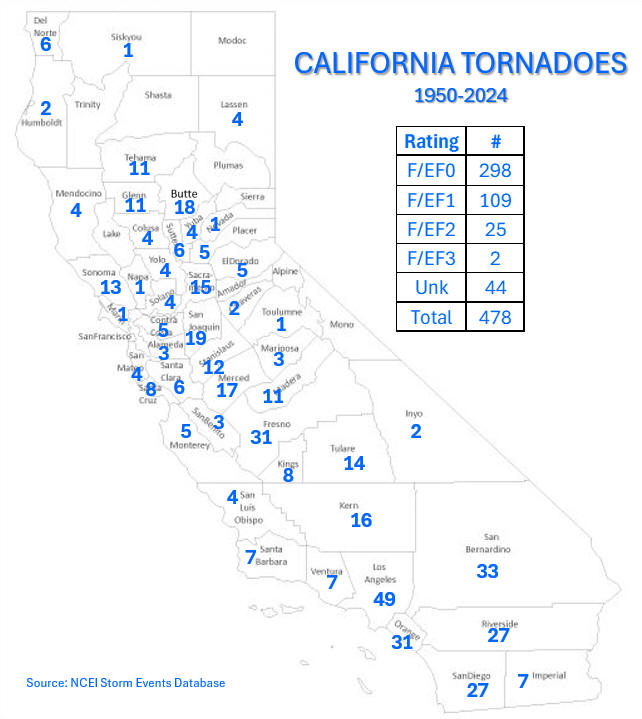
Types of Tornadoes and Their California Manifestations
The tornadoes that touch down in California are typically weaker, often classified as EF0 or EF1 on the Enhanced Fujita scale. These are usually landspouts or weak funnel clouds that may briefly touch the ground, causing localized damage. Unlike the massive, rotating supercells capable of devastating entire towns, California tornadoes are more commonly associated with pre-frontal thunderstorms or developing low-pressure systems that can create the necessary atmospheric instability.
- Landspouts: These are the most common type of tornado observed in California. They form when a pre-existing, weak vortex of air near the ground is stretched vertically by the updraft of a developing cumulus cloud. They do not require a supercell thunderstorm and are generally less intense.
- Weak Funnel Clouds: These are rotating columns of air extending from the base of a cloud, but they may not make contact with the ground, or if they do, the contact is brief and causes minimal damage.
While devastating tornadoes are not a characteristic feature of the Californian landscape, understanding their occurrence adds another layer to appreciating the state’s dynamic environment, much like exploring its diverse Attractions or planning Activities.
Tracing the History: Notable Tornado Events in California
While tornadoes are rare, California has had its share of documented tornado events that have left their mark. These occurrences, though few, are significant in the state’s meteorological history and offer insights into the conditions that can lead to such phenomena.
The Fresno Tornado of 1998: A Significant Event

One of the most significant and damaging tornadoes to strike California in recent memory occurred in Fresno on May 18, 1998. This powerful EF2 tornado carved a path of destruction through the heart of the city, impacting residential neighborhoods, businesses, and causing considerable damage. The tornado touched down in the early evening, catching many residents off guard. It tore roofs off houses, uprooted trees, and sent debris flying through the air. Power outages were widespread, and several people were injured, thankfully with no fatalities reported. This event served as a stark reminder that even states not known for tornadoes can experience their destructive power. The Fresno tornado highlighted the importance of tornado preparedness, even in areas where such events are infrequent. Travelers visiting Fresno today might find it interesting to learn about the resilience of the community in the face of this natural event, perhaps while exploring local Culture or visiting historical Landmarks.
Other Recorded Incidents
Beyond the Fresno tornado, there have been numerous other smaller tornado events recorded across California. These have often occurred in the Central Valley, where the flat terrain and atmospheric conditions can be conducive to their formation. For instance, Kern County has seen its share of tornado activity over the years. Smaller, often unconfirmed sightings or brief touchdowns are reported periodically, particularly during the spring and early summer months when the atmosphere is more volatile. These events, while not making national headlines, are part of the state’s meteorological record and contribute to the understanding of California’s weather patterns. The study of these events contributes to understanding the natural Nature of the state’s diverse landscapes.
Predicting and Preparing for California’s Rare Tornadoes
Given the infrequency of tornadoes in California, comprehensive tornado warning systems and widespread public preparedness campaigns might not be as robust as in tornado-prone regions. However, as the Fresno tornado demonstrated, preparedness is still crucial. Meteorologists monitor weather patterns closely, and when conditions are conducive to tornado formation, watches and warnings are issued.
Understanding Weather Alerts
For anyone traveling or residing in California, it’s advisable to stay informed about local weather forecasts. In the event of severe weather that could potentially spawn a tornado, understanding the difference between a Tornado Watch (conditions are favorable for tornadoes) and a Tornado Warning (a tornado has been spotted or indicated by radar) is vital. Local news channels, weather apps, and emergency alert systems are key resources. Planning Travel to or within California during the spring and early summer months might involve a quick check of the weather forecast.
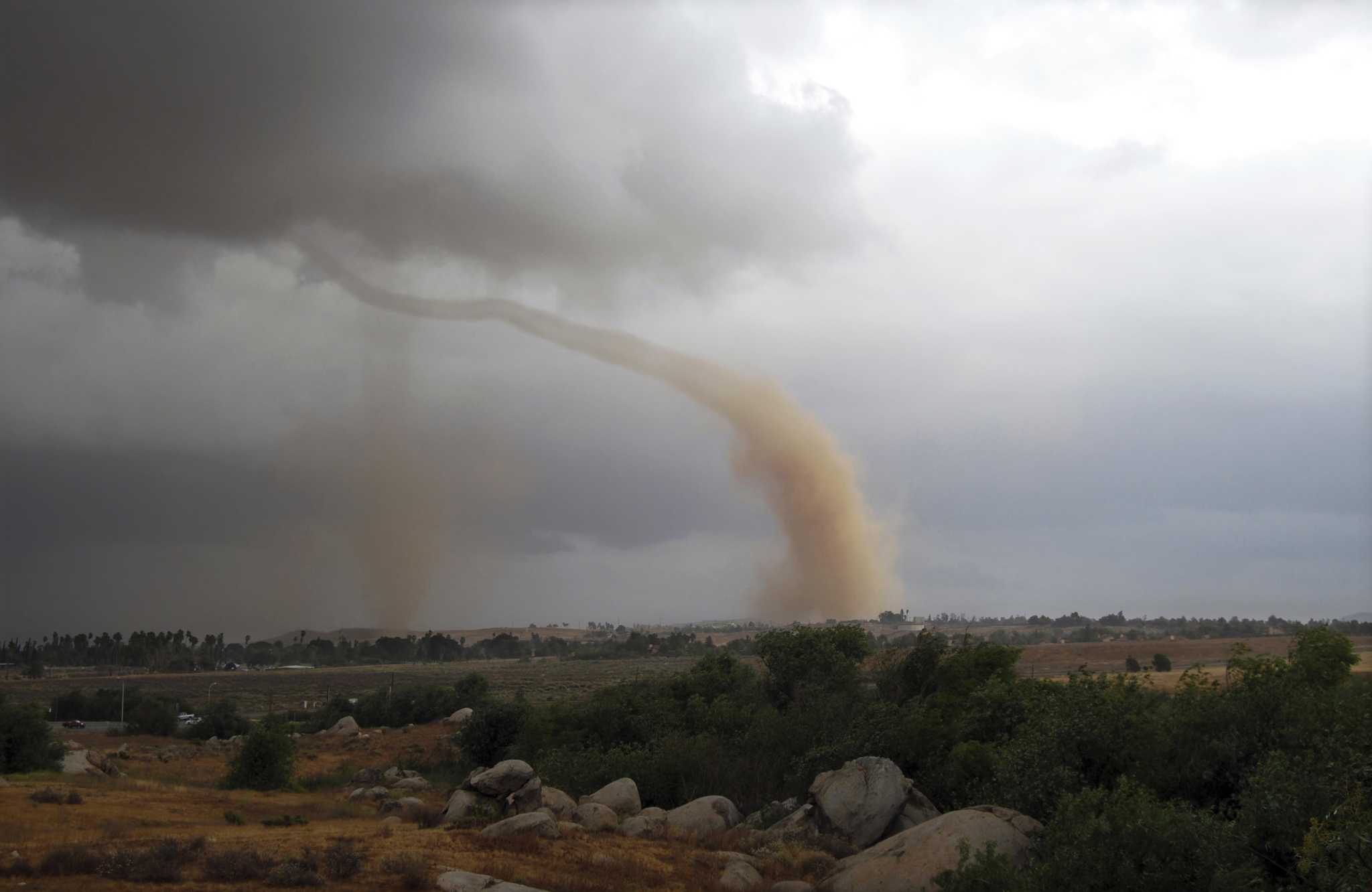
Safety Measures During a Tornado Threat
In the rare event of a tornado warning in California:
- Seek Shelter Immediately: The safest place to be is in a basement or an interior room on the lowest floor of a sturdy building, away from windows. Mobile homes and vehicles are not safe during a tornado.
- Stay Informed: Continue to monitor weather updates from a safe location.
- Be Aware of Your Surroundings: Even after a tornado has passed, be cautious of downed power lines, debris, and damaged structures.
For those considering Long-term Stays or exploring different Destinations within California, understanding these preparedness measures can contribute to a safer and more informed experience. While the likelihood of encountering a tornado is low, being prepared for any weather event is always a wise approach to enjoying the Lifestyle that California offers. The state’s Resorts and Hotels often have emergency protocols in place, which guests should familiarize themselves with. When planning Accommodation, it’s also worth considering the potential for severe weather, especially when booking during traditionally more active weather seasons. The Architecture of many buildings in California is designed to withstand seismic activity, but specific tornado precautions may vary. Understanding the Tips for staying safe during such rare events ensures that any visit to California, whether for Budget Travel or Luxury Travel, remains a memorable and positive experience. The focus remains on enjoying the unique Experiences and Attractions that California is celebrated for, while being mindful of its diverse natural phenomena.
LifeOutOfTheBox is a participant in the Amazon Services LLC Associates Program, an affiliate advertising program designed to provide a means for sites to earn advertising fees by advertising and linking to Amazon.com. Amazon, the Amazon logo, AmazonSupply, and the AmazonSupply logo are trademarks of Amazon.com, Inc. or its affiliates. As an Amazon Associate we earn affiliate commissions from qualifying purchases.