
The specter of wildfires is an increasingly familiar concern for anyone planning a trip to the Golden State. As the seasons shift and dry conditions prevail, understanding the current fire landscape in California becomes paramount for travelers, whether you’re seeking the glitz of Hollywood, the tranquility of a Napa Valley vineyard, or the majestic beauty of Yosemite National Park. This guide aims to equip you with the knowledge to navigate potential disruptions, ensuring your California adventure remains safe and enjoyable, while also highlighting how to support affected communities and find alternative experiences.
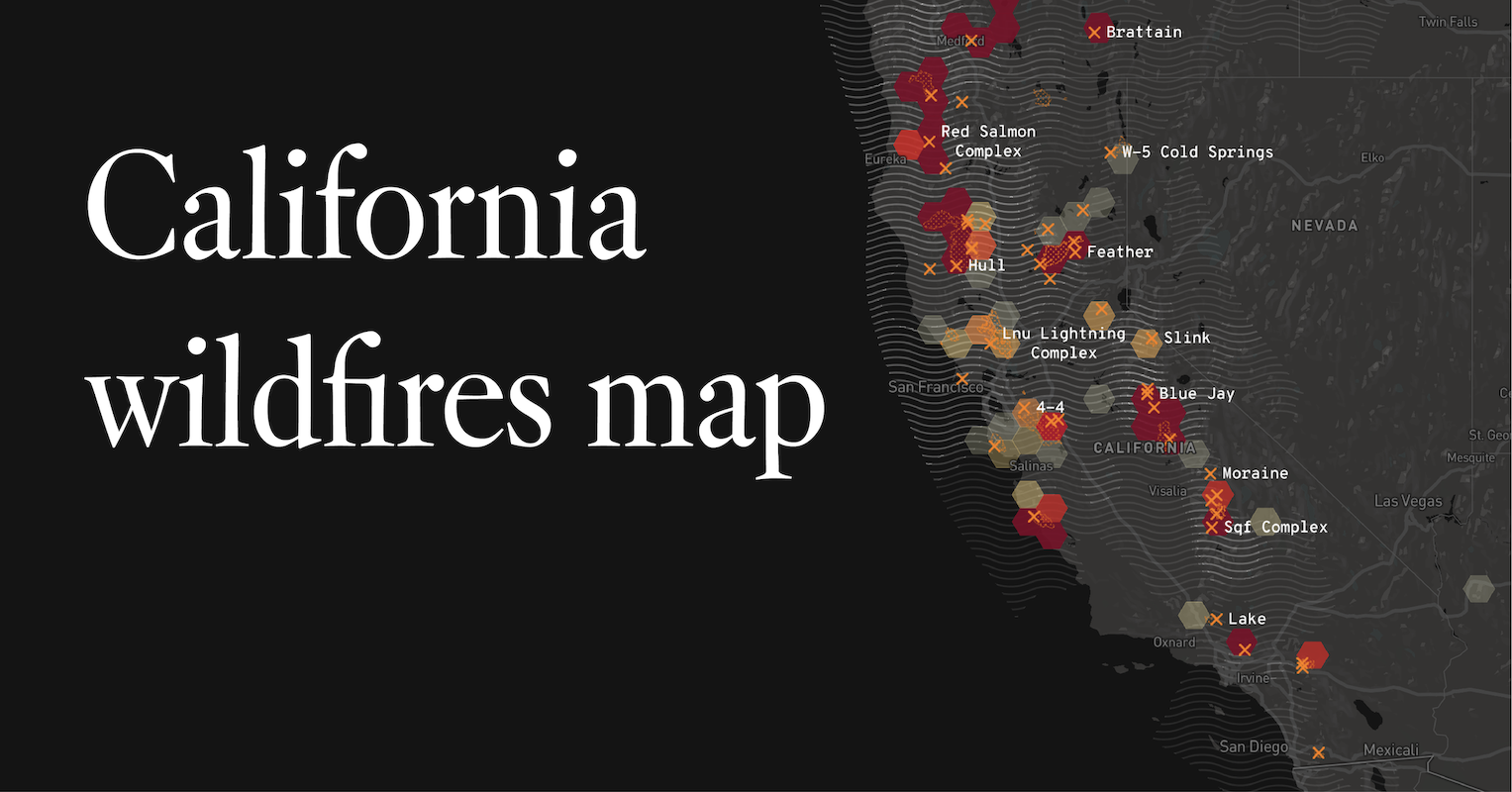
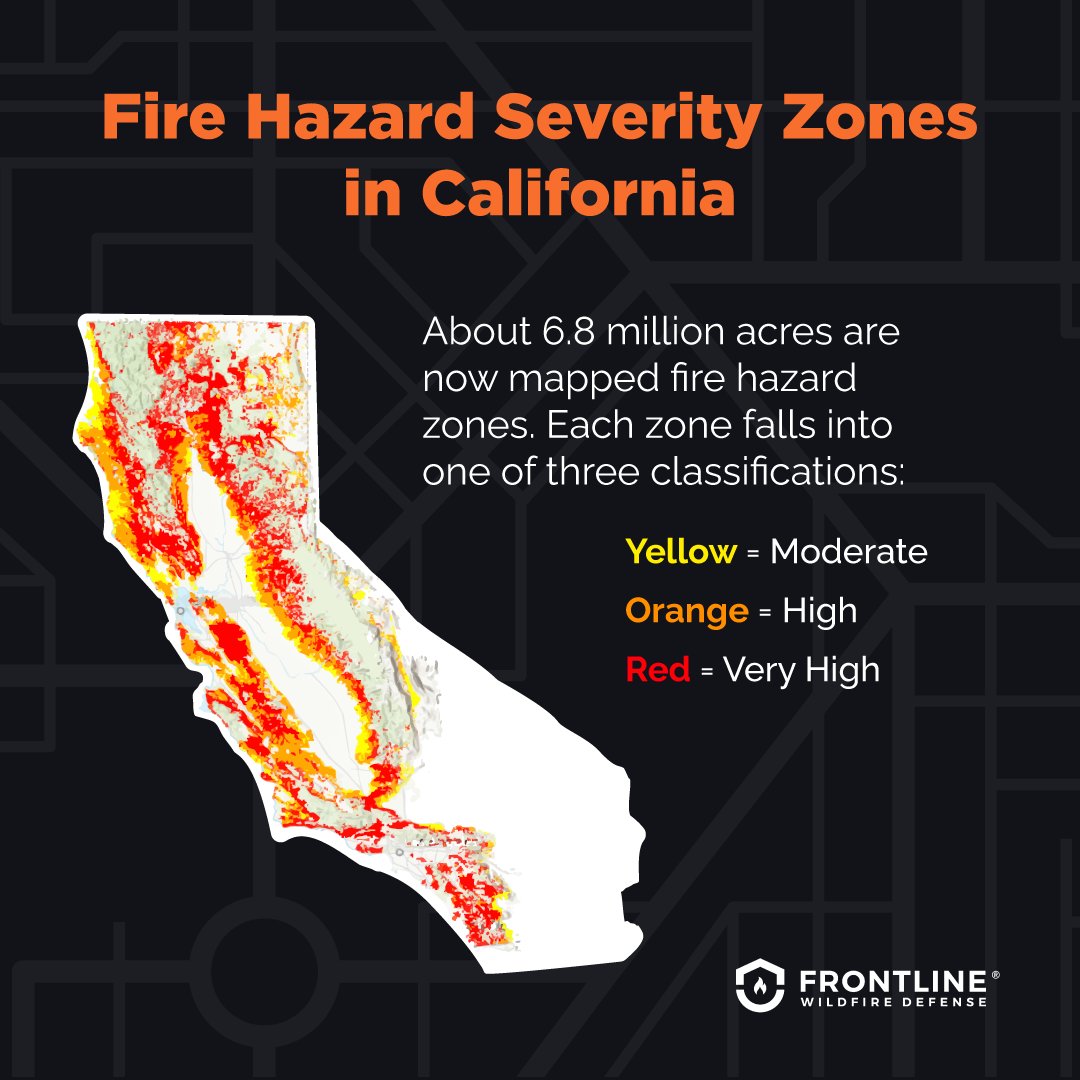
The state’s diverse topography, from its vast forests to its arid southern regions, creates a complex environment where wildfires can ignite and spread rapidly. California’s geography, marked by mountain ranges, coastal plains, and desert interiors, each presents unique challenges and fire behaviors. Understanding these geographical nuances can offer a broader perspective on where fires are most likely to occur and how they might impact different regions.
Understanding California’s Wildfire Landscape
California is prone to wildfires due to a combination of factors. A Mediterranean climate brings dry summers and mild, wet winters, leading to the accumulation of dry vegetation – the perfect fuel for fires. This natural fuel load is further exacerbated by periods of drought, which can leave forests and grasslands parched and highly susceptible to ignition. Human activities, from escaped campfires to electrical equipment malfunctions, are also significant contributors.
The timing of these fires is also critical. While the peak fire season typically runs from late spring through fall, particularly during the hot, dry summer months and into autumn when Santa Ana winds can whip through Southern California, ignitions can occur year-round. Understanding these seasonal patterns is key for travelers to gauge potential risks when booking trips.
Impact on Travel and Tourism
Wildfires have a profound impact on travel and tourism in California. Smoke plumes can travel hundreds, even thousands, of miles, degrading air quality and obscuring the breathtaking vistas that draw visitors. Air quality advisories can lead to the cancellation of outdoor activities, from hiking in national parks to attending outdoor concerts and festivals.
Furthermore, active fire incidents often lead to road closures, evacuations, and the temporary shutting down of attractions and national forests. This can necessitate last-minute itinerary changes, cancellations, and rerouting, causing significant inconvenience and financial loss for both travelers and businesses. The economic ripple effect on local communities, heavily reliant on tourism revenue, can be substantial. Hotels, restaurants, and small businesses often face decreased patronage during periods of high fire activity.
Real-Time Fire Information and Resources
Staying informed is the most crucial step in mitigating the impact of wildfires on your travel plans. California has several reliable sources for real-time information on fire incidents, evacuation orders, and air quality. Leveraging these resources allows for proactive decision-making and adjustments to your itinerary.
Monitoring Fire Activity
The California Department of Forestry and Fire Protection, also known as CalFire, is the primary state agency responsible for preventing and fighting wildfires. Their website and social media channels provide up-to-date information on active fires, including maps, containment status, and evacuation zones. Another invaluable resource is the National Interagency Fire Center (NIFC), which offers a national overview of fire activity.
For air quality monitoring, the California Air Resources Board (CARB) provides real-time air quality index (AQI) data across the state. This is essential for understanding the health risks associated with wildfire smoke and making informed decisions about outdoor activities. Websites and apps like AirNow also aggregate air quality data from various sources, offering a comprehensive view.
Evacuation Orders and Road Closures
When fires threaten populated areas, evacuation orders are issued by local authorities. It is imperative to heed these orders immediately for your safety. Information on evacuation zones and road closures is typically disseminated through local news outlets, emergency alert systems (like WEA – Wireless Emergency Alerts), and official county or city websites. Before traveling to a region, it is wise to familiarize yourself with how to sign up for local emergency alerts for that area.
Planning Your Trip: Strategies for Resilience
While wildfires present undeniable challenges, California remains a premier destination with a wealth of experiences to offer. With strategic planning and a flexible mindset, travelers can still enjoy the wonders of the state, even during fire season. This section offers practical advice for navigating potential disruptions and making the most of your trip.
Flexible Itineraries and Alternative Destinations
The key to a resilient travel plan is flexibility. Consider building some buffer days into your itinerary to accommodate potential unexpected changes. Have backup activities or alternative destinations in mind should your primary plans be affected by fires or smoke. For instance, if coastal fog is a concern, consider exploring inland attractions that might be less impacted.
If smoke is blanketing a particular region, shifting your focus to areas with clearer air can be a wise strategy. Many parts of California offer unique attractions. For example, if the Sierra Nevada mountains are experiencing poor air quality, you might pivot to the vineyards of Sonoma or the cultural attractions of San Francisco. The California coast, while sometimes affected by distant smoke, often offers cleaner air and stunning ocean views.
Supporting Local Businesses Amidst Challenges
Wildfires disproportionately impact local economies, especially those dependent on tourism. When planning your trip, consider how you can support businesses that may be struggling due to these events. This can involve choosing to stay at locally owned hotels or resorts, dining at independent restaurants, and purchasing souvenirs from local artisans. Even small gestures can make a significant difference.
Many communities have established recovery funds or ways for visitors to contribute to ongoing relief efforts. Researching these avenues before or during your trip can be a meaningful way to give back. Supporting businesses that have implemented fire-prevention measures or sustainable practices can also be a positive choice.
Embracing Indoor Attractions and Cultural Experiences
When outdoor activities are limited due to smoke or closures, California offers a wealth of indoor attractions. World-class museums, art galleries, theaters, and culinary experiences provide excellent alternatives. Los Angeles boasts renowned institutions like the Getty Center and the Los Angeles County Museum of Art (LACMA). San Francisco offers the California Academy of Sciences and the Exploratorium. Even smaller towns often have charming local museums and historical societies worth exploring.
The culinary scene across California is vibrant and diverse, offering a perfect refuge on smoky days. From Michelin-starred restaurants in San Francisco and Napa Valley to casual farm-to-table eateries in Ojai and the unique food trucks found throughout Los Angeles, there are endless gastronomic adventures to be had. Exploring local food markets and taking a cooking class can also be a rewarding way to spend time indoors.
Post-Fire Travel and Recovery
The impact of wildfires extends beyond the immediate blaze. The landscape can be dramatically altered, and the recovery process for affected communities is often long and arduous. Understanding the post-fire environment is important for responsible tourism.
Responsible Visitation and Environmental Respect
After a fire has passed through an area, it’s crucial for visitors to be mindful of the ongoing recovery efforts. Stick to designated trails and roads, as some areas may be unstable or ecologically sensitive. Avoid disturbing any signage or equipment related to fire suppression and recovery. Respecting the natural environment during this fragile period is paramount.
Many natural landmarks and protected areas, like Joshua Tree National Park or the Big Sur coastline, are resilient and begin to regenerate after fires. However, it’s essential to check with park authorities for the most up-to-date information on accessibility and any specific guidelines for visitors. The beauty of California‘s natural landscapes often returns, sometimes with new and unique ecological adaptations.

Supporting Long-Term Community Resilience
Long-term recovery for communities affected by wildfires involves rebuilding infrastructure, restoring natural habitats, and revitalizing local economies. As a traveler, you can contribute by continuing to patronize businesses in these areas once they have reopened and deemed safe for visitors.
Consider staying in accommodations that are locally owned and operated, or dining at restaurants that employ local residents. These businesses are the backbone of California’s communities, and your patronage directly contributes to their recovery and resilience. Volunteering with local organizations involved in reforestation or community rebuilding efforts, if opportunities arise and are well-organized, can also be a profound way to engage and give back.
In conclusion, while California wildfires present a significant challenge for travelers, preparedness, flexibility, and informed decision-making can ensure a rewarding and safe experience. By staying abreast of real-time information, planning with resilience in mind, and showing support for affected communities, you can continue to explore the diverse beauty and vibrant culture of the Golden State. The spirit of California is one of resilience, and by traveling thoughtfully, visitors can play a part in its ongoing recovery and continued prosperity.
LifeOutOfTheBox is a participant in the Amazon Services LLC Associates Program, an affiliate advertising program designed to provide a means for sites to earn advertising fees by advertising and linking to Amazon.com. Amazon, the Amazon logo, AmazonSupply, and the AmazonSupply logo are trademarks of Amazon.com, Inc. or its affiliates. As an Amazon Associate we earn affiliate commissions from qualifying purchases.