
The majesty of California is undeniable. From the sun-drenched beaches of Southern California to the towering redwood forests of the north, the state offers a kaleidoscope of natural wonders and vibrant cityscapes. Tourists flock to experience its diverse attractions, from the iconic Golden Gate Bridge in San Francisco to the thrill of theme parks in Los Angeles and the rugged beauty of Yosemite National Park. Visitors seek out unique accommodations, from luxurious resorts in Napa Valley to charming boutique hotels in San Diego, all while immersing themselves in the local culture, savoring the farm-to-table cuisine, and enjoying a myriad of outdoor activities. However, like a shadow cast over its otherwise idyllic image, the specter of wildfires is an increasing concern for residents and travelers alike. Understanding where these fires occur, their potential impact on travel plans, and how to stay informed is crucial for anyone planning a trip to the Golden State.
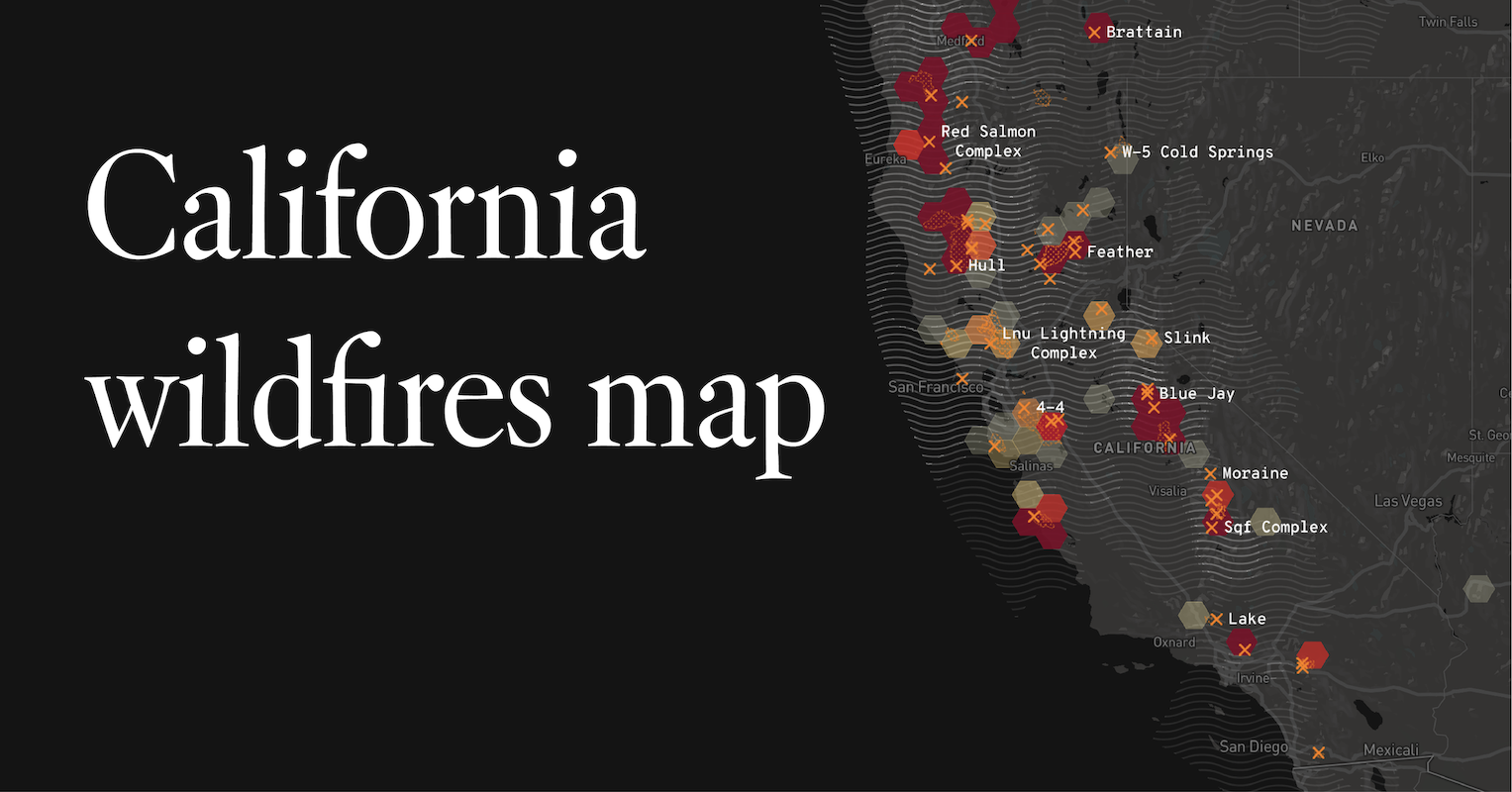
Understanding California’s Fire Ecology and High-Risk Zones
California’s natural environment, while stunning, is intrinsically linked to fire. For centuries, indigenous peoples have used fire as a tool to manage landscapes, promoting healthy ecosystems and preventing larger, more catastrophic blazes. This natural fire cycle is an integral part of the state’s biodiversity, particularly in its chaparral and forest ecosystems. However, a combination of factors has amplified the risk and intensity of wildfires in recent decades, making certain regions consistently more susceptible.
Factors Contributing to Increased Wildfire Risk
Several interconnected elements contribute to California‘s heightened wildfire risk. Climate change plays a significant role, leading to hotter, drier conditions and prolonged drought periods. This desiccates vegetation, transforming it into highly flammable fuel. For instance, the extended drought between 2012 and 2016 left vast swathes of the state parched, setting the stage for more intense fires.
Human activity is another major contributor. California‘s growing population means more people living in and near wildland areas, a phenomenon known as the wildland-urban interface (WUI). This increases the likelihood of human-caused ignitions, whether from unattended campfires, discarded cigarettes, faulty power lines, or equipment use. The Pacific Gas and Electric Company (PG&E), for example, has faced scrutiny and legal battles regarding the role of its equipment in igniting devastating fires, such as the Camp Fire in 2018, which destroyed the town of Paradise.
Furthermore, changes in land management practices over time, including historical fire suppression efforts, have led to an accumulation of dense undergrowth and dead vegetation in many areas. This excess fuel allows fires to spread more rapidly and burn with greater intensity when they do ignite.
Identifying California’s Wildfire Hotspots
While wildfires can occur anywhere in California, certain geographical areas are consistently identified as high-risk zones. These areas often share characteristics like dense vegetation, steep terrain, and proximity to human development.
Southern California’s Chaparral Country
The vast, arid mountain ranges and foothills of Southern California, particularly those bordering sprawling urban areas like Los Angeles, Orange County, and San Diego County, are perennial hotspots. These regions are dominated by chaparral, a dense, flammable shrubland ecosystem that thrives in California‘s Mediterranean climate. During the hot, dry Santa Ana winds that blow from the desert in the fall and winter, fires can spread with explosive speed across these landscapes. Iconic destinations like Griffith Observatory in Los Angeles have, at times, faced the threat of encroaching flames. Areas like Malibu, with its expensive homes nestled in canyons, have tragically experienced severe destruction from wildfires.
The Sierra Nevada and Northern California Forests
The Sierra Nevada mountain range, home to majestic Yosemite National Park and Lake Tahoe, is another critical fire-prone region. The extensive coniferous forests, while beautiful, can become tinderboxes when dry. Decades of fire suppression have led to unnaturally dense forests with a significant build-up of dead trees and underbrush. This creates conditions ripe for high-intensity crown fires that can spread quickly through the canopy. Historically, areas like Shasta County and Butte County have seen some of the state’s most destructive wildfires. The Dixie Fire in 2021, which burned over 960,000 acres across multiple counties, is a stark reminder of the destructive potential of fires in Northern California.
Coastal Ranges and Inland Valleys
The California Coast Ranges, stretching from north to south, also experience significant wildfire activity. These rugged hills, often covered in a mix of chaparral and forests, are susceptible to ignition, particularly during dry periods. Inland valleys, especially those with agricultural components, can also see fires that spread from dry grasses and fields.
Impact on Travel and Tourism in California
Wildfires in California can have a profound impact on travel and tourism, the state’s vital economic engine. The allure of California lies in its natural beauty and recreational opportunities, all of which can be directly threatened by fire.
Travel Disruptions and Safety Concerns
The most immediate impact of wildfires on travelers is disruption. Road closures are common, affecting access to popular destinations. California‘s extensive freeway system, including major arteries like Interstate 5 and State Route 1, can be shut down for days or even weeks, stranding travelers and forcing detours. This can lead to missed flights, canceled hotel reservations, and a general sense of uncertainty for those planning a trip.
Air quality is another significant concern. Wildfire smoke can travel hundreds, even thousands, of miles, blanketing entire regions in a hazy, unhealthy atmosphere. This can cancel outdoor activities, obscure scenic views, and pose health risks, particularly for individuals with respiratory conditions. Popular tourist activities, such as hiking in Big Basin Redwoods State Park or visiting vineyards in Sonoma County, might be curtailed or canceled due to smoke.
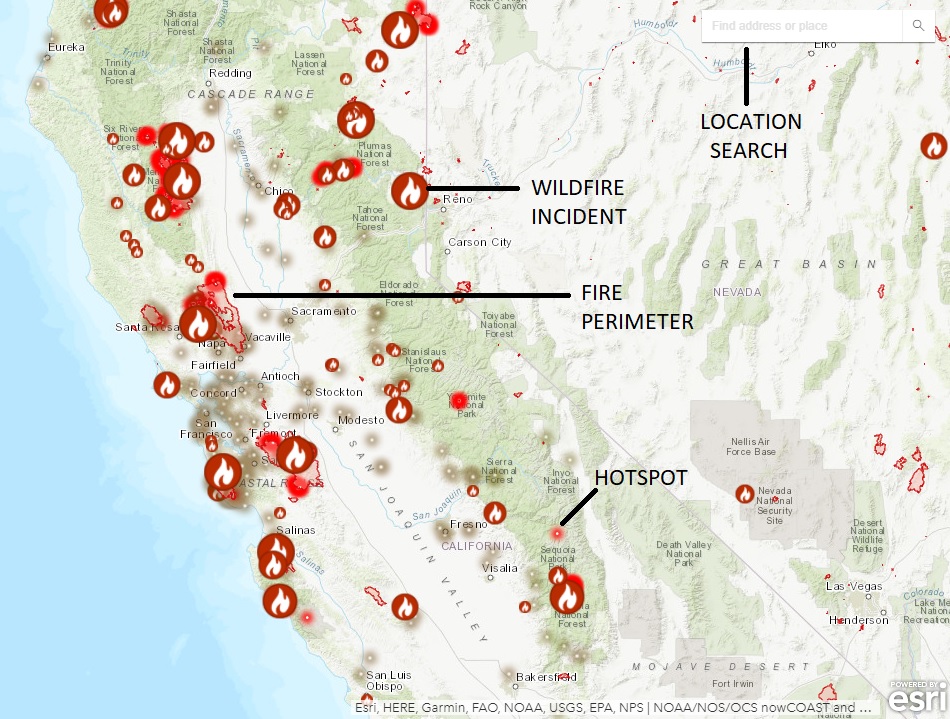
Safety is paramount. Evacuation orders are issued when fires threaten populated areas, including tourist accommodations and attractions. Travelers caught in or near an evacuation zone may need to leave their belongings behind and follow emergency personnel instructions. The National Park Service often closes access to parks like Sequoia National Park or Kings Canyon National Park during active fire events.
Economic Repercussions for Tourism Businesses
The economic impact on California‘s tourism industry can be severe. Hotels, resorts, restaurants, and tour operators in affected areas often experience a sharp decline in bookings and revenue. Cancellations can cascade, leaving businesses struggling to stay afloat. The perception of California as a fire-prone state can also deter future bookings, even in areas not directly impacted by recent fires. Businesses that depend on outdoor activities, such as surf schools in Santa Cruz or wine tours in Paso Robles, are particularly vulnerable. The recovery process for these communities can be long and arduous, with businesses needing to rebuild not only their physical structures but also their customer confidence.
Adapting Travel Plans and Staying Informed
For travelers, adapting plans and staying informed is crucial when visiting California during fire season, which generally spans from late spring through fall.
Resources for Real-Time Information
Numerous resources are available to help travelers stay informed about current wildfire conditions. The California Department of Forestry and Fire Protection (CAL FIRE) provides up-to-date information on active fires, evacuation orders, and road closures on its website and social media channels. Websites and apps like Watch Duty are invaluable for real-time, crowdsourced wildfire alerts. The National Interagency Fire Center (NIFC) also offers national fire information. Local news outlets and emergency management agency websites for specific counties are also excellent sources.
Flexible Itineraries and Contingency Planning
Travelers should consider building flexibility into their itineraries. Having alternative activities or destinations in mind in case an area becomes inaccessible or unsafe due to fire is a wise precaution. For example, if planned hiking in the Santa Monica Mountains is impossible due to smoke or closures, having a backup plan for visiting a museum in Pasadena or exploring Santa Barbara could salvage a trip. Travel insurance that covers cancellations due to natural disasters can also provide peace of mind.
Choosing Accommodation Wisely
When booking accommodation, travelers might consider locations that are less prone to immediate wildfire threats, such as coastal areas or larger urban centers away from dense wildlands. However, it’s important to remember that smoke can travel far. Researching the specific area of your intended stay and checking for any active advisories is always recommended. Many hotels, from budget-friendly motels in Fresno to luxury suites in Beverly Hills, are accustomed to providing guests with information regarding local conditions.
Planning Your California Adventure Safely Amidst Wildfire Risks
California remains an unparalleled destination, offering a wealth of experiences for every type of traveler. The beauty of its national parks, the vibrant energy of its cities, and the diverse cultural tapestry make it a must-visit. While wildfire risks are a reality, proactive planning and staying informed can ensure a safe and enjoyable adventure.
Embracing the Outdoors Responsibly
California‘s natural wonders, from the giant sequoias in Sequoia National Park to the dramatic coastline along Highway 1, are a major draw. Responsible outdoor recreation is key to minimizing human-caused ignitions. This includes strictly adhering to campfire regulations, properly disposing of cigarettes, ensuring vehicles are well-maintained to prevent sparks, and avoiding activities that could potentially start a fire during high-risk periods. Many parks and recreational areas have specific fire restrictions in place, especially during dry months. Respecting these rules helps protect the very landscapes that draw visitors.
Understanding Fire Season and Travel Timing
California‘s fire season is becoming more pronounced and extended. While historically it was more concentrated in the summer and fall, the risk can now be present year-round in some regions. Travelers should be aware of the general fire season patterns when planning their trips. If traveling during peak fire season, especially to known high-risk areas like the foothills of Los Angeles or the forests of Northern California, extra vigilance and preparation are advised. Exploring attractions in the spring or early summer, when vegetation is greener and humidity is higher, might offer a slightly lower risk profile, though not a complete absence of danger.

How Accommodation Providers Are Responding
Many hotels and accommodation providers across California are increasingly aware of the wildfire risks and are taking steps to ensure guest safety and preparedness. This includes:
- Emergency Preparedness Plans: Hotels have updated emergency plans that often include evacuation procedures, communication protocols with local authorities, and staff training.
- Guest Information: Many establishments now provide guests with information on local fire conditions, safety tips, and evacuation routes upon check-in, especially during fire season.
- Air Filtration: Some luxury resorts and hotels have invested in advanced air filtration systems to improve indoor air quality during periods of heavy smoke.
- Flexible Cancellation Policies: In response to wildfire disruptions, some hotels may offer more flexible cancellation policies, allowing guests to rebook or cancel without penalty if travel becomes impossible or unsafe due to fire activity. This is particularly true for properties in areas that have recently experienced significant fire events.
By understanding where California wildfires are most likely to occur, the factors that contribute to their intensity, and the potential impacts on travel, visitors can better prepare for their trips. The allure of California’s diverse landscapes and experiences remains, and with careful planning, travelers can continue to explore its wonders safely and responsibly, enjoying everything from the bustling streets of San Francisco to the serene beauty of Big Sur, while remaining mindful of the natural forces that shape this magnificent state.
LifeOutOfTheBox is a participant in the Amazon Services LLC Associates Program, an affiliate advertising program designed to provide a means for sites to earn advertising fees by advertising and linking to Amazon.com. Amazon, the Amazon logo, AmazonSupply, and the AmazonSupply logo are trademarks of Amazon.com, Inc. or its affiliates. As an Amazon Associate we earn affiliate commissions from qualifying purchases.