
California, a state synonymous with breathtaking natural beauty, from its sun-drenched beaches to its towering redwood forests and majestic mountain ranges, is also, unfortunately, a state that experiences significant wildfire activity. For travelers planning a trip, or residents looking for updated information, understanding the current wildfire situation is paramount. This guide aims to provide a clear overview of where forest fires are currently impacting California, offering insights for those seeking to navigate or avoid affected areas, and highlighting the importance of responsible travel in this ecologically diverse landscape.
Understanding California’s Wildfire Landscape
California’s vast and varied geography, coupled with its climate, creates a complex environment where wildfires are a recurring, and often intensifying, concern. The state’s Mediterranean climate, characterized by hot, dry summers and mild, wet winters, sets the stage. During the dry season, vegetation becomes highly flammable, creating prime conditions for fires to ignite and spread rapidly. Factors such as drought, high winds, and human activity all contribute to the frequency and severity of these events.
The Role of Climate and Geography
The diverse topography of California plays a crucial role in wildfire behavior. Coastal regions, while often experiencing fog, can still be susceptible, particularly in areas with chaparral vegetation. Inland, the mountainous regions, such as the Sierra Nevada, are home to vast coniferous forests that can burn intensely during dry periods. The dry, chaparral-covered hillsides of Southern California are also notorious for their susceptibility to Santa Ana winds, which can fan flames with terrifying speed. The Great Basin Desert, though arid, can also experience wildfires in its scrub and grassland ecosystems. Understanding these geographical nuances helps in grasping why certain areas are more prone to fires than others.
Human Impact and Prevention Efforts
While natural causes like lightning strikes do initiate fires, a significant percentage are caused by human activity. Campfires left unattended, discarded cigarettes, sparks from vehicles, and electrical equipment malfunctions are all common ignition sources. In response, California has implemented extensive fire prevention strategies, including prescribed burns to reduce fuel loads, public education campaigns about fire safety, and strict regulations on outdoor activities during high-risk periods. The efforts of organizations like Cal Fire and the U.S. Forest Service are critical in monitoring, preventing, and combating these fires.
Current Wildfire Status and Monitoring
Staying informed about the current wildfire situation is essential for anyone living in or traveling to California. The dynamic nature of these events means that information can change rapidly. Fortunately, several reliable resources are available to provide up-to-date data.
Real-Time Fire Mapping and Information
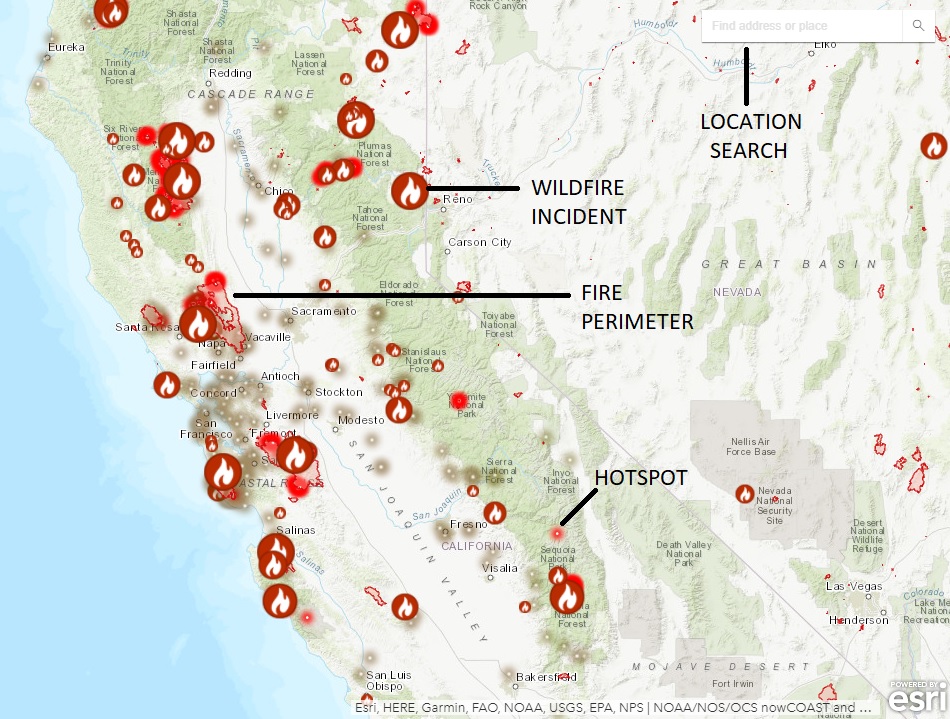
The most crucial tool for understanding where forest fires are located is real-time fire mapping. Websites and applications dedicated to tracking wildfires provide crucial information, including the location, size, containment percentage, and predicted behavior of active fires. These platforms often integrate data from satellite imagery, aerial reconnaissance, and ground reports.
Key resources for real-time fire information include:
- Cal Fire’s Incident Information: Cal Fire provides detailed reports and interactive maps of significant fire incidents across the state. This is often the first stop for official updates on fires affecting state and federal lands.
- National Interagency Fire Center (NIFC): The NIFC offers a national perspective on wildfire activity, including significant fires in California. Their maps and reports are invaluable for a broader understanding of the situation.
- GeoMAC Wildland Fire Information: This site offers a comprehensive collection of fire maps and data from various sources, providing a detailed view of active wildfires.
- Google Crisis Response: Google’s crisis map often aggregates information from official sources, displaying fire perimeters and related alerts directly on its mapping platform.
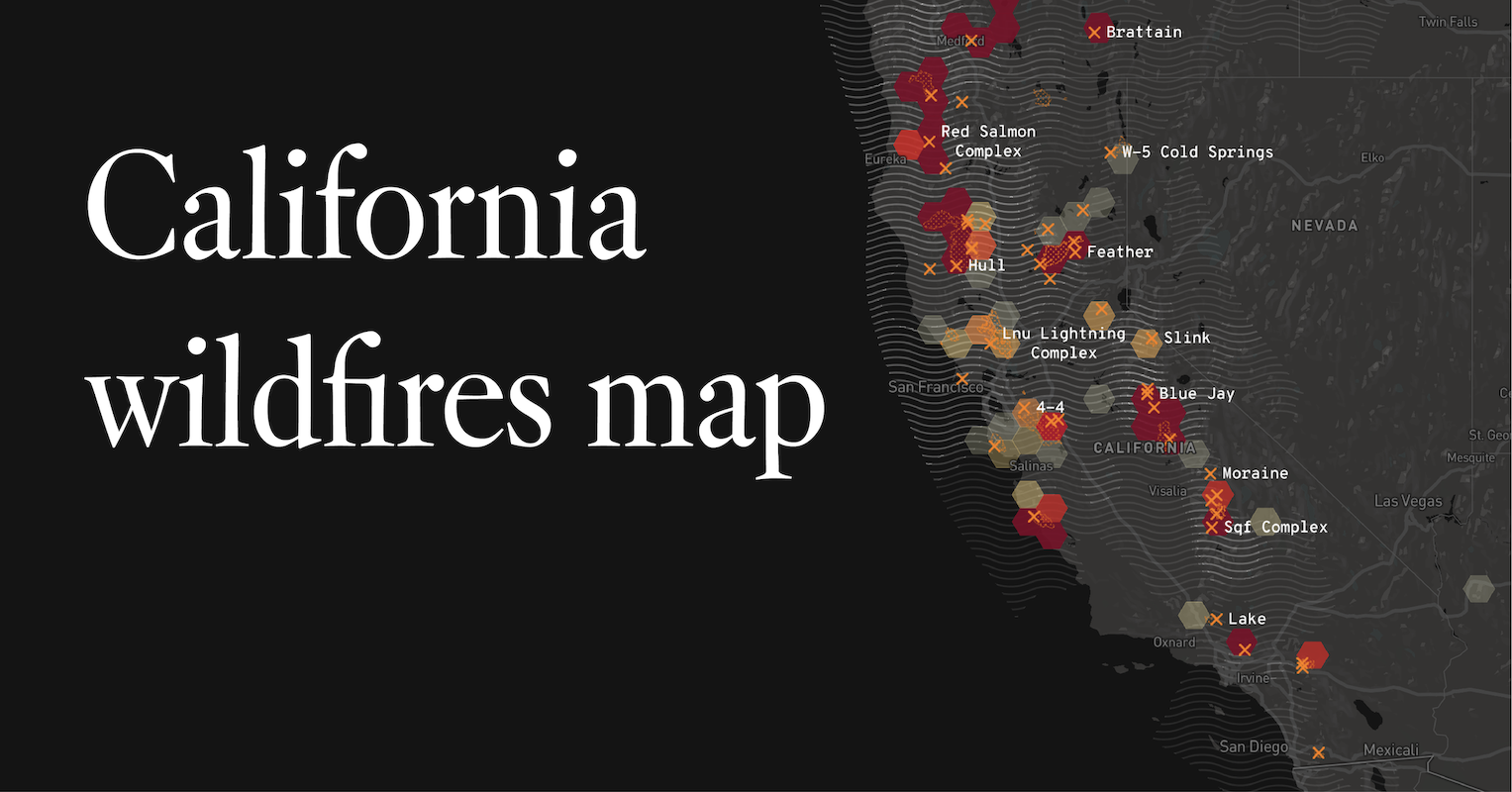
These resources allow individuals to visualize the extent of fires and understand which regions are currently experiencing the most significant impact. For example, a user might see that fires are currently concentrated in the Sierra Nevada foothills or along the coastal ranges of Southern California.
Understanding Fire Severity and Impact
It’s important to differentiate between different types of fire activity. Not all fires are catastrophic. Some are small, quickly contained incidents, while others can grow into large, complex fires that pose significant threats to communities and natural resources. When assessing the impact, consider:
- Size and Containment: The acreage burned and the percentage of the fire that is contained provide an indication of its current status and the resources being deployed to control it.
- Proximity to Communities: Fires located near or threatening inhabited areas will have a higher immediate impact on travel and local tourism.
- Air Quality: Even fires that are not in your immediate vicinity can significantly affect air quality due to smoke. Air quality indexes (AQI) are crucial for understanding health risks and visibility for travel. Websites like AirNow.gov provide real-time AQI data.

Navigating Travel and Tourism Amidst Wildfires
California’s allure as a travel destination is undeniable, drawing visitors to its national parks, beaches, and vibrant cities. However, wildfire activity can significantly alter travel plans, impacting access to attractions and the overall travel experience.
Impact on National Parks and Recreational Areas
Many of California’s most iconic natural landmarks are located within its vast network of national and state parks. These areas are often the most susceptible to wildfire impacts.
- Yosemite National Park: Known for its granite cliffs and giant sequoia groves, Yosemite can be directly affected by fires in the surrounding Sierra Nevada. Road closures, limited access to certain areas, and smoke plumes can disrupt visitor experiences.
- Sequoia and Kings Canyon National Parks: These parks, home to the world’s largest trees, are particularly vulnerable. Historically, fires have impacted these groves, leading to closures and safety concerns.
- Los Padres National Forest: This expansive forest in Southern California, stretching from near Los Angeles to the central coast, frequently experiences wildfires, impacting hiking trails, campgrounds, and access to areas like Big Sur.
- Lake Tahoe Basin: The pristine waters and surrounding forests of Lake Tahoe are at risk. Smoke from nearby fires can drastically reduce visibility, impacting the enjoyment of scenic drives and lake activities.
Travelers planning to visit these areas should always check the official websites of the parks and forests they intend to visit for the latest information on closures, advisories, and conditions.
Air Quality and Health Considerations
Wildfire smoke is a significant concern that extends far beyond the immediate fire perimeter. Fine particulate matter in smoke can travel hundreds of miles, degrading air quality and posing health risks.
- Respiratory Issues: Smoke inhalation can exacerbate pre-existing respiratory conditions like asthma and bronchitis, and can cause irritation to the eyes, nose, and throat for anyone.
- Visibility: Heavy smoke can reduce visibility to near zero, making driving hazardous and impacting flights. Airports may experience delays or cancellations.
- Travel Advisories: Public health departments often issue air quality advisories, recommending that people limit outdoor activity during periods of poor air quality.
When planning a trip, it’s advisable to check the AQI for your intended destination and any transit routes. If air quality is poor, consider adjusting your itinerary, focusing on indoor activities, or postponing your trip.
Planning Your California Adventure Responsibly
California’s beauty is a precious resource, and enjoying it comes with the responsibility of being aware of and respecting the natural environment, especially in the face of wildfire risks.
Staying Informed and Flexible
The key to a successful trip to California, particularly during wildfire season (typically late spring through fall), is to remain informed and flexible.
- Pre-Trip Research: Before booking any accommodation, such as a stay at the luxurious Ritz-Carlton Bacara, Santa Barbara, or a family-friendly resort in Anaheim, research the current fire activity in the region.
- Monitor During Your Trip: Utilize the real-time resources mentioned earlier to stay updated on any developing situations that might affect your plans.
- Have Backup Plans: If a planned destination is affected by fires, have alternative attractions or regions in mind. California is a large state with diverse offerings, from the vineyards of Napa Valley to the urban attractions of San Francisco.
Supporting Fire Prevention and Recovery
Beyond personal travel planning, there are ways to support broader efforts related to wildfires.
- Responsible Recreation: Adhere strictly to fire restrictions in forests and parks. Never leave campfires unattended and ensure they are completely extinguished.
- Support Local Communities: If a community has been impacted by fires, consider visiting once it’s safe to do so. Your tourism dollars can be vital for their recovery.
- Donations: Consider donating to reputable organizations that provide relief and support to firefighters and communities affected by wildfires.
California’s landscapes are resilient, and its communities are strong. By staying informed, planning wisely, and traveling responsibly, visitors can continue to experience the wonders of the Golden State while respecting the challenges it faces. The question “Where are the forest fires in California?” is not just about current locations, but also about fostering a deeper understanding and appreciation for the delicate balance of its natural environment.
LifeOutOfTheBox is a participant in the Amazon Services LLC Associates Program, an affiliate advertising program designed to provide a means for sites to earn advertising fees by advertising and linking to Amazon.com. Amazon, the Amazon logo, AmazonSupply, and the AmazonSupply logo are trademarks of Amazon.com, Inc. or its affiliates. As an Amazon Associate we earn affiliate commissions from qualifying purchases.