
The devastating wildfires that periodically sweep across the vast and varied landscapes of California are a stark reminder of the delicate balance between human activity and the natural world. These infernos not only threaten lives and livelihoods but also leave an indelible mark on the state’s iconic scenery, impacting everything from the majestic redwood forests to the charming coastal towns. For travelers, residents, and those with a keen interest in the Golden State, understanding the origins of these fires is crucial, not just for immediate safety concerns but also for comprehending the broader environmental and logistical challenges they present.
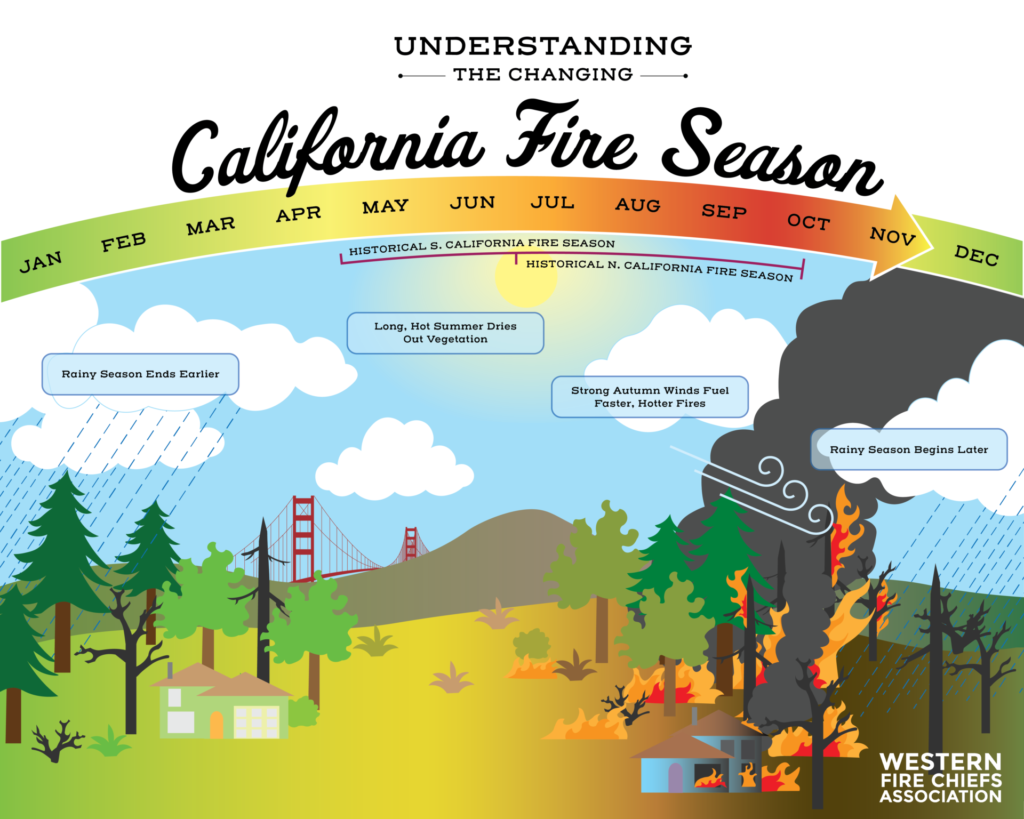
The question, “Where did the California fire start?” is rarely a simple one with a single, definitive answer that applies to every blaze. Wildfires are complex events, born from a confluence of natural factors and, often, human intervention. The ignition point can be the result of lightning striking dry tinder, a carelessly discarded cigarette, faulty power lines, or even arson. Pinpointing the exact origin is a primary objective for fire investigators, as it informs containment strategies, determines accountability, and aids in developing preventative measures for future incidents.
This article delves into the typical causes and origins of California wildfires, exploring the environmental conditions that make the state so susceptible, and touching upon how these events can impact travel and tourism, a significant industry within California. We will examine the role of weather patterns, vegetation, and human actions in sparking these conflagrations, and consider the implications for planning visits to popular destinations.
Understanding the Ignition: Common Causes of California Wildfires
The genesis of a California wildfire is often a combination of ignition sources and favorable environmental conditions. Understanding these elements is key to appreciating the scale of the challenge in preventing and combating these fires.
Natural Ignitions: Lightning’s Fiery Touch
While less common than human-caused ignitions in California, lightning strikes remain a significant natural cause of wildfires, particularly in remote, undeveloped areas. Dry thunderstorms, characterized by lightning without substantial rainfall, are especially dangerous. The intense heat of a lightning strike can easily ignite dry vegetation, and without rain to dampen the surrounding area, a small spark can rapidly escalate into a full-blown inferno. These naturally occurring fires, especially those in wilderness areas, are sometimes allowed to burn if they pose no immediate threat to human life or property, serving a natural ecological role in clearing out underbrush and promoting new growth. However, the increasingly dry conditions due to climate change and prolonged droughts mean that even these “natural” fires can quickly become uncontrollable. Areas like the Sierra Nevada mountains are particularly prone to lightning-induced fires due to their vast expanses of often dry forest.
Human-Caused Ignitions: A Widespread Threat
The overwhelming majority of California wildfires are, unfortunately, human-caused. These can range from accidental incidents to deliberate acts of arson.
Accidental Ignitions: Everyday Risks
- Electrical Equipment: Faulty power lines, malfunctioning transformers, and sparks from electrical equipment are a leading cause of devastating wildfires in California. Utility companies, such as Pacific Gas and Electric (PG&E), have faced immense scrutiny and legal repercussions for fires attributed to their infrastructure. High winds can cause power lines to sway, touch, or break, generating sparks that can ignite dry grass and brush. In response to these risks, utility companies have implemented strategies like Public Safety Power Shutoffs (PSPS) during periods of high fire danger, which, while controversial for disrupting daily life and business, are aimed at preventing ignitions.
- Campfires and Debris Burning: Unattended campfires and improper disposal of embers are significant culprits, especially in popular camping and recreational areas. Similarly, burning debris in backyards without proper precautions can easily spread out of control, particularly on windy days. Fire restrictions are often in place during dry seasons, prohibiting open fires in many locations.
- Vehicles and Equipment: Hot exhaust systems on vehicles, sparks from machinery like lawnmowers or chainsaws, and dragging trailer chains can all ignite dry vegetation. Parking vehicles on dry grass is a common oversight with potentially catastrophic consequences.
- Smoking: Discarded cigarettes, even those that appear to be fully extinguished, can smolder and eventually ignite dry fuel, especially in areas with ample flammable vegetation.
Arson: A Deliberate Act of Destruction
While less frequent than accidental ignitions, arson remains a disturbing cause of California wildfires. These fires are intentionally set, posing a significant challenge for law enforcement and fire agencies. The motives behind arson can vary, from vandalism to more complex psychological reasons. Identifying and prosecuting arsonists is a priority, as these fires are entirely preventable and often occur in areas with high potential for destruction.
The Tinderbox: Environmental Factors Fueling California’s Fires
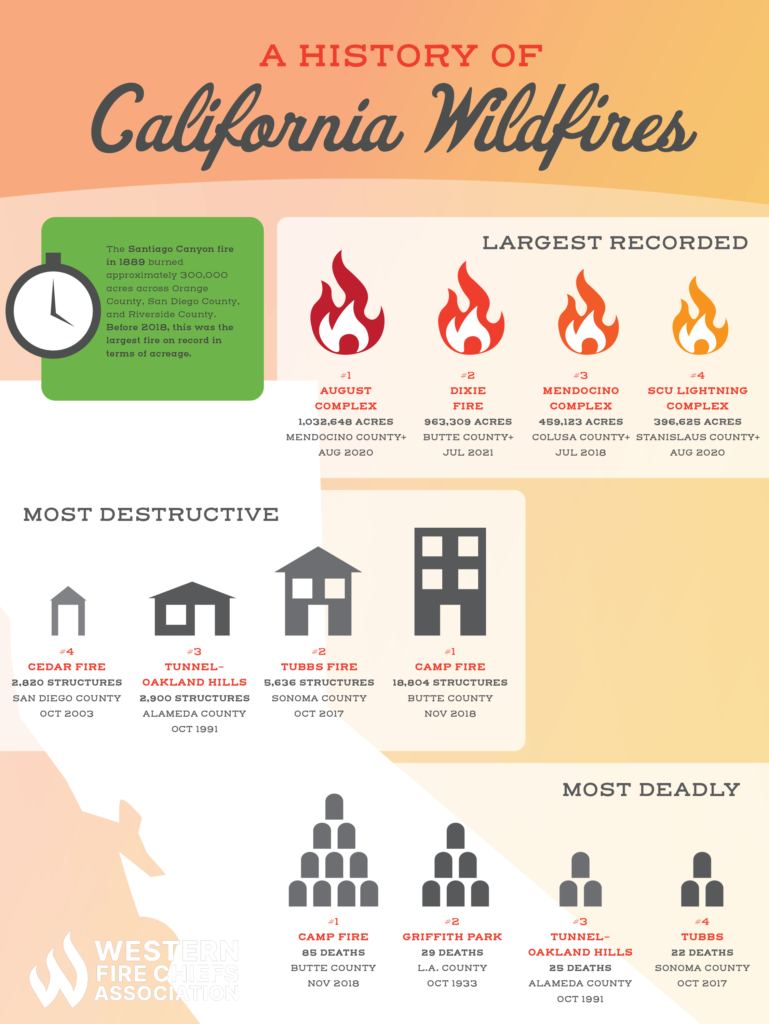
Beyond the ignition source, California‘s unique geography and climate create a landscape highly susceptible to rapid fire spread. These environmental factors are crucial to understand when discussing where fires start and why they become so destructive.
Drought and Dry Vegetation: The Perfect Fuel
California is no stranger to drought. Prolonged periods with little to no rainfall lead to desiccated vegetation that acts as highly flammable fuel. Trees, shrubs, and grasses become brittle and dry, turning into tinder that can ignite with the slightest spark and burn with incredible intensity. The state’s Mediterranean climate, with its hot, dry summers, inherently lends itself to fire risk, but climate change has exacerbated these conditions, leading to longer and more severe droughts, and ultimately, more intense fire seasons. The build-up of dead organic matter, often a result of past wildfires or insect infestations that kill trees, further contributes to the fuel load.
Topography and Wind: Accelerating the Inferno
The diverse topography of California plays a critical role in fire behavior. Steep canyons and slopes can create a “chimney effect,” drawing flames upward and accelerating their spread. Wind is perhaps the most significant factor in rapid fire growth. Santa Ana winds, hot, dry offshore winds that blow through Southern California in the fall and winter, can turn small fires into monstrous blazes within hours. Similarly, the Diablo winds in Northern California can have a similar devastating effect. These winds push flames forward at alarming speeds, making containment incredibly difficult and pushing fires into new areas, often unpredictably. This is why understanding wind patterns is as important as identifying the ignition point for firefighters and emergency responders.
The Aftermath: Impact on Travel and Tourism
The destructive power of California wildfires has a profound and often long-lasting impact on the state’s vital tourism industry. Understanding the implications for travelers is essential for planning any trip to the Golden State.
Disruptions to Destinations and Attractions
Wildfires can force the closure of entire regions, impacting popular tourist destinations, national parks, and attractions. Roads leading to and from these areas may be shut down for extended periods due to fire activity or ongoing cleanup and repair efforts. This can mean cancellations of planned vacations, the loss of bookings for hotels and resorts, and significant economic hardship for businesses that rely on visitor traffic. Iconic landmarks, such as parts of the Sierra Nevada or Yosemite National Park, can be threatened or directly impacted, leading to closures and visitor advisories. Even areas not directly affected by flames can suffer from widespread smoke, which can reduce visibility, disrupt outdoor activities, and create unhealthy air quality, deterring visitors.

Safety and Planning for Travelers
When planning a trip to California, especially during the traditional fire season (typically late spring through fall), it is crucial to stay informed about current fire conditions. Travelers should:
- Check Official Sources: Monitor websites of fire agencies like Cal Fire and local emergency management departments for real-time information on active fires, evacuation orders, and road closures.
- Review Travel Advisories: National and state park websites, as well as tourism boards, will often post advisories regarding fire impacts on their facilities and surrounding areas.
- Consider Air Quality: Wildfire smoke can travel hundreds or even thousands of miles. Check air quality indexes (AQI) for the area you plan to visit and consider the health implications, especially for those with respiratory conditions.
- Book Flexible Accommodations: When booking hotels, resorts, or vacation rentals, inquire about cancellation policies in case of unexpected fire-related disruptions. Websites that offer flexible booking options can be invaluable.
- Have a Contingency Plan: Be prepared to alter your travel plans. Having alternative destinations or activities in mind can help mitigate disappointment if your original plans are disrupted.
The question of “Where did the California fire start?” is a vital starting point for understanding these complex and often tragic events. It involves a deep dive into the interplay of natural forces and human actions, the specific conditions that create a tinderbox environment, and the far-reaching consequences for both the landscape and the people who visit and live there. By being informed and prepared, travelers can navigate the challenges posed by wildfires and continue to experience the unparalleled beauty and diversity that California has to offer.
LifeOutOfTheBox is a participant in the Amazon Services LLC Associates Program, an affiliate advertising program designed to provide a means for sites to earn advertising fees by advertising and linking to Amazon.com. Amazon, the Amazon logo, AmazonSupply, and the AmazonSupply logo are trademarks of Amazon.com, Inc. or its affiliates. As an Amazon Associate we earn affiliate commissions from qualifying purchases.