
California, a state renowned for its breathtaking landscapes and vibrant culture, is also situated in a seismically active region. While earthquakes are a natural part of the geological makeup of the Golden State, knowing where and when they occur is crucial, especially for residents and visitors planning their travel itineraries or accommodation. This article aims to provide an overview of recent seismic activity in California, offering insights relevant to tourism, lifestyle, and ensuring peace of mind for anyone exploring this dynamic destination.
Understanding California’s Seismic Landscape
The state of California lies along the boundary of two major tectonic plates: the Pacific Plate and the North American Plate. The movement and interaction of these plates, primarily along the infamous San Andreas Fault, are the primary drivers of seismic events. This geological reality means that earthquakes, ranging from minor tremors to more significant shakes, are a recurring phenomenon. Understanding this fundamental aspect of California‘s geography is the first step in appreciating the context of any earthquake alert.

The Role of the San Andreas Fault
The San Andreas Fault is a transform fault that stretches for over 800 miles through California. It marks the primary boundary where the Pacific Plate is sliding northwestward relative to the North American Plate. This slow but persistent movement builds up stress along the fault line, which is periodically released in the form of earthquakes. Major earthquakes have historically originated along this fault, shaping the very topography of California. While not every earthquake is directly on the San Andreas Fault, its influence extends to many other fault systems throughout the state, contributing to the widespread seismic activity.
Other Significant Fault Systems
Beyond the San Andreas Fault, California is crisscrossed by numerous other fault systems that can generate earthquakes. These include the Hayward Fault in the Bay Area, the Garlock Fault in Southern California, and the Owens Valley Fault. Each of these systems has its own history of seismic activity and poses a potential risk to surrounding communities. Scientists continuously monitor these faults, using sophisticated equipment to detect even the slightest movements, providing valuable data for earthquake forecasting and preparedness.
Locating Today’s Earthquake
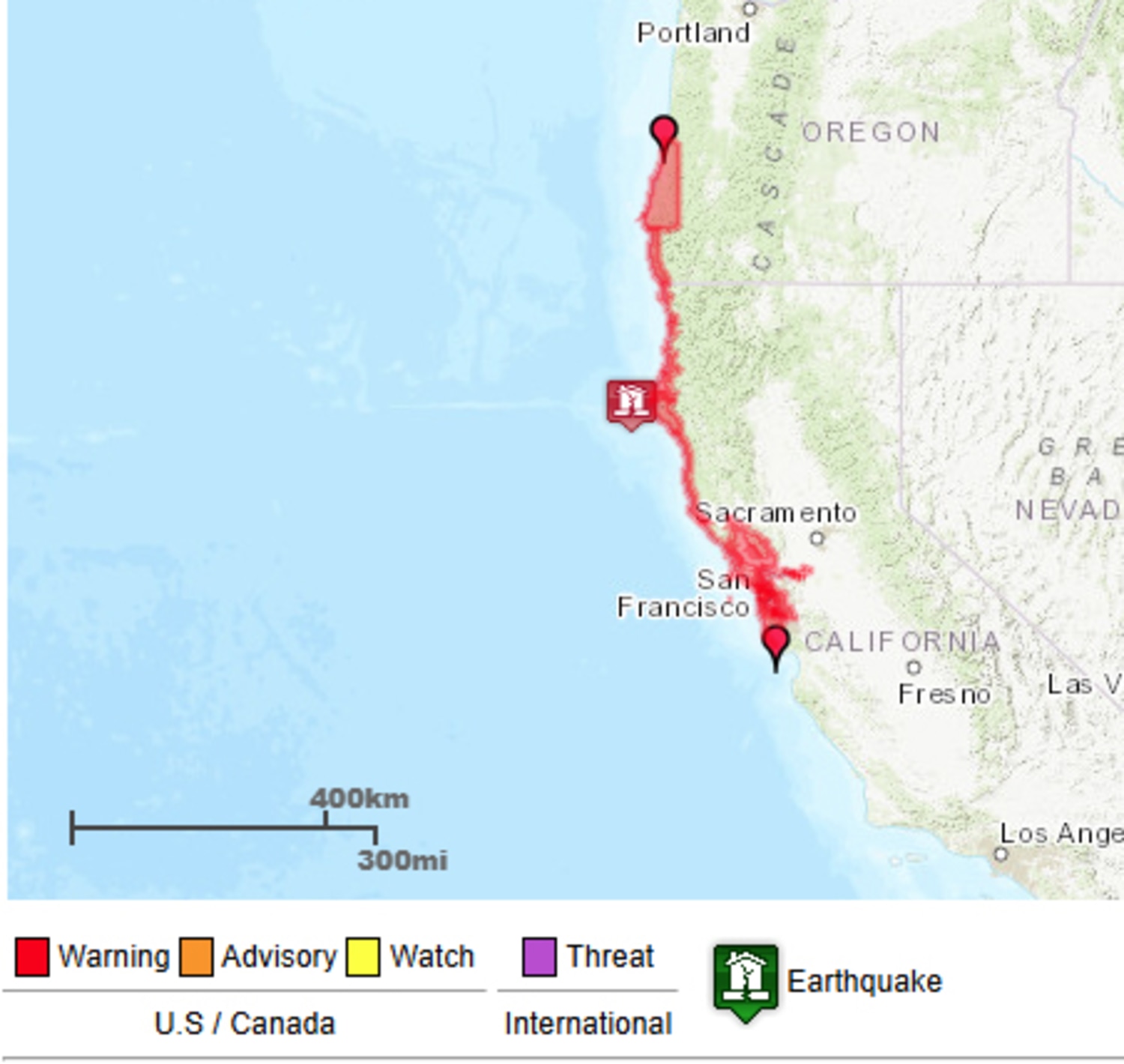
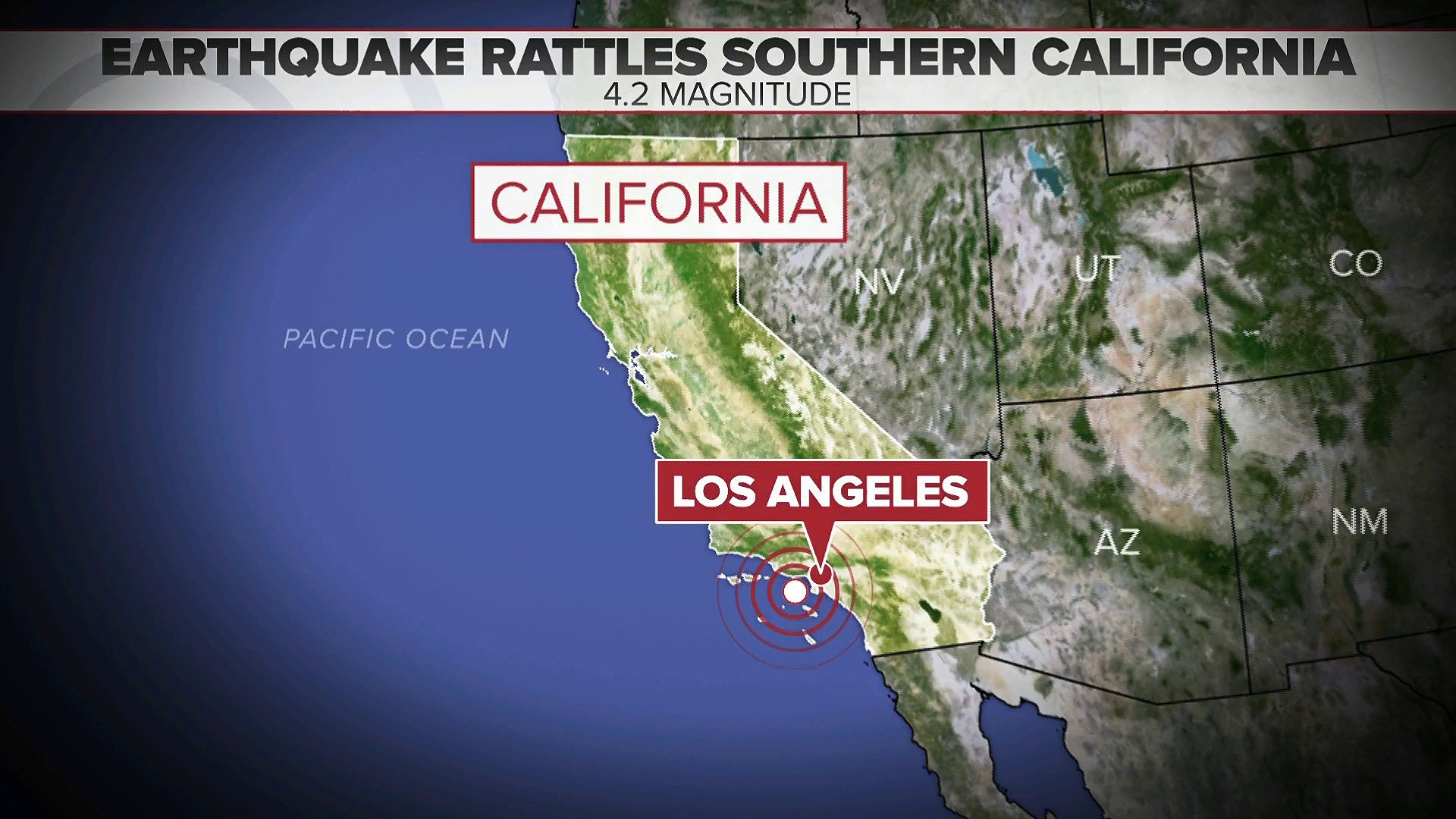
When an earthquake occurs in California, the immediate question for many is its location. This information is vital for assessing potential impact, understanding safety measures, and providing reassurance to those potentially affected. Seismologists utilize a network of seismic stations across the state to pinpoint the epicenter, the point on the Earth’s surface directly above where the earthquake originated.
Epicenter and Depth: Key Indicators
The epicenter is a crucial piece of information, as earthquakes occurring closer to populated areas tend to be felt more strongly. However, the depth of the earthquake also plays a significant role. Shallower earthquakes, for instance, often have a more pronounced effect on the surface than deeper ones, even if their magnitude is similar. The depth is determined by analyzing the arrival times of seismic waves at different monitoring stations.
Magnitude: Measuring the Earthquake’s Strength
The magnitude of an earthquake quantifies the energy released at its source. The most commonly used scale is the Richter scale, though the Moment Magnitude Scale is now preferred by seismologists for its accuracy in measuring larger earthquakes. A higher magnitude indicates a more powerful earthquake. Understanding the magnitude helps in estimating the potential for damage and the extent of the affected area. For instance, a magnitude 3.0 earthquake might be felt as a slight tremor, while a magnitude 6.0 earthquake can cause significant damage.
Reporting and Public Information
Following an earthquake, official sources like the United States Geological Survey (USGS) are the primary providers of accurate and up-to-date information. They typically report the epicenter, depth, and magnitude of any significant seismic event. Local news outlets and emergency management agencies also disseminate this information, often providing real-time updates and safety advice. For travelers, staying informed through reliable sources is paramount. Websites and apps dedicated to earthquake monitoring can offer immediate notifications, helping individuals stay aware of seismic activity in their vicinity.
Impact on California Travel and Tourism
Earthquakes, while a natural occurrence, can undeniably impact travel plans and the overall experience for visitors in California. Understanding the frequency and potential impact of seismic events can help in planning a more informed and safer trip.
Safety First: Preparedness for Travelers
For those planning a trip to California, especially to seismically active regions, a degree of preparedness is always advisable. This includes familiarizing oneself with basic earthquake safety procedures, such as “drop, cover, and hold on.” Many hotels and resorts in California have safety information readily available in guest rooms. It’s also wise to have a communication plan in place with family or travel companions.
Choosing Accommodation Wisely
When booking accommodation, particularly in areas known for seismic activity, guests may consider factors that enhance safety and comfort. Modern hotels and apartments are typically built to stringent seismic codes. However, understanding the building’s construction and emergency exit routes can provide additional peace of mind. For those seeking longer stays, researching the accommodation‘s history and safety features is a prudent step. Many booking platforms also offer reviews that might touch upon safety aspects, although earthquake preparedness is rarely a central theme.
Exploring California’s Landmarks and Attractions
California boasts an incredible array of landmarks, from natural wonders like Yosemite National Park and the Redwood National and State Parks to architectural marvels and historical sites in cities like San Francisco and Los Angeles. Earthquakes can occasionally cause disruptions to attractions, such as temporary closures due to damage assessments or safety checks. However, the vast majority of California‘s tourism infrastructure is resilient. It’s always a good idea to check the status of specific attractions or landmarks you plan to visit, especially if there have been recent significant seismic events in the region.
Experiencing Local Culture and Activities
The vibrant local culture of California, with its diverse culinary scene, unique activities, and rich history, remains largely unaffected by typical seismic activity. While a major earthquake could cause temporary disruptions to local businesses and events, the spirit of California‘s communities is one of resilience and rapid recovery. For tourists, embracing the local way of life, from exploring food markets in San Diego to experiencing the arts scene in Sacramento, can be a deeply rewarding experience. Staying flexible with your itinerary and being aware of local advisories are key to navigating any unexpected situations.
Living and Traveling in a Seismically Active Zone
Living in or visiting California means coexisting with the possibility of earthquakes. This reality has shaped the state’s approach to building, emergency preparedness, and even its lifestyle.
Emergency Preparedness and Resilience
California has invested heavily in earthquake preparedness and mitigation. This includes retrofitting older buildings, developing sophisticated early warning systems, and educating the public on safety measures. The state’s proactive approach contributes to its overall resilience in the face of seismic events. For residents and frequent visitors, maintaining an emergency kit and having a family communication plan are essential aspects of everyday lifestyle.
The “California Lifestyle” and Earthquake Awareness
The celebrated California lifestyle, often associated with outdoor activities, health, and innovation, is lived against a backdrop of seismic awareness. This awareness doesn’t typically dampen the spirit of enjoyment but rather fosters a sense of preparedness and community. Whether one is enjoying a luxurious resort in Palm Springs or a budget-friendly family trip to the San Francisco Bay Area, understanding the local environment is part of the experience.
Business Stays and Long-Term Visits
For those on business stays or planning long-term stays in California, earthquake preparedness is an integral part of ensuring a safe and productive visit. Many corporate housing options and extended-stay hotels will provide information on safety protocols. It’s advisable to inquire about these procedures upon arrival. The infrastructure in major business hubs like Silicon Valley is generally designed with seismic resilience in mind, aiming to minimize disruption.
Luxury Travel Considerations
Even in the realm of luxury travel, seismic awareness is a practical consideration. High-end resorts and boutique hotels in California adhere to the same rigorous building codes and safety standards. While the focus might be on unparalleled amenities and bespoke experiences, the underlying commitment to guest safety, including in the event of an earthquake, remains paramount. Travelers seeking exclusive experiences in locations like Napa Valley or along the Pacific Coast Highway can do so with the assurance that safety protocols are in place.
In conclusion, while the question “Where In California Was The Earthquake Today?” reflects a natural concern, it’s part of a larger understanding of the state’s dynamic geological nature. By staying informed through reliable sources, understanding basic safety measures, and choosing accommodation and travel options wisely, visitors and residents can fully enjoy all that California has to offer, from its stunning landmarks and vibrant tourism scene to its diverse lifestyle opportunities.
LifeOutOfTheBox is a participant in the Amazon Services LLC Associates Program, an affiliate advertising program designed to provide a means for sites to earn advertising fees by advertising and linking to Amazon.com. Amazon, the Amazon logo, AmazonSupply, and the AmazonSupply logo are trademarks of Amazon.com, Inc. or its affiliates. As an Amazon Associate we earn affiliate commissions from qualifying purchases.