
Antioch, California, a city nestled in the eastern reaches of the San Francisco Bay Area, beckons travelers with its unique blend of burgeoning urban development, rich historical roots, and access to stunning natural landscapes. Often overlooked in favor of its more globally recognized neighbors, Antioch offers a compelling destination for those seeking authentic experiences, a slower pace of life, and a genuine taste of Californian living. This comprehensive guide will delve into the geographical location of Antioch, explore its historical significance, highlight its prominent landmarks and attractions, and offer insights into its burgeoning tourism and lifestyle offerings, painting a vivid picture of what makes this East Bay gem a worthwhile visit or even a long-term accommodation option.
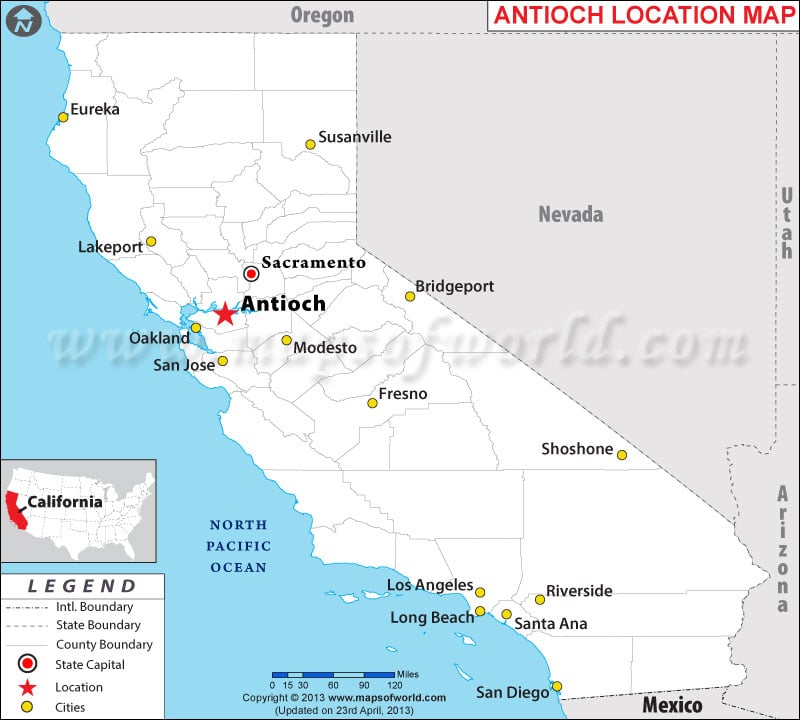
Geographical Positioning and Surrounding Attractions
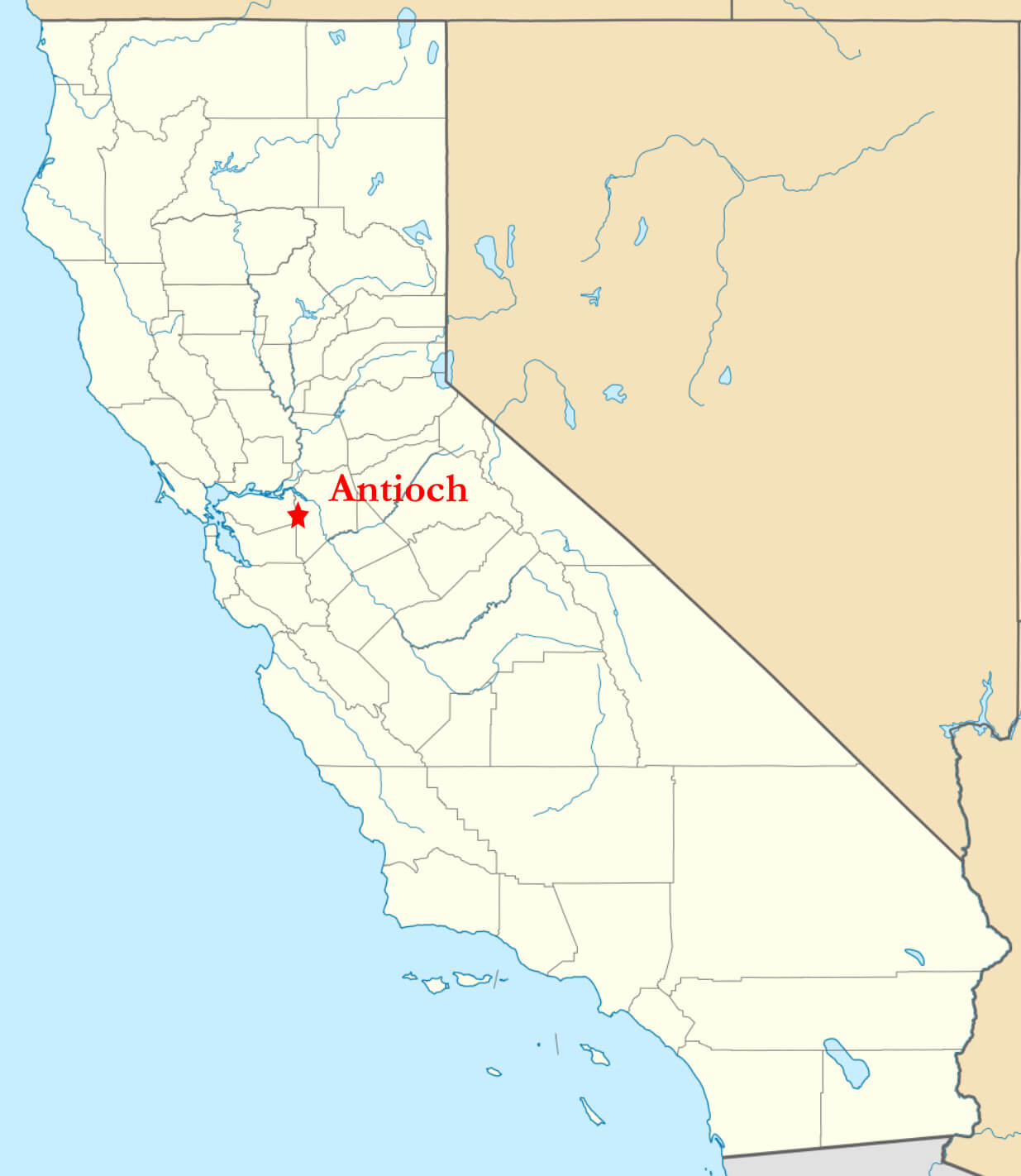
Antioch’s strategic location is a key element of its appeal. Situated in Contra Costa County, it lies at the confluence of the San Joaquin River and the Sacramento River, forming the Suisun Bay, a crucial waterway that connects the inland Sacramento-San Joaquin Delta to the broader San Francisco Bay. This prime position not only has historical significance for trade and transportation but also provides residents and visitors with unparalleled access to the natural beauty of the region.
The city’s proximity to the Sacramento-San Joaquin Delta is a significant draw. This vast inland delta is a labyrinth of waterways, islands, and levees, offering a haven for boating, fishing, kayaking, and birdwatching. The Delta’s unique ecosystem supports a diverse array of wildlife, making it a prime location for nature enthusiasts. Travelers can explore this watery wonderland by chartering a boat from local marinas or by enjoying scenic drives along the Delta’s perimeter, stopping at charming riverside towns.
Just a short drive away lies Mount Diablo State Park. This majestic mountain, visible from much of the Bay Area, offers breathtaking panoramic views from its summit. Hiking trails cater to all levels, from gentle strolls to challenging climbs, leading through diverse habitats ranging from oak woodlands to chaparral. The park is also renowned for its geological formations and the historical summit building, a testament to early 20th-century architecture. Visiting Mount Diablo provides a stark contrast to the urban landscape and offers a chance to immerse oneself in California’s wild beauty.
Furthermore, Antioch is within easy commuting distance of other major Bay Area cities. San Francisco, with its iconic landmarks like the Golden Gate Bridge and Alcatraz Island, is roughly an hour’s drive away, making Antioch a practical base for exploring the wider metropolitan area without the constant hustle and bustle. Similarly, Oakland, known for its vibrant arts scene and culinary delights, is also accessible, offering even more diverse experiences for those staying in Antioch.
Exploring the Delta’s Waterways
The Sacramento-San Joaquin Delta is more than just a geographical feature; it’s a lifestyle and a critical component of California‘s water system. For tourists, it represents an opportunity to connect with a more rustic and authentic side of the state. Numerous parks and recreational areas dot the Delta’s edges, providing launching points for water-based activities.
- Boating and Sailing: The wide, navigable waterways are perfect for both experienced sailors and casual boaters. Marinas in Antioch and surrounding towns offer rentals and charter services. Exploring the network of channels allows for discovery of hidden coves, waterside restaurants, and charming small communities accessible primarily by water.
- Fishing: The Delta is a renowned fishing destination, particularly for bass, catfish, and stripers. Local bait and tackle shops can provide advice on the best spots and current conditions.
- Kayaking and Paddleboarding: For a more intimate experience with the water, kayaking and paddleboarding are excellent options. The calmer stretches of water are ideal for beginners, while more adventurous paddlers can explore further afield.
- Birdwatching: The wetlands and diverse habitats of the Delta are a haven for migratory birds and resident species. Binoculars are a must for spotting herons, egrets, ducks, and a multitude of other avian life.
The Delta’s allure lies in its tranquility and its connection to nature. It’s a place where time seems to slow down, offering a respite from the demands of modern life.
A Glimpse into Antioch’s Rich History
Antioch’s story is deeply intertwined with the history of California. Founded in 1849 by Carleton B. Smith and William D.M. Shannon during the California Gold Rush, the city was named after Antioch, an ancient city in Syria. The location was strategically chosen for its access to the Sacramento River, which served as a vital artery for transporting goods and people during the boom times of the Gold Rush and subsequent industrial development.
The early days of Antioch were marked by a diverse economy. Its fertile surroundings led to a robust agricultural sector, while its riverfront location fostered shipbuilding and manufacturing. The discovery of coal in the nearby hills also played a significant role in its industrial past, with mining operations contributing to the city’s growth. This industrial heritage is still visible in some of the older architecture and remnants of past endeavors, offering a tangible connection to its formative years.
The city also played a role in the early development of California’s infrastructure. The arrival of the railroad was a pivotal moment, further cementing Antioch’s importance as a transportation hub. This era of growth and innovation laid the groundwork for the community it is today, a place that respects its past while embracing future development.
Historical Landmarks and Heritage Sites
Antioch boasts several historical sites that offer a window into its past:
- The Antioch Riverfront Park: This area, while modern in its amenities, sits on land that has been central to Antioch’s history for centuries. The river itself was the lifeblood of the early settlement, and the park offers beautiful views and a place to reflect on the city’s origins as a bustling port. Interpretive signs often detail the maritime history and the industries that once thrived along these banks.
- The Dow Wetlands Preserve: While a natural area, its ecological significance is tied to the historical uses of the land. Understanding how the region has been shaped by both natural processes and human intervention provides a deeper appreciation for its present state.
- Local Museums and Historical Societies: While specific museum names can change or be smaller in scale, Antioch, like many historic California towns, often has a local historical society or small museum dedicated to preserving and displaying artifacts from its past. These institutions are invaluable for those seeking detailed accounts of the Gold Rush era, early industrialization, and the lives of its early inhabitants. Exploring these resources can provide a rich narrative of the city’s evolution.
The historical narrative of Antioch is one of resilience and adaptation. From its roots as a Gold Rush boomtown to its development as an industrial and agricultural center, the city’s past continues to inform its present identity.
Contemporary Antioch: Tourism, Lifestyle, and Accommodation
Antioch today is a dynamic city that balances its historical legacy with modern development and a growing appeal for tourists and residents alike. The lifestyle in Antioch offers a compelling alternative to the more expensive and crowded metropolitan centers of the Bay Area. It provides a more relaxed pace of life, with a strong sense of community and a greater affordability, particularly concerning accommodation.
Embracing Local Culture and Activities
While Antioch might not have the global renown of San Francisco’s Fisherman’s Wharf, it offers authentic local culture and a growing array of activities and experiences. The city has a vibrant downtown area that is undergoing revitalization, with new businesses, restaurants, and community events.
- Local Cuisine: Antioch’s culinary scene is diverse, reflecting the multicultural fabric of California. From casual eateries serving classic American fare to diverse ethnic restaurants offering flavors from around the world, there are options to satisfy every palate. The proximity to agricultural regions also means access to fresh, locally sourced produce, which many restaurants highlight. Exploring the local food scene is a fantastic way to experience the city’s character.
- Arts and Entertainment: The Pittsburg Arts & Community Education (PACE) program, though located in neighboring Pittsburg, often hosts events that draw from the wider East Bay community, including Antioch. Antioch itself has local theaters, galleries, and music venues that showcase emerging talent and provide entertainment for residents and visitors. Community events, farmers’ markets, and festivals are regular occurrences, offering opportunities to mingle with locals and experience their way of life.
- Outdoor Recreation: Beyond the Delta and Mount Diablo, Antioch offers several local parks and recreational facilities. The Antioch Dunes National Recreation Area, though facing ecological challenges, is a unique natural site for exploration. For families, the numerous playgrounds and sports fields provide ample opportunities for outdoor fun. The Big Break Regional Shoreline offers trails, picnic areas, and access to the shoreline of the Suisun Bay, perfect for a relaxing day out.
Accommodation Options in Antioch
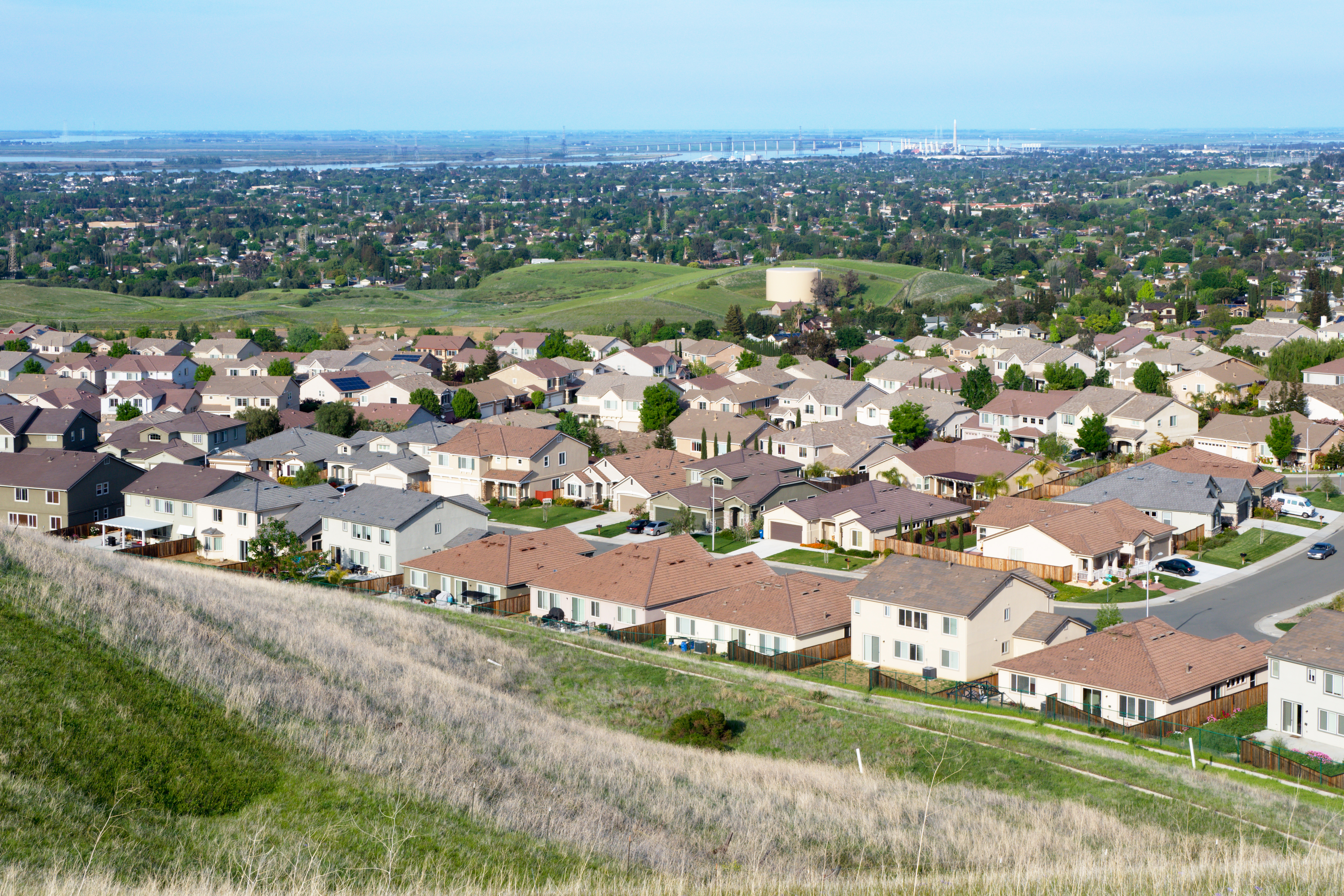
For travelers considering Antioch, the accommodation landscape offers a range of choices to suit different needs and budgets. The city provides a more affordable alternative to staying in the core Bay Area cities, making it an attractive option for extended stays or budget-conscious trips.
- Hotels and Motels: Antioch has a selection of standard hotel chains and independent motels, providing comfortable and convenient lodging. These options are ideal for short-term stays, offering amenities like free Wi-Fi, continental breakfast, and easy access to local attractions and major roadways. While there might not be a vast array of luxury resorts within the city limits, the existing options cater well to the practical needs of travelers.
- Apartment Rentals and Long-Term Stays: The growing population and development in Antioch have led to an increase in apartment complexes and rental properties. For those looking for a long-term stay, whether for business or personal reasons, renting an apartment or a furnished home can be a cost-effective and comfortable solution. Websites specializing in accommodation comparison and booking can help identify available properties. These options often provide more space and a home-like environment compared to traditional hotel rooms.
- Proximity to Resorts and Vacation Rentals: While Antioch itself may have a limited number of high-end resorts, its location within the broader Bay Area means that more luxurious options are accessible in neighboring towns or further afield in areas like Napa Valley or along the coast. For those seeking a vacation rental experience, exploring options in the surrounding Delta region or closer to the wine country might present additional opportunities.
Antioch’s position as a gateway to both natural beauty and urban exploration, combined with its increasing amenities and affordable lifestyle options, makes it a destination worth considering for a variety of travelers. Whether you’re drawn by the call of the Delta, the allure of historical discovery, or simply seeking a more grounded California experience, Antioch welcomes you to explore its unique charm.
LifeOutOfTheBox is a participant in the Amazon Services LLC Associates Program, an affiliate advertising program designed to provide a means for sites to earn advertising fees by advertising and linking to Amazon.com. Amazon, the Amazon logo, AmazonSupply, and the AmazonSupply logo are trademarks of Amazon.com, Inc. or its affiliates. As an Amazon Associate we earn affiliate commissions from qualifying purchases.