
For travelers venturing into the vast and vibrant landscapes of Texas, understanding the local time is far more than a mere curiosity; it’s a critical component of seamless travel planning and an enriched experience. Given the sheer size of the Lone Star State – spanning over 268,000 square miles – it’s perhaps not surprising that its immense geographical footprint necessitates a dual approach to timekeeping. Primarily, the majority of Texas observes Central Daylight Time (CDT) during the warmer months and Central Standard Time (CST) in winter. However, a notable exception exists in the far western reaches, where a small but significant portion of the state aligns with the Mountain Daylight Time (MDT) or Mountain Standard Time (MST) zone.
At the moment, during daylight saving time, most of Texas is operating on Central Daylight Time (CDT), which is UTC-05:00. This means it is five hours behind Coordinated Universal Time. Conversely, the westernmost part of the state, encompassing El Paso and Hudspeth Counties, observes Mountain Daylight Time (MDT), which is UTC-06:00. This unique temporal division, while minor in land area, holds significant implications for anyone planning to traverse the state, especially those with tight schedules or cross-state connections. From coordinating flights and hotel check-ins to scheduling business meetings or simply catching a local cultural event, being mindful of Texas’s time zones is fundamental to a smooth and enjoyable visit.
This article delves into the intricacies of time in Texas, exploring its impact on travel, tourism, and lifestyle, and providing essential tips to help you navigate your adventure seamlessly.
Unraveling Texas’s Time Zones: A Traveler’s Essential Guide
Understanding the time zones of Texas is the first step towards an organized and stress-free journey through this diverse state. Its geographical location within the United States places it at a fascinating crossroads, bordering states like Oklahoma, Arkansas, Louisiana, New Mexico, and Mexico, and extending to the shores of the Gulf of Mexico. This vastness is what dictates its dual time zone system.
Central Daylight Time (CDT) in the Lone Star State
The overwhelming majority of Texas operates under the Central Time Zone. This includes all of the state’s major metropolitan areas: Dallas, Fort Worth, Houston, Austin, and San Antonio. During the spring and summer months, when daylight saving time is in effect, these areas observe Central Daylight Time (CDT), which is UTC-05:00. Come autumn and winter, they switch back to Central Standard Time (CST), aligning with UTC-06:00.
For most travelers, this is the time zone they will encounter throughout their Texas adventures. Whether you’re planning to explore the vibrant city life of Dallas, immerse yourself in the live music scene of Austin, delve into the historical depths of San Antonio, or experience the cosmopolitan energy of Houston, your clock will be set to CDT (or CST, depending on the season). This consistency makes planning within these regions relatively straightforward, allowing visitors to focus on attractions, dining, and local experiences without constant time adjustments.
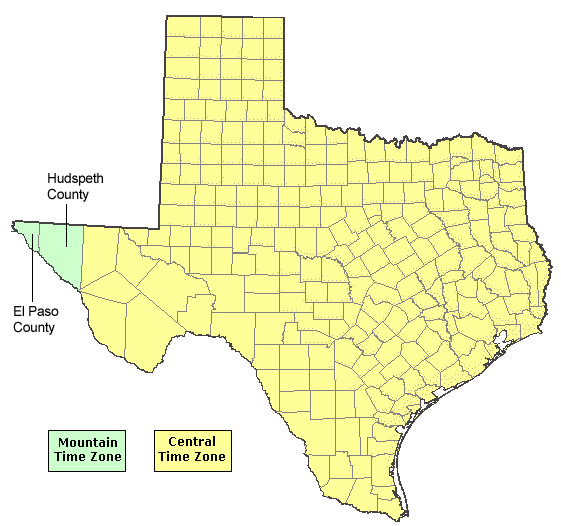
The Mountain Time Zone Anomaly: El Paso and Hudspeth Counties
The exception to Texas’s primary time zone lies in its far western region, where El Paso and Hudspeth Counties observe the Mountain Time Zone. During daylight saving time, these areas are on Mountain Daylight Time (MDT), which is one hour behind CDT, at UTC-06:00. In the winter, they switch to Mountain Standard Time (MST), which is UTC-07:00.
This distinction is crucial for anyone traveling between the central and western parts of the state. Imagine driving from San Antonio to El Paso – you’ll need to remember to set your watch back an hour as you cross into Hudspeth Counties. This border is typically marked along Interstate 10 around the town of Sierra Blanca. For those exploring the rugged beauty of West Texas, including national parks like Big Bend National Park and Guadalupe Mountains National Park, aligning with the local time is paramount for planned activities, guided tours, and restaurant reservations. Missing an hour can mean missing out on a once-in-a-lifetime sunset view or a crucial flight connection.

The Indispensable Role of Time in Texas Travel Planning
For any seasoned traveler, logistics are key, and time zones play a foundational role in planning. In a state as expansive as Texas, the impact of time on travel itineraries, accommodation bookings, and the overall experience cannot be overstated. From the moment you search for flights to the time you check into your luxury resort, understanding local time ensures a smooth journey.
Mastering Your Itinerary: Flights, Bookings, and Tours
Precise time management is critical when dealing with transportation and scheduled activities. Texas is home to several major international airports, including Dallas/Fort Worth International Airport (DFW), George Bush Intercontinental Airport (IAH) in Houston, Austin-Bergstrom International Airport (AUS), and San Antonio International Airport (SAT), along with regional hubs like Love Field (DAL) in Dallas. All flight times are invariably listed in local time. A traveler flying from El Paso to Houston, for instance, must factor in the one-hour time difference. A 9 AM flight from El Paso (MDT) would land in Houston (CDT) at what would be 10 AM local time, plus the flight duration. Miscalculating this could lead to missed connections, forfeited tickets, and unnecessary stress.
Beyond air travel, scheduled tours to landmarks such as The Alamo in San Antonio, visits to Space Center Houston, or exploring the Sixth Floor Museum at Dealey Plaza in Dallas are all time-sensitive. Booking experiences like horseback riding in the Texas Hill Country or a sunset cruise on the San Antonio River Walk requires adherence to local time. Even dinner reservations at a highly sought-after restaurant or tickets to a concert in Austin’s vibrant music scene can be impacted by a simple misunderstanding of time. Always double-check confirmation emails and website listings, paying particular attention to whether times are specified in local time or a universal standard.

Navigating Accommodation: Check-in, Check-out, and Comfort
Accommodation, a core aspect of travel, is inextricably linked to time. Whether you’re booking a suite in a bustling city hotel, a tranquil resort in the countryside, a cozy apartment for a long-term stay, or a luxurious villa for a family trip, check-in and check-out times are rigid. Most hotels and resorts in Texas typically have a 3 PM check-in and 11 AM or 12 PM check-out policy, all based on their local time zone.
For international travelers or those arriving from vastly different time zones within the United States, jet lag can complicate these timings. Arriving early might mean waiting for your room, impacting your initial exploration plans. Conversely, a late check-out might be necessary for comfort but often comes with an additional fee. When booking through comparison sites or direct with properties like the Grand Hyatt San Antonio River Walk, Four Seasons Hotel Austin, or the Ritz-Carlton, Dallas, confirm all timing details. Some establishments offer flexible check-in/check-out options, especially for loyalty members or those who communicate their needs in advance. Clearly specifying your expected arrival and departure times, particularly if you’re crossing time zones, can help properties prepare for your stay and minimize any inconvenience. This proactive approach to managing your accommodation schedule contributes significantly to a comfortable and stress-free journey.
Experiencing Texas Across Its Time Zones: Destinations and Activities
Texas’s distinct time zones also mark a natural division in its geography, culture, and available attractions. From the humid coastal plains to the arid western deserts, each region offers unique experiences that are often best enjoyed at specific times of day, making local time awareness even more pertinent.
Central Texas: Bustling Cities and Cultural Gems
The vast expanse of Central Texas, operating on CDT/CST, is a hub of vibrant cities, rich history, and diverse entertainment.
- Austin: Known as the “Live Music Capital of the World,” Austin thrives day and night. Mornings can be spent paddleboarding on Lady Bird Lake or hiking the Barton Creek Greenbelt. Afternoons invite exploration of the Texas State Capitol or a food tour. Evenings truly come alive with countless venues offering everything from blues to indie rock. Planning your night out around local showtimes is essential.
- San Antonio: A city steeped in history, San Antonio offers timeless attractions. Early mornings are ideal for peaceful strolls along the San Antonio River Walk before the crowds gather. Mid-day is perfect for visiting The Alamo or the San Antonio Missions National Historical Park. Evenings feature riverside dining and mariachi music. Timing your visits to popular spots can help avoid peak crowds, especially during holidays or major events.
- Houston: As a global city, Houston boasts world-class museums, a thriving culinary scene, and scientific wonders. A morning visit to Space Center Houston can easily fill several hours. Afternoons might be spent in the Museum District or exploring the Houston Zoo. Evenings offer everything from theatre in the Theater District to exploring diverse food scenes. Given the city’s sprawl, traffic can be a factor, so planning travel times between attractions is crucial.
- Dallas and Fort Worth: These twin cities offer a dynamic blend of urban sophistication and cowboy heritage. In Dallas, a morning visit to the Dallas Arts District or the Dallas World Aquarium is popular. Fort Worth’s Stockyards National Historic District comes alive throughout the day with cattle drives and rodeo events. Evening hours in both cities are perfect for fine dining or catching a sports game.
West Texas: Deserts, Mountains, and Starlit Nights
The rugged, sparsely populated landscapes of West Texas, particularly in the Mountain Time Zone, offer a stark contrast and unique set of attractions.
- El Paso: As the largest city in the Mountain Time Zone part of Texas, El Paso offers a blend of Native American, Mexican, and Old West cultures. Explore the Franklin Mountains State Park for hiking in the morning, visit the Mission Trail in the afternoon, and enjoy authentic Tex-Mex cuisine in the evening. Remember the time difference if you’re coordinating with anyone in Central Texas.
- Big Bend National Park and Big Bend Ranch State Park: These remote parks are known for their stunning desert landscapes, the Rio Grande, and incredible stargazing opportunities. Timing here is crucial for safety and enjoyment. Early mornings are best for hiking to avoid the intense desert heat. Sunsets over the mountains are breathtaking, and evenings provide some of the clearest views of the night sky in North America. Guided tours and river trips within the parks operate strictly on Mountain Time.
- Marfa: This small, enigmatic town is a mecca for contemporary art and mysterious phenomena, like the Marfa Lights. Art installations often have specific viewing hours, and the famous Marfa Lights are, of course, a nighttime spectacle. Checking the local time is crucial for gallery openings and anticipating the best viewing conditions for the lights.
- Guadalupe Mountains National Park: Home to the highest peak in Texas, Guadalupe Peak, this park is a hiker’s paradise. Planning hikes for cooler parts of the day is essential, as is allowing ample time to complete trails before dark. Park services and visitor centers operate on Mountain Time.
Maximizing Your Texas Adventure: Beyond the Clock
While knowing the exact time is essential, maximizing your Texas adventure also involves understanding how time impacts your overall lifestyle during your trip. From embracing the local pace to planning for potential jet lag, a holistic approach ensures a truly rewarding experience.
Lifestyle and Leisure: Embracing the Texas Pace
The concept of time also influences the lifestyle and pace of different regions within Texas. In the bustling metropolises like Dallas or Houston, life moves at a fast pace, much like any major global city. Business stays often demand punctuality, and a busy schedule of meetings, conferences, and networking events can easily fill the day. Luxury travel in these urban centers often means pre-booked experiences, from spa treatments at a five-star hotel like The Post Oak Hotel at Uptown Houston to private dining experiences, all meticulously timed.
Conversely, in the more rural areas, particularly in the Texas Hill Country or West Texas, the pace tends to slow down. Here, enjoying the natural beauty, exploring small towns, and savoring local cuisine become the priorities. Family trips to destinations like South Padre Island or a dude ranch vacation benefit from a relaxed schedule, where the ebb and flow of natural light might dictate activities more than a clock. Budget travel can also be optimized by understanding peak hours for attractions or dining, allowing travelers to experience more for less by adjusting their timing.
For those traveling internationally or across multiple United States time zones, managing jet lag is crucial. Hydration, strategic napping, and gradually adjusting your sleep schedule before arrival can help minimize its effects. Upon arrival, try to expose yourself to natural light during the day and avoid heavy meals close to bedtime. These lifestyle adjustments, combined with a clear understanding of the local time, contribute significantly to your well-being and enjoyment throughout your Texas adventure.
Staying Connected: Communication Across Time Zones
In today’s interconnected world, staying in touch with family, friends, or colleagues is an integral part of travel. The time difference in Texas can impact these communications. When calling back home, especially to different continents, understanding the Texas time zones (CDT/MDT) relative to your home time zone prevents inconvenient calls in the middle of the night. Scheduling video calls for business or personal catch-ups requires careful coordination to find a suitable overlap.
For business travelers on a business stay, coordinating with teams located in different time zones, whether domestically or internationally, is a constant consideration. Meeting times must be clearly defined and often presented in multiple time zones to avoid confusion. Even within Texas, if you’re working with a team in Dallas (CDT) while based in El Paso (MDT), remember that they are an hour ahead. This applies not just to scheduled meetings but also to email response expectations and project deadlines. Utilizing world clock apps and online time converters can be invaluable tools for seamless communication.
Conclusion
In conclusion, “What is the time now in Texas?” is a question with a nuanced answer that holds profound implications for anyone planning to visit or reside in the state. While most of Texas observes the Central Time Zone (CDT during daylight saving, CST otherwise), the distinct shift to the Mountain Time Zone (MDT/MST) in El Paso and Hudspeth Counties is a crucial detail for travelers.
From meticulously planning your travel logistics — flights into Dallas/Fort Worth International Airport or George Bush Intercontinental Airport, booking a room at the Hyatt Regency Austin or Westin Dallas Downtown, and scheduling tours to iconic landmarks like The Alamo or Big Bend National Park — to enjoying the local culture and activities, an awareness of the time zones is paramount. It affects everything from finding the best local food scenes to experiencing the vibrant nightlife of Austin or the serene beauty of a West Texas sunset.
By integrating this knowledge into your travel preparations, you’re not just setting your watch correctly; you’re setting yourself up for a richer, more efficient, and ultimately more enjoyable journey through the diverse and enchanting landscapes of Texas. So, before you embark on your next adventure to the Lone Star State, take a moment to check the time, plan accordingly, and prepare to immerse yourself in all the wonders that Texas has to offer.
LifeOutOfTheBox is a participant in the Amazon Services LLC Associates Program, an affiliate advertising program designed to provide a means for sites to earn advertising fees by advertising and linking to Amazon.com. Amazon, the Amazon logo, AmazonSupply, and the AmazonSupply logo are trademarks of Amazon.com, Inc. or its affiliates. As an Amazon Associate we earn affiliate commissions from qualifying purchases.