
California, a state renowned for its diverse landscapes, stretches from the Pacific coastline to the arid interior. While many associate the Golden State with sun-drenched beaches and towering redwood forests, a significant portion of its geography is defined by the vast and captivating High Desert. But where exactly is this distinctive region located, and what makes it such a compelling destination for travelers, adventurers, and those seeking a unique lifestyle experience? This article delves into the heart of California’s High Desert, exploring its geographical boundaries, its iconic attractions, and the allure that draws people to its expansive horizons.

The term “High Desert” itself evokes images of wide-open spaces, rugged terrain, and an intense, clear sky. Geographically, it refers to arid or semi-arid plateau regions that are at a significant elevation, typically above 3,000 feet. In California, this definition applies to a sprawling area east of the Sierra Nevada mountains and north of the Mojave Desert. It’s a land sculpted by wind, sun, and time, offering a stark yet beautiful contrast to the state’s more populated coastal zones.
Defining the Boundaries and Key Regions
Pinpointing the exact edges of the High Desert can be fluid, as it seamlessly blends into surrounding geographical areas. However, its core is generally understood to encompass the southeastern portion of California, east of the Sierra Nevada mountain range and north of the more commonly known Mojave Desert. This vast territory is characterized by its elevation, typically ranging from 4,000 to over 7,000 feet above sea level, which contributes to its cooler temperatures compared to lower desert regions, especially during the summer months.
Several key regions and cities can be considered central to the California High Desert experience:
The Eastern Sierra Region
This northernmost extension of the High Desert is marked by the dramatic rise of the Sierra Nevada mountains. Towns like Bishop, Mammoth Lakes, and Lone Pine serve as gateways to this area. Here, the landscape transitions from alpine forests at higher elevations to arid scrubland as one descends. The Eastern Sierra is a haven for outdoor enthusiasts, offering unparalleled opportunities for hiking, climbing, fishing, and skiing. The majestic peaks, including Mount Whitney, the highest point in the contiguous United States, provide a breathtaking backdrop.
- Bishop: Known for its vibrant arts scene and access to stunning natural wonders like the Owens Valley and the Ancient Bristlecone Pine Forest.
- Mammoth Lakes: A premier four-season resort town offering world-class skiing in the winter and incredible hiking and mountain biking in the summer. It’s also the gateway to Yosemite National Park‘s eastern entrance during warmer months.
- Lone Pine: Famous for the otherworldly landscapes of the Alabama Hills, a popular filming location for countless Westerns and sci-fi movies. It’s also the starting point for ascents of Mount Whitney.
The Mono Basin
North of the Eastern Sierra, the Mono Basin is a unique geographical area centered around the strikingly alkaline Mono Lake. This ancient lake, with its tufas (calcium-carbonate spires), is a designated natural preserve and a vital stopover for migratory birds. The surrounding landscape, while arid, is dotted with volcanic formations and offers a glimpse into a geologically active past.
The Great Basin Influence
The northern reaches of California’s High Desert often bleed into the broader ecological zone of the Great Basin, a region characterized by internal drainage where rivers flow into basins rather than the ocean. This means that water in this area often collects in salt flats or disappears through evaporation. This characteristic contributes to the stark, open, and often otherworldly beauty of the northern High Desert.
The Transition to the Mojave
As one moves south and east, the High Desert gradually transitions into the Mojave Desert. While there’s a clear difference in elevation and some flora and fauna, the transition is gradual. Cities like Barstow can be considered on the edge, often described as a gateway to both the Mojave and parts of the High Desert. The landscape here becomes more expansive, with vast flat plains punctuated by mountain ranges.
Exploring the Attractions and Experiences
The allure of California’s High Desert lies not just in its geographical definition but in the unique experiences it offers. From natural wonders to quirky roadside attractions and a burgeoning arts scene, the High Desert provides a rich tapestry of activities for every kind of traveler.

Natural Wonders
The High Desert is a playground for nature lovers, boasting an array of breathtaking landscapes and geological formations.
- Death Valley National Park: While often considered part of the Mojave, its northern reaches and higher elevations certainly touch upon High Desert characteristics. It’s a land of extremes, holding the record for the lowest elevation and highest temperature in North America. Visitors can explore salt flats, sand dunes, canyons, and badlands.
- Ancient Bristlecone Pine Forest: Located near Bishop, this is home to some of the oldest living organisms on Earth. These gnarled, resilient trees have survived for thousands of years in harsh conditions, offering a profound connection to deep time.
- Alabama Hills: Situated near Lone Pine, these rounded, weathered rock formations have served as a backdrop for countless films, lending an iconic, almost alien, landscape to their surroundings. Hiking and exploring among these rocks is a surreal experience.
- Mono Lake Tufa State Natural Reserve: The otherworldly tufas rising from the saline waters of Mono Lake are a photographer’s dream and a vital ecological site. Birdwatching is particularly popular here, especially during migratory seasons.
- Red Rock Canyon State Park: This park showcases stunning geological formations of vibrantly colored sandstone cliffs and canyons, sculpted by wind and water over millennia. It’s a popular spot for hiking and geological exploration.
Quirky and Cultural Encounters
Beyond its natural beauty, the High Desert is imbued with a unique spirit, often characterized by its independent towns, roadside attractions, and a growing artistic community.
- Pioneertown: Just outside of Yucca Valley, this former movie set town designed to resemble an Old West settlement is now a vibrant community of artists and artisans. Visitors can wander through its historic buildings, visit unique shops, and enjoy live music at the iconic Pappy and Harriet’s.
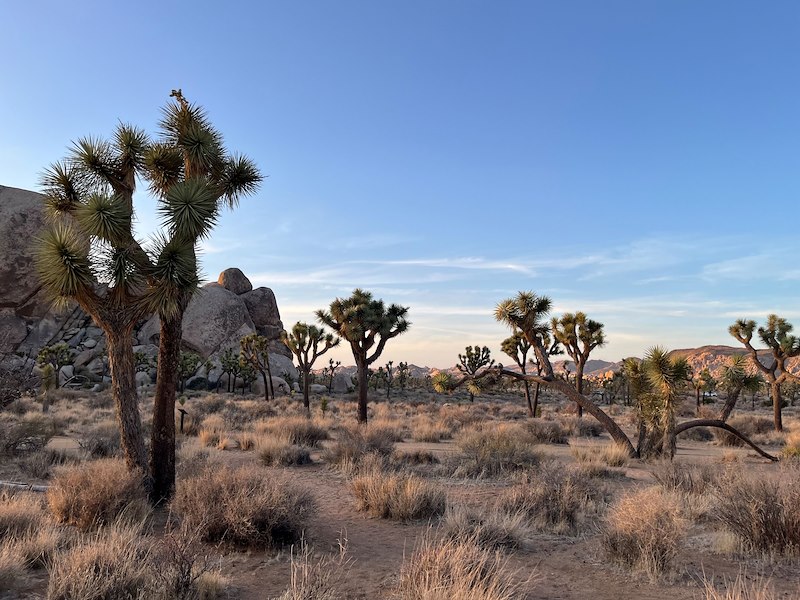
- Joshua Tree National Park: While primarily known for its iconic Joshua trees and surreal rock formations, the park straddles the boundary between the Mojave and the High Desert, offering a blend of both environments. The town of Joshua Tree itself has become a hub for artists, musicians, and those seeking an alternative lifestyle.
- The Integratron: Located near Landers, this unique domed structure is renowned for its alleged sound-healing capabilities. It offers a fascinating glimpse into esoteric practices and is a popular destination for those seeking relaxation and spiritual exploration.
- Art Galleries and Studios: Many High Desert communities, particularly around Joshua Tree and Yucca Valley, are home to a thriving arts scene. Galleries showcase the work of local artists inspired by the desert landscape and its unique atmosphere.
Adventure and Recreation
The vastness and ruggedness of the High Desert lend themselves to a wide range of outdoor activities.
- Hiking and Backpacking: Trails abound, from easy strolls through canyons to challenging climbs in the Sierra Nevada.
- Rock Climbing and Bouldering: Areas like the Alabama Hills and Joshua Tree National Park are world-renowned for their climbing opportunities.
- Off-Roading and ATV Adventures: The wide-open spaces are ideal for exploring by off-road vehicles, offering a sense of freedom and adventure.
- Stargazing: With its minimal light pollution, the High Desert offers some of the most spectacular night skies imaginable. Many areas are designated dark sky locations.
- Fishing and Boating: Lakes in the Eastern Sierra, such as June Lake and Convict Lake, offer excellent opportunities for angling and water activities.
Accommodation and Lifestyle: Embracing the Desert Charm
The High Desert’s appeal extends to its unique lodging options and the distinct lifestyle it fosters. It attracts individuals seeking a slower pace of life, a connection with nature, and a creative environment.
Lodging Options
From rustic cabins to boutique hotels and charming vacation rentals, the High Desert offers a range of accommodations to suit different tastes and budgets.
- Boutique Hotels and Motels: Many towns boast unique, independently owned hotels that capture the spirit of the region. These often feature desert-inspired decor and a welcoming atmosphere.
- Vacation Rentals and Airbnb: The High Desert has become a popular destination for short-term rentals, with many unique homes and cabins available, often featuring amenities like hot tubs and desert views.
- Glamping and Unique Stays: For those seeking an immersive experience, glamping sites and unique desert domes offer a blend of comfort and connection with the natural surroundings.
- Resorts in the Eastern Sierra: Towns like Mammoth Lakes offer a more traditional resort experience, with hotels and condos catering to skiers and summer adventurers.
The High Desert Lifestyle
The High Desert lifestyle is often characterized by:
- Connection to Nature: The vast landscapes and stunning natural beauty foster a deep appreciation for the environment.
- Creativity and Artistry: The unique scenery and relative isolation have long drawn artists, musicians, and writers, creating a vibrant creative community.
- Solitude and Peace: The open spaces and slower pace offer a respite from the hustle and bustle of urban life.
- Resilience and Self-Sufficiency: The harsh environment cultivates a spirit of resilience and resourcefulness.
- Community Spirit: Despite the vastness, many High Desert towns foster a strong sense of community, with local events and shared interests bringing people together.
Whether you’re planning a weekend getaway, an extended stay, or are simply curious about this captivating part of California, the High Desert offers an unforgettable experience. Its stark beauty, rich history, and unique culture combine to create a destination that is both profoundly peaceful and exhilaratingly adventurous. From the towering peaks of the Eastern Sierra to the otherworldly formations of Joshua Tree and the ancient silence of Mono Lake, the High Desert invites you to explore its vast horizons and discover its enduring magic.
LifeOutOfTheBox is a participant in the Amazon Services LLC Associates Program, an affiliate advertising program designed to provide a means for sites to earn advertising fees by advertising and linking to Amazon.com. Amazon, the Amazon logo, AmazonSupply, and the AmazonSupply logo are trademarks of Amazon.com, Inc. or its affiliates. As an Amazon Associate we earn affiliate commissions from qualifying purchases.