
Embarking on a journey to a new city, whether for leisure or business, involves meticulous planning, from securing the perfect accommodation to mapping out a vibrant itinerary of landmarks and attractions. Yet, one fundamental aspect often overlooked, but crucial for a seamless experience, is understanding the local time zone. For those setting their sights on the vibrant metropolis of Dallas, Texas, knowing its time zone is key to synchronizing your watch, aligning your plans, and truly immersing yourself in the rhythm of this dynamic United States city.
Dallas operates within the Central Time Zone (CT). This designation means it adheres to a specific offset from Coordinated Universal Time (UTC), which impacts everything from flight schedules and hotel check-in times to the operating hours of world-class museums and your evening dining reservations. For both seasoned globetrotters seeking new travel experiences and first-time visitors, delving into the specifics of Dallas’s time zone will undoubtedly enhance your trip planning and overall enjoyment.
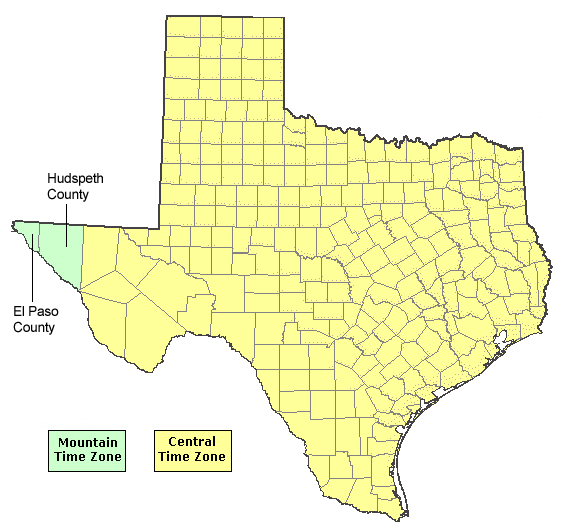
Understanding Dallas’s Time Zone: Central Time at a Glance
The heart of understanding time in Dallas lies in its adherence to the Central Time Zone. This designation is shared by a significant portion of the central United States, parts of Canada, and Mexico, creating a unified temporal rhythm across a vast geographical area.
Central Time Zone (CT) and Central Daylight Time (CDT)
The Central Time Zone (CT) is typically observed during the autumn and winter months. During this period, Dallas operates at UTC-6, meaning it is six hours behind Coordinated Universal Time. This is the standard, unchanging offset that defines the time zone outside of the Daylight Saving Time period.
However, like most of the United States, Dallas observes Daylight Saving Time (DST). This annual practice, designed to make better use of daylight, sees clocks spring forward by one hour in the spring and fall back in the autumn. When Daylight Saving Time is in effect, from early March until early November, Dallas switches to Central Daylight Time (CDT). During CDT, the offset shifts to UTC-5, making it five hours behind Coordinated Universal Time.
This shift means that for roughly eight months of the year, Dallas is “an hour ahead” of its standard Central Time setting, effectively granting an extra hour of daylight in the evenings. For travelers, this subtle but significant change can influence plans, particularly when considering sunset times for outdoor attractions or the timing of evening tourism activities.
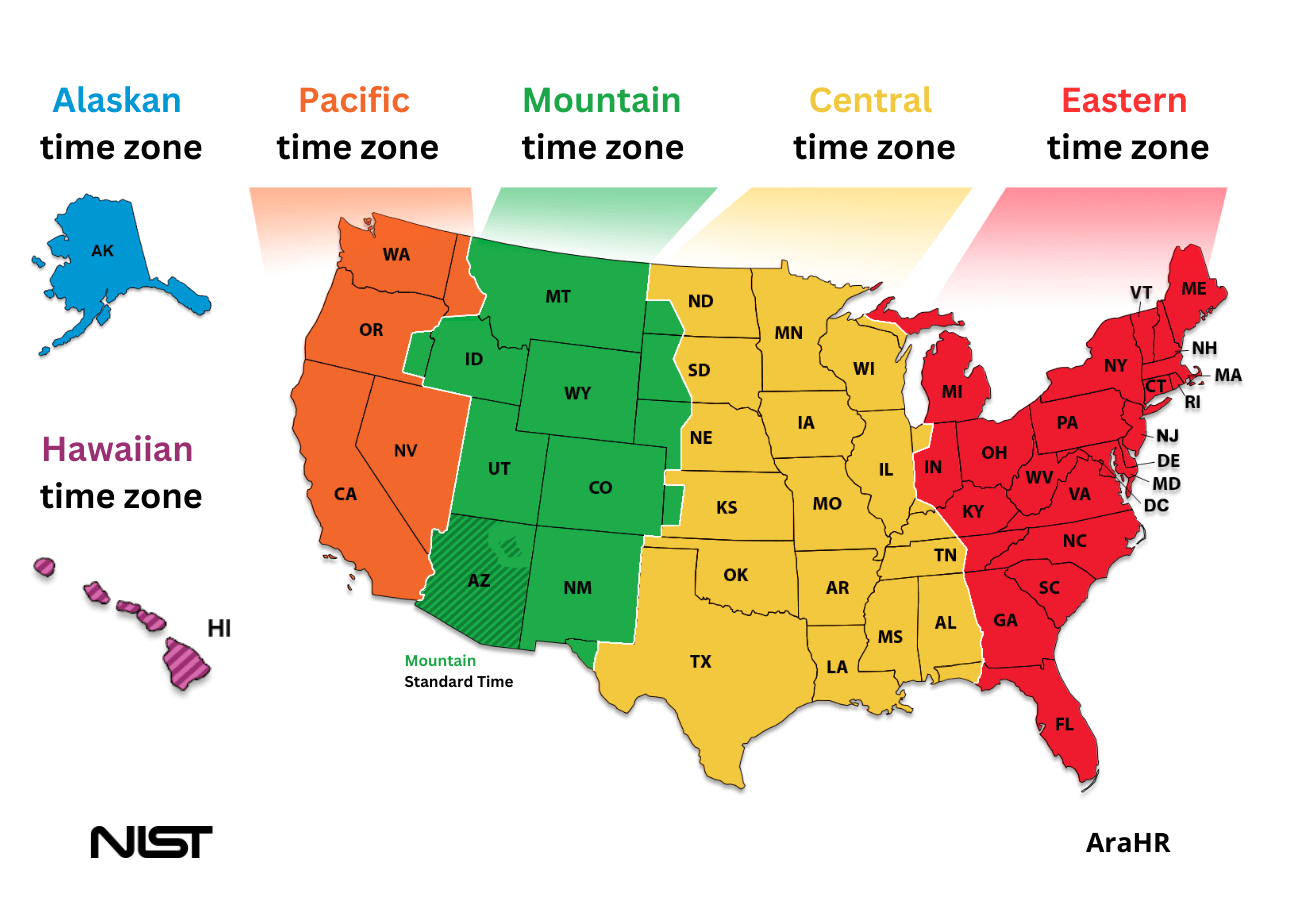
Geographically, the Central Time Zone stretches across the heartland of the United States, encompassing states like Oklahoma, Kansas, Nebraska, Iowa, Missouri, Arkansas, Louisiana, Mississippi, Alabama, Tennessee, Illinois, Wisconsin, and Minnesota, in addition to most of Texas. This wide expanse means that if you’re traveling from a neighboring Central Time Zone state, your time will remain consistent, simplifying cross-state travel logistics. However, arrivals from the East Coast (Eastern Time, ET) will gain an hour, while those from the West Coast (Pacific Time, PT) will lose two hours, making a noticeable difference in their biological clocks upon arrival in Dallas.
Navigating Dallas as a Traveler: Time Zone Implications
For anyone planning travel to Dallas, understanding the Central Time Zone is more than just an interesting fact; it’s a practical necessity that influences numerous aspects of their journey and stay. From managing jet lag to maximizing sightseeing opportunities, the local time zone plays a pivotal role in shaping your Dallas experience.
Arrival and Departure: Syncing Your Schedule
The moment your flight lands at Dallas/Fort Worth International Airport (DFW) or Dallas Love Field, your body immediately begins to process the new time. For international travelers or those coming from distant United States time zones (like the East Coast or West Coast), the concept of jet lag becomes a tangible reality.
When flying from the East Coast, you’ll “gain” an hour, which can feel like an advantage on arrival, providing a slightly longer day to settle in. Conversely, travelers from the West Coast will “lose” two hours, potentially feeling the effects of jet lag more acutely as their body clocks struggle to adjust. International visitors, particularly from Europe or Asia, will experience even more significant shifts, requiring careful planning to mitigate fatigue and fully enjoy their Dallas adventure.
Beyond personal comfort, knowing the local time is crucial for coordinating transportation from the airport, ensuring you arrive punctually for pre-booked tours, and aligning with standard hotel check-in times. When booking flights, always double-check the arrival and departure times in local time to avoid any miscalculations that could lead to missed connections or unnecessary stress. Many hotels and resorts in Dallas cater to travelers arriving at all hours, but early communication about your estimated arrival relative to their check-in policy can ensure a smooth start to your stay.

Experiencing Dallas: Attractions, Dining, and Entertainment
The local time zone is the invisible hand that orchestrates the daily pulse of Dallas. Every attraction, restaurant, and entertainment venue operates on Central Time or Central Daylight Time, making it essential for visitors to adapt their schedules.
Consider the operating hours for popular Dallas landmarks such as the Reunion Tower, offering panoramic views of the city, or the reflective exhibits at the Sixth Floor Museum at Dealey Plaza. Similarly, family-friendly destinations like the Dallas World Aquarium and the Perot Museum of Nature and Science adhere strictly to local hours. Planning your visits requires cross-referencing their stated opening and closing times with your internal clock. An early morning start in your home time zone might feel like a late start in Dallas, potentially impacting how many sites you can visit in a day.
Dallas’s vibrant culinary scene, from upscale dining in Uptown Dallas to the eclectic eateries of Deep Ellum, also revolves around local time. Dinner reservations often fill up quickly, and arriving late due to time zone confusion can lead to missed opportunities. Similarly, catching a live music performance or a sporting event at the American Airlines Center requires an acute awareness of kickoff or curtain times. Your phone or smartwatch should automatically adjust to local time, but it’s always wise to manually confirm, especially after crossing multiple time zones. Integrating local time into your itinerary planning ensures you don’t miss out on any of the fantastic food, culture, and activities that Dallas has to offer.
Practical Considerations for Accommodation and Business
Beyond the immediate impact on sightseeing and personal comfort, the Central Time Zone in Dallas holds significant implications for accommodation logistics and business travel. Understanding these nuances can save travelers from unnecessary complications and ensure a productive and comfortable stay.
Hotel Stays: Check-ins, Amenities, and Comfort
Hotels are the traveler’s home away from home, and their operations are inextricably linked to the local time. Standard check-in times, typically in the mid-afternoon, and check-out times, usually around noon, are all set according to Dallas local time. Arriving much earlier or planning to depart much later than these times might require pre-arrangement with your hotel or resort, potentially incurring additional fees. For instance, luxury hotels like The Adolphus Hotel or the Omni Dallas Hotel pride themselves on service, but even they operate within the strictures of local time for room availability.
Furthermore, the availability of various amenities, which contribute significantly to a comfortable lifestyle while traveling, is also time-dependent. Breakfast service hours, the opening and closing times for pools, fitness centers, and business lounges, are all synchronized with Central Time. If you have specific plans to utilize these facilities, confirm their operating hours relative to your arrival or departure schedule. This is particularly relevant for families traveling with children, where meal times and pool access can significantly impact the daily rhythm of their family trips, or for business travelers needing gym access before early morning meetings.
When researching or booking your accommodation, especially through online platforms that might display times in your home zone, always confirm that all listed times for check-in, check-out, and amenity access are in the local Dallas time. This proactive approach ensures there are no surprises and allows for a smooth transition into your temporary Dallas abode, whether it’s a cozy apartment, a spacious suite, or a grand villa.
Business Travel and Connectivity
Dallas is a major hub for commerce and industry, attracting numerous business travelers annually. For these individuals, time zone awareness is paramount for maintaining productivity and ensuring effective communication. Scheduling virtual meetings, phone calls, or video conferences with colleagues, clients, or partners located in different time zones requires careful calculation.
If you are a business traveler in Dallas (CT/CDT) and need to connect with someone on the East Coast (ET/EDT), remember there’s a one-hour difference. A 9 AM meeting in Dallas would be 10 AM on the East Coast. The difference is more pronounced with the West Coast (PT/PDT), where a 9 AM Dallas meeting means 7 AM for your West Coast counterparts. International calls involve even greater differences, requiring precise coordination to avoid inconvenient times for any party.
Attending conferences, trade shows, or corporate events in Dallas also demands punctuality relative to the local clock. Whether your stay involves a luxury travel experience at the Four Seasons Resort and Club Dallas at Las Colinas or a more budget-friendly stay near the convention center, adhering to the schedule is crucial for networking and maximizing professional opportunities. For remote workers or digital nomads considering a long-term stay in Dallas to leverage its robust economy, integrating the Central Time Zone into their daily work routine from the outset is essential for seamless operations.
Making the Most of Your Dallas Visit: Time Zone Tips and Tricks
Adjusting to a new time zone, especially when crossing several, can initially feel disruptive. However, with a few strategic tips and a positive mindset, you can quickly acclimate to Dallas time and ensure your tourism and travel plans unfold without a hitch.
Adjusting to Dallas Time
The key to combating jet lag and smoothly transitioning to Central Time is proactive adjustment.
- Gradual Shift: If possible, begin shifting your sleep schedule a few days before your trip. If you’re coming from the east, try going to bed and waking up an hour later each day. If from the west, go to bed and wake up an hour earlier.
- Embrace Daylight: Upon arrival in Dallas, expose yourself to natural light during the day, especially in the mornings. This helps reset your circadian rhythm. Conversely, minimize bright light exposure in the evenings.
- Stay Hydrated: Dehydration can exacerbate jet lag symptoms. Drink plenty of water throughout your flight and during your first few days in Dallas.
- Avoid Excessive Caffeine/Alcohol: While tempting, these can disrupt sleep patterns and worsen feelings of fatigue.
- Eat According to Local Time: Try to align your meal times with Dallas’s schedule as soon as you arrive, even if you’re not particularly hungry. This helps your body adjust to the local rhythm.
- Use Technology: Most smartphones automatically update to the local time zone. However, a world clock feature or a dedicated time zone converter app can be invaluable for quickly calculating differences when coordinating with people in other regions.
Planning Your Dallas Itinerary
With a solid understanding of Dallas’s time zone and some personal adjustment strategies, you can optimize your itinerary to make the most of every moment.
- Leverage Early Mornings: If you’re arriving from the West Coast and find yourself waking up early, capitalize on these quiet hours. Visit popular landmarks like Klyde Warren Park or the Dallas Arts District before the crowds gather.
- Embrace the Evening: During Central Daylight Time, the longer daylight hours in the evening can be perfect for exploring outdoor attractions such as the Dallas Arboretum and Botanical Garden or enjoying a stroll along the Trinity River before sunset.
- Book in Advance: For high-demand activities, popular restaurants, or tours, booking well in advance and confirming the local time for your reservation is crucial. This not only secures your spot but also serves as a reminder of the local time.
- Build in Buffer Time: Especially during your first day or two, allow extra time for travel between destinations and for any unexpected delays. This reduces stress and gives you leeway to adjust to the pace of Dallas.
In conclusion, knowing that Dallas, Texas observes the Central Time Zone (CT/CDT) is a fundamental piece of information for any visitor. By understanding its implications for travel, accommodation, tourism, and lifestyle, you can ensure a well-planned, enjoyable, and ultimately unforgettable experience in this remarkable Texas city. So, set your watch, embrace the local rhythm, and prepare to discover all that Dallas has to offer.
LifeOutOfTheBox is a participant in the Amazon Services LLC Associates Program, an affiliate advertising program designed to provide a means for sites to earn advertising fees by advertising and linking to Amazon.com. Amazon, the Amazon logo, AmazonSupply, and the AmazonSupply logo are trademarks of Amazon.com, Inc. or its affiliates. As an Amazon Associate we earn affiliate commissions from qualifying purchases.