
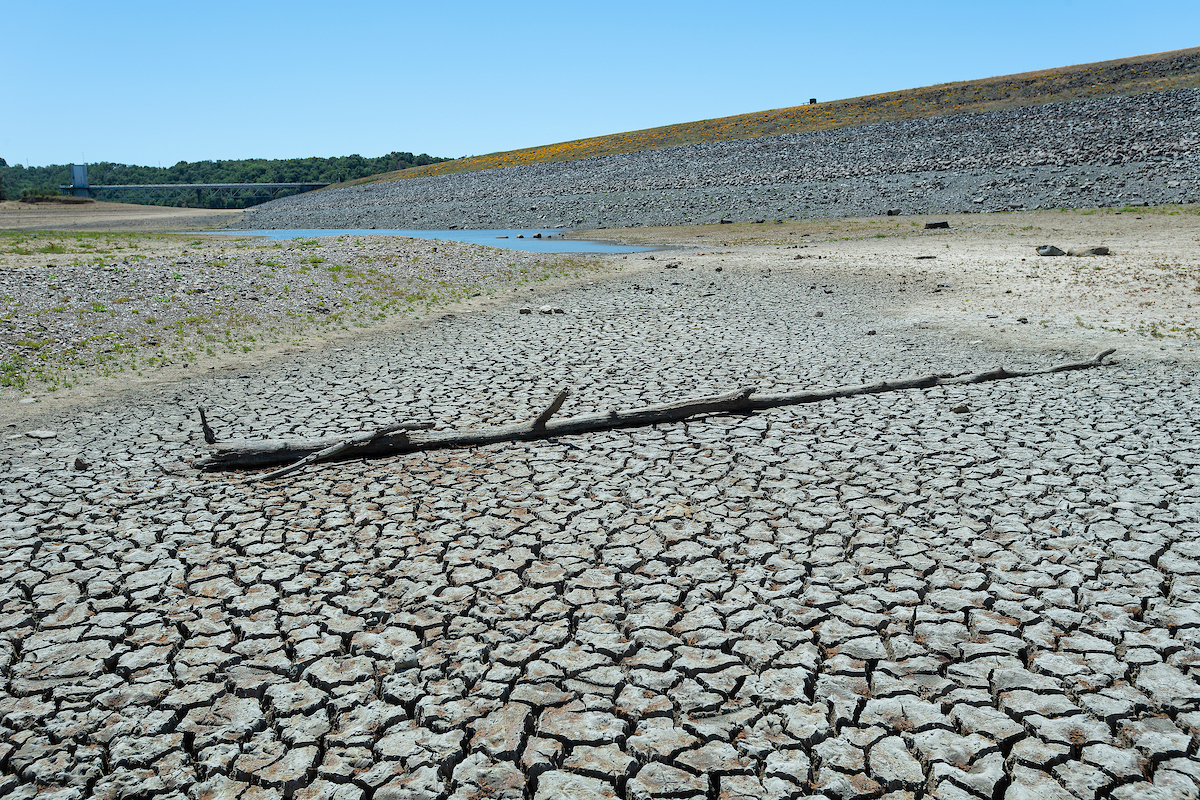
The Golden State, a land synonymous with sunshine, sprawling coastlines, and a vibrant lifestyle, often conjures images of abundance. Yet, beneath the glittering surface of California’s allure, a persistent and increasingly urgent question looms: “Why Is There No Water In California?” While the state rarely experiences a complete absence of water, it is perpetually navigating a complex and often precarious relationship with its water supply, a dynamic shaped by a confluence of natural cycles, human demands, and the dramatic impacts of climate change. This is not a story of barren deserts devoid of a single drop, but rather a nuanced narrative of scarcity, management, and the constant struggle to quench the thirst of a booming population and a voracious economy.

The Intricate Tapestry of California’s Water Sources
California‘s water landscape is a remarkable feat of engineering and natural variation. The state relies on a diverse portfolio of water sources, each with its own vulnerabilities and benefits. Understanding these sources is fundamental to grasping the complexities of water availability.
The Mighty Sierra Nevada Snowpack: A Frozen Reservoir
Perhaps the most iconic and vital component of California‘s water system is the snowpack in the Sierra Nevada mountains. This majestic range acts as a colossal natural reservoir, accumulating vast quantities of snow during the winter months. As spring and summer arrive, this snow melts, slowly releasing freshwater into the state’s river systems, most notably the Sacramento River and the San Joaquin River. This meltwater then flows into a sophisticated network of aqueducts and reservoirs, serving agricultural lands, urban centers, and ecosystems across California.
However, this natural antifreeze is proving increasingly susceptible to the changing climate. Warmer winters mean less snow and more rain. When it does snow, higher temperatures can cause earlier snowmelt, leading to a potential mismatch between water availability and peak demand, which often occurs in the hotter, drier summer months. Moreover, a reduced snowpack directly translates to less water for downstream users, exacerbating existing shortages. The visual spectacle of snow-capped Sierra Nevada peaks is not just a tourist attraction; it’s a critical indicator of the state’s water future.
Groundwater: The Hidden Lifeline
Beneath the surface of California lies another crucial water source: groundwater. This subterranean aquifer system has long been tapped to supplement surface water supplies, particularly during droughts when rivers and reservoirs dwindle. Vast tracts of agricultural land, especially in the fertile Central Valley, depend heavily on groundwater to sustain their operations.
The over-reliance on groundwater has, however, led to significant problems. Extensive pumping has caused groundwater levels to drop dramatically in many areas, a phenomenon known as groundwater depletion. This depletion can lead to land subsidence, where the ground literally sinks, damaging infrastructure like roads, canals, and buildings. In coastal regions, over-pumping can also lead to saltwater intrusion, contaminating freshwater aquifers with ocean water, rendering them unusable. Recognizing these dire consequences, California enacted the Sustainable Groundwater Management Act (SGMA) in 2014, aiming to bring groundwater basins into balance over the next two decades. This legislation represents a significant shift towards more sustainable water management, but the challenges of reversing decades of depletion are immense.
Recycled Water and Desalination: Innovations for a Water-Stressed Future
As traditional sources face mounting pressure, California is increasingly turning to innovative solutions. Water recycling, also known as water reuse, has become a cornerstone of sustainable water management. Treated wastewater, once discharged into the ocean, is now being purified to high standards and reintroduced into the water supply. This can be used for a variety of purposes, including irrigation, industrial processes, and even, with advanced treatment, for drinking water. Cities like San Diego and parts of Los Angeles are leading the way in expanding their recycled water programs.
Desalination, the process of removing salt from seawater, offers another potential avenue for augmenting supply, especially for coastal communities. While technologically advanced, desalination plants are energy-intensive and can be costly to build and operate. Furthermore, concerns remain about the environmental impact of brine disposal, the highly concentrated saltwater byproduct of the desalination process. Despite these challenges, desalination is viewed as a crucial component of California’s long-term water security strategy, providing a reliable, albeit expensive, source of freshwater that is independent of weather patterns.
The Unquenchable Thirst: Demand Drivers in the Golden State
The question of “why is there no water” is intrinsically linked to the immense and ever-growing demand for this precious resource. California is a state of extremes in terms of population and economic activity, and both contribute significantly to water consumption.
A Thriving Population and Urban Needs
California is the most populous state in the United States, with over 39 million residents. Each of these individuals requires water for drinking, sanitation, and daily life. As urban centers like Los Angeles, San Francisco, and San Diego continue to grow, the demand for municipal water supplies intensifies. This includes water for residential use, as well as for businesses, schools, and public services. The lifestyle associated with California – from lush green lawns to swimming pools – also contributes to per capita water consumption, although there is a growing awareness and adoption of water-wise landscaping and practices.
The sheer scale of urban water needs necessitates a robust and reliable water infrastructure. This includes vast aqueduct systems, treatment plants, and distribution networks, all of which are costly to maintain and expand. The competition for water between urban areas and agricultural interests is a recurring theme in California‘s water politics.
The Agricultural Powerhouse: Feeding the Nation and the World
California is an agricultural powerhouse, producing over a third of the United States‘ vegetables and two-thirds of its fruits and nuts. Crops like almonds, grapes, lettuce, and tomatoes are grown in vast quantities, feeding not only the nation but also contributing significantly to global food supplies. This agricultural productivity, however, comes at a substantial water cost.
Irrigation accounts for the largest share of water use in California, often exceeding 80% of the developed water supply. While California farmers are among the most efficient in the world, the sheer acreage under cultivation and the types of water-intensive crops grown mean that agriculture remains the biggest consumer of water. The economic importance of California’s agricultural sector is undeniable, generating billions of dollars in revenue and supporting countless jobs. However, balancing this economic engine with the state’s water realities is one of the most significant challenges facing policymakers and stakeholders. During periods of drought, agricultural water allocations are often cut, leading to fallowed fields, economic hardship for farmers, and debates about water rights and priorities.
The Shadow of Climate Change: A Looming Crisis
The natural variability of California‘s water supply has always been a challenge, but the accelerating impacts of climate change are transforming this challenge into an existential crisis. The patterns of precipitation, temperature, and snowmelt are shifting, creating a more unpredictable and precarious water future.
Rising Temperatures and Decreased Snowpack
As global temperatures rise, California is experiencing warmer winters and hotter summers. This directly impacts the Sierra Nevada snowpack. Instead of accumulating as snow, precipitation is increasingly falling as rain, which flows directly into rivers and is lost to evaporation or flows out to sea before it can be stored. When snow does fall, warmer temperatures cause it to melt earlier in the season, often before the peak demand for irrigation and urban use. This shift in the timing and form of precipitation is a fundamental disruption to the state’s natural water calendar.
More Extreme Droughts and Intense Wildfires
Climate change is also amplifying the intensity and duration of droughts in California. While the state has a history of wet and dry cycles, the recent prolonged droughts have been more severe and persistent than in recorded history. These droughts strain all water sources, from reservoirs to groundwater, and increase the risk of wildfires.
The relationship between drought and wildfires is cyclical and devastating. Dry vegetation becomes highly flammable, leading to more frequent and intense wildfires. These fires not only destroy homes and natural habitats but also degrade water quality by releasing ash and sediment into rivers and reservoirs, further complicating water management efforts. The smoke from these fires also impacts air quality and the overall quality of life for Californians.

The Urgent Need for Adaptation and Resilience
The reality of a changing climate demands a fundamental shift in how California approaches water management. This includes investing in water conservation measures, promoting water-efficient technologies in both urban and agricultural sectors, and developing more resilient water infrastructure.
Water storage projects, both surface and underground, are being re-evaluated and expanded to capture water during wetter periods for use during drier times. Efforts to improve water use efficiency in agriculture, such as drip irrigation and deficit irrigation, are crucial. For urban areas, promoting drought-tolerant landscaping, fixing leaks, and encouraging behavioral changes are vital.
The future of water in California hinges on a collective commitment to adaptation and resilience. It requires innovative solutions, policy reforms, and a deep understanding of the delicate balance between human needs and the natural environment. The question “Why Is There No Water In California?” is not a simple one with a single answer, but a complex multifaceted challenge that requires ongoing vigilance, collaboration, and a willingness to embrace change. The state’s iconic landscapes and vibrant lifestyle depend on its ability to navigate this complex water reality and secure a sustainable future for all.
LifeOutOfTheBox is a participant in the Amazon Services LLC Associates Program, an affiliate advertising program designed to provide a means for sites to earn advertising fees by advertising and linking to Amazon.com. Amazon, the Amazon logo, AmazonSupply, and the AmazonSupply logo are trademarks of Amazon.com, Inc. or its affiliates. As an Amazon Associate we earn affiliate commissions from qualifying purchases.