
The question of whether the California fire has stopped is a critical one, not just for those residing in the affected areas but also for the vast tourism and travel industry that calls the Golden State home. California’s allure is undeniable, drawing millions of visitors annually to its diverse landscapes, iconic landmarks, and vibrant cities. From the sun-drenched beaches of Southern California to the majestic redwood forests of the north, and the bustling cultural hubs like Los Angeles and San Francisco, the state offers an unparalleled travel experience. Understanding the impact and resolution of fires is paramount for planning any journey, ensuring that the beauty and accessibility of these destinations remain uncompromised.
The repercussions of wildfires extend far beyond immediate destruction. They impact air quality for hundreds of miles, leading to travel advisories and cancellations. Infrastructure, including roads and the operations of airports, can be disrupted, making travel to and from popular destinations challenging. Furthermore, the long-term effects on natural attractions and wildlife can alter the very essence of what makes a place a must-visit. For travelers, this translates into uncertainty, the need for flexible booking options, and a keen awareness of current conditions. The hospitality sector, from luxury resorts to budget-friendly apartments, also experiences significant fluctuations in occupancy and revenue depending on fire activity and its proximity to tourist areas.
This article aims to provide a comprehensive overview of the current situation regarding California’s fires, their implications for travelers and the tourism industry, and what steps are being taken to manage and mitigate these challenges. We will delve into the primary concerns for visitors, explore how different regions are affected, and offer insights into how to stay informed and plan your travels safely and responsibly in the face of these natural events. The resilience of California’s tourism sector is a testament to its enduring appeal, but understanding the dynamics of its environmental challenges is crucial for its continued success and for the enjoyment of those who come to experience its wonders.
Understanding the Impact of California Wildfires on Travel
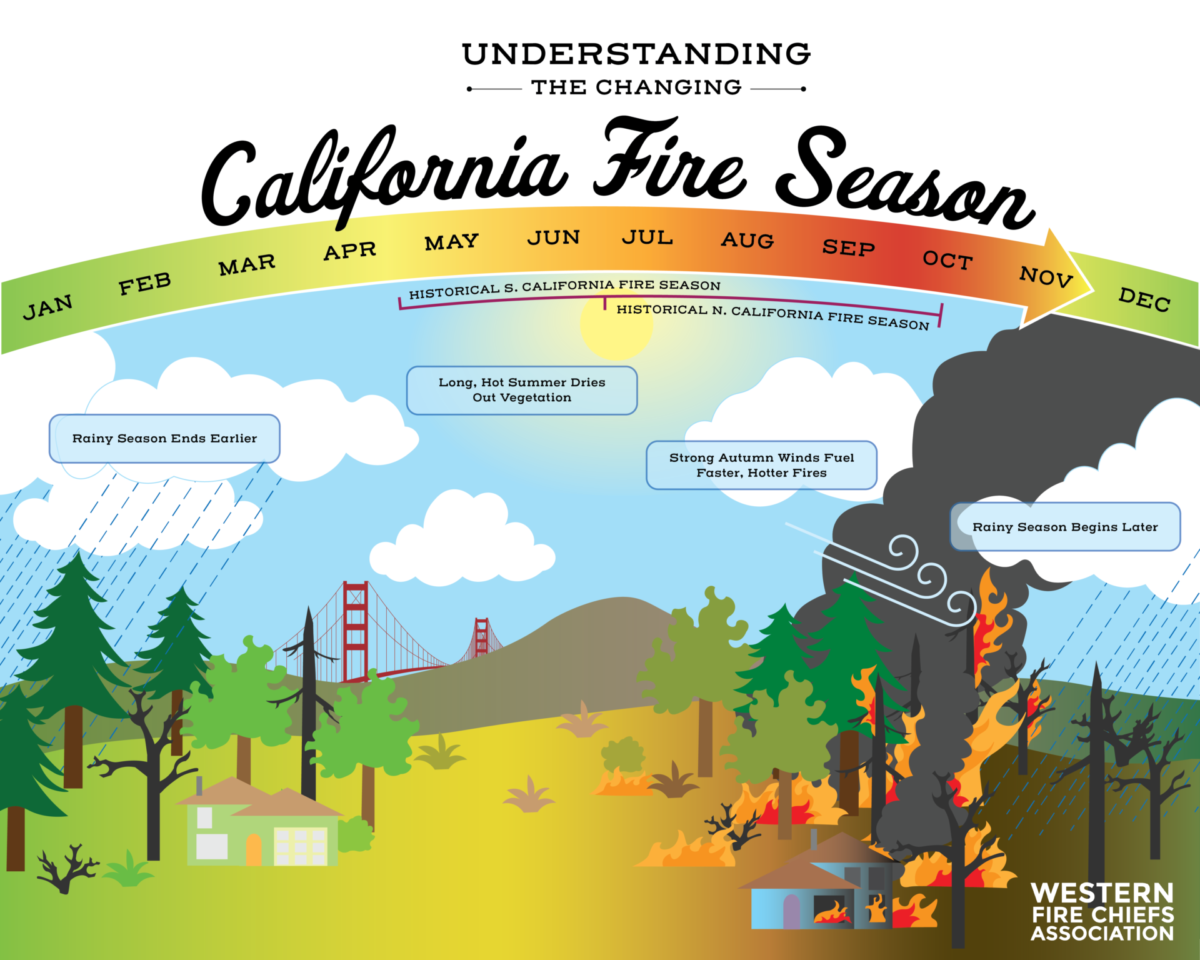
Wildfires in California are a recurring and increasingly significant concern, directly impacting the travel and tourism landscape. These infernos, often exacerbated by dry conditions and strong winds, can rage for weeks, transforming picturesque natural areas into landscapes of ash and smoke. The immediate visual impact is undeniable, but the ripple effects on travel are far-reaching and multifaceted.
Air Quality and Safety Concerns
One of the most immediate and widespread consequences of wildfires is the degradation of air quality. Smoke plumes can travel hundreds of miles, blanketing cities and natural attractions in a hazy, often acrid, atmosphere. This poses significant health risks, particularly to vulnerable populations, and can lead to widespread advisories urging residents and visitors to stay indoors. For travelers, this means outdoor activities, from hiking in Yosemite National Park to exploring the beaches of San Diego, may become unpleasant or even dangerous. Many choose to alter their itineraries or postpone trips altogether when air quality is severely compromised, opting for destinations with clearer skies.
The safety aspect of wildfires cannot be overstated. While major tourist hubs are often protected, fires can erupt near popular destinations, necessitating evacuations and road closures. Iconic routes, such as the Pacific Coast Highway, can be shut down due to fire proximity or smoke, disrupting scenic drives and access to coastal towns. Airports may experience delays or cancellations as smoke interferes with visibility. This unpredictability forces travelers to remain constantly updated on local conditions, often through news outlets and official emergency service websites. The convenience of a spontaneous road trip can be replaced by the necessity of meticulous planning and a degree of flexibility.
Disruption to Attractions and Infrastructure
Beyond immediate safety and air quality, wildfires can inflict significant damage on the very attractions that draw visitors to California. National parks and forests, such as Sequoia National Park and Big Sur, are particularly vulnerable. While many are designed to withstand some level of natural disturbance, widespread fires can destroy trails, campgrounds, and visitor facilities, leading to temporary or even prolonged closures. The loss of these natural treasures, even temporarily, is a blow to both the environment and the tourism economy. Visitors planning trips to these areas must check for operational status and any access restrictions well in advance.
The impact on infrastructure extends beyond natural parks. Wineries in regions like Napa Valley and Sonoma County, renowned for their picturesque vineyards and wine-tasting experiences, can be affected by smoke taint, impacting grape quality and the overall visitor experience. While the vines themselves may be resilient, the atmosphere and the ability to enjoy outdoor tasting sessions can be significantly diminished. Similarly, residential areas and businesses located near wildland interfaces can be directly threatened, leading to business closures and a decrease in available accommodation. This can affect the overall ambiance and accessibility of smaller towns that rely heavily on tourism.
Economic Repercussions for Tourism Businesses
The economic fallout from wildfires on California‘s tourism sector is substantial. Reduced visitor numbers translate directly into lost revenue for hotels, restaurants, tour operators, and local businesses. Hotels in areas impacted by fires, or those experiencing poor air quality, may see a sharp decline in bookings, forcing them to offer significant discounts or face closures. Restaurants that rely on walk-in traffic may struggle when fewer tourists are present or when outdoor dining is not feasible. The intangible loss of reputation, where a region becomes associated with fire and smoke, can have long-lasting effects, deterring future visitors.
The hospitality industry, encompassing everything from luxury suites at the Ritz-Carlton Laguna Niguel to charming bed and breakfasts, invests heavily in marketing and guest experience. Wildfires can undermine these efforts, creating an environment of uncertainty that discourages booking. The reliance on seasonal tourism in many parts of California means that a prolonged fire season can have a devastating impact on businesses that depend on those peak periods. Recovery efforts, while crucial, also divert resources and attention, further challenging the sector’s ability to bounce back quickly.
Navigating a Fire-Prone Landscape: Tips for Travelers
Planning a trip to California in the current climate requires a proactive and informed approach. While the allure of the Golden State remains strong, understanding the potential impact of wildfires and taking necessary precautions can ensure a safer and more enjoyable experience.
Staying Informed and Flexible
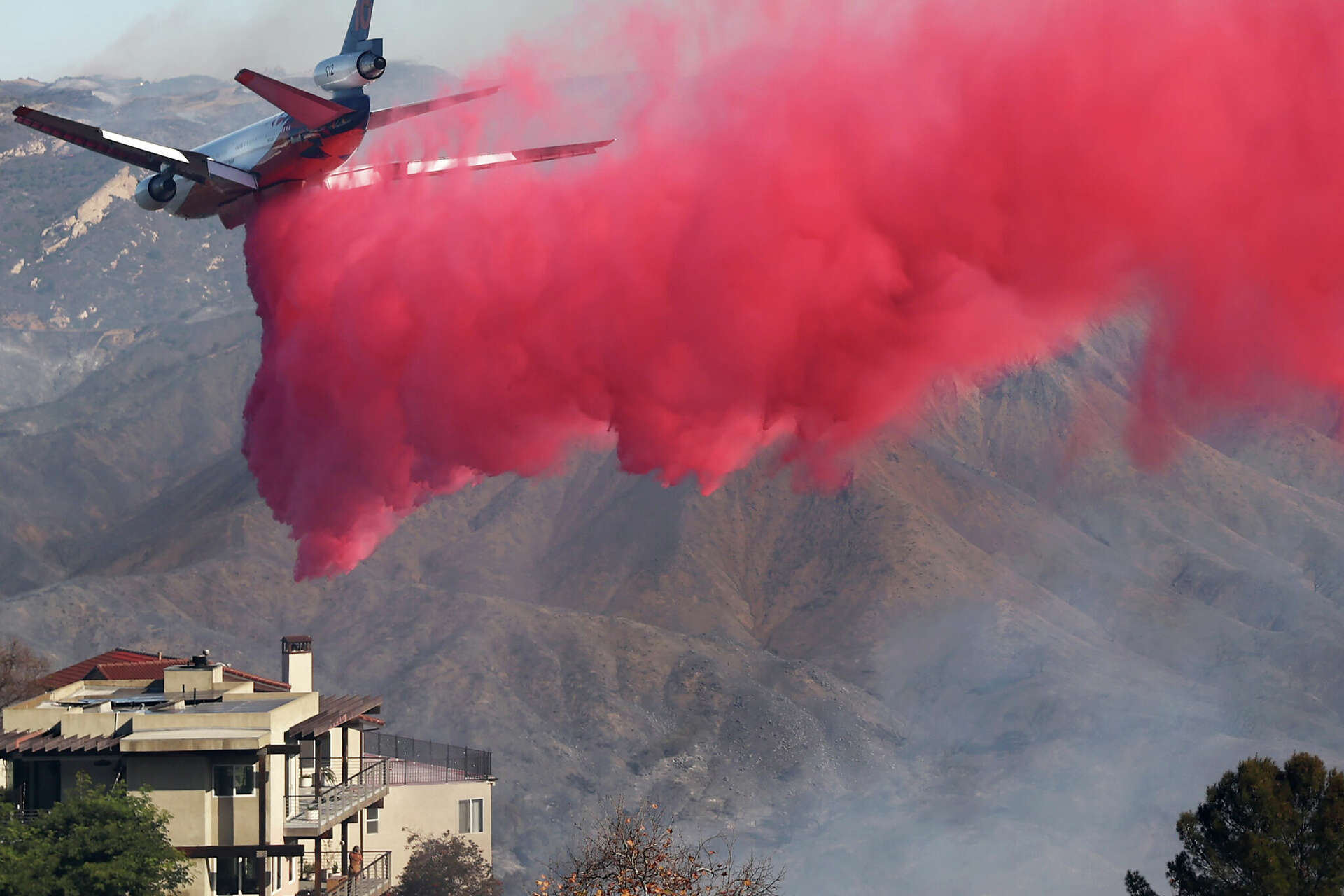
The cornerstone of planning a trip to California during fire season (which has, in recent years, become less seasonal and more year-round) is staying informed. Before you book and throughout your trip, actively monitor official sources for fire activity and air quality reports. Websites like those of Cal Fire, the California Air Resources Board (CARB), and local county emergency services provide real-time updates on active incidents, evacuation orders, and air quality indexes. Reputable news organizations also provide crucial coverage.
Flexibility is your greatest asset. Have backup plans for your itinerary. If a specific destination is affected by smoke or fire, be prepared to pivot to an alternative location that offers a comparable but unaffected experience. For instance, if the Sierra Nevada mountains are experiencing poor air quality, consider exploring the coastal regions of Monterey or Carmel-by-the-Sea instead. Book accommodations and tours with flexible cancellation policies whenever possible. This allows you to adjust your plans without significant financial loss if conditions change unexpectedly.
Choosing Destinations Wisely
When selecting your California destinations, consider their historical susceptibility to fires and their current conditions. Areas with dense wildland vegetation, such as those surrounding Los Padres National Forest or the Angeles National Forest, may be more prone to significant fire activity. Conversely, major urban centers like Los Angeles or San Francisco, while not immune, often have better infrastructure and resources to manage immediate fire impacts.
Coastal areas, while still susceptible to smoke drift, may offer a reprieve from direct fire threats compared to inland mountainous regions during peak fire periods. Research the specific regions you plan to visit. For example, a trip focused on wine tasting in Temecula Valley might be influenced by vineyard proximity to wildlands, whereas a city-based cultural exploration in San Francisco might be less directly impacted by a fire hundreds of miles away, though smoke can still be an issue. Prioritize destinations that are less directly in the path of current fire events or are known for their rapid recovery and preparedness.
Packing and Preparedness
Beyond your standard travel essentials, consider packing items that can enhance your comfort and safety during periods of poor air quality. A high-quality N95 or KN95 mask is invaluable for protecting your respiratory system when venturing outdoors in smoky conditions. Consider bringing eye drops for irritation and any personal medications you might need.
If you plan on engaging in outdoor activities, especially hiking or camping in areas that might be affected, always check trail conditions and fire restrictions beforehand. Pack adequate water and snacks, as access to amenities can be disrupted by closures or evacuations. Familiarize yourself with the evacuation routes for your accommodation and the surrounding areas. Having a physical map in addition to digital navigation can be helpful, as cell service can be unreliable in remote or disaster-stricken areas.
The Future of Tourism in a Changing Climate
The recurring nature of wildfires in California compels a broader discussion about the future of tourism in a region increasingly impacted by climate change. The state’s unique blend of natural beauty and human enterprise is facing new challenges, necessitating adaptation and innovation within the tourism sector.
Sustainable Tourism Practices
As the frequency and intensity of natural disasters like wildfires grow, there is an increasing imperative for California to champion sustainable tourism. This involves promoting practices that minimize environmental impact and foster resilience. For travelers, this can mean choosing eco-friendly accommodations, supporting local businesses that prioritize sustainability, and respecting natural resources. Destinations that focus on conservation and responsible land management are likely to be more resilient in the long run.
The tourism industry itself must also adapt. This includes investing in infrastructure that can withstand extreme weather events, developing robust emergency preparedness plans, and diversifying offerings to be less reliant on specific natural attractions that might be vulnerable. For example, a region known for its hiking trails might also focus on developing its cultural heritage sites or culinary tourism to provide alternatives when outdoor activities are compromised. The concept of “responsible tourism” becomes not just an ethical choice but a pragmatic necessity for the industry’s survival.
Innovation in Visitor Experience
The challenges posed by wildfires also present opportunities for innovation in how visitors experience California. Technologies that provide real-time environmental data, augmented reality experiences that can bring damaged landscapes to life virtually, and more sophisticated predictive modeling for fire behavior can all play a role in enhancing visitor safety and engagement.
The hospitality sector, from luxury resorts in Beverly Hills to boutique hotels in Big Sur, can also innovate. This might involve developing indoor attractions and experiences that are less susceptible to weather-related disruptions. Offering wellness retreats focused on air purification, or culinary experiences that highlight locally sourced, resilient produce, can provide alternative draws. The industry’s ability to adapt and offer compelling, safe, and engaging experiences, even in the face of environmental challenges, will be key to its continued success.
Long-Term Resilience and Recovery
Ultimately, the question of “Did California fire stop?” is part of a larger, ongoing narrative of resilience and recovery. The state has a proven track record of rebuilding and adapting after devastating events. The tourism industry, with its dynamic nature and deep economic roots, will undoubtedly continue to evolve. By embracing sustainable practices, fostering innovation, and prioritizing informed planning, both visitors and the industry can navigate the challenges of wildfire seasons and ensure that the magic of California remains accessible for generations to come. The focus will shift from simply “stopping” fires to a more comprehensive approach of managing risk, building resilience, and ensuring that California remains a premier destination for travelers worldwide.
LifeOutOfTheBox is a participant in the Amazon Services LLC Associates Program, an affiliate advertising program designed to provide a means for sites to earn advertising fees by advertising and linking to Amazon.com. Amazon, the Amazon logo, AmazonSupply, and the AmazonSupply logo are trademarks of Amazon.com, Inc. or its affiliates. As an Amazon Associate we earn affiliate commissions from qualifying purchases.