
When planning a trip to a vibrant metropolis like Chicago, the focus often lands on iconic landmarks, world-class museums, and delectable culinary experiences. However, for the discerning traveler, especially those with a keen eye for detail or specific needs, understanding the local environment can enhance comfort and preparation. One such environmental factor, often overlooked, is the quality of the water. Specifically, the question arises: Does Chicago have hard water? The answer, for the most part, is yes, and understanding what this means can be beneficial for your visit.
Understanding Water Hardness
Water hardness is a measure of the dissolved mineral content, primarily calcium and magnesium, in water. These minerals are picked up as water flows through rock and soil. While not a health concern, hard water can have noticeable effects on daily life, from laundry to personal care.

What Makes Water “Hard”?
The concentration of dissolved minerals, particularly calcium carbonate (CaCO3), determines whether water is classified as hard or soft. The United States Geological Survey (USGS) provides general guidelines:
- Soft Water: Less than 60 milligrams per liter (mg/L) of calcium carbonate.
- Slightly Hard Water: 60 to 120 mg/L.
- Hard Water: 120 to 180 mg/L.
- Very Hard Water: More than 180 mg/L.
The presence of these minerals can lead to several practical implications that travelers might encounter. For instance, hard water can reduce the lathering ability of soaps and shampoos, potentially leaving a residue on skin and hair. In appliances like kettles and coffee makers, it can contribute to limescale buildup, affecting efficiency and longevity.
Chicago’s Water Supply: A Deep Dive
Chicago’s water supply is primarily drawn from the pristine waters of Lake Michigan. This vast freshwater lake is a significant natural resource for the region and plays a crucial role in the city’s water system. The Chicago Department of Water Management is responsible for treating and distributing this water to residents and businesses.
The Source and Its Impact
Lake Michigan itself is known for its relatively low mineral content compared to groundwater sources, which are often harder. However, the journey of water from the lake to your tap in Chicago can involve interactions that slightly increase its mineral concentration.
The city’s water treatment process is robust, ensuring the water is safe for consumption. While the raw water from Lake Michigan is naturally on the softer side, the distribution system and certain geological factors within the urban environment can contribute to the overall hardness levels experienced by consumers. Therefore, while Chicago might not be classified as having “very hard” water compared to some other cities, it generally falls into the category of hard water.
Travelers staying in hotels across the city, from luxurious options like the Ritz-Carlton Chicago to more budget-friendly accommodations, will likely encounter water that exhibits characteristics of hardness. This is a common trait for many major urban centers that rely on large surface water bodies.
Practical Implications for Travelers
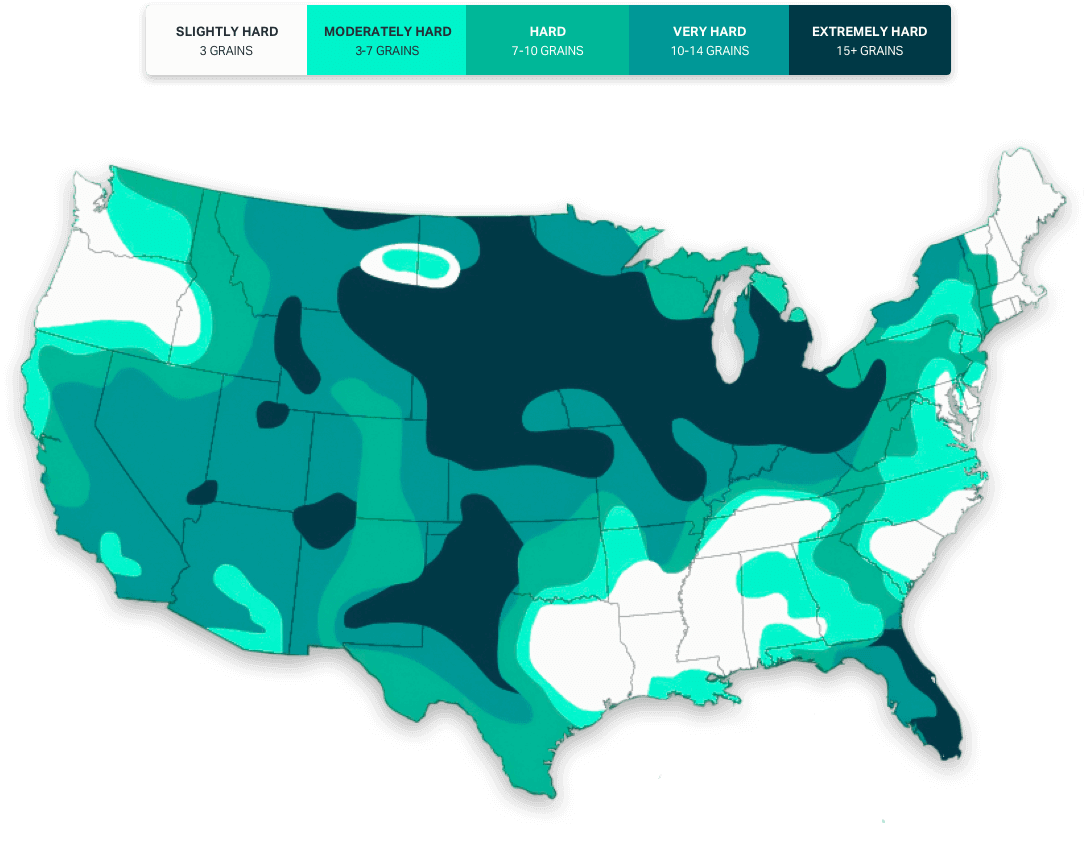
For most visitors to Chicago, the hardness of the water will be a minor, if not entirely imperceptible, detail. However, for those who are particularly sensitive to water quality, or who have specific concerns about its effects, understanding these implications can be helpful.
Personal Care and Comfort
The most common observation related to hard water is its effect on personal care. You might find that:
- Soaps and Shampoos Lather Less: You may need to use more product to achieve a satisfactory lather. This is because the minerals in the water react with soap molecules, forming a scum that reduces their effectiveness.
- Skin and Hair Might Feel Different: After showering, you might notice a film on your skin or a dullness to your hair. This is the mineral residue left behind. Some people find their skin feeling drier or more irritated.
- Appliances May Show Signs of Scale: If you are on a longer stay in an apartment or villa, or perhaps using a coffee maker in your hotel room, you might observe white, chalky deposits (limescale) forming over time. This is particularly noticeable in kettles, showerheads, and faucets.
While these effects are generally cosmetic and do not pose a health risk, they can impact your overall comfort during your stay. For individuals with sensitive skin or conditions like eczema, the mineral content could potentially exacerbate dryness or irritation.
Culinary Experiences
The hardness of water can subtly influence the taste and preparation of food and beverages. For example:
- Coffee and Tea: Hard water can affect the extraction of flavors from coffee grounds and tea leaves, potentially leading to a less nuanced taste. It can also contribute to the formation of scale in coffee makers and kettles, impacting their performance.
- Cooking: When cooking pasta or vegetables, hard water might require slightly longer cooking times as the minerals can affect the way they absorb water.
However, it’s important to note that Chicago is renowned for its incredible culinary scene, and the water hardness is unlikely to be a significant detractor for most dining experiences. Many restaurants and cafes use water filtration systems to ensure optimal flavor extraction and appliance longevity.
Staying Prepared and Enjoying Your Visit
While Chicago does have hard water, it is unlikely to significantly detract from your travel experience. The city’s water quality is consistently monitored and treated to meet stringent public health standards. For the vast majority of tourists, the water will be perfectly safe and suitable for drinking and all other common uses.

Tips for Travelers
If you are particularly concerned about the effects of hard water, here are a few things you can do:
- Utilize Hotel Amenities: Many hotels in Chicago, especially those in the luxury segment, have water filtration systems installed in their rooms or throughout the property. This can significantly soften the water you use.
- Bring Your Own Toiletries: If you have specific shampoos or conditioners that you know work well with your hair type and are sensitive to how hard water affects them, consider bringing travel-sized versions.
- Consider a Water Softener for Extended Stays: For those planning a long-term stay in a rental apartment or villa, and if you find the water hardness bothersome, you might consider inquiring about or even installing a portable water softener.
- Stay Hydrated: Regardless of water hardness, staying hydrated is crucial when exploring a city like Chicago, whether you’re visiting the Art Institute of Chicago, walking through Millennium Park, or enjoying the views from the Willis Tower.
Ultimately, the water in Chicago is a testament to the quality of its natural resources and the diligent efforts of the city’s water management. While it leans towards the harder side, it’s a characteristic that is well-managed and unlikely to impact the enjoyment of your travels. Embrace the city’s vibrant culture, explore its magnificent landmarks, and savor its culinary delights, knowing that the water is safe, clean, and ready to refresh you as you experience all that Chicago has to offer.
LifeOutOfTheBox is a participant in the Amazon Services LLC Associates Program, an affiliate advertising program designed to provide a means for sites to earn advertising fees by advertising and linking to Amazon.com. Amazon, the Amazon logo, AmazonSupply, and the AmazonSupply logo are trademarks of Amazon.com, Inc. or its affiliates. As an Amazon Associate we earn affiliate commissions from qualifying purchases.