
As summer days slowly begin to wane, families across the Lone Star State inevitably turn their thoughts to the upcoming academic year. For many, the question “When does school start in Texas in 2024?” isn’t just about calendars and class schedules; it’s a pivotal point for planning last-minute vacations, managing budgets, and preparing for the rhythm of school-year life. Understanding the typical school start dates in Texas is crucial, not only for students and parents but also for travelers looking to experience the state’s diverse attractions, for tourism operators anticipating shifts in visitor numbers, and for anyone seeking to make the most of the shoulder seasons before or after the academic rush.
Texas, a state known for its vast landscapes, vibrant cities, and unique culture, offers an incredible array of travel opportunities. From the bustling metropolitan areas of Dallas and Houston to the historic charm of San Antonio and the musical heart of Austin, there’s an adventure awaiting every type of traveler. The timing of school openings significantly influences when and how people travel, impacting everything from hotel availability and flight prices to the crowd levels at popular landmarks and resorts. This article delves into the specifics of Texas school start dates for 2024, exploring how these schedules shape travel decisions, tourism trends, and lifestyle choices for both residents and visitors alike.

Navigating Texas School Calendars: A General Overview
The academic calendar in Texas is not a one-size-fits-all decree handed down by a central authority. Instead, the state grants significant autonomy to individual school districts. This localized control means that while there are general trends, the exact start date for schools can vary considerably from one district to another, sometimes even within the same metropolitan area.
The Typical August Start and District Autonomy
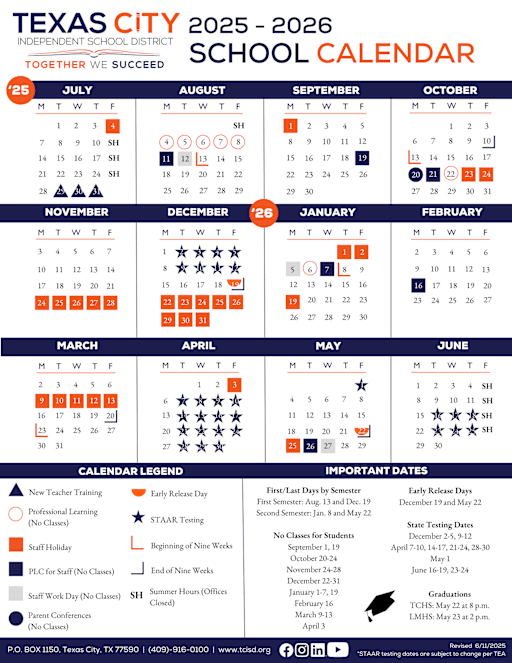
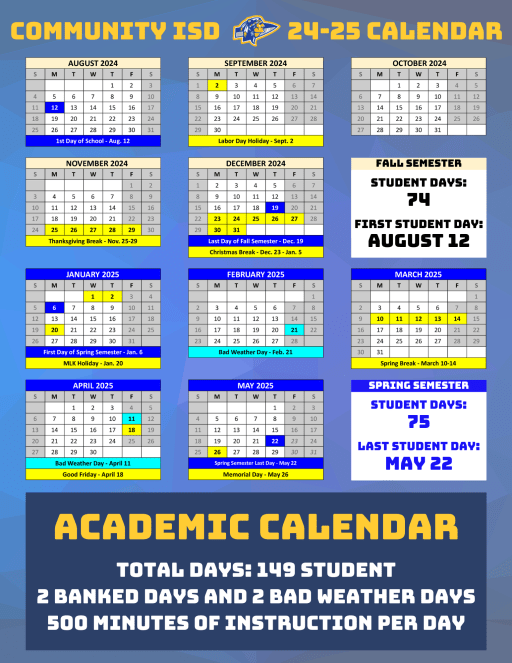
For most public school districts in Texas, the 2024-2025 academic year is expected to commence in mid-August. Historically, the third or fourth week of August has been the most common period for students to return to classrooms. This tradition is largely influenced by state regulations that mandate a minimum number of instructional days or hours, allowing districts flexibility in scheduling holidays, professional development days, and summer breaks.
For example, a large district like the Houston Independent School District might publish its calendar well in advance, often by early spring of the preceding year. Similarly, the Dallas Independent School District, Austin Independent School District, and San Antonio Independent School District will each set their own distinct schedules. While the mid-August window is a strong general guide, it is always advisable for families and travelers whose plans hinge on these dates to check the official website of the specific school district in question. Many districts also release proposed calendars for public comment before final adoption, offering early insights. This autonomy not only dictates when school starts but also influences the timing of critical breaks like Thanksgiving, winter holidays, and spring break, all of which are peak travel times within the state.
Key Factors Influencing Start Dates (District Size, Local Events, State Requirements)
Several factors play a role in a district’s decision-making process for setting its calendar. State requirements dictate the minimum instructional days and often specify an earliest possible start date, typically no earlier than the fourth Monday in August. However, districts can apply for waivers to start earlier, especially those that build in longer breaks during the year or need to accommodate specific testing schedules.
Local events and community considerations also weigh heavily. Districts in popular tourist destinations like Galveston or South Padre Island might consider the local tourism season when setting their calendars. Conversely, districts in agricultural areas might factor in harvest schedules. Larger districts might prioritize standardized testing schedules or professional development requirements for their vast teaching staff. The need to align with local community college calendars for dual-enrollment programs or to avoid conflicts with major municipal events can also subtly influence the final decision. This intricate web of considerations ensures that while a general pattern exists, the exact school start date in Texas in 2024 will remain a localized decision for each of its over 1,000 public school districts.
The Impact of School Start Dates on Texas Travel and Tourism
The timing of school openings creates distinct travel windows, profoundly influencing tourism patterns and travel costs across Texas. For those looking to travel, understanding these shifts can lead to more enjoyable experiences and significant savings.
Maximizing Your Last Summer Getaway
For families, the period just before schools resume in mid-August represents the final opportunity for a quintessential summer vacation. This window, roughly from the last week of July through the first two weeks of August, sees a surge in demand for family-friendly destinations and accommodations. Resorts like Great Wolf Lodge in Grapevine, Schlitterbahn Waterparks in New Braunfels and Galveston, and theme parks such as Six Flags Over Texas in Arlington or SeaWorld San Antonio experience peak visitor numbers. Beaches along the Texas Gulf Coast, from Corpus Christi to South Padre Island, are also bustling with families soaking up the last rays of summer sunshine.
During this peak period, hotels and resorts, particularly those offering family suites or extensive amenities, tend to be fully booked and command higher rates. Booking well in advance becomes critical for securing preferred accommodation and travel arrangements. This rush also means potentially longer lines at attractions and more crowded public spaces. Savvy travelers often weigh the enjoyment of a lively atmosphere against the desire for a more relaxed, less crowded experience, sometimes opting for slightly earlier summer travel or pushing their major trips to the fall.
Fall Travel: Embracing the “Shoulder Season” in Texas
Once schools are back in session, generally from the third week of August onward, Texas enters its glorious “shoulder season.” This period, extending through September and October, is often considered by many to be the best time to visit the state. The sweltering summer heat begins to subside, temperatures become more pleasant, and the crowds significantly thin out.
For adults and families with pre-school children or those able to travel outside of traditional school breaks, fall offers a fantastic opportunity for more serene travel experiences. Hotels and resorts, from the luxurious JW Marriott San Antonio Hill Country Resort & Spa to charming boutique hotels in Fredericksburg, often offer more competitive rates and greater availability. Popular landmarks like The Alamo and the San Antonio River Walk become much more enjoyable without the peak summer throngs.
The Texas Hill Country truly shines in the fall, with wineries celebrating harvests and quaint towns hosting festivals. Big Bend National Park, which can be prohibitively hot in summer, becomes ideal for hiking and exploring its rugged beauty. For cultural enthusiasts, the museums in Houston’s Museum District or the innovative art scene in Marfa are more accessible. This shift in the travel landscape highlights how intimately school calendars are tied to the broader tourism economy, influencing visitor experiences and opportunities for both budget-conscious and luxury travelers.
Planning Your Texas Family Adventures Around the School Year
Understanding the school calendar is key to crafting memorable family trips that blend education, relaxation, and fun, whether you’re taking advantage of the summer’s end or planning for longer breaks.
Pre-School Prep and Post-Start Exploration
The last weeks before school starts are not just for summer fun; they’re also a critical time for back-to-school preparations. Shopping for supplies, attending orientations, and adjusting sleep schedules become priorities. However, this doesn’t mean travel must cease. Many families opt for short, localized trips during this period – perhaps a weekend staycation in a city like Fort Worth, exploring its historic Stockyards or world-class museums, or a quick drive to a nearby state park for camping. These smaller adventures provide a refreshing break from school prep without demanding extensive travel time.
Once school is in session, travel shifts towards longer weekends and official school holidays. Columbus Day/Indigenous Peoples’ Day, Veterans Day, and especially Thanksgiving break, winter holidays, and spring break become prime opportunities for extended family travel. These periods require careful planning, as they are mini-peak seasons within the school year. Booking flights, rental cars, and accommodation, especially family-friendly resorts, well in advance is essential. For example, a stay at the Omni Dallas Hotel during a holiday weekend offers access to downtown attractions without the summer crowds. Families might also consider unique accommodations like apartment rentals for a more home-like experience, especially for longer stays, offering flexibility and often better value for larger groups.
Discovering Texas’s Top Destinations and Attractions
Texas offers a seemingly endless list of attractions, many of which can be enjoyed year-round but take on a different character depending on the school calendar.
- For History Buffs: The Alamo and the San Antonio River Walk are must-visits. During the fall and spring, the cooler weather makes walking tours more comfortable.
- For Space Enthusiasts: Space Center Houston provides an incredible educational experience. Visiting during a weekday in September or October can mean fewer school groups and more intimate exploration.
- For Nature Lovers: Big Bend National Park is best visited in the cooler months, as are the state parks scattered throughout the Texas Hill Country, which are perfect for hiking, biking, and enjoying the changing leaves.
- For City Explorers: Cities like Austin, with its live music scene and vibrant food culture, or Dallas, offering world-class shopping and museums, are fantastic for urban exploration. Staying at an iconic hotel like The Driskill in Austin or Hotel ZaZa Houston can elevate the lifestyle experience, regardless of school schedules.
Accommodation Choices for Every Family
The array of accommodation options in Texas caters to every family size, budget, and travel style. During the pre-school rush, family resorts with comprehensive amenities like pools, kids’ clubs, and dining options are highly sought after. Think about properties in destination cities that offer suites or connecting rooms, providing ample space for everyone.
As the school year progresses, families might consider different types of accommodation for shorter weekend trips or longer holiday stays. Vacation rentals, including apartments, villas, and cabins, offer privacy and the convenience of a kitchen, which can be a budget-friendly option for families. For those seeking luxury travel experiences, high-end resorts and boutique hotels provide exceptional service and unique atmospheres. Conversely, budget travelers can find excellent value in mid-range hotels, especially during the shoulder seasons, allowing them to stretch their travel dollars further while still enjoying quality stays. Comparing options and reading reviews on booking platforms is always a smart strategy to ensure the chosen accommodation perfectly matches the family’s needs and expectations.
Beyond the Classroom: Texas Lifestyle and Learning Opportunities
The academic calendar, while structured, also opens doors to unique lifestyle choices and educational tourism, making Texas a year-round destination for enriching experiences.
Educational Tourism and Family-Friendly Experiences
Texas’s rich history, diverse ecosystems, and cutting-edge institutions provide countless opportunities for “educational tourism” that seamlessly blends learning with leisure. Beyond structured school trips, families can plan their own educational adventures. A visit to the Sixth Floor Museum at Dealey Plaza in Dallas offers profound historical insights. Exploring the Houston Museum of Natural Science can spark a child’s interest in paleontology or space. Many state parks, like Dinosaur Valley State Park, offer interpretive programs that make learning about natural history engaging for all ages.
These experiences are often more enjoyable during the shoulder seasons when school groups are fewer, allowing families to explore at their own pace. Furthermore, many Texas cities host annual festivals and events that align with school breaks, offering cultural immersion and entertainment. For instance, autumn often brings harvest festivals to the Hill Country and art fairs to major cities, providing a chance to experience local culture and traditions firsthand. Incorporating these elements into family travel plans enhances the lifestyle aspect, transforming a simple vacation into a holistic experience that broadens horizons and creates lasting memories.
Budgeting and Booking Smart for Texas Travel
Understanding when schools start and the subsequent shifts in travel demand is perhaps the most powerful tool for budgeting and smart booking. For those restricted to peak travel times (pre-school surge, holiday breaks), early booking is non-negotiable for securing desirable rates and availability, especially for popular hotels and resorts. Consider travel insurance for these high-demand periods to protect against unforeseen changes.
For travelers with more flexibility, targeting the shoulder seasons (late August through October, and late January through early March) can lead to significant savings on accommodation, flights, and even attraction tickets. Hotels often introduce special promotions to attract guests during these quieter times. Additionally, exploring alternative accommodation options, such as charming bed and breakfasts in small towns or well-equipped apartments in urban centers, can provide both unique experiences and cost-effective solutions. Using online comparison tools for flights and hotels, signing up for travel alerts, and being open to slightly off-peak departure times can all contribute to a more budget-friendly Texas adventure. Ultimately, knowing when schools start in Texas in 2024 is more than just a date; it’s a strategic piece of information that unlocks smarter travel planning and richer experiences across the state.
LifeOutOfTheBox is a participant in the Amazon Services LLC Associates Program, an affiliate advertising program designed to provide a means for sites to earn advertising fees by advertising and linking to Amazon.com. Amazon, the Amazon logo, AmazonSupply, and the AmazonSupply logo are trademarks of Amazon.com, Inc. or its affiliates. As an Amazon Associate we earn affiliate commissions from qualifying purchases.