
The allure of a journey between two iconic American cities, Denver and Chicago, is undeniable. Whether you’re drawn by the vibrant cultural scene of the Windy City or the majestic Rocky Mountain backdrop of the Mile High City, understanding the logistics of your travel is key to a smooth and enjoyable experience. At the forefront of this planning is the question that sits at the heart of many travel itineraries: “How long is a flight from Denver to Chicago?” This seemingly simple query unlocks a cascade of related considerations, from the quickest direct routes to the factors that can influence flight duration, and even what to expect upon arrival in your chosen destination.
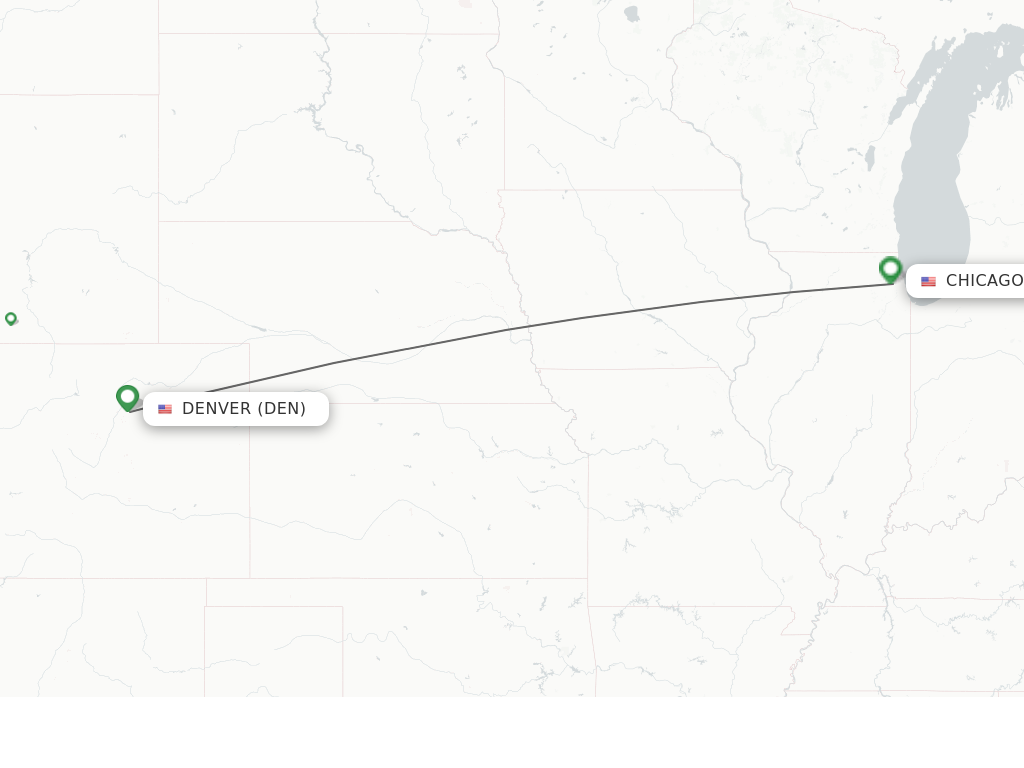
The flight between Denver, Colorado, and Chicago, Illinois, is a popular route, traversed by millions of travelers each year for business, leisure, and family visits. Given the relatively moderate distance and the presence of major airline hubs in both cities, non-stop flights are plentiful, offering a convenient and time-efficient way to bridge the gap between the mountains and the Great Lakes. However, while the flight time itself is a crucial piece of information, it’s just one facet of the overall travel experience. Factors such as airline choice, aircraft type, wind conditions, and air traffic control can all play a role in the precise duration of your airborne journey.
Direct Flight Durations: The Fastest Path
When considering the flight from Denver to Chicago, the most common and desirable option for many travelers is a non-stop flight. These flights offer the most straightforward and efficient way to get from point A to point B, minimizing travel time and eliminating the complexities of layovers. On average, a direct flight from Denver International Airport (DEN) to Chicago O’Hare International Airport (ORD) or Chicago Midway International Airport (MDW) clocks in at approximately 2 hours and 30 minutes. This figure, however, is an average, and you’ll often find slight variations depending on several influencing elements.
Several major airlines operate this route, including United Airlines, American Airlines, Southwest Airlines, and Frontier Airlines. The specific aircraft utilized by each airline can also contribute to minor differences in flight duration. Larger, faster jets might shave a few minutes off the journey, while smaller planes might take slightly longer. It’s always a good practice to check the specific flight details provided by your chosen airline when booking, as they will offer the most accurate estimated flight time for your particular booking.
The flight path itself is largely dictated by air traffic control and prevailing wind patterns. Flights generally travel eastward from Denver, traversing across the central United States. This route can see varying tailwinds or headwinds, which can either speed up or slow down the aircraft. While airlines factor these into their flight planning, unpredictable shifts in wind speed and direction can lead to slight deviations from the estimated flight time.
It’s also worth noting that the distance between Denver and Chicago is roughly 900 miles (approximately 1450 kilometers). This distance, when covered by a commercial airliner traveling at cruising speeds of around 500-600 miles per hour, naturally results in the flight times we observe. The geographical positioning of these two major metropolitan areas makes them frequent destinations for one another, contributing to the robust competition and frequent flight schedules.
Factors Influencing Flight Time Beyond the Departure Gate
While the published flight time is a valuable guide, it’s important to understand that several external factors can subtly influence how long you spend in the air between Denver and Chicago. These are elements that are largely outside the direct control of the airline or the passenger, but they are integral to the overall aviation experience.
Weather Conditions: A Powerful Determinant
Perhaps the most significant factor that can impact flight duration is weather. Both the departure and arrival cities, as well as the airspace in between, can experience weather phenomena that necessitate adjustments to flight plans.
- Headwinds and Tailwinds: As mentioned earlier, winds play a crucial role. A strong tailwind can push the aircraft along, shortening the flight time, while a headwind will act as a drag, increasing the time it takes to reach Chicago. These winds are most impactful at cruising altitudes.
- Storms and Turbulence: Severe weather, such as thunderstorms, can force aircraft to deviate from their direct flight path to avoid dangerous conditions. This detouring can add significant time to the flight. Similarly, areas of significant turbulence might require the pilot to descend or ascend to smoother air, which can also prolong the journey.
- Airport Conditions: Adverse weather at Denver International Airport or Chicago’s airports can lead to delays in takeoff or landing. Heavy snow, fog, or strong crosswinds can ground flights or slow down ground operations, indirectly affecting the overall time from departure to arrival.
Air Traffic Control and Airspace Congestion
The skies are a complex network, and air traffic control (ATC) plays a vital role in maintaining safety and order.
- Congestion: Both Denver and Chicago are major aviation hubs, meaning their airspace and airports are often very busy. Air traffic controllers may need to assign specific routes or holding patterns to manage the flow of aircraft, especially during peak travel times. This can lead to slightly longer flight paths or periods of circling before landing.
- Airport Operations: The efficiency of operations at both Denver International Airport and Chicago O’Hare International Airport can also influence flight times. Delays in deplaning, boarding, or taxiing can add to the overall travel experience, even if the airborne portion is on schedule.
Aircraft Type and Flight Path Optimization
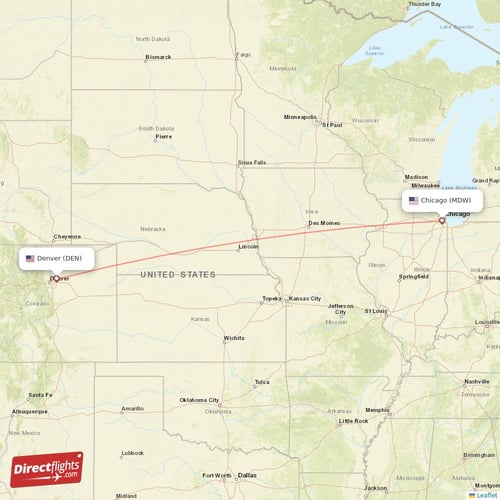
While the direct distance between Denver and Chicago remains constant, the specific routing can vary. Airlines often use sophisticated flight planning software that takes into account current weather conditions, prevailing winds, and air traffic to determine the most efficient route. The type of aircraft also matters, as different planes have varying cruising speeds and fuel efficiencies. While the difference might be minor, a Boeing 737 might operate slightly differently than an Airbus A320 on the same route.
Connecting Flights: When Layovers Add to the Journey
For travelers who choose or are required to take flights with layovers, the total travel time from Denver to Chicago can extend significantly. Connecting flights are often chosen for cost savings or when direct flights are unavailable or inconveniently timed. The duration of a connecting flight itinerary is not simply the sum of the flight times. It includes the time spent on the ground at the connecting airport, which can vary widely.
Understanding Layover Durations
When planning a trip with a layover, it’s essential to consider the length of the stopover. A short layover, typically an hour or two, is designed to be just enough time to disembark from one aircraft, navigate the airport, and board the next. However, even short layovers can become stressful if the first flight is delayed, making it difficult to catch the connecting flight.
Conversely, longer layovers can offer opportunities to stretch your legs, grab a meal, or even explore a bit of the layover city if time and airport regulations permit. However, these longer waits contribute substantially to the overall travel time.
Common Connecting Hubs for Denver to Chicago Flights
While direct flights are common, some travelers might find themselves connecting through other major cities. Common hubs for flights originating in Denver and heading towards Chicago could include cities like Minneapolis, St. Louis, or even hubs on the East Coast, depending on the airline and specific routing. The choice of connecting city will also influence the overall flight segments and the time spent in the air. For example, a flight connecting through Minneapolis might have two shorter flight segments, while a more circuitous route might involve longer flights with a longer layover in a distant city.
The total journey with a layover can range anywhere from 4 to 8 hours or even longer, depending on the efficiency of the connection and the duration of the layover itself. This is why, for many, the appeal of a direct flight from Denver to Chicago lies in its predictability and time-saving nature, offering a swift transition between these two distinct American landscapes.
Arriving in Chicago: What to Expect
Once your flight touches down in Chicago, whether at O’Hare International Airport or Midway International Airport, your journey continues. Understanding what to expect upon arrival can help you transition smoothly into your Chicago experience.
Airport Logistics and Transportation
Both O’Hare International Airport and Midway International Airport are major international airports, equipped with numerous amenities and efficient transportation links to the city.
- O’Hare International Airport (ORD): This is one of the busiest airports in the world and serves as a major hub for United Airlines and American Airlines. From O’Hare, the most convenient and popular way to reach downtown Chicago is via the CTA ‘L’ train (Blue Line), which offers frequent service and takes approximately 45 minutes to reach the Loop. Taxis, ride-sharing services, and rental cars are also readily available.
- Midway International Airport (MDW): While smaller than O’Hare, Midway is a significant hub for Southwest Airlines. It also offers excellent public transportation connections. The CTA Orange Line train provides a direct link to downtown Chicago, with a journey time of around 25-30 minutes. Taxis and ride-sharing services are also options.
The choice between O’Hare and Midway might depend on the airline you fly and the specific location of your accommodation or final destination within the Chicago metropolitan area. O’Hare is located further northwest of the city center, while Midway is situated southwest.

Embracing the Windy City
Upon arrival, you’re ready to immerse yourself in the vibrant energy of Chicago. From its world-class museums, such as the Art Institute of Chicago, to its stunning architecture, including the iconic Willis Tower (formerly Sears Tower) and the beautiful Navy Pier, the city offers a wealth of attractions. You can explore its diverse neighborhoods, indulge in its renowned culinary scene – from deep-dish pizza to Michelin-starred restaurants – and experience its rich history and culture. Whether you’re seeking a luxurious urban escape, a budget-friendly adventure, or a family-friendly vacation, Chicago promises an unforgettable experience, and your flight from Denver is just the beginning of that exciting adventure.
LifeOutOfTheBox is a participant in the Amazon Services LLC Associates Program, an affiliate advertising program designed to provide a means for sites to earn advertising fees by advertising and linking to Amazon.com. Amazon, the Amazon logo, AmazonSupply, and the AmazonSupply logo are trademarks of Amazon.com, Inc. or its affiliates. As an Amazon Associate we earn affiliate commissions from qualifying purchases.