
The flight from Chicago to Seattle is a journey that bridges the heartland of America with the Pacific Northwest’s vibrant and scenic beauty. While the question of “how long is flight from Chicago to Seattle?” might seem straightforward, the answer is nuanced, involving a blend of direct flight durations, potential layovers, and the broader context of travel planning. This route, popular for both business and leisure, connects two distinct yet equally captivating urban centers, each offering a unique slice of American culture, cuisine, and iconic landmarks. Understanding the flight time is just the first step in planning your adventure, which can encompass everything from exploring Chicago‘s architectural marvels to delving into Seattle‘s rich history and breathtaking natural surroundings.
Understanding Flight Duration: Direct vs. Connecting Flights
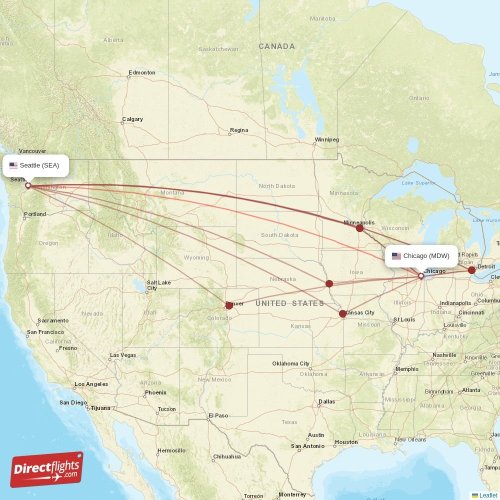
When considering the time it takes to travel from Chicago to Seattle, the primary distinction lies between direct flights and those with one or more layovers. For travelers prioritizing efficiency and speed, direct flights are the obvious choice. These flights minimize travel time by departing from Chicago and arriving directly in Seattle without any intermediate stops.
The Average Direct Flight Time
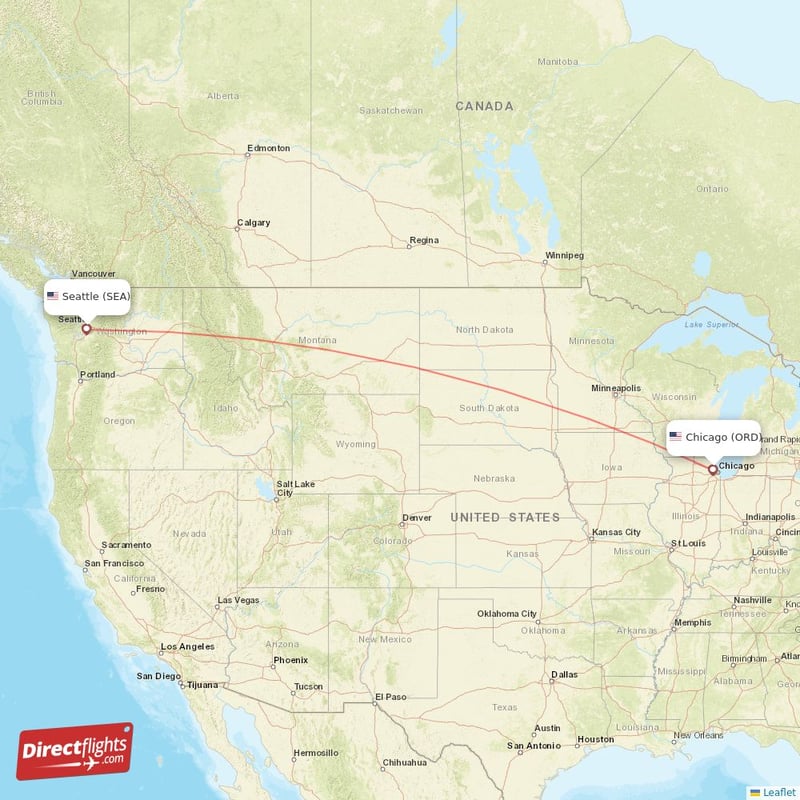
A typical direct flight from Chicago‘s major airports, such as O’Hare International Airport (ORD) or Midway International Airport (MDW), to Seattle-Tacoma International Airport (SEA) hovers around 4 hours and 30 minutes to 4 hours and 45 minutes. This duration is, of course, an average and can fluctuate slightly based on factors such as the specific airline, the aircraft type, and prevailing wind conditions. Airlines like United Airlines, American Airlines, and Alaska Airlines frequently operate this route, with their flight schedules often reflecting this approximate travel time.
It’s important to remember that this is the flight time itself – the time spent airborne. This figure does not include the time spent at the airport before departure, such as check-in, security screening, and boarding, nor does it account for deplaning and baggage claim upon arrival in Seattle. For a comprehensive understanding of your travel day, it’s always advisable to add at least two to three hours for domestic travel pre-flight and an additional hour for post-flight procedures, especially if you have onward travel or commitments immediately after landing.
The Impact of Connecting Flights
Connecting flights, while often cheaper, significantly extend the overall travel duration. The time spent on a connecting flight is highly variable, depending on the layover city, the length of the layover, and the time between flights. A common layover might be in cities like Denver, Salt Lake City, or even on the East Coast if the initial routing is less direct.
A flight with one layover could easily stretch the total travel time to anywhere from 7 to 12 hours, or even more in some cases. This includes the flight segments themselves and the time spent waiting at the connecting airport. For instance, a flight might involve a 2-hour flight from Chicago to a layover city, followed by a 3-hour wait, and then a 3-hour flight to Seattle. This simple scenario already accounts for 8 hours of travel time, not including any potential delays.
When booking flights, especially if budget is a primary concern, it’s crucial to carefully examine the total travel time presented by the airline. The allure of a lower price tag can quickly diminish when faced with an excessively long journey, particularly if it involves overnight layovers or inconvenient departure and arrival times. Travelers might consider the benefits of a direct flight, even if slightly more expensive, for the considerable time savings and reduced stress.
Factors Influencing Flight Times
Beyond the simple distinction between direct and connecting flights, several other factors can influence how long your journey from Chicago to Seattle actually takes. These elements, though sometimes minor, can collectively add to or subtract from the scheduled flight duration.
Weather Conditions and Air Traffic Control
Weather, both at the departure and arrival airports, plays a pivotal role in flight schedules. Severe weather in Chicago, such as thunderstorms or heavy snowfall, can lead to delays or even cancellations as airlines prioritize safety. Similarly, adverse weather conditions in Seattle, like fog or strong winds, can impact landing approaches and cause delays. Air traffic control also manages the flow of aircraft, and congestion in busy airspace, particularly around major hubs like Chicago, can result in holding patterns that add time to the flight.
Airline and Aircraft Efficiency
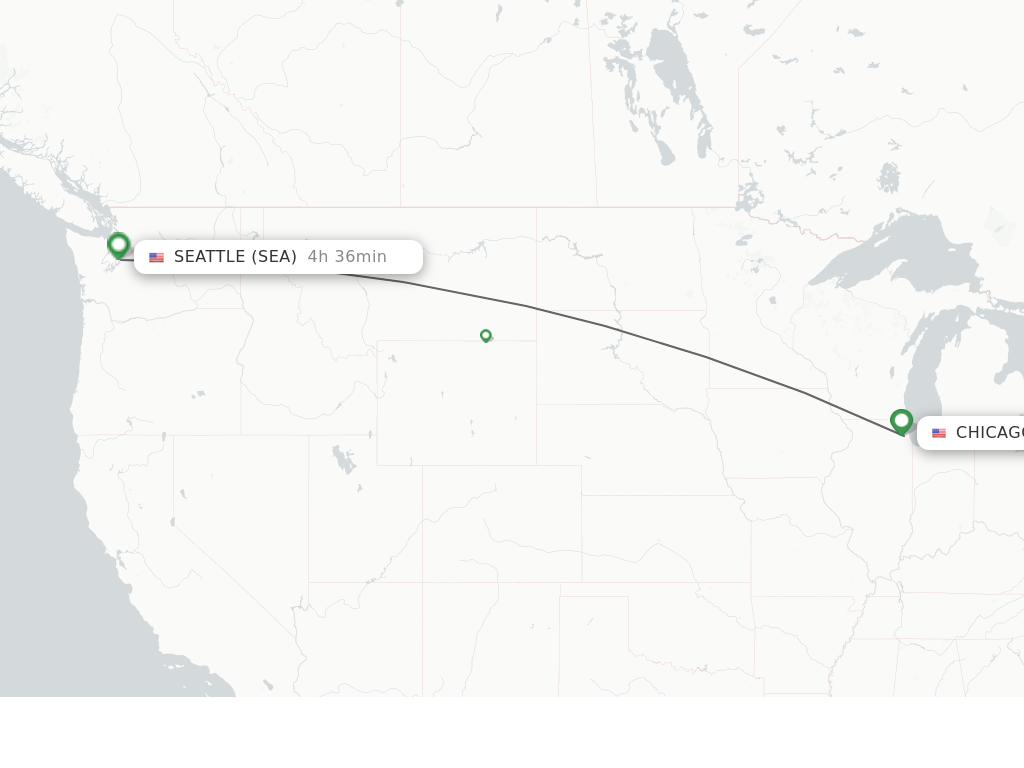
Different airlines may employ slightly different routing strategies or utilize aircraft with varying cruising speeds. While the differences are often marginal for major carriers on established routes, it can contribute to minor variations in flight duration. Newer, more aerodynamic aircraft might achieve slightly faster travel times compared to older models. The specific flight path chosen by the pilots, influenced by factors like wind speed and direction, can also affect the overall time in the air.
Time Zones and Daylight Saving
While not directly impacting the duration of the flight itself, time zone differences are crucial to consider when calculating arrival times. Chicago is in the Central Time Zone (CT), while Seattle is in the Pacific Time Zone (PT). Seattle is three hours behind Chicago. Therefore, a 4.5-hour flight departing Chicago at 1:00 PM CT would theoretically land in Seattle at 3:30 PM PT, even though 5.5 hours have passed according to a Chicago clock (1:00 PM CT to 6:30 PM CT). This is a critical consideration for scheduling onward travel, meetings, or dinner reservations.
Planning Your Trip: Beyond the Flight Duration
The question of flight duration from Chicago to Seattle is merely one piece of the larger travel puzzle. To make the most of your journey, it’s essential to consider the destination itself, the type of travel experience you’re seeking, and how you plan to engage with the local culture and attractions.
Exploring Chicago and Seattle: A Tale of Two Cities
Chicago, often called the “Windy City,” boasts an impressive skyline, world-class museums, and a vibrant culinary scene. Iconic landmarks like Millennium Park with its famous “Bean” sculpture, the Art Institute of Chicago, and the towering Willis Tower (formerly Sears Tower) offer endless exploration. For a taste of local life, visitors can indulge in deep-dish pizza, explore neighborhoods like Wicker Park, or catch a blues show. The city’s robust public transportation system, including the ‘L’ train, makes navigating its diverse offerings relatively straightforward.
Seattle, on the other hand, is renowned for its natural beauty, tech industry, and unique coffee culture. The Pike Place Market is a must-visit, buzzing with activity and offering fresh produce, local crafts, and the original Starbucks store. The Space Needle provides panoramic views of the city, Puget Sound, and the surrounding mountains, including the majestic Mount Rainier. For those interested in music history, the Museum of Pop Culture (MoPOP) is a fascinating destination. Outdoor enthusiasts can explore nearby natural wonders like Olympic National Park or take a ferry ride across Puget Sound.
Accommodation Options in Seattle
Upon arrival in Seattle, finding suitable accommodation is key to a comfortable and enjoyable stay. The city offers a wide range of options, from luxurious hotels to budget-friendly apartments and boutique stays.
For those seeking upscale comfort, Seattle offers several high-end hotels. For instance, the Four Seasons Hotel Seattle provides stunning views of Elliott Bay and exceptional service. Another popular choice for luxury travelers is The Edgewater Hotel, famously the only hotel in Seattle located directly on the water. If you’re looking for a more central location within the downtown core, hotels near Pike Place Market offer unparalleled access to the city’s most vibrant attractions.
Budget travelers can find numerous well-regarded hostels and more affordable hotel chains scattered throughout the city. Neighborhoods like Capitol Hill and areas slightly outside the immediate downtown core often present more economical choices. For longer stays or for those who prefer the convenience of a kitchen and more space, exploring apartment rentals through platforms like Airbnb or VRBO can be a viable option. Many of these offer the chance to live more like a local, experiencing a neighborhood beyond the typical tourist paths.
Experiencing Seattle’s Lifestyle and Attractions
Seattle‘s lifestyle is a blend of innovation, nature, and a strong appreciation for arts and culture. The city’s coffee culture is legendary, with countless independent coffee shops offering unique brews and cozy atmospheres. Exploring neighborhoods like Fremont, known for its quirky art installations and independent spirit, or Ballard, with its maritime history and burgeoning craft brewery scene, provides a deeper insight into the city’s diverse character.
For food lovers, Seattle offers a diverse culinary landscape. From fresh seafood at waterfront restaurants to innovative farm-to-table establishments, there’s something to satisfy every palate. Don’t miss trying local specialties like Dungeness crab, oysters, and salmon. For a truly local experience, explore the ethnic enclaves that offer authentic flavors from around the world.
When planning your trip, remember to book flights and accommodation in advance, especially during peak travel seasons, to secure the best prices and availability. Whether you’re flying for business or embarking on a leisurely vacation, understanding the flight duration and the broader travel experience will help you make the most of your journey from Chicago to the Emerald City of Seattle.
LifeOutOfTheBox is a participant in the Amazon Services LLC Associates Program, an affiliate advertising program designed to provide a means for sites to earn advertising fees by advertising and linking to Amazon.com. Amazon, the Amazon logo, AmazonSupply, and the AmazonSupply logo are trademarks of Amazon.com, Inc. or its affiliates. As an Amazon Associate we earn affiliate commissions from qualifying purchases.