
The culinary landscape of Chicago is a vibrant tapestry, renowned not just for its iconic architecture and deep-dish pizza, but also for its impressive collection of Michelin-starred restaurants. For food enthusiasts and discerning travelers alike, understanding the number and caliber of these establishments is key to planning an unforgettable gastronomic journey. This guide delves into the world of Michelin stars in the Windy City, exploring what it means to earn such prestigious recognition and offering a glimpse into the diverse culinary experiences awaiting you.
The Michelin Guide, a globally recognized arbiter of fine dining, awards stars to restaurants based on the anonymous evaluations of its inspectors. A single star signifies an excellent restaurant in its category, a two-star rating indicates that the cooking of the chefs is of exceptional value and skill, and the coveted three stars are reserved for restaurants where the cuisine is of an altogether superior quality, and is often singled out for a unique and precise expression of the chef’s personality. For Chicago, a city that has consistently pushed the boundaries of innovation and artistry in the kitchen, these accolades are a testament to its world-class dining scene.
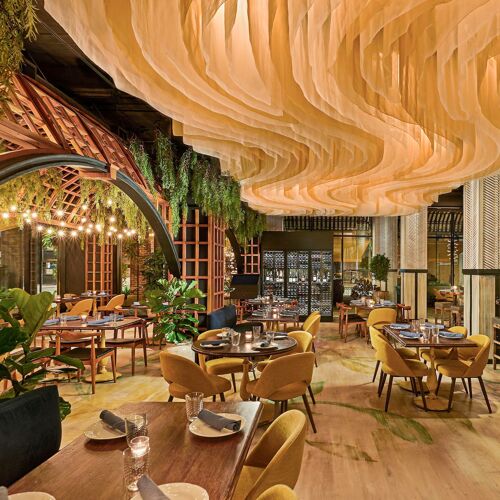
While the exact number of Michelin-starred restaurants can fluctuate annually as new establishments are reviewed and others perhaps see their stars change, Chicago consistently ranks among the top cities for fine dining in the United States. The city’s chefs draw inspiration from a multitude of global cuisines, local produce, and inventive techniques, creating dining experiences that are both sophisticated and deeply satisfying.
The Prestige of a Michelin Star
Earning a Michelin star is no small feat. It represents a commitment to excellence that permeates every aspect of a restaurant’s operation. From the sourcing of the freshest, highest-quality ingredients to the precision and artistry of the culinary team, and extending to the impeccable service and inviting ambiance, every detail is scrutinized. The Michelin Guide’s inspectors are known for their rigorous and impartial assessments, making the awarding of stars a highly respected benchmark of quality in the global hospitality industry.
What Makes a Restaurant Michelin-Worthy?
The criteria for awarding Michelin stars are deceptively simple, yet incredibly demanding. The inspectors focus on five key elements:
- The quality of the ingredients: This is paramount. Restaurants must demonstrate an unwavering dedication to using the finest produce, meats, seafood, and other components. This often involves working with local farmers, artisanal producers, and ethical suppliers.
- Mastery of flavor and cooking techniques: The ability to transform raw ingredients into harmonious and memorable dishes is crucial. This includes a deep understanding of classic and modern culinary techniques, resulting in perfectly cooked, balanced, and delicious food.
- The personality of the chef in the cuisine: A truly exceptional restaurant reflects the unique vision and passion of its chef. The food should tell a story, showcasing the chef’s creative flair and individual perspective.
- Value for money: While fine dining is often associated with higher price points, Michelin inspectors also consider whether the overall dining experience justifies the cost. This doesn’t necessarily mean the cheapest option, but rather that the quality of food and service delivered is commensurate with the price.
- Consistency between visits: Perhaps the most challenging aspect of maintaining a Michelin star is consistency. Inspectors revisit restaurants throughout the year, sometimes at different times of day or week, to ensure that the high standards are maintained across all visits. This ensures that diners can expect the same exceptional experience every time they dine there.
The Impact on Chicago’s Culinary Identity
The presence of numerous Michelin-starred restaurants significantly shapes Chicago‘s identity as a premier culinary destination. It attracts both international food critics and passionate diners who seek out these acclaimed establishments. This, in turn, fosters a competitive environment among chefs and restaurants, driving further innovation and culinary exploration within the city. The focus on quality ingredients also often elevates local producers and highlights the agricultural bounty of the surrounding region. Chicago‘s dining scene is not just about fine dining; it’s about a broader commitment to showcasing the best of what the city and its region have to offer.
Exploring Chicago’s Michelin-Starred Gems
While the precise number of stars and restaurants can shift with each annual guide release, Chicago has historically boasted a robust collection of Michelin-recognized establishments. The city’s culinary map is dotted with restaurants that have consistently earned one, two, or even three stars, catering to a wide range of palates and preferences.
A Look at the Numbers (and What They Mean)
The Michelin Guide for Chicago typically features a diverse array of restaurants, from those offering avant-garde tasting menus to establishments celebrating classic French or Italian cuisine with a modern twist. The most recent guides have indicated a healthy representation of Michelin-starred venues, solidifying Chicago‘s status as a top-tier global food city.
- Three-Star Restaurants: These are the pinnacle of Michelin recognition, signifying an extraordinary culinary journey. Chicago has been home to several three-star establishments, often lauded for their groundbreaking cuisine and impeccable service.
- Two-Star Restaurants: These restaurants offer exceptional cooking that is well worth a detour. They are characterized by their refined flavors, innovative presentations, and sophisticated dining experiences.
- One-Star Restaurants: These are considered excellent in their category, offering high-quality food and a memorable dining experience. Chicago has a strong showing in this category, showcasing a wide spectrum of culinary styles.
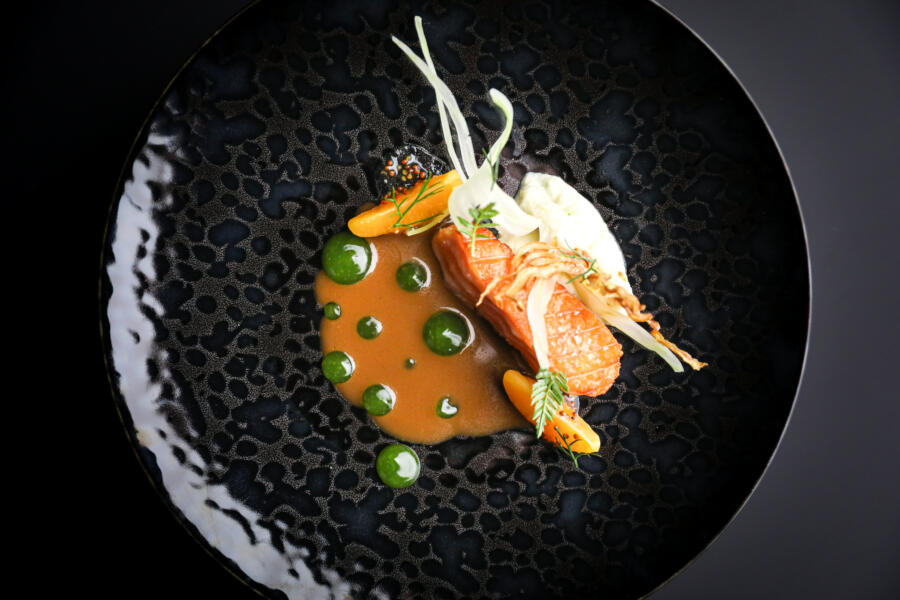
The Michelin Guide’s annual release is always eagerly anticipated by the culinary world, as it not only confirms the existing stars but also introduces new talents and recognizes emerging trends. For visitors planning a trip to Chicago with a focus on gastronomy, consulting the latest Michelin Guide is an indispensable step.
Beyond the Stars: The Broader Culinary Scene
It’s important to remember that while Michelin stars are a significant marker of quality, they represent only a fraction of Chicago‘s vibrant food scene. The city is brimming with countless other fantastic restaurants, from casual eateries serving authentic ethnic cuisine to innovative bistros and bars offering creative cocktails and small plates.
For instance, Chicago is famous for its deep-dish pizza, a hearty and delicious local specialty that can be enjoyed at many establishments across the city. Historic neighborhoods like Pilsen offer authentic Mexican flavors, while Chinatown provides a gateway to diverse Chinese culinary traditions. The options are virtually endless, catering to every budget and craving.
Furthermore, Chicago‘s food culture extends beyond just restaurant dining. The city boasts vibrant farmers’ markets, offering fresh, seasonal produce directly from local farms. Food halls and markets, such as the Chicago French Market, provide a curated selection of artisanal food vendors, allowing visitors to sample a variety of flavors under one roof. These experiences contribute to the rich tapestry of Chicago‘s gastronomic identity, making it a destination for food lovers of all kinds.
Planning Your Michelin-Starred Culinary Adventure in Chicago
Embarking on a culinary journey through Chicago‘s Michelin-starred restaurants requires a bit of planning, but the rewards are immense. Whether you’re seeking an intimate romantic dinner, a celebratory feast, or a chance to experience the forefront of culinary innovation, these establishments offer an unforgettable experience.
Reservations and Expectations
Due to the high demand and exclusive nature of Michelin-starred dining, reservations are almost always essential, often booked months in advance, particularly for three-star establishments. It’s advisable to check the restaurant’s website for their specific reservation policies and opening dates. When dining at these prestigious venues, be prepared for a meticulously crafted experience. Tasting menus are common, designed to showcase the chef’s artistry and the season’s best ingredients. Dress codes can vary, but it’s generally recommended to opt for smart casual or more formal attire to match the sophisticated ambiance.
Navigating Chicago’s Neighborhoods for Dining
Chicago‘s culinary stars are spread across various dynamic neighborhoods, each offering a unique ambiance and contributing to the city’s diverse character. Exploring these areas can add another layer to your dining experience.
- West Loop: This former industrial area has transformed into a culinary hotspot, boasting a concentration of Michelin-starred and highly acclaimed restaurants. It’s a must-visit for serious foodies.
- River North: Known for its vibrant nightlife and upscale dining, River North is home to several award-winning establishments, offering a sophisticated urban dining experience.
- Lincoln Park: This charming neighborhood offers a mix of cozy bistros and refined dining options, often with a focus on seasonal and locally sourced ingredients.
- The Loop: While primarily known for its business and cultural attractions, The Loop also hosts some exceptional dining venues, offering convenience for those exploring the city’s core landmarks.

Beyond the Plate: The Full Experience
A Michelin-starred dining experience in Chicago is about more than just the food. It’s about the entire sensory journey. From the moment you step into the restaurant, you are enveloped in an atmosphere of refined elegance. The service is attentive yet discreet, with knowledgeable staff eager to guide you through the menu and wine list. The ambiance is carefully curated, from the lighting and music to the artwork and table settings, all contributing to a memorable and immersive experience.
The wine pairings, often expertly selected by a sommelier, can elevate the meal to new heights, complementing the complex flavors of the dishes and revealing hidden nuances. Some restaurants also offer bespoke non-alcoholic beverage pairings, catering to a wider range of preferences.
Whether you’re a seasoned gourmand or a curious traveler looking to explore the heights of culinary achievement, Chicago offers an unparalleled opportunity to indulge in some of the world’s finest dining. The city’s dedication to gastronomic excellence, reflected in its impressive number of Michelin stars, ensures that any visit promises a truly exceptional and delicious adventure.
LifeOutOfTheBox is a participant in the Amazon Services LLC Associates Program, an affiliate advertising program designed to provide a means for sites to earn advertising fees by advertising and linking to Amazon.com. Amazon, the Amazon logo, AmazonSupply, and the AmazonSupply logo are trademarks of Amazon.com, Inc. or its affiliates. As an Amazon Associate we earn affiliate commissions from qualifying purchases.