
Navigating the vibrant metropolis of Chicago often involves traversing its extensive network of toll roads. Whether you’re a tourist eager to explore the Windy City’s iconic landmarks, a business traveler on a tight schedule, or a local resident commuting daily, understanding the toll system is crucial for planning your journey and managing your budget. This comprehensive guide delves into the cost of tolls in Chicago, examining the factors that influence pricing and providing practical advice for cost-effective travel.
The Chicago metropolitan area is served by the Illinois Tollway, a system comprising several major expressways that facilitate rapid transit throughout the region. These include the I-90, I-80, I-88, I-55, and I-470. The cost of using these toll roads is not a flat fee; rather, it’s determined by a dynamic pricing structure that considers several variables, making it essential to be informed to avoid unexpected expenses.
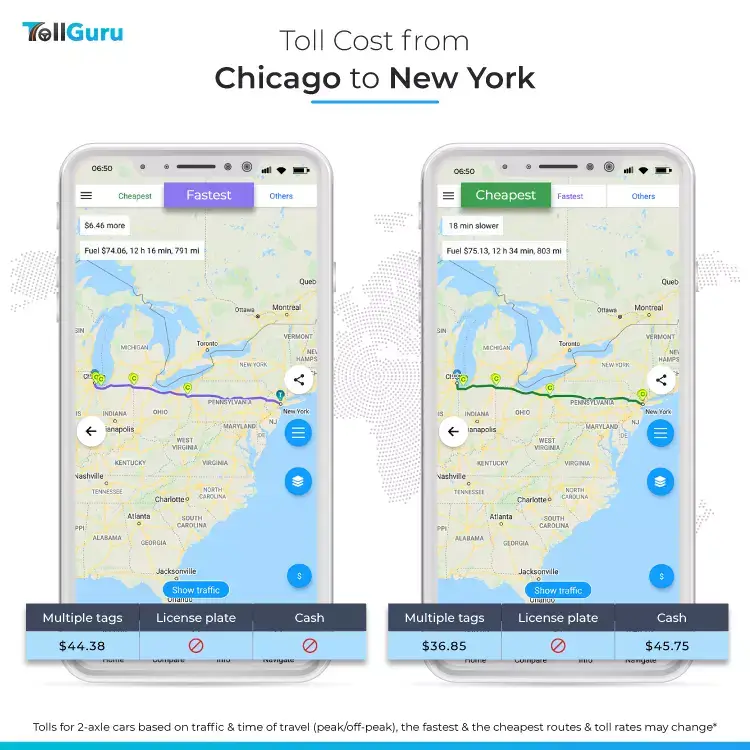
Understanding the Chicago Tollway System
The Illinois Tollway is a vast network designed to alleviate traffic congestion on conventional roads and provide swift access to various parts of the state, particularly the greater Chicago area. The system is funded entirely by toll revenue, meaning that user fees directly contribute to the maintenance, operation, and expansion of these vital transportation arteries. This self-sustaining model is common for major infrastructure projects, ensuring that the roads are kept in excellent condition and can be modernized over time.
Factors Influencing Toll Costs
Several key factors contribute to the fluctuating cost of tolls on the Chicago Tollway:
1. Distance Traveled
The most fundamental determinant of toll cost is the distance you travel on the toll road. Longer journeys naturally incur higher tolls. The Chicago Tollway is divided into segments, and you are charged for each segment you pass through. The further you drive, the more these segment charges accumulate. This system is designed to be equitable, ensuring that users pay proportionally to the amount of road they utilize.
2. Time of Day (Congestion Pricing)
In an effort to manage traffic flow and encourage off-peak travel, the Illinois Tollway has implemented variable toll rates based on the time of day. During peak hours, when traffic is heaviest, tolls are typically higher. Conversely, during off-peak hours, such as late evenings or early mornings, you may find slightly lower toll rates. This congestion pricing strategy aims to distribute traffic more evenly throughout the day, potentially reducing travel times for everyone. While the differences might seem small per trip, they can add up over frequent use.
3. Method of Payment (I-Pass vs. Pay-By-Plate)
The way you choose to pay your tolls significantly impacts the final cost. The Illinois Tollway strongly encourages the use of electronic transponders, primarily the I-PASS system. Drivers with an active I-PASS account typically receive the lowest toll rates. This is because electronic toll collection is more efficient for the Tollway, reducing administrative costs and processing time.
For those without an I-PASS, the Tollway offers a “Pay-By-Plate” option. This system uses license plate recognition cameras to identify vehicles and mail invoices to the registered owner. However, the convenience of Pay-By-Plate comes at a higher cost. Tolls charged through Pay-By-Plate are generally more expensive than those paid with an I-PASS transponder. This differential is a significant incentive for frequent users to adopt electronic tolling.
4. Vehicle Type
While less common on some toll systems, certain toll roads might have variations in pricing based on vehicle class. For the Chicago Tollway, the primary factor is the number of axles, which is directly related to the size and type of vehicle. Larger vehicles, such as trucks or RVs with multiple axles, will generally incur higher tolls than standard passenger cars. This is a standard practice to account for the increased road wear and tear caused by heavier vehicles.
Common Toll Roads and Their Costs
The Illinois Tollway system is comprised of several major routes that are heavily utilized by travelers in the Chicago area. Understanding the specific routes and their approximate costs is essential for accurate budgeting.
The Reagan Memorial Tollway (I-88)
The Ronald Reagan Memorial Tollway, or I-88, connects Chicago to the western suburbs and beyond. It’s a vital artery for commuters and travelers heading west. The tolls on I-88 can vary significantly depending on the length of your journey and your payment method. For example, a trip from downtown Chicago to Aurora might incur several dollars in tolls if paying with an I-PASS, and potentially more if using Pay-By-Plate. The full stretch of I-88 within the tollway system can accumulate a substantial toll for longer distances.
The Veterans Memorial Tollway (I-355)
The Veterans Memorial Tollway, or I-355, is a north-south tollway that serves the western and southern suburbs of Chicago. It provides a crucial bypass for traffic that would otherwise clog local streets. Similar to I-88, tolls on I-355 are distance-based and influenced by payment method. A round trip through several toll plazas on I-355 can add up, especially for daily commuters.
The Tri-State Tollway (I-94, I-294, I-80)
The Tri-State Tollway is arguably the most complex and heavily used toll road in the Chicago area. It encircles the city to the north, west, and south, encompassing portions of I-94, I-294, and I-80. This route is essential for travelers moving between states or navigating around the dense urban core. The Tri-State Tollway features numerous toll plazas, and the cumulative cost for a significant journey can be quite high. For instance, traveling from the northern border of Illinois near Wisconsin down to the southern stretches of the tollway can result in tolls exceeding $10 or more, depending on the payment method.
The Jane Addams Memorial Tollway (I-90)

The Jane Addams Memorial Tollway, or I-90, runs from the city of Chicago westward towards the Illinois border with Wisconsin. This route is crucial for travelers heading to destinations like O’Hare International Airport or further into the northwestern suburbs. Like other tollways, costs are determined by distance and payment method, with I-PASS offering the most economical option.
The Chicago Skyway (I-90/I-94)
While not part of the Illinois Tollway system, the Chicago Skyway is a privately owned toll road that connects the Dan Ryan Expressway (I-90/I-94) to the Indiana toll road system. This toll road is known for its higher toll rates, particularly for entering or exiting the city from the southeast. The Chicago Skyway toll is a fixed amount for each direction, making it a significant expense for those using it as part of their commute or travel plans.
Navigating Tolls Efficiently and Affordably
For visitors and locals alike, minimizing toll expenses while enjoying the convenience of the tollway system is a common goal. Here are some strategies to help you navigate Chicago’s toll roads efficiently and affordably.
The Benefits of I-PASS
As repeatedly emphasized, the most impactful way to reduce your toll costs in Chicago is by obtaining and using an I-PASS transponder. These small electronic devices are mounted on your vehicle’s windshield and communicate wirelessly with tolling equipment.
- Cost Savings: The discount for I-PASS users is substantial. Over time, the savings can amount to a significant portion of the total toll expenditure. The Illinois Tollway often runs promotions or offers initial discounts for new I-PASS accounts.
- Convenience: With an I-PASS, you can drive through toll plazas without stopping. This saves time and avoids the hassle of fumbling for cash or worrying about receiving a Pay-By-Plate invoice.
- Interoperability: I-PASS is interoperable with other electronic toll collection systems in many other states, including the E-ZPass system used in the northeastern United States. This means you can use your I-PASS on toll roads outside of Illinois, further enhancing its utility.
To get an I-PASS, you typically need to create an account online or at a designated service center. You’ll need to provide your vehicle information and set up a payment method (such as a credit card or bank account) for automatic replenishment of your toll account.
Using the Illinois Tollway Website and Apps
The Illinois Tollway provides valuable resources to help you plan your trips and manage your account.
- Toll Calculators: The official Illinois Tollway website features a comprehensive toll calculator. You can input your starting point and destination, and the calculator will provide an estimated toll cost for your journey, often with options for different payment methods. This is an indispensable tool for budgeting your travel.
- Mobile Apps: While not always a direct toll payment app, there are third-party navigation apps that integrate toll information and can help you find toll-free routes if desired. Apps like Google Maps and Waze often allow you to specify avoiding tolls.
- Account Management: Through the Illinois Tollway website, you can manage your I-PASS account, view your transaction history, update payment information, and even report issues. This online portal offers a convenient way to stay on top of your toll usage.
Considering Toll-Free Alternatives
While the tollways offer speed and convenience, they are not always the most economical choice. Depending on your destination, time constraints, and tolerance for traffic, you might consider toll-free alternatives.
- Local Roads and Arterials: Chicago and its surrounding suburbs have an extensive network of surface streets and arterial roads. These can be a viable option for shorter trips or when time is not a critical factor. However, be prepared for slower speeds, traffic lights, and potentially heavier local traffic.
- Strategic Planning: If you are visiting Chicago and plan to visit attractions within the city limits, you might be able to rely more on public transportation or ride-sharing services, thus avoiding tolls altogether for those specific journeys. The Chicago Transit Authority (CTA) operates a robust network of buses and ‘L’ trains that can take you to many popular destinations like Millennium Park, the Art Institute of Chicago, or Navy Pier.
- Trip Bundling: If you are planning multiple excursions that involve toll roads, try to bundle them into single trips where possible. This can help reduce the number of times you enter and exit tollways, potentially lowering the total toll cost.
Frequently Asked Questions About Chicago Tolls
To further clarify the nuances of Chicago’s toll system, here are some common questions and their answers.
What happens if I don’t pay my toll?
If you fail to pay a toll, especially when using the Pay-By-Plate system, you will receive a violation notice in the mail. These notices typically include the original toll amount plus administrative fees and penalties. Ignoring these notices can lead to escalating fines, potential suspension of your vehicle’s registration, and even further legal action. It is crucial to address any toll violations promptly to avoid more significant consequences. If you receive a bill for a trip you didn’t take or believe is incorrect, contact the Illinois Tollway customer service immediately to dispute it.
Can I pay tolls with cash?
The Illinois Tollway system is largely cashless. Most toll plazas are equipped with overhead gantries that use transponders or license plate readers. While some older toll plazas might have had cash lanes in the past, the trend is overwhelmingly towards electronic tolling. For roads like the Chicago Skyway, cash payments may still be accepted in designated lanes, but it’s always best to check the specific requirements for that road. For the general Illinois Tollway system, relying on cash is not a viable or recommended payment method.
How much does an I-PASS transponder cost?
The I-PASS transponder itself is typically free or has a very nominal one-time activation fee. The primary cost associated with I-PASS is the toll money that is pre-paid or automatically debited from your linked account as you use the toll roads. You establish a pre-paid balance, and as you incur tolls, the amount is deducted. When your balance gets low, your linked payment method is used to replenish it. This ensures continuous payment and avoids missed tolls.
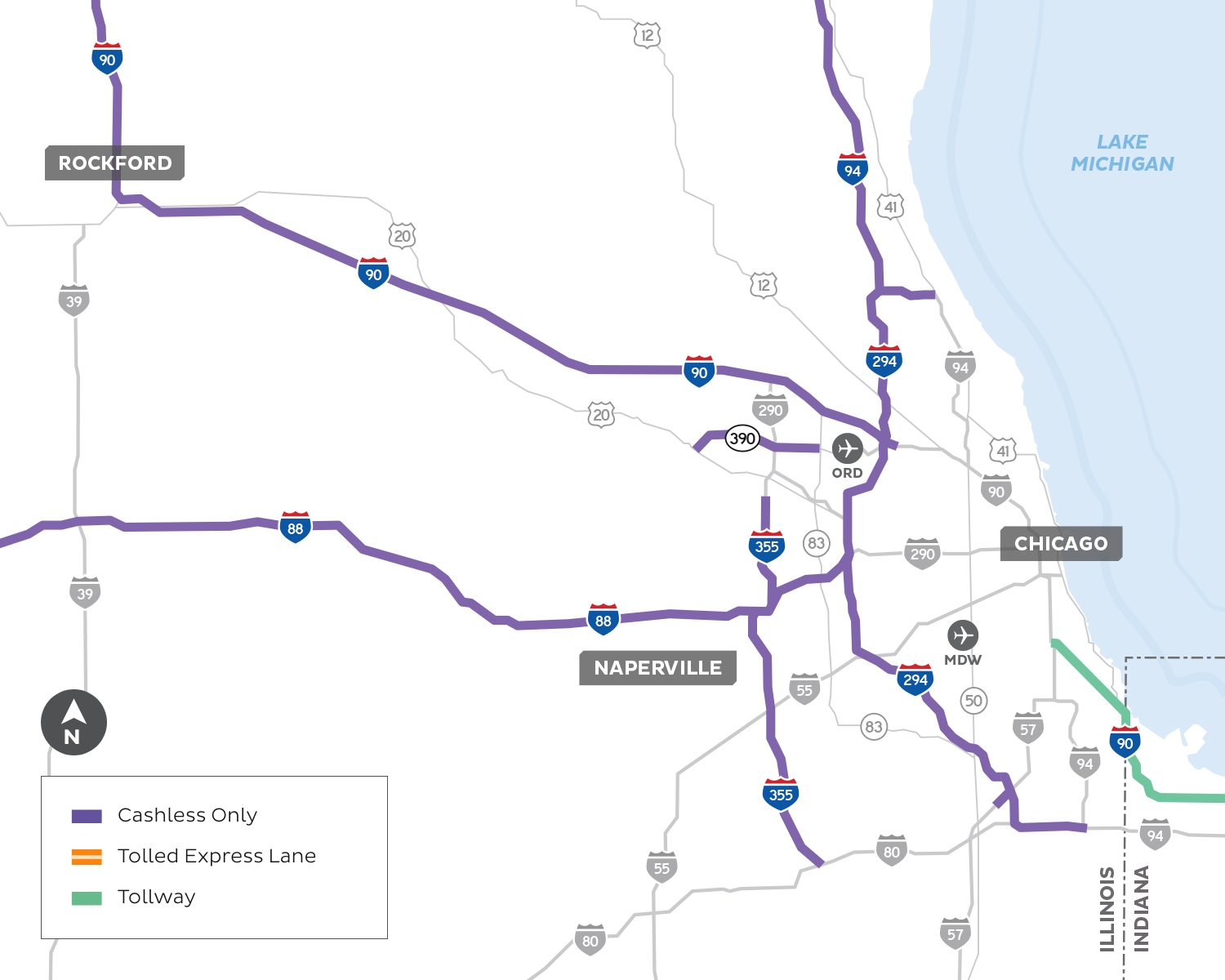
How can I find the exact toll cost for my specific route?
The most accurate way to determine the toll cost for your specific route is to use the official Illinois Tollway website’s toll calculator. Simply enter your origin and destination addresses or zip codes, and the tool will provide a detailed breakdown of estimated tolls. You can also use navigation apps that offer toll estimates and options to avoid tolls. For precise, real-time information, checking the Tollway’s official resources before you travel is the best approach. This ensures you have the most up-to-date pricing information, especially considering any recent adjustments to toll rates.
In conclusion, understanding the cost of tolls in Chicago involves recognizing the factors that influence pricing, the different payment methods available, and the specific toll roads you might encounter. By embracing the convenience and cost savings of an I-PASS, utilizing the provided online tools, and considering alternative routes when appropriate, you can navigate the Windy City’s tollway system effectively, ensuring a smoother and more budget-friendly travel experience. Whether you’re here for the stunning architecture, the world-class museums, or the vibrant culinary scene, a little planning can go a long way in making your visit to Chicago more enjoyable.
LifeOutOfTheBox is a participant in the Amazon Services LLC Associates Program, an affiliate advertising program designed to provide a means for sites to earn advertising fees by advertising and linking to Amazon.com. Amazon, the Amazon logo, AmazonSupply, and the AmazonSupply logo are trademarks of Amazon.com, Inc. or its affiliates. As an Amazon Associate we earn affiliate commissions from qualifying purchases.