
Navigating the vibrant streets of Chicago, a city renowned for its impressive architecture, world-class museums, and a culinary scene that rivals any on the globe, often involves a personal vehicle. Whether you’re a local resident or a visitor enjoying an extended stay, understanding the requirements for parking your car is crucial. A key element of this is the Chicago City Sticker, a permit that allows vehicles to be legally parked on city streets. This article will delve into the details of the City Sticker, exploring its cost, different types, purchasing options, and important considerations, all within the context of enjoying all that Chicago has to offer.
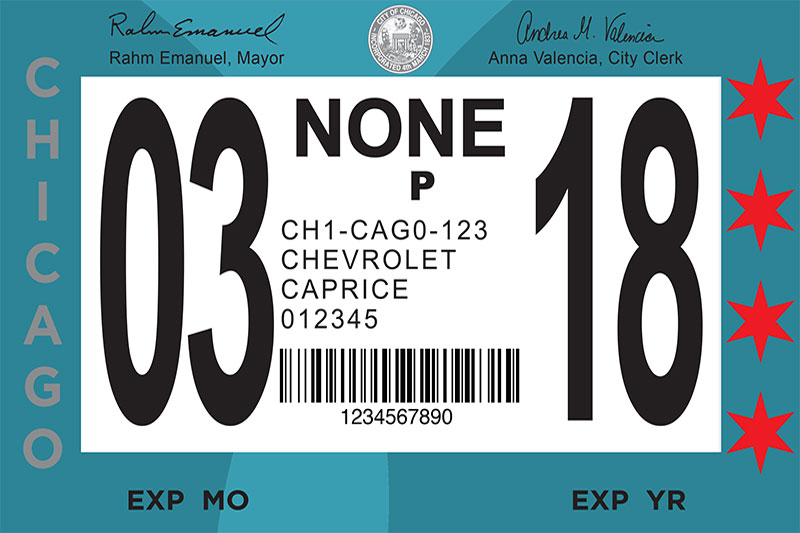
The City Sticker isn’t just a piece of plastic; it’s a fundamental part of responsible vehicle ownership in Chicago. It’s an annual requirement for all vehicles registered in the city, and its absence can lead to hefty fines. For those planning a lengthy visit, perhaps exploring multiple Chicago attractions like the Art Institute of Chicago, strolling through Millennium Park to see the iconic Cloud Gate (the “Bean”), or venturing up the Willis Tower for panoramic views, having a car can offer unparalleled flexibility. This sticker ensures that your exploration of neighborhoods like Wicker Park or Lincoln Park, or even day trips to nearby areas, can be done without the stress of potential parking violations.
Understanding the cost and logistics of the City Sticker is therefore an essential step for anyone intending to drive in Chicago. This guide aims to demystify the process, providing clear information to help you budget and comply with city regulations, allowing you to focus on experiencing the rich tapestry of Chicago life, from its deep-dish pizza to its legendary blues clubs.
Understanding the Chicago City Sticker: Purpose and Types
The Chicago City Sticker, officially known as the vehicle registration sticker, serves a dual purpose. Primarily, it’s a permit that signifies compliance with Chicago’s municipal code regarding vehicle registration and parking. Owning a vehicle registered in Chicago mandates obtaining and displaying this sticker. Secondly, the revenue generated from City Sticker sales directly supports various city services, including infrastructure improvements, public safety initiatives, and the maintenance of parks and public spaces. This means that your purchase contributes to the very quality of life that makes Chicago such an attractive destination.
There are two primary types of Chicago City Stickers: the Regular City Sticker and the Residential Zone Sticker. Understanding the distinction is vital for accurate purchasing and avoiding potential penalties.
The Regular City Sticker
The Regular City Sticker is the most common type and is required for all vehicles registered to a Chicago address. This sticker allows you to park on Chicago streets, but it does not grant you preferential parking in residential permit zones. It essentially permits general street parking across the city, subject to standard parking regulations such as time limits, street cleaning schedules, and no-parking zones. For residents who don’t rely on street parking in designated residential zones or those who primarily use off-street parking like garages or driveways, the Regular City Sticker is sufficient.
The cost of the Regular City Sticker varies based on the type of vehicle. For passenger vehicles, the standard fee is generally the most common. There are also different rates for larger vehicles, such as SUVs, vans, and motorcycles, reflecting their potentially greater impact on road usage and parking space. It’s important to check the current fee structure as it can be subject to change by the City of Chicago.
The Residential Zone Sticker
The Residential Zone Sticker is a more specialized permit. It is required for vehicles whose owners wish to park on streets designated as Residential Permit Parking (RPP) zones for more than a certain duration (usually two consecutive hours). These zones are implemented in areas with high parking demand, often near popular attractions or in densely populated neighborhoods, to ensure that residents have access to parking near their homes.
If you are staying in a Chicago apartment rental or a long-term accommodation in a neighborhood with RPP restrictions, and you plan to park your vehicle on the street in that zone, you will need a Residential Zone Sticker in addition to the Regular City Sticker. This sticker often requires proof of residency within the specific zone. The cost of the Residential Zone Sticker is typically an additional fee on top of the Regular City Sticker, or it may be integrated into the pricing structure depending on the specific regulations at the time of purchase.
The distinction between these two stickers is crucial for both residents and visitors who might be renting a car for an extended period. Failing to purchase the correct sticker, especially the Residential Zone Sticker if you are parking in a restricted area, can lead to tickets and towing, which can significantly disrupt your plans and add unexpected expenses to your Chicago trip.
Purchasing Your Chicago City Sticker: Options and Process
Acquiring a Chicago City Sticker is a straightforward process with several convenient options available to residents and eligible visitors. The city aims to make this a hassle-free transaction, allowing individuals to get back to enjoying their time in Chicago.
Online Purchase
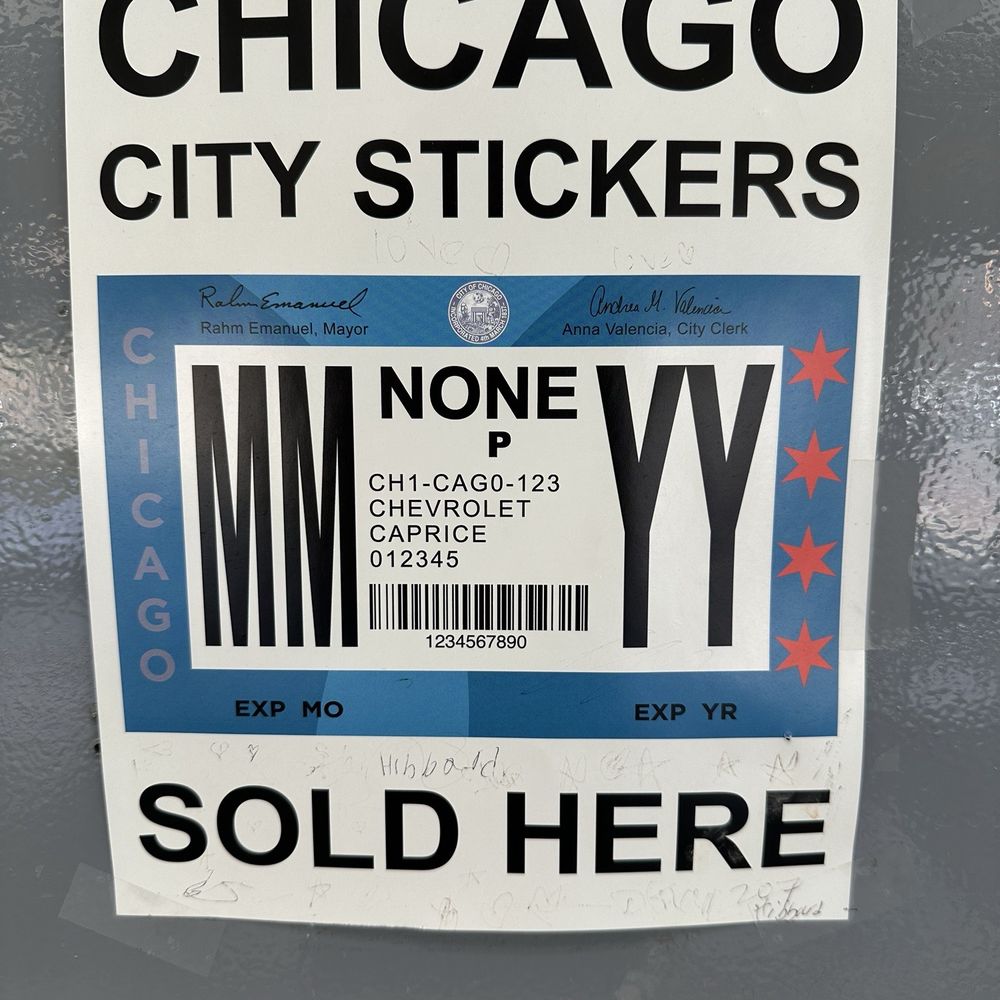
The most convenient and often recommended method for purchasing a Chicago City Sticker is through the official website of the City of Chicago. The city’s Department of Finance typically manages these transactions. The online portal allows you to input your vehicle information, select the appropriate sticker type, and make a payment securely. You will need your vehicle’s license plate number and other relevant details. Once purchased, the sticker is usually mailed to your registered address within a specified timeframe. This is an excellent option for those who prefer to handle administrative tasks from the comfort of their accommodation, perhaps after a day exploring Navy Pier or catching a Chicago Cubs game at Wrigley Field.
In-Person Purchase
For those who prefer or require in-person assistance, the City of Chicago also offers several physical locations where you can purchase City Stickers. These often include City Hall locations, satellite city clerk offices, or authorized third-party vendors throughout the city. Purchasing in person can be beneficial if you have specific questions or need immediate assistance. It’s advisable to check the City of Chicago’s official website for the most up-to-date list of authorized purchase locations and their operating hours, as these can change.
Renewal Process
City Stickers are typically valid for a year, and renewals are usually required on a staggered basis, often coinciding with your vehicle’s license plate renewal date or a specific period determined by the city. The city usually sends out renewal notices to registered vehicle owners as the expiration date approaches. However, it is the vehicle owner’s responsibility to ensure their sticker is renewed on time. Similar to the initial purchase, renewals can be completed online, by mail, or in person. Proactive renewal prevents any lapses in compliance and the associated risks of parking penalties.
When purchasing or renewing, be prepared to provide accurate information about your vehicle, including its make, model, year, and license plate number. Payment methods typically include credit cards, debit cards, and checks, depending on the purchasing channel.
Cost of the Chicago City Sticker: Factors and Fees
The cost of a Chicago City Sticker is not a one-size-fits-all figure. Several factors influence the final price, making it important to understand these variables to accurately budget for your vehicle’s registration.
Vehicle Type and Weight
As mentioned earlier, the primary determinant of the Regular City Sticker cost is the type and weight of the vehicle. Passenger cars, which are typically lighter and smaller, generally incur a lower fee. Larger vehicles, such as SUVs, minivans, and pickup trucks, often have a higher fee associated with them. This tiered pricing structure is common in many municipalities and is often based on the perceived impact these vehicles have on road wear and parking space occupancy. For instance, a family traveling to Chicago in a larger SUV might anticipate a slightly higher sticker cost compared to a couple in a compact sedan.
Passenger Vehicle Fees
For standard passenger vehicles, the fee is generally set at a specific amount. This fee is subject to change, so it’s always best to consult the official City of Chicago website for the most current pricing. Historically, these fees have been structured to be affordable for the average resident while still generating significant revenue for the city.
Other Vehicle Types
Vehicles that fall outside the standard passenger car category will have different fee structures. This can include:
- Motorcycles: Typically have a lower fee than passenger cars.
- Commercial Vehicles: Business vehicles often have a separate and sometimes higher fee structure, depending on their classification and intended use.
- Larger SUVs and Vans: As mentioned, these often fall into a higher fee bracket than standard passenger cars.
Additional Fees and Penalties
It’s important to be aware that the stated cost of the sticker is the base price. Additional fees might apply depending on the purchase method or if you are purchasing after the designated grace period or renewal date has passed. Late penalties can significantly increase the overall cost. Furthermore, failure to purchase a City Sticker when required, or displaying an expired or incorrect sticker, can result in substantial parking tickets and even vehicle towing, which carries its own set of fees. These penalties serve as a strong incentive to comply with the city’s regulations promptly. For example, a visitor who overstays their welcome or decides to rent a car for longer than anticipated might face these late fees if they don’t update their sticker status.
Residential Zone Sticker Costs
If a Residential Zone Sticker is required, there will be an additional cost associated with it. This fee is levied on top of the Regular City Sticker cost and is intended to cover the management and enforcement of the residential parking zones. The exact amount can vary depending on the specific RPP zone.
To get the most accurate and up-to-date cost information, always refer to the official City of Chicago Department of Finance website. This ensures you are working with the latest fee schedules and regulations. Understanding these costs upfront will help you plan your budget effectively, whether you’re a new resident settling into a Chicago apartment or a visitor who has decided to extend their stay and explore more of the city’s diverse neighborhoods and attractions, from the historic architecture of the Loop to the vibrant street art of Pilsen.
Deadlines, Renewals, and Avoiding Fines
Timely compliance with Chicago‘s City Sticker regulations is paramount to avoid unnecessary expenses and parking headaches. The city has established clear deadlines and processes for purchasing and renewing these permits, and understanding them can save you a significant amount of stress and money.
Initial Purchase Deadlines
For new residents of Chicago, the City Sticker must be purchased within 30 days of establishing residency in the city. This means if you move into a new apartment or home in Chicago, you have a month to get your vehicle registered with the city and obtain the correct sticker. For visitors who decide to extend their stay significantly, or perhaps purchase a vehicle while in the city, this 30-day rule would also apply. For example, if you are on an extended Chicago vacation and decide to buy a car to explore further afield, you’ll need to factor in this purchase window.
Renewal Periods and Grace Periods
The Chicago City Sticker is typically valid for one year. Renewals are usually staggered throughout the year, often tied to the vehicle’s license plate registration renewal date or a specific month assigned by the city. The city usually sends out renewal notices, but it is ultimately the vehicle owner’s responsibility to ensure the sticker is renewed before it expires.
There is often a grace period following the expiration date during which you can renew without incurring a penalty. However, this grace period is usually short, and it is always best to renew well in advance of the expiration date. Relying on a grace period can be risky, as you might forget or miss the deadline, leading to immediate fines if you are ticketed during that time.
Consequences of Non-Compliance
The penalties for failing to display a valid Chicago City Sticker can be substantial. If your vehicle is found parked on a Chicago street without a current and properly displayed City Sticker, you risk receiving parking tickets. These tickets can add up quickly and become a significant financial burden.
Beyond parking tickets, the City of Chicago has the authority to tow vehicles that are repeatedly found to be in violation of parking regulations, including operating without a City Sticker. The towing fees, coupled with the cost of retrieving your vehicle from an impound lot and any outstanding tickets, can easily run into hundreds or even thousands of dollars. This can severely disrupt travel plans, whether you’re staying at a luxury hotel like the Ritz-Carlton Chicago or a more budget-friendly option.

Tips for Avoiding Fines
- Mark Your Calendar: Set reminders for your sticker’s expiration date and begin the renewal process early.
- Check Official Sources: Always refer to the City of Chicago’s official website for the most current deadlines, fees, and purchasing locations. Information can change, and official sources are the most reliable.
- Understand Residential Zones: If you live in or are planning to park long-term in a Residential Permit Parking (RPP) zone, ensure you obtain the correct Residential Zone Sticker in addition to the Regular City Sticker.
- Display Correctly: Once you have your sticker, make sure it is displayed clearly on your vehicle’s windshield as per the city’s instructions. An improperly displayed sticker can be treated as if you don’t have one.
- Keep Records: Retain your proof of purchase and renewal for your records.
By being proactive and informed, you can ensure a smooth and penalty-free experience with your vehicle in Chicago, allowing you to fully immerse yourself in the city’s dynamic culture and attractions, from the historic Magnificent Mile to the innovative exhibitions at the Museum of Science and Industry.
LifeOutOfTheBox is a participant in the Amazon Services LLC Associates Program, an affiliate advertising program designed to provide a means for sites to earn advertising fees by advertising and linking to Amazon.com. Amazon, the Amazon logo, AmazonSupply, and the AmazonSupply logo are trademarks of Amazon.com, Inc. or its affiliates. As an Amazon Associate we earn affiliate commissions from qualifying purchases.