
When embarking on a travel narrative, whether it’s a personal blog post about a recent adventure in Paris or a comprehensive guide to the best resorts in Bali, proper citation and formatting are paramount. For many academic and professional writers, the gold standard for this is the Chicago Manual of Style (CMOS). While the title “How To Write In Chicago Style” might initially conjure images of dusty academic tomes and strict adherence to footnotes, its principles can be incredibly beneficial for travel writers aiming for clarity, credibility, and a polished presentation of their work, especially when discussing anything from local culture in Kyoto to the architectural marvels of Rome.
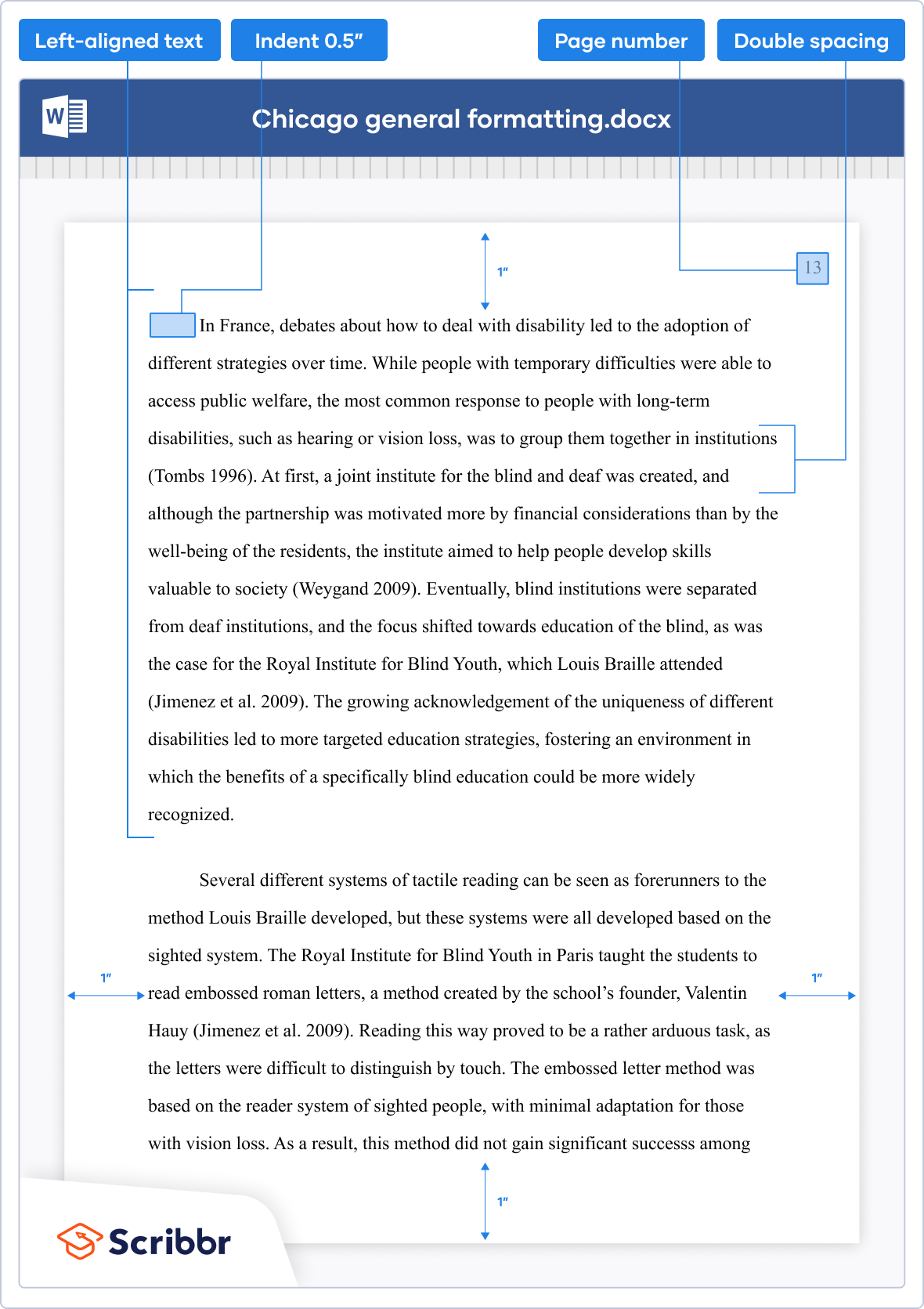
The CMOS offers two distinct citation systems: the author-date system and the notes-bibliography system. For travel writing, especially for online platforms or shorter pieces, the notes-bibliography system is often more adaptable and less intrusive than the author-date system, which can feel more suited to scientific or social science research. This system relies on numbered footnotes or endnotes within the text, with a corresponding bibliography at the end of the article. This approach allows for detailed explanations or supplementary information without disrupting the main flow of your travelogue. Imagine describing a particularly insightful local experience in Marrakech – a footnote could offer a deeper dive into the history of the Jemaa el-Fnaa square, or provide a direct quote from a local artisan, all while keeping your main narrative focused on the sensory explosion of the marketplace.
Understanding the Notes-Bibliography System for Travel Writing
The heart of the notes-bibliography system lies in its dual components: the in-text citations (footnotes or endnotes) and the bibliography. Each source you reference, whether it’s a historical account of a landmark like Machu Picchu, a review of a boutique hotel such as the Ritz Paris, or even a factual claim about the local cuisine in Mexico City, needs to be meticulously documented. This not only lends authority to your words but also aids your readers in further exploration of the topics that pique their interest.
Crafting Effective Footnotes and Endnotes
When employing the notes-bibliography system, you’ll encounter numerical superscripts in your text, indicating where a citation or additional comment is located. For instance, if you’re detailing the stunning architecture of the Sagrada Familia in Barcelona, a superscript ‘1’ might appear after mentioning its intricate facade. This number corresponds to a footnote at the bottom of the page or an endnote in a dedicated section at the end of your article.
Footnote/Endnote Components:
The format of a footnote or endnote for a travel-related source will vary depending on the type of material. Here are common examples:
-
Books: When citing a book, you’ll typically include the author’s first and last name, the title of the book in italics, and publication details. For example, if you referenced a guide to the history of the Great Wall of China, a first note might look like this:
- Paul French, Destination China: A Cultural Journey, (Hong Kong: OUP Hong Kong, 2017), 78.
Here, “Paul French” is the author, Destination China: A Cultural Journey is the italicized book title, “OUP Hong Kong” is the publisher, “2017” is the publication year, and “78” is the page number you are citing. The first time a source is cited, the full details are provided. Subsequent citations of the same source will use a shortened format.
-
Journal Articles or Magazine Features: If you’re drawing information from a travel magazine article or a scholarly journal about a destination like Venice, the citation would include the author, article title in quotation marks, the publication name in italics, volume and issue numbers (if applicable), publication date, and page range.
- Sarah Johnson, “Exploring the Hidden Canals of Venice,” Wanderlust Magazine, May 2023, 45.
-
Websites and Online Articles: Citing online content is crucial for travel blogs and digital publications. You’ll need the author (if available), the title of the specific page or article in quotation marks, the website name in italics, the publication or last updated date (if available), and the URL. It’s also good practice to include a retrieval date.
- “The Best Luxury Hotels in Dubai,” Luxury Travel Guide, November 15, 2023, https://lifetravelguide.com/dubai-luxury-hotels.
-
Interviews: Personal interviews are invaluable for travel writing, offering unique insights into local life.
- Interview with Maria Rodriguez, owner of Casa de Maria B&B, Granada, Spain, April 10, 2023.
Key Considerations for Notes:
-
First Reference: Always provide the full bibliographic details for a source the first time it appears.
-
Subsequent References: For any subsequent references to the same source, use a shortened form, typically including the author’s last name and a page number. If citing the same page as the previous note, you can use “Ibid.” (meaning “in the same place”). If citing the same source but a different page, you would use “Ibid., [new page number]”.
- French, Destination China, 92.
- Ibid., 93.
- Johnson, “Exploring the Hidden Canals,” 47.

- Clarity and Conciseness: While comprehensive, ensure your notes are easy to understand. Avoid jargon where possible, especially if your audience isn’t academic.
Building Your Bibliography
The bibliography, appearing at the end of your article, lists all the sources you’ve cited in your notes. It serves as a comprehensive reference list for your readers. The entries in the bibliography are alphabetized by the author’s last name (or by title if no author is listed).
Bibliography Entry Format:
The formatting for bibliography entries is similar to the first note reference but differs in punctuation and the order of some elements. Notably, the author’s last name comes first, followed by a comma, then their first name.
-
Books:
French, Paul. Destination China: A Cultural Journey. Hong Kong: OUP Hong Kong, 2017. -
Journal Articles or Magazine Features:
Johnson, Sarah. “Exploring the Hidden Canals of Venice.” Wanderlust Magazine, May 2023. -
Websites and Online Articles:
“The Best Luxury Hotels in Dubai.” Luxury Travel Guide. November 15, 2023. https://lifetravelguide.com/dubai-luxury-hotels. -
Interviews:
Rodriguez, Maria. Interview by author. Granada, Spain, April 10, 2023.
Key Differences Between Notes and Bibliography:
- Author’s Name: In notes, it’s first name, last name. In the bibliography, it’s last name, first name.
- Punctuation: Notes use commas to separate elements, while bibliographies use periods.
- Page Numbers: Notes include specific page numbers being cited. Bibliographies list the full page range of an article or chapter, or no page numbers for books and websites if the entire work is referenced.
Applying Chicago Style to Travel Content
The principles of the Chicago Manual of Style extend beyond mere citation. They encourage a rigorous approach to research, a clear presentation of information, and a commitment to accuracy, all of which elevate travel writing from a casual account to a reliable and engaging resource. Whether you’re writing about the historic sites of Egypt, the vibrant culinary scene in Thailand, or a comparison of different accommodation options from budget hostels to luxury villas, consistent and correct citation builds trust with your audience.
Ensuring Accuracy and Credibility in Your Travel Narratives
In travel writing, facts matter. Accuracy regarding names of places, historical details, opening hours of attractions, and even the pricing of experiences contributes significantly to the reader’s trust. When you cite your sources using the Chicago style, you are implicitly demonstrating that your information is not based on hearsay but on verified research. This is particularly important when discussing sensitive topics, cultural nuances, or historical interpretations. For instance, when detailing the history of Angkor Wat in Cambodia, citing a reputable historical text or archaeological report adds immense weight to your narrative.
Furthermore, the act of citing encourages deeper research. You might initially write a few sentences about a local festival in India, but realizing you need to cite it will prompt you to find the exact name of the festival, its date, and its cultural significance. This deeper dive often uncovers fascinating details that enrich your writing and provide your readers with a more authentic experience. Imagine writing about a food tour in Vietnam – citing the origin of a particular dish or the specific type of market you visited adds layers of authenticity that would otherwise be missing.
Streamlining Your Writing Process with Chicago Style Principles
While the initial setup for Chicago style might seem daunting, it can actually streamline your writing process in the long run. By establishing a clear system for tracking your sources from the outset, you avoid the last-minute scramble to find citations. Many modern writing tools and reference management software can assist with generating Chicago-style citations, further simplifying the process.
Consider the benefits when writing a comparative guide to resorts in the Caribbean. You might be comparing amenities, pricing, and guest reviews from various sources, including official resort websites, travel agencies, and review platforms. Applying Chicago style ensures that each piece of information is correctly attributed. This not only protects you from plagiarism but also allows your readers to easily verify the information or explore specific resorts further, such as the Sandals Grande St. Lucian.
Practical Tips for Travel Writers:
- Be Consistent: Choose one system (notes-bibliography) and stick to it throughout your article. Consistency in formatting, punctuation, and citation style is key.
- Use a Citation Manager: Tools like Zotero, Mendeley, or EndNote can significantly ease the burden of managing and formatting citations.
- Start Early: Begin noting your sources as soon as you start researching, not after you’ve finished writing.
- Know Your Audience: While strict adherence to the CMOS is academic, for a travel blog, you can adapt slightly for readability, ensuring the core principles of accurate attribution are maintained.
By embracing the structure and rigor of the Chicago Manual of Style, travel writers can elevate their content, enhance their credibility, and provide their readers with a more informative and trustworthy experience, whether they are planning a luxury escape to a suite in London or a budget-friendly adventure across South America. The investment in learning and applying these principles pays dividends in the quality and impact of your travel narratives.
LifeOutOfTheBox is a participant in the Amazon Services LLC Associates Program, an affiliate advertising program designed to provide a means for sites to earn advertising fees by advertising and linking to Amazon.com. Amazon, the Amazon logo, AmazonSupply, and the AmazonSupply logo are trademarks of Amazon.com, Inc. or its affiliates. As an Amazon Associate we earn affiliate commissions from qualifying purchases.