
The world of television is no stranger to the dramatic departures of beloved characters, sending shockwaves through fanbases and sparking endless speculation. For fans of the gritty, action-packed drama Chicago P.D., one of the most significant figures in its extensive run has undoubtedly been Sergeant Hank Voight, portrayed with a compelling blend of ruthlessness and moral ambiguity by Jason Beghe. Voight, the unwavering leader of the Intelligence Unit, has been a cornerstone of the series since its inception, navigating the labyrinthine streets of Chicago with a distinctive, often controversial, approach to justice. This has inevitably led to a recurring question that surfaces with each passing season, often amplified by cast shake-ups or character-driven arcs: Is Voight leaving Chicago P.D.?
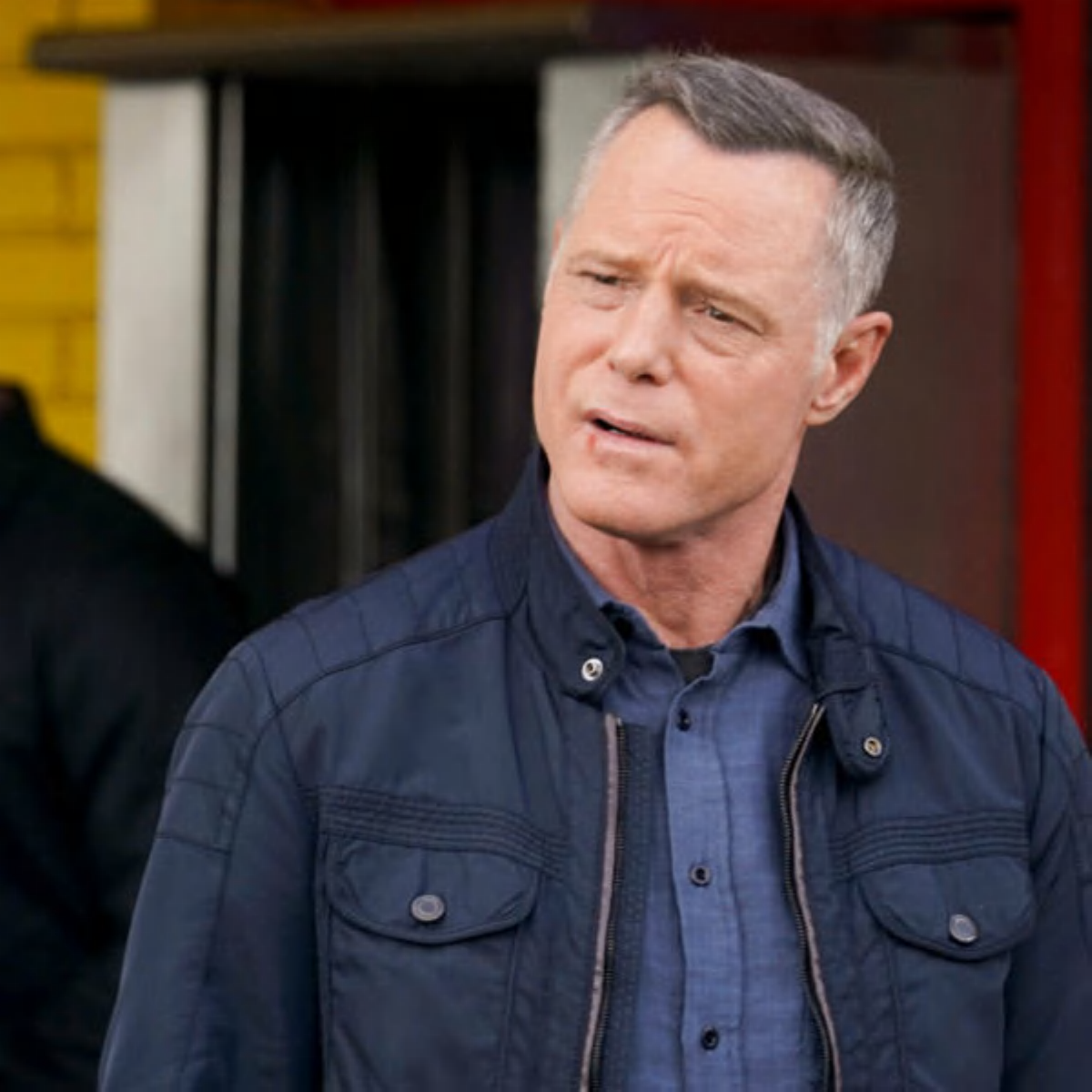
While the official announcements from the network or the production team often remain tight-lipped until developments are concrete, the rumor mill and fan discussions are rarely silent. This article will delve into the persistent whispers surrounding Sergeant Voight’s potential exit, exploring the narrative threads that might support such a storyline, the actor’s own statements if any, and the implications for the future of Chicago P.D. itself. We’ll consider how his journey, often characterized by intense personal struggles and unwavering dedication to his city, might logically reach a conclusion, and what that might mean for the landscape of police procedurals.
Voight’s Enduring Presence and Narrative Departures
Sergeant Hank Voight’s journey on Chicago P.D. has been anything but linear. From the outset, he was established as a complex character, a man who bent and often broke the rules to achieve what he believed was the greater good. This moral grey area has been a constant source of both fascination and friction for viewers, and it has also provided fertile ground for storylines that could, at any point, lead to his departure from the force.
The Weight of Command and Moral Compromise
The very essence of Voight’s character is intrinsically linked to the weight of his command and the morally compromising situations he frequently finds himself in. Over the seasons, he has engaged in illegal surveillance, manipulated evidence, and even resorted to violence when he deemed it necessary. These actions, while often serving to bring criminals to justice, have consistently placed him on a precarious tightrope, with the potential for exposure and severe repercussions always looming.
One of the most significant arcs that could foreshadow an exit involves the increasing scrutiny of his methods. As the series progresses, the Chicago Police Department, like any real-world law enforcement agency, is subject to internal affairs investigations and public oversight. The cumulative weight of Voight’s past transgressions could, at any given moment, become too heavy to bear. Imagine a scenario where a particularly high-profile case unravels due to his unorthodox tactics, leading to an internal affairs investigation that forces his hand. This wouldn’t be a sudden, out-of-the-blue departure, but rather a culmination of years of operating in the shadows, a narrative consequence that many fans have anticipated.
Furthermore, Voight’s personal life has often been intertwined with his professional duties. His history, marked by tragedy and loss, has fueled his relentless pursuit of justice. However, this personal investment can also become a liability. If a case hits too close to home, or if his personal demons resurface in a way that compromises his judgment, it could lead to a decision, either his own or one imposed upon him, to step away. This kind of character-driven departure feels earned and organic, allowing for a powerful emotional conclusion to his story.
The Actor’s Perspective and Rumored Departures
Jason Beghe, the actor behind the formidable Sergeant Voight, has been a vocal participant in the show’s journey. While actors rarely reveal their future plans far in advance, their interviews can often offer insights into their satisfaction with their characters and the direction of the series. In the past, Beghe has spoken about the challenges and rewards of playing such a multifaceted role. He has often highlighted the nuances of Voight’s character, emphasizing that his actions, while questionable, stem from a deep-seated desire to protect the innocent and bring closure to victims.
When rumors of potential departures arise, it’s often fueled by a lack of definitive statements from the actor or production about their long-term commitment. Television contracts are typically for a set number of seasons, and as a show progresses, discussions about renewals naturally occur. If an actor expresses a desire for new creative challenges or if contract negotiations become complex, it can lead to speculation. In the absence of concrete news, fans often interpret any silence or vague statement as a sign that a departure might be on the horizon. This is particularly true for a character as central as Voight, whose presence is so closely associated with the identity of Chicago P.D.
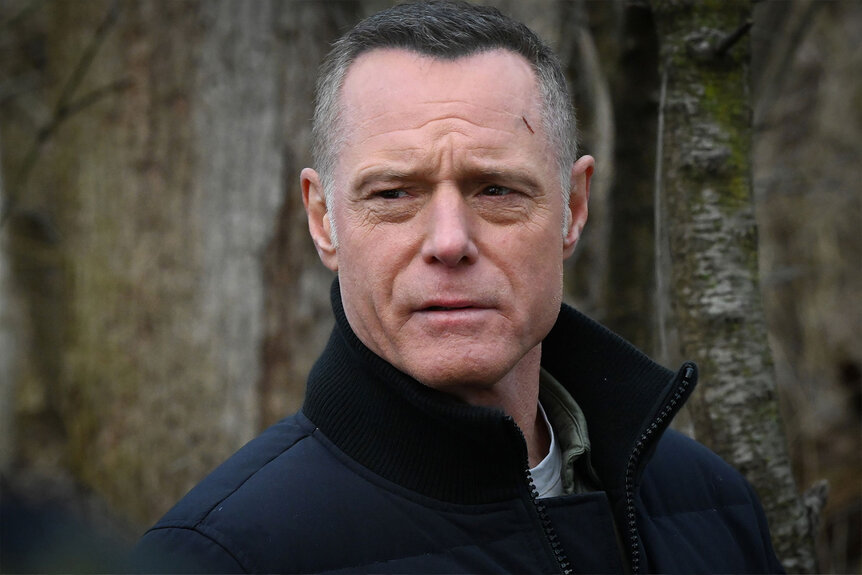
It’s important to distinguish between genuine behind-the-scenes developments and the inherent speculation that surrounds any popular, long-running show. The persistent question of “Is Voight leaving Chicago P.D.?” is less about a single, definitive moment of departure and more about the ongoing narrative potential for such an event. It reflects the audience’s deep engagement with the character and their investment in his fate.
Imagining Voight’s Departure: Narrative Possibilities
Should Sergeant Hank Voight eventually depart Chicago P.D., the writers have a rich tapestry of narrative possibilities to draw from. His exit could be a dramatic confrontation, a quiet resignation, or even a sacrifice. Considering the established character and the show’s tone, several scenarios feel particularly plausible.
A Final Act of Justice or Redemption
One of the most compelling ways Voight could leave is through a grand, defining act that either solidifies his complex legacy or offers him a measure of redemption. This could involve taking down a major criminal enterprise that has eluded the Intelligence Unit for years, even if it means putting his own freedom or life on the line. Imagine a situation where Voight has to make an impossible choice: save a loved one or bring down a dangerous perpetrator. His decision in such a scenario would speak volumes about his ultimate priorities and could lead to a poignant farewell.
Another possibility is a situation where his past actions finally catch up with him in a way that forces him to step down to protect the unit. Perhaps a deep-cover informant he once employed resurfaces, or a cold case he mishandled is reopened, putting the entire team in jeopardy. In this instance, Voight might choose to resign to shield his officers from the fallout, demonstrating a protective instinct that has always been a core part of his character. This would be a bittersweet departure, born out of loyalty and a sense of responsibility.
A New Chapter Beyond the Streets of Chicago
Beyond the immediate confines of the police precinct, Voight’s departure could also signal a new chapter in his life, one far removed from the daily grind of crime fighting in Chicago. While his identity is deeply rooted in his role as a detective, it’s not inconceivable that he could find a path to a more peaceful existence, perhaps in retirement, or even in a different capacity that utilizes his unique skills.
Consider a scenario where Voight, after years of intense pressure, decides to pursue a quieter life. This might involve relocating to a serene destination, perhaps a coastal town or a more rural setting, where the ghosts of his past can’t follow as easily. This kind of departure would offer a sense of closure, allowing him to find a semblance of peace after a career spent in the eye of the storm. It would also provide an opportunity to explore a side of the character that has rarely been seen – one less defined by adrenaline and more by reflection.

The Impact on the Intelligence Unit
The departure of Sergeant Hank Voight would undoubtedly send ripples through the Intelligence Unit and the entirety of Chicago P.D.. For years, he has been the anchor, the unwavering leader whose presence, however controversial, provided a sense of direction and security for his team. His exit would necessitate a significant shift in the unit’s dynamics and leadership.
Would a new, more by-the-book supervisor take over, bringing a stricter adherence to protocol? Or would an internal promotion lead to one of the existing members stepping into the leadership role, bringing their own unique style and challenges to the position? The fallout from Voight’s departure would likely be a central focus of subsequent seasons, as the team grapples with the loss of their mentor and the need to forge a new path forward. The absence of his commanding presence would leave a void that would be difficult to fill, forcing the remaining characters to step up and evolve in their own right. The legacy of Voight’s leadership, for better or worse, would continue to influence the unit for seasons to come.
Ultimately, whether Sergeant Hank Voight eventually leaves Chicago P.D. remains a question for the future. However, the persistent speculation speaks volumes about the character’s enduring impact and the rich narrative potential that his journey on the show has offered. As fans, we can only await the unfolding of his story, ever-curious about what the streets of Chicago might hold for its most complex and compelling detective.
LifeOutOfTheBox is a participant in the Amazon Services LLC Associates Program, an affiliate advertising program designed to provide a means for sites to earn advertising fees by advertising and linking to Amazon.com. Amazon, the Amazon logo, AmazonSupply, and the AmazonSupply logo are trademarks of Amazon.com, Inc. or its affiliates. As an Amazon Associate we earn affiliate commissions from qualifying purchases.