
The Windy City, a titan of the Midwest, beckons travelers with its vibrant energy, architectural marvels, and a culinary scene that’s as diverse as its population. Whether you’re planning a fleeting visit or an extended stay, understanding the local time is a fundamental step in orchestrating your Chicago adventure. As the clock ticks in this magnificent metropolis, it dictates everything from the opening hours of world-class museums to the timing of captivating live performances and the bustling rhythm of its daily life.
Chicago operates on Central Standard Time (CST) during the winter months and Central Daylight Time (CDT) during the warmer periods. This means it is UTC-6 for CST and UTC-5 for CDT. This time zone designation places it firmly in the heart of North America’s central region, aligning it with many other major cities across the United States.

Understanding the time zone is more than just a matter of convenience; it’s crucial for seamless travel planning. Imagine booking a crucial business meeting, a coveted theater ticket, or even a popular food tour without considering the time difference. Miscalculations can lead to missed opportunities and a less-than-ideal experience. For those arriving from across the globe, the concept of Daylight Saving Time might be a novel adjustment, further emphasizing the need for clear information.
Navigating Chicago’s Time and Travel Essentials
When you set your sights on Chicago, you’re stepping into a city that thrives on a well-defined schedule. From the iconic skyline that pierces the heavens to the tranquil shores of Lake Michigan, every experience is enhanced by knowing precisely when and where to be. This section delves into how understanding Chicago‘s time zone directly impacts your travel plans, from booking accommodations to enjoying its myriad attractions.
Timing Your Arrival and Accommodation
Your journey to Chicago begins long before you set foot in the city. The first crucial element is determining the best time to visit, a decision influenced not only by the weather but also by the city’s seasonal events and festivals. For instance, the summer months, from June through August, are typically the most popular, offering warm temperatures perfect for exploring outdoor attractions like Millennium Park and the Navy Pier. However, this peak season also means higher prices for hotels and potentially larger crowds.
Conversely, visiting during the shoulder seasons – April to May and September to October – can offer a more relaxed experience with pleasant weather and often more competitive rates for accommodation. Winter in Chicago presents a different kind of charm, with the city transforming into a festive wonderland adorned with holiday lights, particularly around the Magnificent Mile. While colder, it offers opportunities for indoor exploration of world-class museums like the Art Institute of Chicago and enjoying cozy restaurants.
When booking your hotel, whether it’s a luxurious suite at the Four Seasons Hotel Chicago, a budget-friendly apartment for a long-term stay, or a charming resort nestled in the outskirts, understanding the local time is paramount. Confirming check-in and check-out times is a basic but vital step. For those seeking extended stays, comparing options across various platforms becomes essential, and knowing the precise local time ensures you’re not missing out on optimal booking windows or early bird specials. The availability of suites, resorts, and villas can fluctuate, and being on top of the time zone helps in making swift decisions.
Experiencing Chicago’s Attractions on Schedule
Chicago boasts an embarrassment of riches when it comes to attractions. From the soaring heights of the Willis Tower (formerly the Sears Tower) to the artistic masterpieces housed within the Art Institute of Chicago, each experience is time-bound. Guided tours, like those exploring the city’s famed architecture along the Chicago River, often have specific departure times. Booking these in advance is highly recommended, especially during peak tourist seasons, and knowing the local time ensures you arrive punctually, ready to absorb the history and beauty.
The Navy Pier, a vibrant hub of entertainment, features a Ferris wheel offering panoramic views of the city and Lake Michigan. Its operating hours are subject to change based on the season and day of the week, making it essential to check their schedule in advance. Similarly, catching a live performance at one of Chicago‘s renowned theaters, such as the Goodman Theatre or the Broadway in Chicago venues, requires adherence to showtimes.
For the culinary enthusiast, Chicago is a paradise. From Michelin-starred dining experiences to casual dives serving the city’s iconic deep-dish pizza, timing your meals can enhance your gastronomic journey. Popular restaurants often require reservations, particularly for dinner service, and knowing the local time helps you secure a table at your desired hour. Exploring local markets or participating in a food tour also necessitates an awareness of their operating hours and tour start times.
Embracing Chicago’s Lifestyle Through Time
Chicago‘s lifestyle is a dynamic blend of work, leisure, and a deep appreciation for its rich cultural tapestry. Whether you’re a luxury traveler seeking opulent experiences or a budget-conscious explorer looking for authentic encounters, understanding the rhythm of the city is key to unlocking its full potential. This section explores how various lifestyles intersect with the timing and daily operations of Chicago.
Tailoring Your Itinerary: Luxury, Budget, and Family Travel

For the luxury traveler, Chicago offers an array of high-end experiences. This might include enjoying a bespoke shopping spree along the Magnificent Mile, indulging in fine dining at establishments like Alinea, or residing in five-star hotels such as the The Peninsula Chicago. The timing of these pursuits is crucial for maximizing exclusive services, such as private tours or chef’s table experiences, which often have limited availability and require advance booking coordinated with local operating hours.
The budget traveler can also experience the best of Chicago without breaking the bank. This could involve exploring free attractions like Lincoln Park Zoo, enjoying affordable yet delicious eats from local diners, or utilizing public transportation, the CTA ‘L’ train, to navigate the city efficiently. Understanding the operating schedules of the ‘L’ train and the opening hours of free museums is essential for a cost-effective and comprehensive exploration. Many of Chicago‘s beloved landmarks, such as the Cloud Gate sculpture in Millennium Park, are accessible at any time, allowing for spontaneous visits.
Family trips to Chicago are filled with opportunities for fun and learning. From the interactive exhibits at the Museum of Science and Industry to the playful atmosphere of the Lincoln Park Zoo, there are activities to engage children of all ages. Planning these outings around nap times, meal breaks, and the specific opening hours of attractions ensures a smooth and enjoyable experience for the entire family. Booking family-friendly accommodation, such as apartments with kitchenettes or hotels offering amenities like pools, can also be timed to coincide with the best rates and availability.
Business Stays and Local Culture
For those visiting Chicago on business, efficiency and punctuality are paramount. Understanding the local time zone is fundamental for scheduling meetings, conference calls, and travel arrangements. Chicago is a major hub for business and finance, with numerous conventions and trade shows held throughout the year at venues like the McCormick Place. Being aware of Central Time ensures you’re always in sync with your colleagues and clients. Business hotels often cater to these needs, offering amenities like meeting rooms and express check-in/check-out services.
Beyond the business world, Chicago‘s local culture is a significant draw. This includes its vibrant music scene, with legendary blues clubs like Buddy Guy’s Legends, its thriving theater district, and its diverse culinary landscape. Attending a sporting event at iconic venues such as Wrigley Field (home of the Chicago Cubs) or the United Center (home of the Chicago Bulls and Chicago Blackhawks) requires careful attention to game times. Similarly, experiencing the local arts scene, whether it’s a gallery opening or a performance at the Chicago Symphony Orchestra, necessitates checking event schedules.
Exploring neighborhoods like Wicker Park, known for its trendy boutiques and eateries, or Pilsen, celebrated for its vibrant street art and Mexican heritage, offers a deeper dive into the city’s soul. The timing of these explorations can influence the experience; for example, visiting a farmer’s market on a Saturday morning or enjoying the evening buzz of a popular dining district.
Chicago’s Iconic Landmarks and Their Temporal Significance
Chicago is a city where history, art, and innovation converge, manifested in its breathtaking landmarks. From architectural masterpieces to natural beauty, these sites offer a glimpse into the city’s past and its dynamic present. Understanding the best times to visit these landmarks can significantly enrich your experience, allowing you to appreciate their grandeur without the hustle and bustle, or to witness them at their most captivating.
Architectural Wonders and Natural Escapes
The skyline of Chicago is world-renowned, a testament to its pioneering spirit in architecture. Taking an architectural boat tour along the Chicago River is a must-do. These tours, offered by companies like the Chicago Architecture Foundation Center, typically depart multiple times a day. Knowing the local time ensures you book a tour that fits your schedule and offers the best lighting for photography, perhaps during the golden hour before sunset. Ascending to the observation decks of the Willis Tower (Skydeck Chicago) or the 360 CHICAGO (formerly John Hancock Center) provides unparalleled panoramic views. Visiting these attractions during off-peak hours, often early in the morning or later in the evening, can offer a more serene experience and shorter wait times.
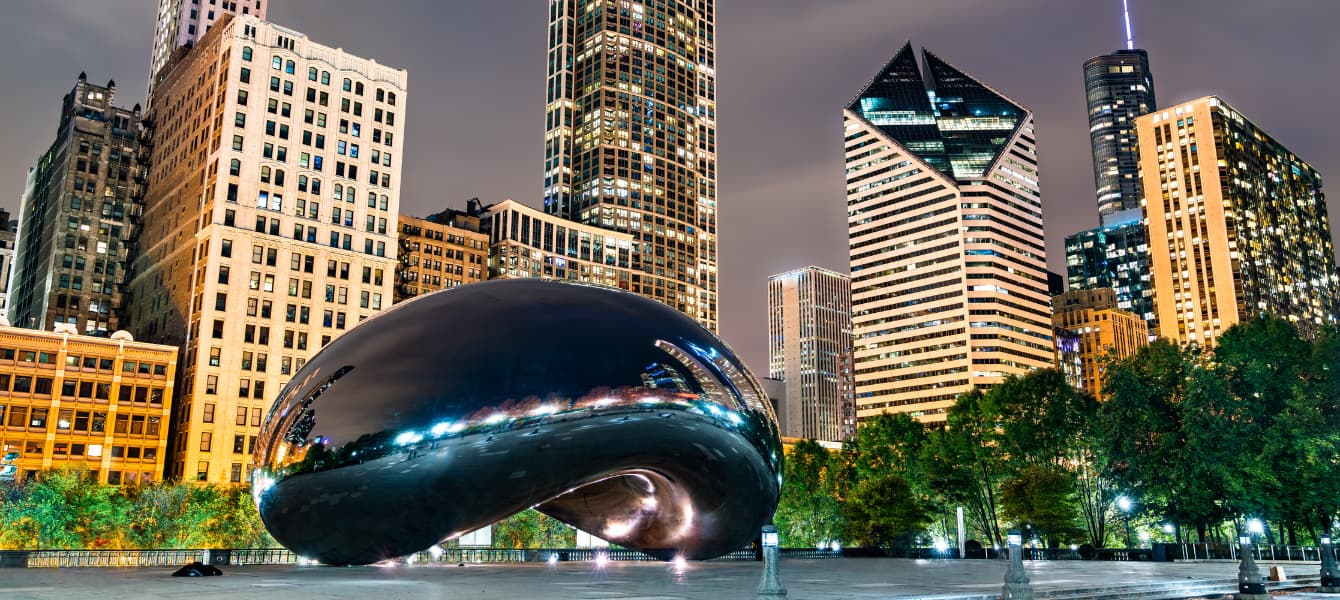
Millennium Park is another jewel in Chicago‘s crown, home to the iconic Cloud Gate sculpture, affectionately known as “The Bean.” This interactive public art installation is a popular spot for photos, and visiting at different times of the day reveals its changing character. Early mornings offer a less crowded experience, while evenings can provide a magical ambiance with the city lights reflecting off its polished surface. The nearby Jay Pritzker Pavilion hosts numerous free concerts and events during the summer months, all of which have specific start times.
For those seeking a touch of nature within the urban landscape, Lincoln Park offers a sprawling green oasis. It’s home to the Lincoln Park Zoo, one of the oldest and most popular zoos in the United States, which operates on specific hours. The Lincoln Park Conservatory provides a tranquil escape with its lush botanical displays. These natural spaces are perfect for a leisurely stroll at any time of day, but understanding their operating hours is crucial for those who wish to explore their indoor components.
Historical Sites and Cultural Hubs
Chicago‘s history is deeply intertwined with its development as a major American city. The Field Museum of Natural History and the Shedd Aquarium, located along the Museum Campus, are world-class institutions offering insights into natural history and aquatic life, respectively. Their hours of operation are essential knowledge for planning family outings or dedicated learning experiences. Nearby, the Adler Planetarium offers a journey through the cosmos.
The Art Institute of Chicago is a globally recognized art museum housing an extensive collection spanning centuries and cultures. To fully appreciate its masterpieces, dedicating a significant portion of your day is recommended. Knowing the museum’s opening and closing times allows you to plan your visit strategically, perhaps starting with a specific wing or exhibition to ensure you see your must-see pieces.
For a glimpse into the city’s more recent past and its enduring cultural impact, visiting areas like the Blues district or exploring the legacy of Al Capone (though not a specific landmark, the era is culturally significant) can be fascinating. Understanding when local music venues are active or when historical tours are available enhances these experiences.
In conclusion, whether you’re coordinating travel logistics, planning your daily adventures, or immersing yourself in the local lifestyle, knowing “What Time Is It In Chicago?” is the first step towards a perfectly timed and unforgettable journey through this dynamic American metropolis.
LifeOutOfTheBox is a participant in the Amazon Services LLC Associates Program, an affiliate advertising program designed to provide a means for sites to earn advertising fees by advertising and linking to Amazon.com. Amazon, the Amazon logo, AmazonSupply, and the AmazonSupply logo are trademarks of Amazon.com, Inc. or its affiliates. As an Amazon Associate we earn affiliate commissions from qualifying purchases.