
When planning a trip to the vibrant metropolis of Chicago, Illinois, understanding the local time is a fundamental yet crucial piece of information. This knowledge isn’t just about knowing when to set your watch; it directly impacts flight bookings, tour schedules, dining reservations, and even your ability to catch that perfect sunrise over Lake Michigan. Chicago is a city that never sleeps, and with its myriad of attractions and activities, ensuring you’re on time for every experience can significantly enhance your visit.
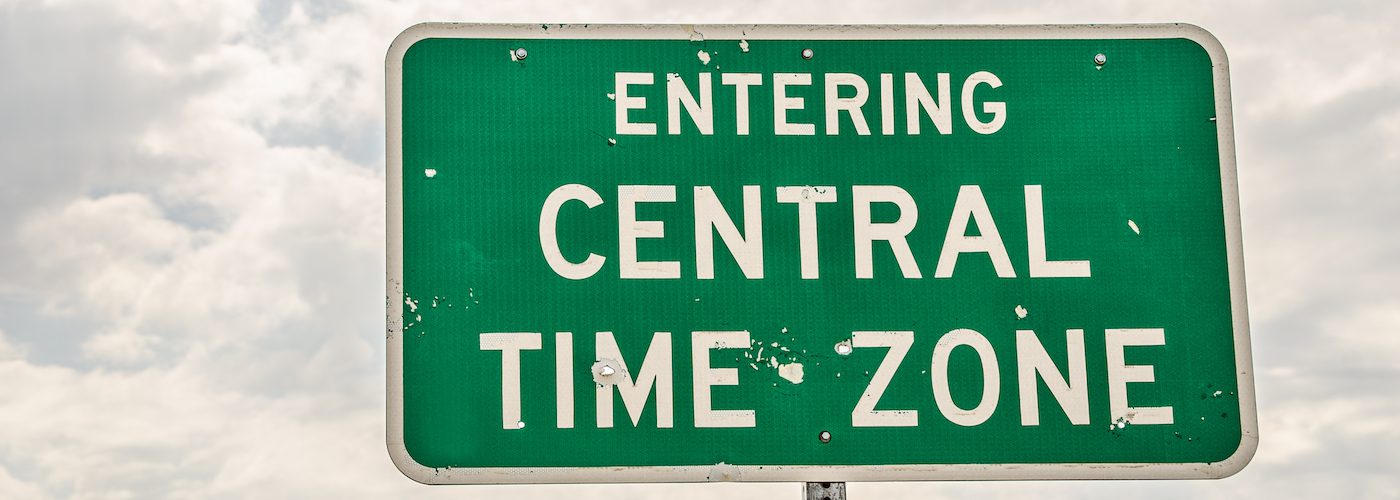
Chicago operates within the Central Time Zone (CT). This zone is observed across a significant portion of the United States, encompassing areas from the Great Lakes to the Rocky Mountains. For Chicago, this means its standard time is Central Standard Time (CST), which is UTC-6. However, like many regions in the United States, Chicago observes Daylight Saving Time (DST).

Understanding Daylight Saving Time in Chicago
Daylight Saving Time, or DST, is a practice where clocks are advanced by one hour during warmer months so that darkness falls at a later hour of the evening. In the United States, DST typically begins on the second Sunday in March and ends on the first Sunday in November. During this period, Chicago switches from Central Standard Time (CST) to Central Daylight Time (CDT), which is UTC-5.
The Impact of Time Zones on Travel
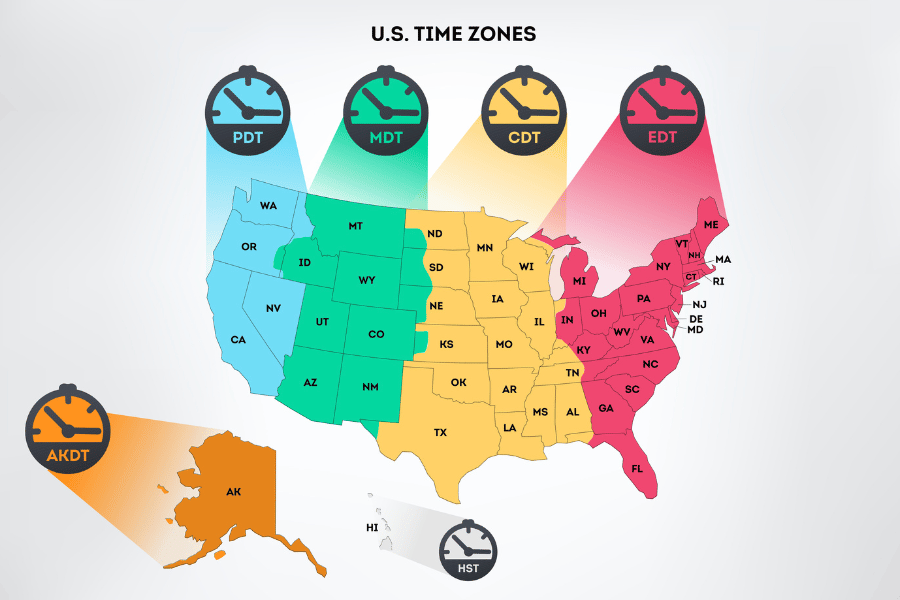
The distinction between CST and CDT might seem minor, but it plays a significant role in travel logistics. When booking flights, especially transcontinental or international ones, being aware of the time difference is paramount. For instance, if you’re traveling from the East Coast of the United States, where Eastern Time (ET) is observed, you’ll gain an hour when arriving in Chicago. Conversely, traveling from the West Coast, where Pacific Time (PT) is in effect, you’ll lose two hours.
This temporal adjustment is crucial for synchronizing with various aspects of your trip. Consider that many hotel check-in and check-out times, as well as restaurant reservation slots, are based on local time. Miscalculating these can lead to missed reservations or arriving at your accommodation too early or too late.
Planning Your Itinerary
When mapping out your explorations of Chicago’s iconic landmarks, such as the Willis Tower (formerly the Sears Tower) or the sculptures at Grant Park, understanding the local time is essential for maximizing your daylight hours. Many attractions have specific opening and closing times, and factoring in travel time between destinations is also critical. For example, visiting the Art Institute of Chicago in the morning might allow you to explore its vast collections before the midday crowds arrive.
The vibrant culinary scene in Chicago, famous for its deep-dish pizza and Michelin-starred restaurants, also operates on local time. Booking a dinner reservation at a renowned establishment like Alinea or Oriole requires precise timing to avoid disappointment. Furthermore, understanding the time difference is vital if you plan to connect with friends or family back home, ensuring you don’t call them at an inconvenient hour.
Navigating Time Zones for Different Travel Styles
Whether you’re embarking on a luxurious getaway, a budget-friendly adventure, or a family vacation, time zone awareness remains a constant.
-
Luxury Travel: For those seeking the pinnacle of luxury, understanding time zones can help you seamlessly transition between world-class hotels like the The Peninsula Chicago or The Langham, Chicago, and exclusive dining experiences. You might want to align your wake-up calls and spa appointments with your home time zone to minimize jet lag, or fully embrace the local rhythm to immerse yourself in the city’s pulse.
-
Budget Travel: For budget-conscious travelers, utilizing daylight hours effectively can mean more free sightseeing. Knowing what time it is in Chicago helps you plan free activities, like exploring the architectural wonders of the Magnificent Mile or enjoying the lakefront trail, during optimal hours. This also aids in planning affordable public transportation use, ensuring you catch the last bus or train.
-
Family Trips: For families, especially those with young children, the transition to a new time zone can be particularly challenging. Establishing a routine that respects children’s sleep schedules, even when adjusting to Chicago time, is crucial. Planning park visits to Lincoln Park Zoo or interactive museum experiences at the Field Museum during peak energy times for the kids is a smart strategy.
-
Business Stays: Business travelers often juggle meetings across different time zones. Knowing the exact time in Chicago is essential for coordinating with colleagues or clients located elsewhere. Whether you’re staying at a business-friendly hotel like the Hyatt Regency Chicago or a serviced apartment, punctuality is key.
Local Time and Cultural Experiences
Chicago boasts a rich tapestry of local culture, from its renowned blues clubs and jazz venues to its bustling theater district. Understanding the local time allows you to fully engage with these experiences. Live music performances at venues like Buddy Guy’s Legends or the Green Mill Cocktail Lounge typically begin in the evening. Similarly, Broadway shows and local productions in the Chicago Theatre District have set showtimes that are strictly adhered to.
Exploring the diverse neighborhoods of Chicago, each with its unique character and culinary offerings, also benefits from temporal awareness. For instance, a morning stroll through the vibrant Pilsen neighborhood to admire its street art might be followed by a mid-day lunch of authentic Mexican cuisine. Later, an evening visit to the West Loop for a trendy dining experience requires an accurate understanding of when restaurants open and when to make reservations.
Staying Connected: Time Zones and Communication
In today’s interconnected world, staying in touch with loved ones or business associates across different time zones is easier than ever, but it still requires diligence. If you’re coordinating a call with someone in New York (ET), remember that Chicago is one hour behind. If you’re speaking with someone in Los Angeles (PT), Chicago is two hours ahead. This is especially important when dealing with time-sensitive communications or when seeking assistance from support services based in other regions.
When planning longer stays in Chicago, perhaps in a serviced apartment or a villa rental, understanding the local time is also helpful for managing daily routines. It allows you to synchronize with local news broadcasts, plan your grocery shopping around store hours, and generally integrate into the rhythm of the city.
In conclusion, while the question “What time is it in Chicago, Illinois?” might seem simple, its implications for travel, accommodation, and experiencing the city’s diverse offerings are profound. By being mindful of Central Time and the observance of Daylight Saving Time, you can ensure a smoother, more enjoyable, and perfectly timed journey through this magnificent American city. Whether you’re gazing at the skyline from the 360 Chicago Observation Deck or enjoying a leisurely brunch, knowing the local time is your first step towards a successful and memorable visit.
LifeOutOfTheBox is a participant in the Amazon Services LLC Associates Program, an affiliate advertising program designed to provide a means for sites to earn advertising fees by advertising and linking to Amazon.com. Amazon, the Amazon logo, AmazonSupply, and the AmazonSupply logo are trademarks of Amazon.com, Inc. or its affiliates. As an Amazon Associate we earn affiliate commissions from qualifying purchases.