
Observing flags flying at half-mast can be a poignant sight, often prompting questions from both seasoned residents and curious travelers exploring the diverse landscapes of Texas. This powerful visual gesture signifies a period of mourning, respect, or remembrance, deeply embedded in the civic traditions of the United States. When you see the Lone Star Flag, or the American Flag, lowered to half-staff across the vast expanse of Texas, it’s never a random act. Instead, it’s a deliberate directive, typically issued from the highest echelons of government, to honor individuals who have passed away, commemorate tragic events, or mark significant national or state-level observances.
For anyone traveling through Texas, whether on a bustling city break to Austin or a serene retreat to the hill country, noticing flags at half-mast adds a unique dimension to their travel experience. It’s an immediate signal that something significant has occurred, inviting visitors to pause, reflect, and perhaps learn more about the state’s rich history and the values held dear by its people. This article delves into the “why” behind flags at half-mast in Texas, exploring the protocols, the influential figures behind these decisions, and what it means for the community and visitors alike.
Understanding the Tradition of Half-Staff Flags
The tradition of flying flags at half-mast (or half-staff, as it’s officially known in flag etiquette) is a deeply rooted custom, serving as a universal symbol of mourning, sorrow, and respect. It’s a silent, visual tribute that transcends spoken words, signaling a collective period of remembrance for those who have made profound sacrifices or left an indelible mark on society. In Texas, a state with immense pride and a strong sense of community, this tradition is observed with particular reverence.
Historical Roots and Symbolism
The origins of lowering a flag as a sign of mourning can be traced back centuries, with various theories suggesting its emergence from maritime traditions. One popular theory posits that a flag flown at half-mast makes room for an “invisible flag of death” flying above it, symbolizing the nation’s sorrow. Another suggests it’s a sign of distress or submission to a higher power, acknowledging a loss that impacts the entire community or nation. Regardless of its exact genesis, the symbolism has evolved into a clear, universally recognized gesture of grief and honor.
The U.S. Flag Code provides specific guidelines for when and how the American flag should be displayed at half-staff, ensuring uniformity and respect across the nation. While these guidelines dictate federal observances, individual states like Texas have the authority to issue their own directives for state facilities and institutions, often mirroring federal proclamations but also initiating unique commemorations important to the local community. This blend of national unity and state autonomy ensures that both national heroes and beloved Texans are appropriately honored.
The Protocol: When and How Flags are Lowered
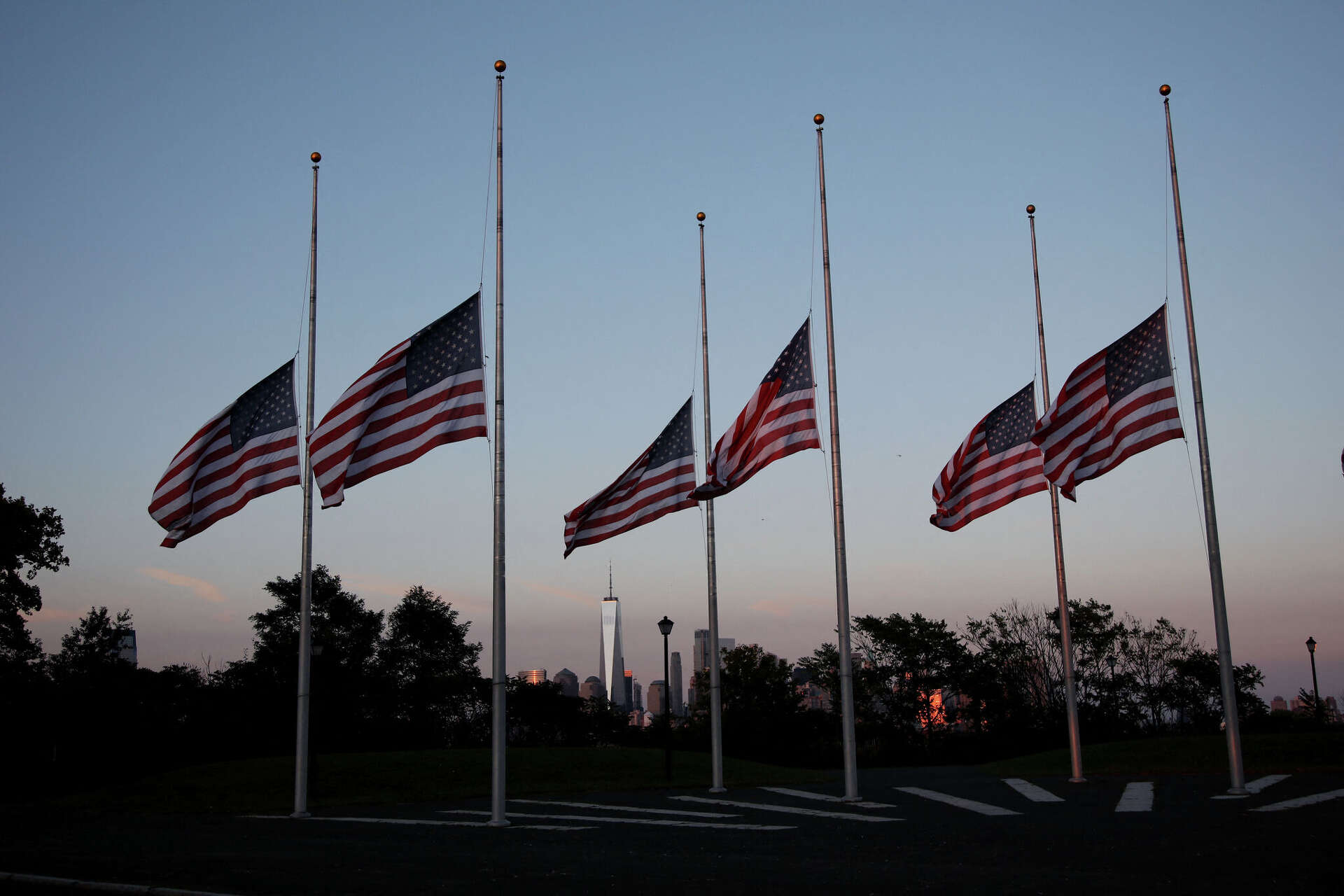
The decision to lower flags to half-mast is not taken lightly. It follows a strict protocol, typically initiated by official proclamations that specify the reason for the tribute, the duration of the half-staff period, and the exact locations where flags should be displayed in this manner. These proclamations are critical for providing clarity and ensuring that the tribute is carried out uniformly and respectfully across all government buildings, public spaces, and often, private establishments.
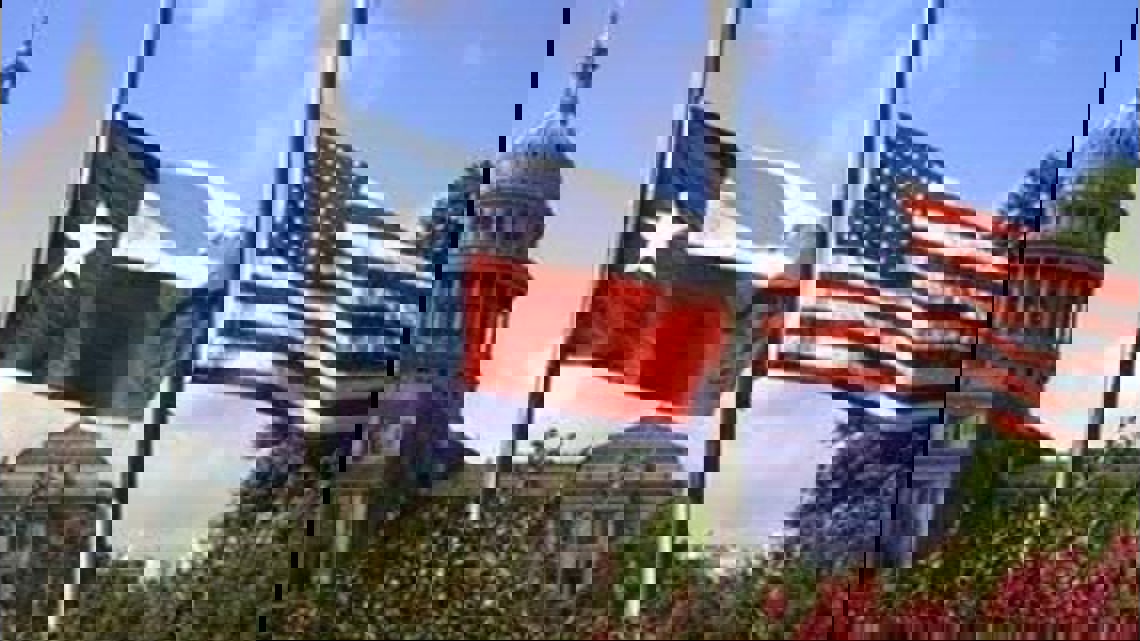
Generally, flags are flown at half-staff from sunrise until sunset, though there are specific exceptions, such as continuous display during a period of national mourning. When a flag is raised to half-staff, it should first be hoisted briskly to the peak for a moment, and then slowly lowered to the half-staff position. When it is time to return the flag to full-staff, it should again be hoisted to the peak before being respectfully lowered for retirement. This meticulous procedure underscores the solemnity and importance of the gesture. For travelers visiting iconic Texas landmarks, such as the Texas State Capitol in Austin or historical sites like The Alamo in San Antonio, witnessing this protocol can be a powerful and educational experience, connecting them to the pulse of the state’s civic life.
Who Makes the Call? Governor and Presidential Authority
The authority to order flags to half-mast rests primarily with two key figures: the President of the United States for national observances, and the Governor of Texas for state-specific commemorations.
Presidential Proclamations: When a national figure passes away, or a tragedy of national significance occurs, the President Biden issues a proclamation from the White House, directing all federal buildings, grounds, and naval vessels (both at home and abroad) to fly the U.S. flag at half-staff. These directives often include provisions for an extended period of mourning, sometimes lasting for weeks, as was seen with the passing of former President George H.W. Bush. Such presidential orders are binding across the nation, meaning flags in Texas would also be lowered in observance.
Gubernatorial Directives: For events or individuals specific to Texas, Governor Greg Abbott holds the authority to issue similar proclamations for state facilities. These state-level directives ensure that Texans can honor their own, from fallen law enforcement officers and firefighters to distinguished public servants or victims of local tragedies. For example, if a prominent Texas legislator or a local hero passes, Governor Greg Abbott would typically issue an order for flags at state and local facilities across Texas to be lowered. This dual system allows for comprehensive and respectful remembrance, honoring both national and regional heroes.

Recent Instances and Notable Commemorations in Texas
The lowering of flags in Texas is often a direct response to a significant event or the passing of a notable individual, reflecting the state’s deep respect for public service and a collective sense of mourning. These instances are widely publicized and observed, particularly at prominent landmarks and government buildings throughout the state.
Honoring Distinguished Texans
Texas has a long history of honoring its distinguished citizens, from pioneering figures to modern-day leaders. When a prominent Texan, especially one in public service, passes away, flags are often lowered as a mark of respect for their contributions. Figures like Senator John Cornyn (R-Texas) often play a role in advocating for such commemorations, sometimes even initiating resolutions in the U.S. Capitol in Washington D.C. regarding national commemorations, highlighting the bipartisan nature of national mourning.
One of the most profound examples of a statewide and nationwide tribute was following the passing of former President George H.W. Bush. As a revered former president who had strong ties to Texas (with his presidential library located in College Station), his death prompted a widespread period of mourning. Flags across the nation, including every flagpole in Texas, were ordered to half-mast for an extended period, reflecting the immense respect he commanded. This was a presidential proclamation that extended to all federal buildings, grounds, and naval vessels, both at home and abroad. In Texas, Governor Greg Abbott issued a corresponding order for flags at state and local facilities, ensuring that the entire state united in remembrance. This grand display of national unity and state pride underscored the impact of such figures.
Remembering Tragic Events
Beyond individual honors, flags are also lowered in remembrance of tragic events that deeply affect the community or nation. These can range from natural disasters resulting in significant loss of life to acts of violence that shake the collective consciousness. In such instances, the lowering of flags serves not only as a symbol of mourning for the victims but also as a powerful message of solidarity and resilience for those affected. For example, if a tragic school incident were to occur, Governor Greg Abbott would swiftly issue a proclamation, uniting Texas in a moment of shared grief and reflection.
These periods of remembrance are not solely about sadness; they also foster a sense of civic unity. They prompt communities to come together, to support one another, and to reflect on ways to prevent future tragedies. For tourists visiting Texas, observing flags at half-mast during such times offers a window into the state’s character—its capacity for empathy, its resilience, and its profound respect for human life. It can transform a typical travel itinerary into a more meaningful journey, encouraging engagement with local communities and a deeper understanding of Texas’s social fabric.
A Statewide Show of Respect
The beauty of these observances in Texas is their statewide reach. From the bustling metropolitan areas of Dallas and Houston to the serene landscapes of Big Bend National Park and the historic coastal towns like Galveston, flags are lowered uniformly. This creates a powerful, unified visual statement of respect and remembrance across diverse geographical and cultural regions within the state. It underscores a profound sense of shared identity and collective responsibility among Texans.
The Broader Impact on Visitors and Residents
The act of lowering flags to half-mast in Texas extends beyond a mere protocol; it creates a noticeable atmosphere that impacts both residents and the myriad visitors who explore the state’s attractions. This solemn gesture can shape perceptions, encourage reflection, and deepen one’s understanding of Texas’s cultural and civic values.
What Tourists Should Know
For tourists, noticing flags at half-mast at significant Texas landmarks, such as the Space Center Houston, The Alamo, or along the vibrant Riverwalk in San Antonio, can be a striking visual. It often prompts questions: Why are the flags lowered? What happened? This curiosity offers a unique opportunity for cultural immersion. Instead of merely observing, visitors can delve into the local news, learn about the reasons behind the tribute, and gain insight into the historical and contemporary events that shape the state.
This unexpected encounter can turn a casual sightseeing trip into a more profound travel experience. It highlights that [Texas](https://lifeoutofthebox.com/texas] is not just a collection of destinations and attractions but a living, breathing community with its own joys, sorrows, and traditions. Accommodations, from boutique hotels in Austin to sprawling resorts near Dallas, might also display flags at half-mast, serving as a subtle reminder of the ongoing civic moment. For those interested in local culture and history, this becomes an unplanned but enriching part of their Texas journey.
Civic Pride and Community Reflection
For residents, the sight of flags at half-mast evokes a sense of shared community and civic pride. It’s a moment to pause, remember, and honor. These directives often unite people across political divides and geographical distances, fostering a collective spirit of empathy and respect. Whether it’s mourning a fallen hero or commemorating a tragic event, the half-mast flag serves as a powerful reminder of shared humanity and the enduring bonds within the community.
This tradition reinforces a lifestyle of remembrance and respect for public service. It teaches younger generations about the importance of honoring those who serve and sacrifice, and it provides a collective space for adults to reflect on the values that bind them together as Texans and Americans.
Exploring Texas During Times of Mourning
While flags at half-mast indicate a period of mourning, it rarely impacts the accessibility of travel destinations or the general flow of tourism. Major attractions, hotels, and local businesses typically remain open. However, state-sponsored events or government office hours might be altered on specific days of remembrance, such as state funerals or memorial services.
For those planning their trips, keeping an eye on official announcements can be helpful, especially if visiting areas centered around government buildings or historical sites where ceremonies might take place. Yet, even in times of somber reflection, Texas remains a welcoming destination, inviting visitors to experience its unique blend of history, culture, and hospitality, perhaps with a heightened awareness of the state’s vibrant civic life.
Practical Information for Texans and Travelers
Staying informed about why flags are at half-mast can deepen one’s connection to the community and provides valuable context, whether you’re a long-time resident or a temporary visitor.
How to Stay Informed
The most reliable sources for information regarding flag-lowering directives are official government channels. The Governor’s office website is the primary resource for state-level proclamations in Texas. For national directives, the White House official press releases or the President’s public schedule are key. Reputable local and national news organizations also widely report on these announcements, often providing the specific reasons, duration, and scope of the flag tribute.
Subscribing to government alerts or following official social media channels for Governor Greg Abbott or the Texas State Legislature can ensure you receive timely updates. This proactive approach allows both Texans and travelers to understand the context of the half-mast flags and participate, even passively, in the state’s collective remembrance.
Key Locations Where Flags Are Flown
You can expect to see flags at half-mast at a multitude of locations across Texas during periods of official mourning:
- Government Buildings: The Texas State Capitol, county courthouses, city halls, and federal buildings throughout the state.
- Public Schools and Universities: Educational institutions often observe these directives as a way to teach civic responsibility.
- Military Installations: Bases and facilities, including those in San Antonio or Houston, will respectfully lower their flags.
- Major Landmarks and Tourist Attractions: Iconic sites like The Alamo, Space Center Houston, and state parks.
- Private Businesses and Residences: While not legally mandated, many businesses and individuals voluntarily participate as a show of respect.
This widespread observance creates a palpable atmosphere of remembrance, making it clear to everyone that Texas is honoring a significant loss or event.
Contributing to the Spirit of Remembrance
For travelers, simply understanding why the flags are at half-mast is a form of participation. It shows respect for the local culture and the values of the community you are visiting. Engaging in respectful conversation, perhaps asking a local about the significance of the person or event being honored, can lead to a deeper appreciation of Texas’s heritage.
For Texans, the act of lowering their own flags, attending memorial services, or simply taking a moment of quiet reflection contributes to the collective spirit of remembrance. It underscores the profound respect for public service and a collective way to mourn and honor those who have left a lasting impact on the state and the nation. From the bustling streets of Dallas to the quiet corners of Arlington National Cemetery (where national figures are laid to rest), the half-mast flag serves as a powerful, enduring symbol of a nation’s and a state’s profound respect and remembrance.
LifeOutOfTheBox is a participant in the Amazon Services LLC Associates Program, an affiliate advertising program designed to provide a means for sites to earn advertising fees by advertising and linking to Amazon.com. Amazon, the Amazon logo, AmazonSupply, and the AmazonSupply logo are trademarks of Amazon.com, Inc. or its affiliates. As an Amazon Associate we earn affiliate commissions from qualifying purchases.