
The question, “Does it snow in Alabama?” often conjures images of a place far removed from winter’s icy embrace. Known for its sultry summers, humid Gulf Coast beaches, and a climate that generally leans towards the milder side, Alabama, affectionately known as the “Heart of Dixie“, might not be the first state that comes to mind when planning a snowy getaway. However, for those curious travelers or prospective residents wondering about the possibility of a white winter, the answer is a resounding, albeit qualified, yes. Snow is a rare and often fleeting visitor to much of the state, but it certainly isn’t unheard of, especially in its northern regions.
Understanding the nuances of Alabama’s winter weather is key to appreciating its unique appeal during the cooler months. While blizzard conditions are virtually nonexistent, the occasional dusting or even a moderate snowfall can transform the landscape into a picturesque wonderland, offering a different perspective on this vibrant southern state. This article delves into the likelihood of snow, where it’s most probable, and what a winter visit to Alabama truly entails, from charming accommodations to unexpected attractions, ensuring you’re well-prepared for any weather the season might bring.
A Glimpse into Alabama’s Diverse Climate
Alabama’s climate is generally classified as humid subtropical, characterized by hot, humid summers and mild winters. This broad classification, however, masks significant regional variations that play a crucial role in determining the frequency and intensity of snowfall across the state. The geographical tapestry of Alabama ranges from the coastal plains in the south to the foothills of the Appalachian Mountains in the north, creating distinct microclimates that influence everything from average temperatures to precipitation patterns.
The Subtropical Reality: More Than Just Snow
For the majority of Alabama, winter primarily means cooler temperatures rather than significant snowfall. Days are often crisp and sunny, with average daytime temperatures ranging from the low 50s to the low 60s Fahrenheit (10-18°C) in January, the coldest month. Nights can drop into the 30s or low 40s (0-10°C), making frost a common occurrence. Rain is more prevalent than snow, and when cold fronts sweep through, they typically bring chilly showers instead of powdery flakes. This mild winter climate allows for year-round outdoor activities in many parts of the state, from golfing on the acclaimed Robert Trent Jones Golf Trail to exploring the numerous Alabama State Parks. The absence of heavy snow ensures that roads and attractions remain accessible, making winter an excellent time for travel to avoid the peak summer crowds and heat.
Regional Variances: North vs. South
The likelihood of experiencing snow in Alabama is heavily dependent on your location within the state.
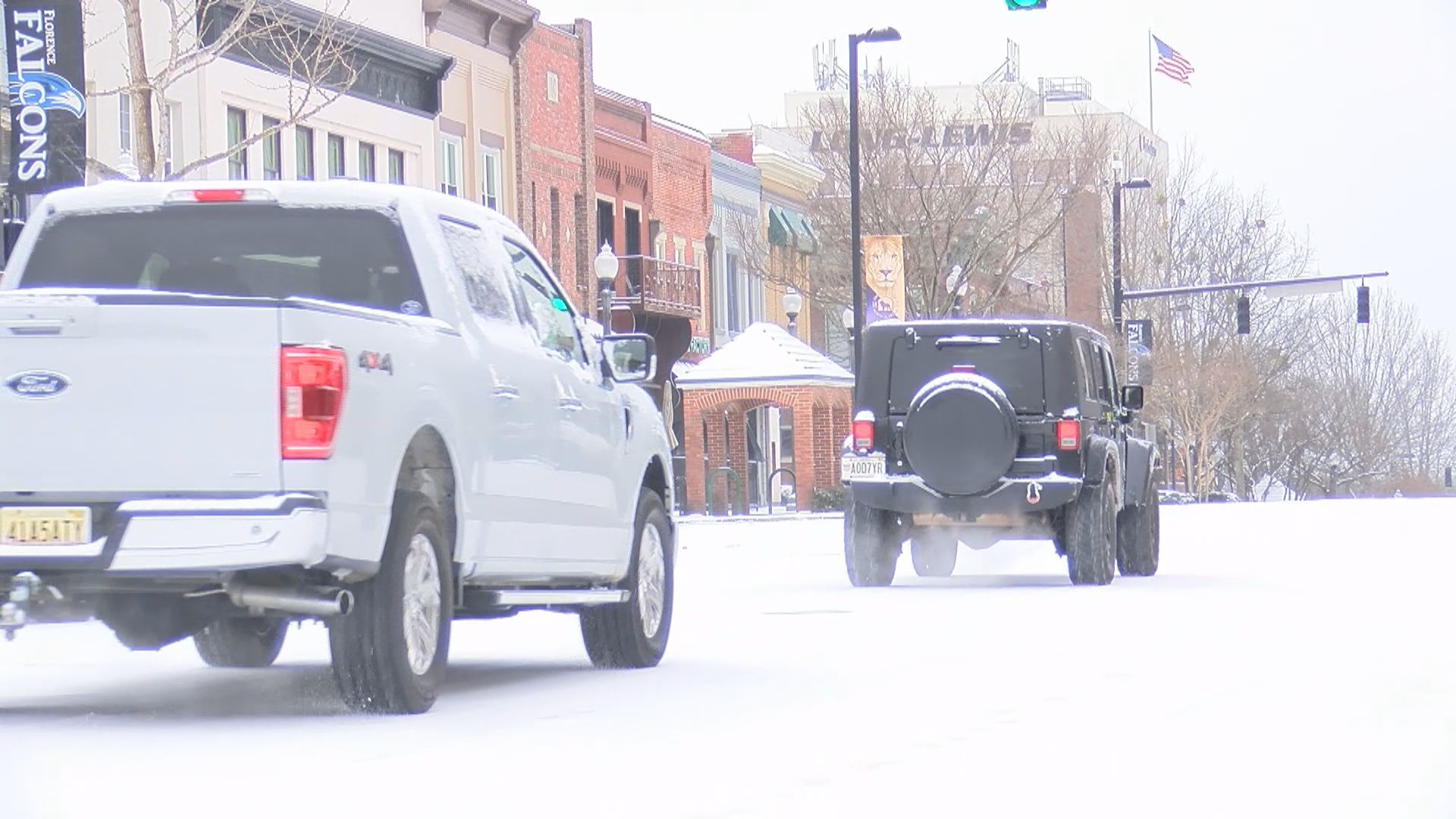
- Northern Alabama: The northernmost counties, particularly those nestled in the Appalachian Mountains and the Tennessee Valley, have the highest probability of seeing snow. Cities like Huntsville, Florence, Decatur, and mountainous areas around Cheaha Mountain (the state’s highest point) and Lookout Mountain often experience at least one snowfall event per winter season, sometimes accumulating a few inches. Towns like Mentone and Fort Payne near DeSoto State Park are particularly prone to winter precipitation. The cold air masses from the north tend to retain enough moisture and remain cold enough to produce snow in these elevated and more northerly locations.
- Central Alabama: In central Alabama, including major cities like Birmingham, Tuscaloosa, and Anniston, snow is less frequent but still occurs. These areas might see a light dusting or a minor accumulation once every few years, often melting quickly as temperatures rise. Significant snowfall (over 3-4 inches) is a rare event, becoming a memorable occasion when it happens.
- Southern Alabama and the Gulf Coast: The coastal plains and the Gulf Coast region, including Mobile, Dothan, Gulf Shores, and Orange Beach, rarely experience snow. When it does fall, it’s typically a brief, light flurry that melts on contact with the warmer ground. The proximity to the warm waters of the Gulf of Mexico moderates temperatures significantly, making sustained freezing conditions for snow accumulation uncommon. The last significant snowfall in Mobile was in 2017, a truly unusual event that delighted locals.
The Magic and Rarity of Alabama Snowfall
When snow does grace the landscapes of Alabama, it’s often met with a mixture of excitement, wonder, and sometimes, a bit of charming chaos. For many residents, especially children, a snow day is a rare treat, prompting schools to close and communities to embrace the fleeting winter magic.
How Often Does It Really Snow?
On average, northern Alabama can expect to see some form of frozen precipitation (sleet or snow) a few times each winter, with measurable snow occurring maybe once or twice a season. The amounts are typically modest, often less than an inch or two. Cities like Huntsville or Gadsden might average 1-3 inches of snow annually, though this can vary wildly from year to year. Some winters might bring no measurable snow, while others deliver one or two more substantial events. Further south, the frequency drops considerably. Birmingham might see measurable snow every 2-3 years, while Montgomery or Mobile could go a decade or more between significant snowfalls.
When the Flakes Begin to Fall: Typical Snowfall Patterns
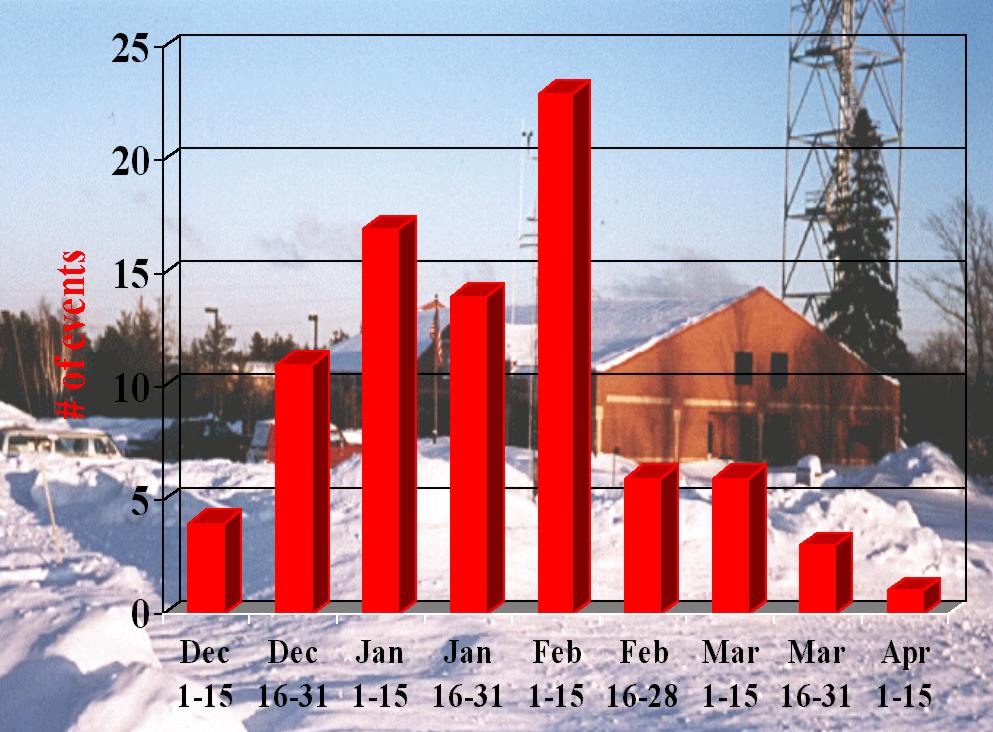
Snowfall in Alabama is most likely between late December and early March, with January and February being the peak months. The conditions required for snow are quite specific: a cold air mass (temperatures at or below freezing throughout the atmospheric column) combining with sufficient moisture. Often, these events occur when a cold front from the north collides with moisture drawn up from the Gulf of Mexico. Due to the transient nature of these cold fronts and the relatively warmer ground temperatures, snow often struggles to accumulate or melts quickly, leading to those picturesque, yet fleeting, “winter wonderland” scenes. Travel during these times, especially on less-traveled roads in rural areas, can become challenging as the state’s infrastructure isn’t typically geared for heavy snow removal.
Memorable Snow Events in Alabama’s History
While rare, Alabama has experienced some truly memorable snow events that have etched themselves into local folklore. One of the most significant was the “Blizzard of 1993,” which, though not a blizzard by northern standards, brought unprecedented amounts of snow to the state. Parts of northern and central Alabama received over a foot of snow, with Birmingham recording up to 13 inches, crippling the region for days. More recently, the “Snowmageddon” or “Snowpocalypse” of January 2014 saw an unexpected ice and snow event during daytime hours, causing massive traffic gridlock, stranding thousands of commuters in Birmingham and Atlanta. These events, while disruptive, highlight the profound impact and lasting memories a rare snowfall can create in a state more accustomed to sunshine.
Experiencing Winter in Alabama: Beyond the Snow
Even if you don’t encounter a magical snowfall during your winter visit, Alabama offers a wealth of experiences during its cooler months. The mild temperatures are often ideal for exploring without the oppressive heat and humidity of summer.
Winter Activities and Attractions (Even Without Snow)
Winter is an excellent time to explore Alabama’s natural beauty and cultural heritage. The state’s numerous parks and outdoor recreational areas, such as Cheaha State Park, DeSoto State Park, Little River Canyon National Preserve, and Oak Mountain State Park, are perfect for hiking, birdwatching, and photography without the dense foliage of summer. The cooler air makes long walks through historic districts in cities like Mobile or Montgomery particularly enjoyable.
Indoor attractions flourish in winter. In Huntsville, the U.S. Space & Rocket Center offers a fascinating dive into space exploration, while the Huntsville Botanical Garden hosts enchanting holiday light displays. Birmingham boasts the Birmingham Civil Rights Institute, McWane Science Center, and the iconic Vulcan Park and Museum with panoramic city views. In Montgomery, the Montgomery Museum of Fine Arts and various civil rights landmarks offer rich cultural experiences. Even the coastal areas like Dauphin Island offer pleasant winter strolls, often with fewer crowds and spectacular sunsets.
Planning Your Winter Getaway: Accommodation and Travel Tips
Winter, particularly outside of the holiday season, can be an ideal time for travel to Alabama due to potentially lower accommodation rates and fewer tourists. From luxurious resorts to charming boutique hotels, there’s a wide range of accommodation options to suit every preference and budget. Consider staying at historic gems like The Battle House Renaissance Mobile Hotel & Spa or the elegant The Grand Hotel Golf Resort & Spa, Autograph Collection in Point Clear. For a cozy mountain retreat, look for cabins near Mentone or Fort Payne. Cities like Birmingham offer modern downtown hotels like the Renaissance Birmingham Ross Bridge Golf Resort & Spa, providing excellent bases for exploring urban attractions. Booking in advance, especially around holidays, is always advisable. For a serene coastal escape without the summer crowds, The Lodge at Gulf State Park, a Hilton Hotel offers a unique blend of natural beauty and comfort.
Embracing the Unexpected: What to Do When Snow Falls
If you’re lucky enough to be in Alabama when it snows, be prepared for a temporary shift in pace. Local businesses might close, and road conditions can become tricky, especially on bridges and overpasses which freeze first. However, this also presents a unique opportunity for unforgettable experiences:
- Photography: Capture the rare beauty of iconic landmarks dusted in white, from the cascading Noccalula Falls Park in Gadsden to the solemn beauty of Vulcan Park and Museum in Birmingham.
- Cozy Indoors: Embrace the warmth of your hotel or a local café. Enjoy southern comfort food, a warm beverage, and the festive atmosphere that often accompanies a rare snow event. Many cities like Huntsville have vibrant brewery scenes near the Von Braun Center perfect for weathering a snow flurry.
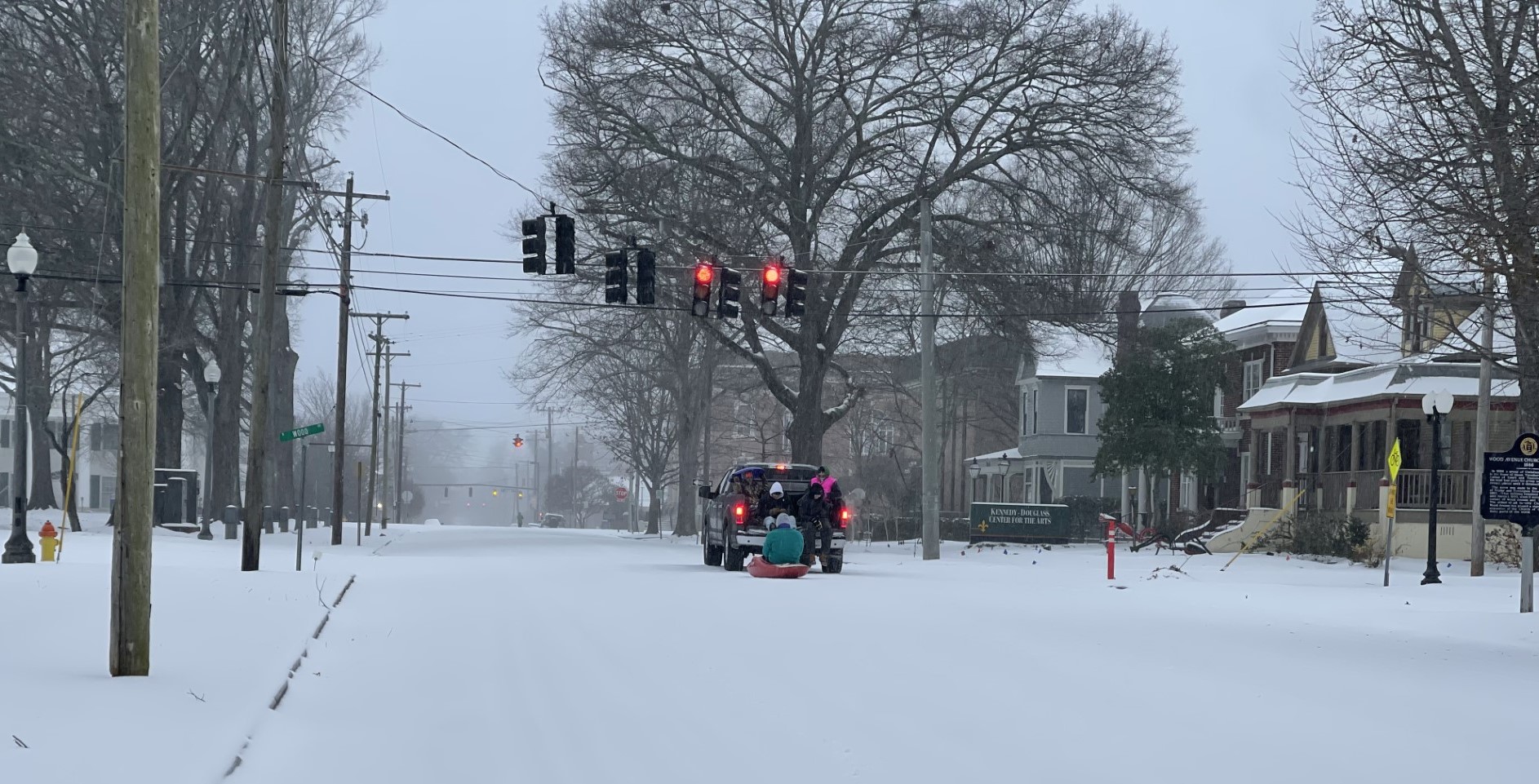
- Sledding (Impending): If enough snow falls, impromptu sledding hills pop up in parks and neighborhoods, especially in northern Alabama. It’s a spontaneous joy that locals eagerly partake in.
Preparing for an Alabama Winter Visit
While Alabama’s winters are mild, preparation is still key to a comfortable and enjoyable trip, regardless of whether snow makes an appearance.
Packing Essentials for Alabama’s Cooler Months
Layering is paramount for an Alabama winter. While daytime temperatures can be pleasant, evenings and early mornings can be quite chilly. Pack a mix of:
- Warm Outerwear: A medium-weight jacket or coat is usually sufficient. If traveling to northern Alabama or in late January/early February, a heavier coat might be wise.
- Layers: Long-sleeved shirts, sweaters, and vests.
- Comfortable Shoes: For exploring cities and trails. Waterproof shoes are recommended if venturing into wetter or potentially snowy areas.
- Accessories: A hat, gloves, and scarf can be beneficial, especially for evenings or outdoor activities in colder regions.
- Rain Gear: An umbrella and/or a waterproof jacket are always a good idea, as winter rain is common.
Navigating Alabama in Winter
Traveling around Alabama in winter is generally straightforward. Major highways are well-maintained. However, if snow or ice is in the forecast, particularly for northern or elevated areas, it’s wise to:
- Check Weather Forecasts: Stay updated on local weather conditions, especially if driving between regions.
- Adjust Travel Plans: If significant ice or snow is expected, consider delaying non-essential travel or sticking to major interstates, which are prioritized for clearing.
- Vehicle Preparation: Ensure your vehicle is in good working order, with good tires and adequate fluid levels. While four-wheel drive isn’t necessary for most Alabama winters, it can offer peace of mind if venturing into mountainous terrain during cold snaps.
The Unique Allure of Alabama’s Off-Season
Winter in Alabama offers a distinct charm, providing a different lens through which to experience the “Heart of Dixie”. Beyond the occasional snow, it’s a season of quiet beauty, fewer crowds, and intimate cultural engagements.
Discovering Alabama’s Hidden Winter Gems
This season opens up opportunities to discover lesser-known attractions or enjoy popular ones with a sense of tranquility. Consider a peaceful visit to the Ave Maria Grotto in Cullman, a stunning miniature city crafted from stone and found objects. Explore the historic towns along the Tennessee River, or perhaps delve into the rich history of the Black Belt region, which takes on a different, contemplative atmosphere in the cooler months. Many state parks, like Lake Guntersville State Park or Bankhead National Forest, offer serene hiking trails with clear views through leafless trees, revealing geological features often hidden in summer. Even the vibrant Gulf Shores and Orange Beach areas, while still active, become more relaxed, perfect for beach walks, fishing, or enjoying local seafood without the summer bustle. The Flora-Bama Lounge & Package on the border of Alabama and Florida can be a lively spot even in winter.
Southern Hospitality in Cooler Climes
One consistent element throughout the year in Alabama is its renowned Southern hospitality. In winter, this warmth often feels even more inviting. From cozy bed and breakfasts to bustling urban eateries, you’ll find locals eager to share their culture, their cuisine, and their stories. Winter festivals, often centered around holiday themes or local traditions, offer a chance to connect with communities. The less hurried pace of the off-season allows for deeper engagement with local culture, whether it’s sampling authentic Alabama barbecue or discovering the unique musical heritage of the Muscle Shoals area. For those seeking a blend of outdoor adventure, cultural immersion, and genuine warmth, a winter journey through the “Heart of Dixie” presents a truly captivating travel experience.
So, while heavy snow might be a rare spectacle, it is a possibility, especially in northern Alabama. But even without the white blanket, winter unveils a quieter, equally beautiful side of Alabama, inviting visitors to explore its diverse landscapes, rich history, and warm communities at a leisurely pace. Whether you’re chasing flakes or simply seeking a milder southern escape, Alabama in winter promises a unique and memorable journey.
LifeOutOfTheBox is a participant in the Amazon Services LLC Associates Program, an affiliate advertising program designed to provide a means for sites to earn advertising fees by advertising and linking to Amazon.com. Amazon, the Amazon logo, AmazonSupply, and the AmazonSupply logo are trademarks of Amazon.com, Inc. or its affiliates. As an Amazon Associate we earn affiliate commissions from qualifying purchases.