
The gripping drama of Chicago P.D., a staple on NBC, has captivated audiences for years with its gritty portrayal of the Chicago Police Department’s Intelligence Unit. As viewers become increasingly invested in the lives of Detective Hank Voight and his team, a natural curiosity arises: where is this compelling series actually filmed? The authentic, lived-in feel of the show is no accident; it’s meticulously crafted by utilizing the very fabric of the city itself, transforming familiar streets and iconic landmarks into the backdrop for high-stakes investigations and personal dramas.
For fans eager to walk in the footsteps of their favorite characters or simply to understand the real-world locations that give Chicago P.D. its distinctive character, this guide delves into the primary filming sites and offers insights into how the city of Chicago becomes a character in its own right. Beyond just the specific addresses, we’ll explore how the show leverages Chicago’s unique architecture, diverse neighborhoods, and bustling urban environment to enhance its narrative and visual storytelling. Whether you’re planning a trip to Chicago or are a devoted fan from afar, understanding the show’s production locations adds a rich layer to the viewing experience.
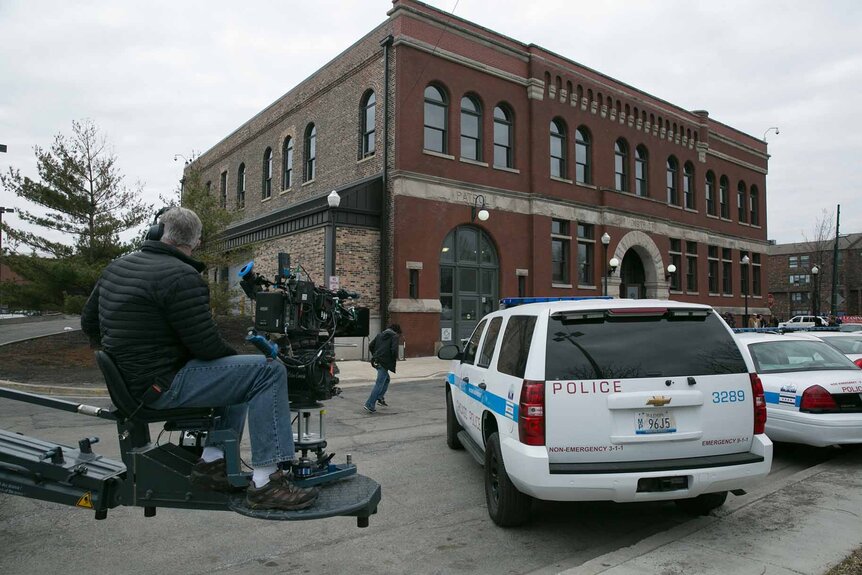
The Heart of the Precinct: Real-World Studios and Precincts
While the world of television often relies on sound stages and carefully constructed sets, Chicago P.D. aims for a level of authenticity that often blurs the lines between fiction and reality. The show utilizes a combination of studio spaces and genuine Chicago locations to bring the Intelligence Unit’s daily grind to life.
The Union Station Base Camp: Studio Operations
A significant portion of Chicago P.D.‘s interior scenes, particularly those set within the police precinct, are filmed at a studio located near Union Station. This strategic placement allows for efficient production while still enabling the cast and crew to venture out into the city for exterior shots. The studio serves as the primary hub for constructing the detailed sets that represent the Intelligence Unit’s offices, interrogation rooms, and other essential spaces. The ability to control the environment within a studio setting is crucial for intricate plotlines and detailed scene work, ensuring consistency and allowing for complex camera setups.
While the exact studio address is often kept under wraps to manage access and maintain the production’s workflow, its proximity to a major transportation hub like Union Station is indicative of the logistical considerations involved in large-scale television production in a bustling metropolis like Chicago. This central location also facilitates the movement of cast, crew, and equipment throughout the city, which is essential for capturing the authentic urban feel that the show is known for.
Echoes of Reality: Precinct Inspiration
Although the primary precinct sets are built in the studio, the inspiration and the visual cues for these spaces are deeply rooted in the actual police stations of Chicago. The showrunners and set designers meticulously study the layouts, operational flow, and general atmosphere of real police departments to imbue their fictional precinct with a sense of realism. This attention to detail ensures that when viewers see the officers at their desks, interacting in hallways, or conducting interviews, it feels believable and grounded in the realities of law enforcement.
While the show doesn’t typically film inside active, operational police precincts for security and operational reasons, the architectural styles and the functional design of Chicago’s public buildings often find their way into the show’s aesthetic. This approach allows the production to create a functional and visually convincing police station that serves the narrative without disrupting actual police work.
Exploring Chicago: Iconic and Everyday Locations
The true magic of Chicago P.D. lies in its seamless integration of the city’s diverse landscape into its storytelling. From the gleaming skyscrapers of the Loop to the more residential streets of various neighborhoods, Chicago itself is a vital character.
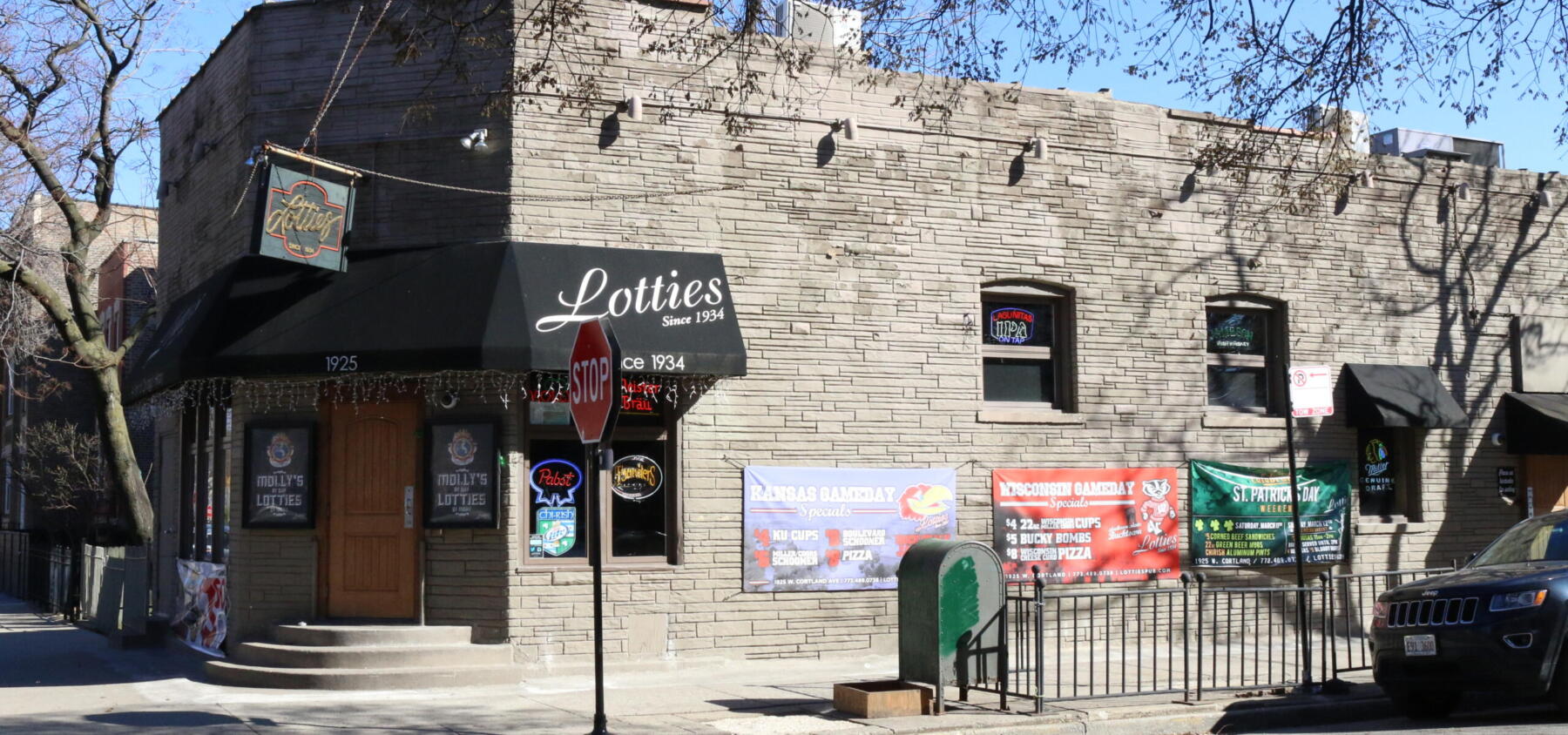
The Magnificent Mile and Beyond: Navigating the Urban Maze
The show frequently features the bustling commercial heart of Chicago, the Magnificent Mile, with its high-end shops and iconic architecture. Chase scenes might weave through traffic on Lake Shore Drive, or dramatic confrontations could take place against the backdrop of the city’s impressive skyline. The Chicago River and its picturesque bridges often serve as dramatic backdrops, especially during moments of reflection or tense stakeouts. These recognizable landmarks provide viewers with a strong sense of place, grounding the fictional events in a tangible reality.
However, Chicago P.D. is not confined to the tourist hotspots. A key element of its authenticity comes from its willingness to explore lesser-known streets and neighborhoods. This allows the series to depict a more comprehensive picture of Chicago, showcasing its rich diversity and the varied textures of its urban environment. Filming in these more residential or industrial areas adds a layer of grit and realism, making the show’s depiction of police work feel more authentic and less sensationalized.
Neighborhood Narratives: Bringing Diversity to the Screen
The show’s commitment to showcasing Chicago in its entirety means that filming locations can span across various community areas. From the historic neighborhoods to the rapidly changing districts, each location chosen can subtly influence the mood and context of a particular storyline. For instance, a crime investigation unfolding in a historically industrial area might evoke a different feeling than one set in a more affluent district.
This deliberate choice of filming diverse neighborhoods not only provides a visually rich tapestry for the series but also reflects the complex social and economic realities of a major city. It allows the audience to connect with the human stories behind the badges, as the officers navigate the distinct challenges and communities that make up Chicago. These locations are not just settings; they are integral to the narratives, contributing to the show’s reputation for tackling relevant and often challenging social issues.
Behind the Scenes: The Logistics of Filming in Chicago
Bringing a show like Chicago P.D. to life requires meticulous planning and a deep understanding of the city’s infrastructure and regulations. The production team works closely with local authorities and businesses to ensure smooth operations.
Permits and Partnerships: Navigating City Life
Filming in a major metropolitan area like Chicago necessitates obtaining numerous permits from the city. These permits allow the production to close streets, use public spaces, and manage traffic flow for safety and logistical purposes. The show’s producers likely work with the Chicago Film Office, a valuable resource that assists productions with location scouting, permit acquisition, and navigating the city’s various departments.
Furthermore, the production often collaborates with local businesses and residents. This can involve setting up temporary road closures, utilizing building exteriors, or even incorporating local establishments into scenes. Building these positive relationships is crucial for maintaining goodwill and facilitating access to the diverse locations that make Chicago P.D. so visually compelling. This cooperative approach is what allows the show to capture the authentic pulse of the city without causing undue disruption.

The Changing Seasons: Adapting to Chicago’s Climate
Chicago’s distinct seasons play a significant role in the visual storytelling of Chicago P.D.. The harsh winters, with their snow-covered streets and biting winds, add a layer of grit and intensity to scenes, perfectly complementing the show’s dramatic tone. Conversely, the warmer months allow for more exterior filming and showcase the city’s vibrant energy.
The production team must be adaptable, often adjusting shooting schedules and strategies to accommodate the unpredictable weather. This might involve utilizing indoor sets more frequently during particularly inclement periods or strategically capturing the unique beauty of each season. The interplay of light and weather, from the starkness of a winter night to the warmth of a summer day, contributes significantly to the atmospheric quality of the series, making Chicago feel even more real and lived-in. The show’s ability to harness the atmospheric power of Chicago’s weather is a testament to its commitment to authentic storytelling.
LifeOutOfTheBox is a participant in the Amazon Services LLC Associates Program, an affiliate advertising program designed to provide a means for sites to earn advertising fees by advertising and linking to Amazon.com. Amazon, the Amazon logo, AmazonSupply, and the AmazonSupply logo are trademarks of Amazon.com, Inc. or its affiliates. As an Amazon Associate we earn affiliate commissions from qualifying purchases.