
The gripping drama of Chicago PD plunges viewers into the often brutal and high-stakes world of the Chicago Police Department’s Intelligence Unit. Known for its intense storylines, complex characters, and unflinching portrayal of crime and its impact on the city, the show frequently leaves audiences on the edge of their seats. A recurring element that amplifies this tension is the inevitable loss of life, whether among the perpetrators, victims, or, in the most shocking instances, even among the beloved characters of the unit itself. This article delves into the fates of those who have met their end within the narrative of Chicago PD, exploring the impact of these deaths and the narrative choices that drive them.
The allure of a police procedural like Chicago PD lies not just in the thrill of the chase and the unraveling of mysteries, but also in the emotional investment audiences develop in its characters. When those characters face mortal peril, or when the victims of the crimes are particularly tragic, the stakes are raised significantly. The show, set against the vibrant yet often challenging backdrop of Chicago, utilizes its urban landscape as more than just a setting; it becomes a character in itself, shaping the lives and ultimately, the destinies of its inhabitants. From the historic architecture to the bustling streets, Chicago provides a rich tapestry for the unfolding dramas.
The Unseen Victims: A City Under Siege
The primary function of the Intelligence Unit is to combat crime, and tragically, this means they are consistently confronted with the aftermath of violence. The victims in Chicago PD are diverse, representing the myriad of ways that crime can tear through a community. These individuals are often the catalysts for the unit’s investigations, their stories serving as a stark reminder of the pervasive threat of illegal activities.
Children Lost to Violence
One of the most gut-wrenching aspects of crime dramas is the depiction of child victims. Chicago PD has not shied away from exploring these sensitive storylines, often highlighting the innocence lost and the devastating impact on families and the wider community. These cases are particularly challenging for the detectives, as they carry an immense emotional weight. The investigations into the deaths of children often expose the darkest corners of society, revealing predators and ruthless individuals who prey on the vulnerable. These episodes serve as a powerful, albeit somber, testament to the importance of the work done by the Intelligence Unit, their efforts aimed at preventing such tragedies from occurring.
The Collateral Damage of Criminal Enterprises
Beyond individual acts of violence, Chicago PD frequently portrays the devastating consequences of organized crime, drug cartels, and gang warfare. The victims in these scenarios are often caught in the crossfire, innocent bystanders whose lives are brutally extinguished as a result of the power struggles and illicit dealings of others. These deaths underscore the systemic nature of crime and the far-reaching impact it has on the fabric of a city like Chicago. The Intelligence Unit’s pursuit of those responsible for these widespread acts of violence is a central theme, showcasing their dedication to bringing a semblance of order to chaos and seeking justice for those who can no longer speak for themselves. These narratives often touch upon the social issues that fuel such criminal enterprises, adding layers of complexity to the stories.
Fallen Heroes: The Cost of the Badge
Perhaps the most impactful deaths in any police procedural are those of the law enforcement officers themselves. The characters of Chicago PD become like family to the viewers, and when one of them falls, the emotional resonance is profound. These losses serve as a stark reminder of the inherent dangers faced by those who dedicate their lives to protecting others.

The Ultimate Sacrifice
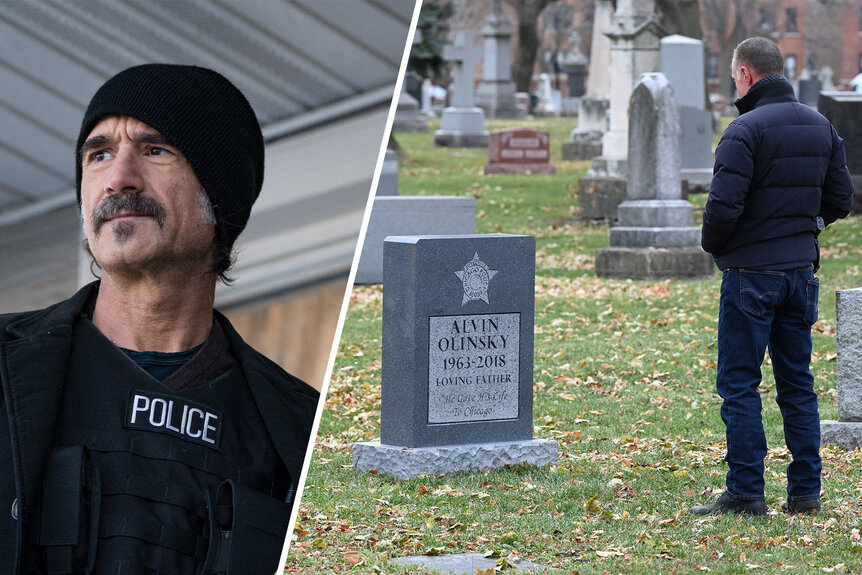
The series has seen its fair share of brave officers who have made the ultimate sacrifice in the line of duty. These moments are often characterized by intense action sequences, desperate attempts to save a fallen comrade, and the subsequent grief and determination that fuels the remaining team members. The deaths of officers like Detective Alvin Olinsky, a long-standing and integral member of the unit, sent shockwaves through the fanbase. His arc, from a seasoned detective to a victim of betrayal and violence, highlighted the perilous nature of their work and the personal costs involved. Such events often prompt introspection within the unit, forcing characters to re-evaluate their methods, their vulnerabilities, and their commitment to the badge. The narratives surrounding these sacrifices are designed to evoke empathy and respect for the profession, showcasing the bravery and resilience of those who serve.
The Lingering Impact on the Unit
The loss of an officer is never just an isolated event in Chicago PD. It creates a void within the Intelligence Unit, impacting the dynamics, the morale, and the personal lives of the surviving detectives. The show excels at portraying the lingering grief, the trauma, and the renewed resolve that such events inspire. Detectives grapple with guilt, with the unanswered questions, and with the burning desire for justice against those responsible. These storylines often explore the psychological toll of policing, particularly in the face of losing colleagues. The show uses these dramatic events to deepen character development, as survivors often undergo significant personal growth and transformation in the wake of such profound losses. This emotional depth makes the sacrifices feel all the more significant and the victories hard-won.
The Other Side of the Law: Criminals Meeting Their Match
While the focus is often on the victims and the officers, the antagonists in Chicago PD also meet their end, a necessary conclusion to the pursuit of justice. The show depicts a wide spectrum of criminals, from street-level thugs to sophisticated kingpins, each posing a unique threat to the city.
The Arrogant Kingpins and Ruthless Gang Leaders
The Intelligence Unit frequently clashes with powerful and dangerous figures who operate criminal empires. These antagonists are often characterized by their arrogance, their ruthlessness, and their ability to evade capture through wealth, influence, or sheer brutality. The takedowns of these individuals are often the culmination of long and arduous investigations, involving intricate planning, dangerous undercover operations, and intense shootouts. The deaths of these high-profile criminals represent significant victories for the unit and a temporary respite for the city from their destructive influence. These narratives often highlight the complex legal and ethical challenges faced by law enforcement when dealing with powerful criminal organizations.

The Twisted Minds: Serial Killers and Deranged Individuals
Chicago PD also delves into the darker aspects of the human psyche, presenting cases involving serial killers, sociopaths, and individuals driven by extreme ideologies. These antagonists are often the most disturbing, their motives and actions challenging the detectives’ understanding of human behavior. The apprehension and demise of such individuals are often the most harrowing cases, requiring the unit to delve into the darkest aspects of human depravity. These storylines explore themes of psychological warfare, the battle of wits between detective and killer, and the immense mental fortitude required to confront such evil. The resolution of these cases, often with the criminal meeting their end through a police encounter or their own downfall, provides a sense of closure, albeit a grim one, for the victims and the city.
The narrative tapestry of Chicago PD is woven with threads of bravery, loss, and the relentless pursuit of justice. The deaths that occur within the show, whether of victims, perpetrators, or heroes, serve as powerful plot devices that drive the storytelling, deepen character arcs, and underscore the harsh realities of law enforcement. As the Intelligence Unit continues its vital work on the streets of Chicago, the specter of death remains a constant companion, a reminder of the stakes involved and the enduring courage required to uphold the law and protect the innocent. The show’s ability to balance its thrilling action with poignant emotional depth ensures that the impact of these on-screen fatalities resonates deeply with its audience, solidifying its place as a compelling and unforgettable drama.
LifeOutOfTheBox is a participant in the Amazon Services LLC Associates Program, an affiliate advertising program designed to provide a means for sites to earn advertising fees by advertising and linking to Amazon.com. Amazon, the Amazon logo, AmazonSupply, and the AmazonSupply logo are trademarks of Amazon.com, Inc. or its affiliates. As an Amazon Associate we earn affiliate commissions from qualifying purchases.