
The iconic band Chicago, known for its unique blend of rock, pop, and jazz, has a rich history filled with evolving lineups and influential vocalists. While the band’s name evokes images of the vibrant Windy City, its musical journey has seen several pivotal figures step up to the microphone. This article delves into the vocal heart of Chicago, exploring the individuals who have defined its sound and fronted its most memorable performances.
When a band like Chicago has a career spanning decades, the question of “the” lead singer can be nuanced. Unlike some bands with a singular, enduring frontman, Chicago has featured multiple talented vocalists who have each left an indelible mark on the band’s extensive discography. Understanding who has sung the lead on their most beloved hits requires a look back at the band’s formative years and its subsequent evolution.
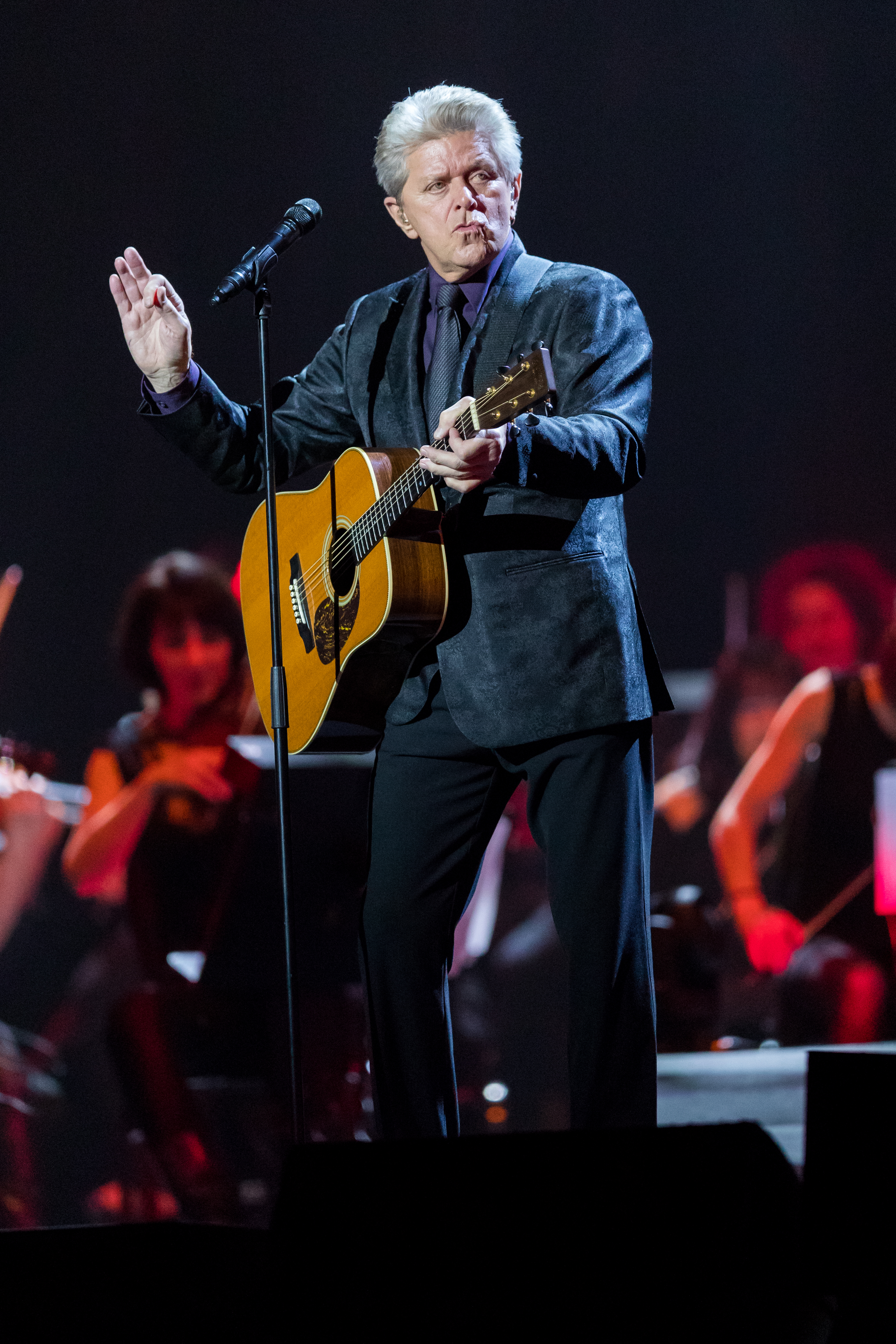
The Foundation: Early Vocalists and Defining Hits
From the very beginning, Chicago was distinguished by its dual vocalists, providing a dynamic interplay that became a signature element of their sound. These early voices were instrumental in crafting the anthems that would propel the band to international stardom.
Peter Cetera: The Melodic Maestro
Perhaps the most recognizable voice associated with Chicago, at least for a significant portion of their classic era, is Peter Cetera. His smooth, high tenor became the voice of many of their biggest ballads and upbeat tracks. Cetera joined the band in its nascent stages, contributing significantly to their debut album, The Chicago Transit Authority, released in 1969.
His vocal contributions were central to iconic songs like “25 or 6 to 4,” “Does Anybody Really Know What Time It Is?”, and the Grammy-winning “Beginnings.” As the 1970s progressed, Peter Cetera‘s vocal presence became even more pronounced, particularly on their power ballads. He was the voice behind massive hits such as “Colour My World,” “If You Leave Me Now,” “Baby, It’s You,” “Wishing You Were Here,” and “You’re the Inspiration.” These songs showcased his ability to deliver heartfelt emotion and soaring melodies, making him a beloved figure among fans.
Cetera‘s tenure with Chicago lasted until 1985, a period that saw the band achieve unprecedented commercial success. His departure marked a significant shift for the group, prompting them to find new vocal leadership. The impact of his voice on the band’s identity and commercial appeal is undeniable; for many, he is the voice of Chicago. His solo career after leaving the band further cemented his status as a prominent vocalist.
Robert Lamm: The Versatile Vocalist
Alongside Peter Cetera, Robert Lamm was another crucial early vocalist and songwriter for Chicago. While Cetera often handled the soaring ballads, Lamm brought a different flavor to the band’s vocal landscape. His voice, with its more grounded and sometimes gritty quality, contributed to the band’s rockier and more experimental tracks.
Lamm was a founding member of Chicago and played a key role in shaping their sound from the outset. He sang lead on many early fan favorites and pivotal album tracks, including “Does Anybody Really Know What Time It Is?” (shared lead with Cetera), “Beginnings,” and “Saturday in the Park.” His songwriting contributions were also immense, providing much of the band’s lyrical and thematic depth.
Robert Lamm has remained a constant presence in Chicago throughout its entire history. Even after Peter Cetera‘s departure and the arrival of subsequent lead singers, Lamm has continued to be a vital vocalist, contributing lead and harmony vocals. His enduring commitment ensures that a foundational voice of Chicago remains an integral part of its ongoing musical narrative. He represents the continuity and evolving spirit of the band, seamlessly integrating with new vocalists while still carrying the torch of their early work.
The Evolution: New Voices and Enduring Appeal
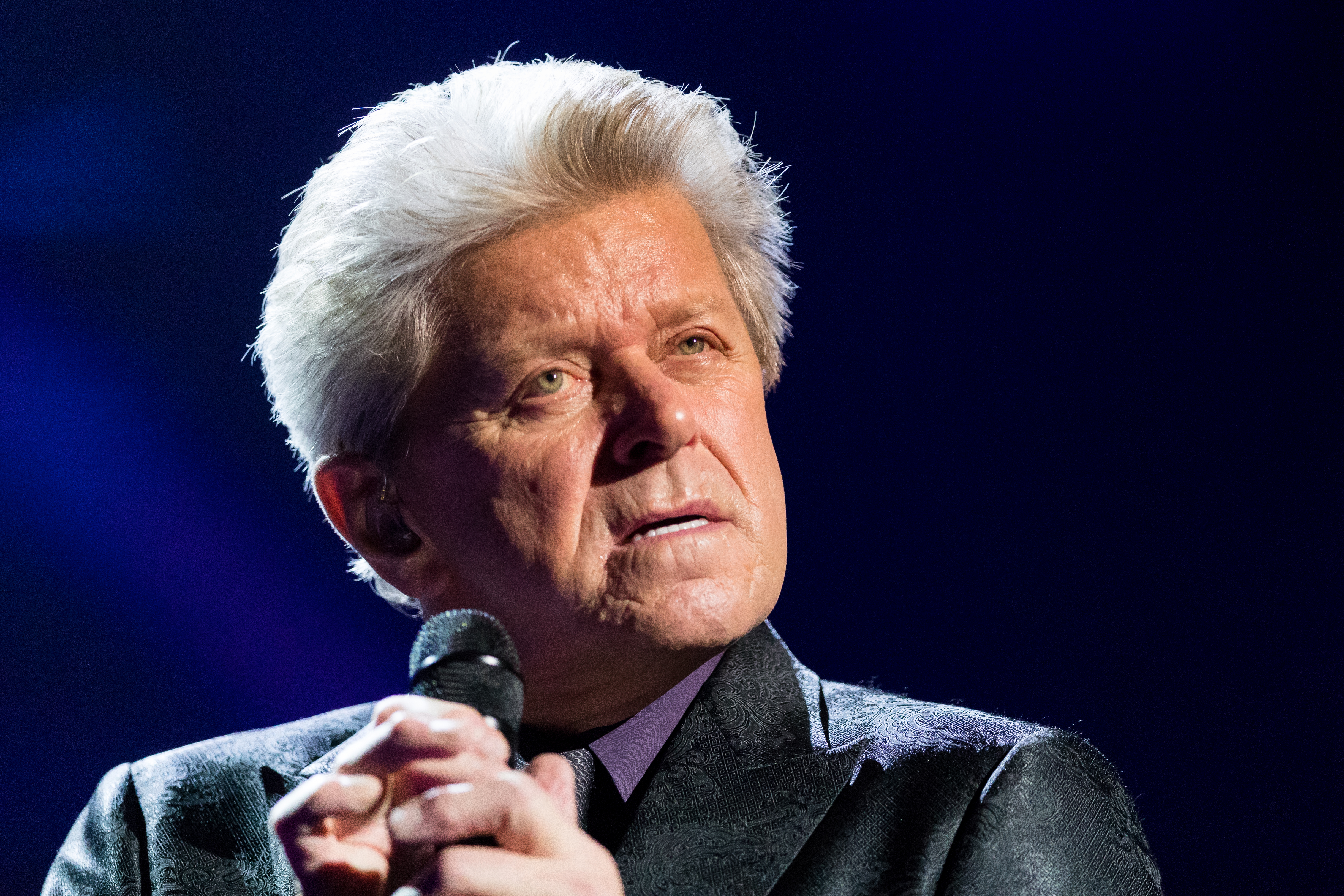
Following Peter Cetera‘s departure, Chicago continued to evolve, bringing in new vocalists who brought their own unique styles while striving to maintain the band’s signature sound. This period saw the band continue to produce hits and tour extensively, demonstrating their resilience and adaptability.
Bill Champlin: A Bridging Voice
Bill Champlin joined Chicago in 1981, initially as a guitarist and backing vocalist. However, his significant vocal talents soon became apparent, and he began sharing lead vocal duties with Peter Cetera and Robert Lamm. Champlin brought a powerful, soulful tenor that added a new dimension to the band’s vocal arrangements.
His lead vocals can be heard on several of Chicago‘s hits from the 1980s and 1990s, including “Hard to Say I’m Sorry” (credited as a duo effort with Cetera where Champlin also sang significant parts), “You’re the Inspiration” (shared lead with Cetera), and later tracks like “Will You Still Love Me?” and “Look Away.” Champlin‘s voice was instrumental in helping the band navigate the transition after Cetera‘s departure, providing a strong vocal presence that maintained their appeal in the contemporary music scene.
Bill Champlin remained a core member of Chicago for over three decades, departing in 2018. His tenure was marked by consistent vocal excellence and a deep understanding of the band’s musical legacy. His contributions helped to bridge the gap between the band’s classic era and its more modern iterations, ensuring a continuous thread of strong vocal performances.
Jason Scheff: The Contemporary Frontman
After Bill Champlin transitioned to more prominent lead vocal duties following Peter Cetera‘s exit, and with Robert Lamm continuing his role, the band continued to seek vocal synergy. Jason Scheff joined Chicago in 1985, taking over the bass guitar duties and quickly becoming a prominent lead vocalist.
Scheff‘s voice, a versatile baritone, offered yet another distinct color to Chicago‘s vocal palette. He sang lead on many of the band’s hits from the late 1980s and 1990s, including “Will You Still Love Me?” (shared lead with Champlin), “Old Days,” and “Chasin’ the Sun.” His energetic delivery and impressive vocal range allowed him to interpret both the band’s classic material and their newer compositions with confidence and flair.
Jason Scheff‘s presence helped to usher in a new era for Chicago, characterized by a continued focus on strong vocal melodies and sophisticated arrangements. He was a key figure in the band’s live performances, captivating audiences with his vocal prowess and stage presence. His departure from the band in 2016 marked the end of another significant chapter in Chicago‘s vocal history.
The Ongoing Legacy: Current Vocalists and Future Sounds
Chicago‘s journey continues, and with it, the exploration of its vocal identity. The band has consistently featured talented individuals who contribute to its enduring appeal. Today, the vocal duties are shared among its long-standing members and newer additions, ensuring that the spirit of Chicago‘s vocal harmonies and powerful leads lives on.
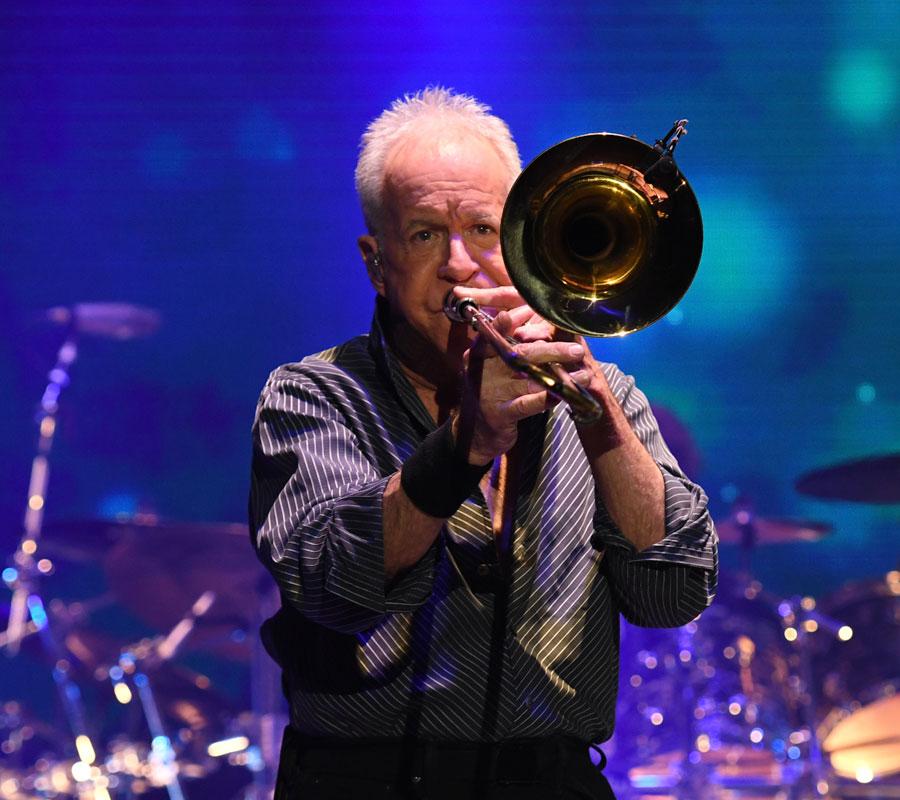
A Collective Vocal Force
While Peter Cetera remains the most widely recognized voice of Chicago‘s classic period, and Robert Lamm has been a constant throughout its existence, the band has never relied on a single lead singer. Instead, Chicago has thrived on the interplay and distinct qualities of its vocalists. From the smooth ballads of Cetera to the soulful tones of Champlin, the dynamic range of Scheff, and the foundational contributions of Lamm, each vocalist has added layers to the band’s rich sonic tapestry.
The current lineup of Chicago continues this tradition, with members sharing lead vocal responsibilities. This approach allows the band to pay homage to its storied past while also forging new musical paths. When considering “the lead singer of Chicago,” it is more accurate to appreciate the collective vocal talent that has defined the band across its many decades of iconic music. Their live performances continue to be a testament to this enduring vocal strength, drawing crowds who have grown up with their songs and new generations discovering their timeless sound. Whether on the stage of a renowned concert hall in Chicago or performing in a city across the globe, the vocal legacy of Chicago remains a powerful force in the music world.
LifeOutOfTheBox is a participant in the Amazon Services LLC Associates Program, an affiliate advertising program designed to provide a means for sites to earn advertising fees by advertising and linking to Amazon.com. Amazon, the Amazon logo, AmazonSupply, and the AmazonSupply logo are trademarks of Amazon.com, Inc. or its affiliates. As an Amazon Associate we earn affiliate commissions from qualifying purchases.