
The flickering neon signs of Chicago have long been a backdrop to the gritty drama and compelling narratives of Chicago P.D. For fans invested in the intricate lives of the Intelligence Unit, any departure of a beloved character sparks curiosity and speculation. One such character whose exit left a significant void was Officer Al Olinsky, a veteran presence whose stoic demeanor and unwavering loyalty made him a fan favorite. The question echoing through the fandom is a simple yet profound one: Why did Al leave Chicago P.D.?
While the show’s storylines often weave complex webs of professional triumphs and personal tragedies, Al Olinsky’s departure was a culmination of narrative threads that explored themes of duty, sacrifice, and the personal cost of a life dedicated to law enforcement. Understanding his exit requires delving into the specific plot points that led to his final moments on screen and the broader thematic considerations that informed his character arc.

The Unraveling of a Detective’s Legacy
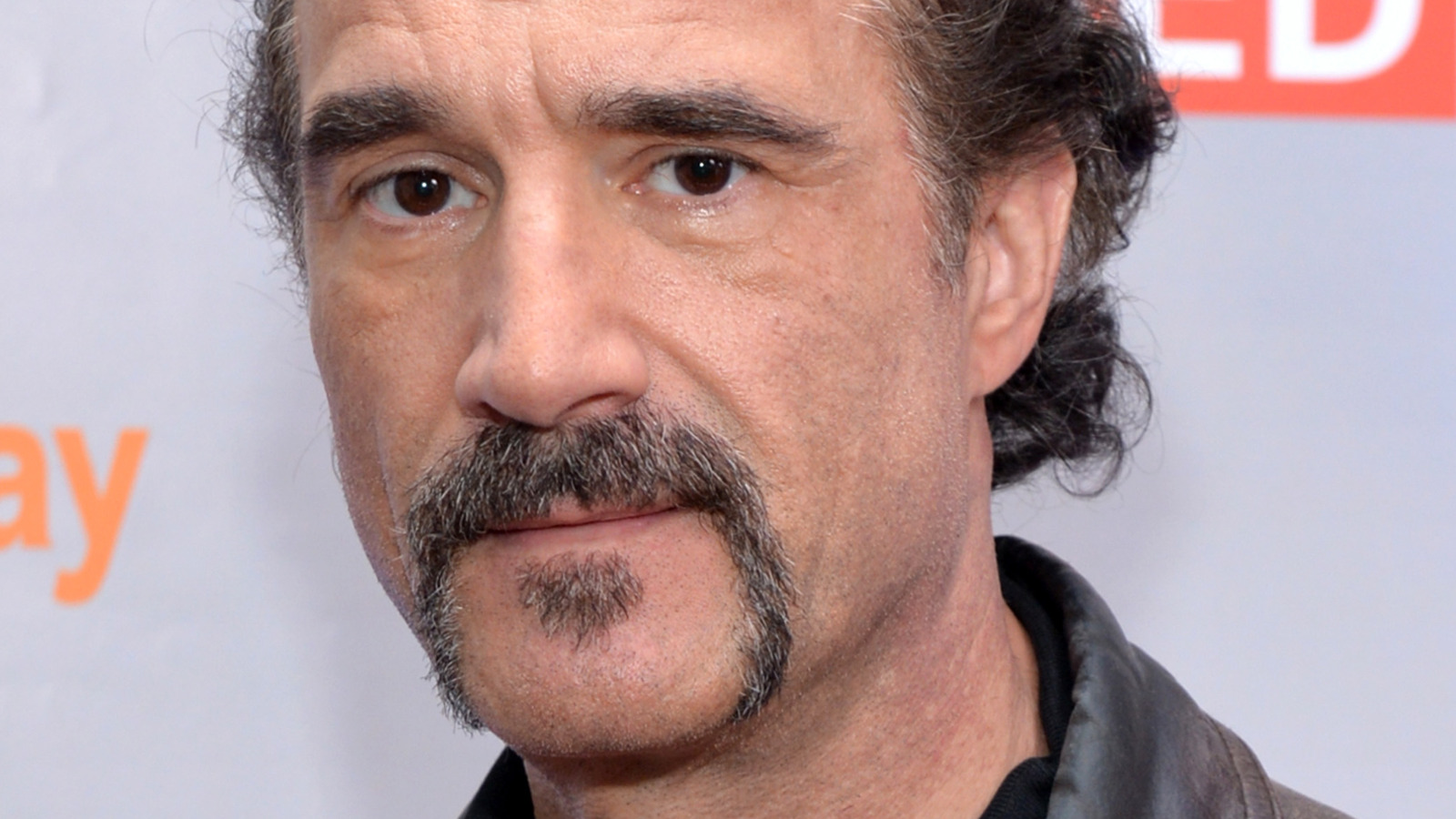
Al Olinsky, portrayed by Elias Koteas, was more than just a uniform; he was the seasoned bedrock of the Intelligence Unit. His presence brought a gravitas and a sense of lived experience to the often-chaotic world of policing. He’d seen it all, endured it all, and yet, maintained a moral compass that, while occasionally tested, always pointed towards justice. His departure, therefore, wasn’t a mere casting change; it was a significant narrative event that aimed to explore the ultimate price of his dedication.
A Web of Deception and Betrayal
Al’s final season was marked by a series of events that steadily eroded his carefully constructed professional life. A significant turning point was his entanglement with the case involving the death of a young informant and the subsequent framing of a fellow officer. This situation, fraught with internal politics and external threats, put Al in an impossible position. He found himself caught between his loyalty to his team and the shadowy machinations of individuals seeking to manipulate the justice system for their own nefarious purposes.
The investigation into the informant’s death led Al down a dangerous path, one that involved a high-stakes undercover operation and direct confrontation with powerful figures. It was during this period that Al made decisions, born out of a desperate attempt to protect those he cared about, which ultimately proved to be his undoing. The pressure of the situation, coupled with his inherent sense of responsibility, led him to take actions that, while morally ambiguous in their execution, were rooted in a desire for a just outcome.
The Ultimate Sacrifice
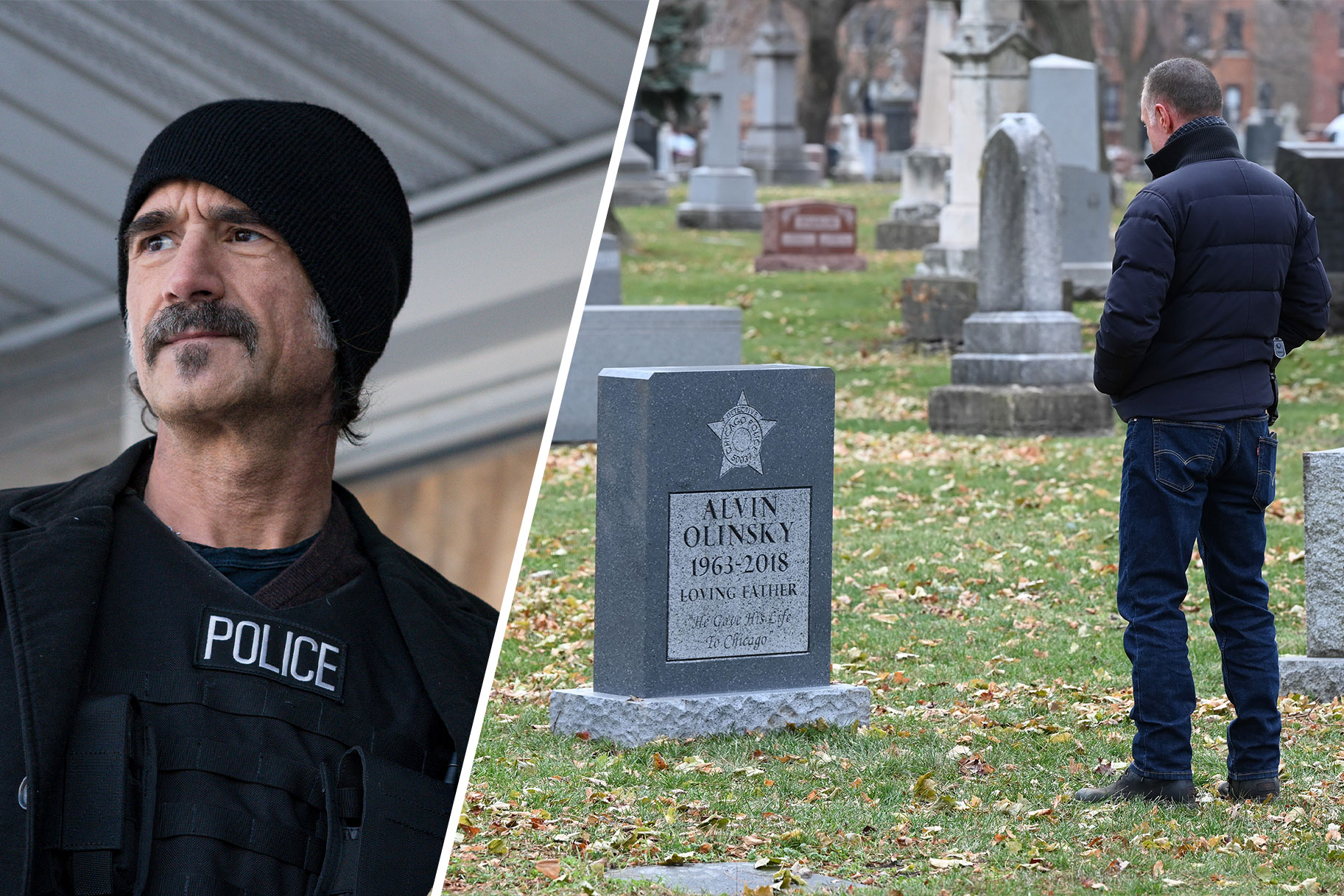
The climax of Al’s storyline saw him facing the consequences of his actions. In a shocking turn of events, he was arrested and ultimately murdered in prison, a victim of the very corruption he had been fighting against. This tragic end was not a sudden whim of the writers but a deliberate narrative choice designed to underscore the brutal realities of the world Chicago P.D. portrays. It was a stark reminder that in the pursuit of justice, even the most dedicated can become casualties.
Al’s death served as a profound moment for the remaining characters, particularly his protégé, Detective Hank Voight. It highlighted the immense personal sacrifices made by law enforcement officers and the devastating impact their loss has on their colleagues and loved ones. The narrative explored the grief, the anger, and the renewed determination that his death ignited within the Intelligence Unit, pushing them to double down on their commitment to exposing the truth.
Exploring the Impact on the Intelligence Unit and Beyond
Al Olinsky’s departure sent ripples through the entire precinct. His absence was not just felt in the interrogation rooms or during stakeouts; it was a void in the emotional fabric of the team. As a mentor and a father figure to many, his loss prompted introspection and a re-evaluation of their own paths and priorities.
The Voight-Olinsky Dynamic
The relationship between Hank Voight and Al Olinsky was a cornerstone of Chicago P.D.. They shared a long history, a deep understanding, and a mutual respect that transcended the typical professional camaraderie. Voight, often depicted as a morally flexible leader, relied on Al’s grounding presence and his ability to see beyond the immediate chaos. Al, in turn, often served as Voight’s conscience, offering a different perspective and a reminder of the ethical lines they sometimes blurred.
Al’s death deeply affected Voight, forcing him to confront the limits of his own power and the inherent dangers of their profession. The narrative explored how Voight grappled with his grief and how he channeled his pain into a more intense pursuit of justice, often blurring the lines even further in his quest to avenge Al and prevent similar tragedies. This dynamic underscored the profound bond between them and the lasting legacy Al left behind, even in death.
A New Era for the Intelligence Unit
The absence of a foundational character like Al Olinsky inevitably signals a shift in the show’s dynamics. His departure paved the way for new characters to step into the spotlight and for existing characters to evolve and take on new responsibilities. The Intelligence Unit, having faced the ultimate loss, had to regroup, adapt, and redefine itself.
This transition allowed for exploration of different leadership styles and approaches to policing. It presented opportunities for younger detectives to rise through the ranks, bringing fresh perspectives and a renewed sense of purpose. The narrative aimed to show that while the loss of a key member is devastating, the commitment to justice can endure and even be strengthened by adversity. The memory of Al Olinsky became a guiding principle, a reminder of the values they fought for and the sacrifices they were willing to make.
Beyond the Blue Uniform: Al’s Personal Life and Connections
While Chicago P.D. primarily focuses on the professional lives of its characters, Al Olinsky’s personal life and his connections outside the precinct were integral to understanding his character and the depth of his loss. His role as a father, in particular, provided a poignant counterpoint to the harsh realities of his job.
The Father-Daughter Bond
One of the most significant aspects of Al’s personal life was his relationship with his daughter, Lexi. Their bond was a testament to his softer side, a reminder that beneath the tough exterior of a seasoned detective lay a man who deeply loved and protected his family. Lexi’s presence in his life often served as a source of motivation and a reminder of what he was fighting for.
The challenges and complexities of Al’s work invariably impacted his relationship with Lexi. The dangers he faced, the secrets he kept, and the emotional toll of his job created hurdles that they navigated together. His eventual demise had a profound and devastating impact on her, forcing her to confront the realities of her father’s dangerous profession and the ultimate price he paid. This personal tragedy added another layer of emotional weight to his departure from the show.
A Life Dedicated to Service
Al Olinsky’s career was a long and distinguished one, marked by dedication, integrity, and a relentless pursuit of justice. His experiences, both on and off the job, shaped him into the character viewers came to respect and admire. His exit from Chicago P.D., while tragic, served as a powerful conclusion to his character’s journey, highlighting the inherent risks and profound sacrifices associated with a life devoted to law enforcement.
The narrative surrounding his departure aimed to honor his legacy, not just as a detective, but as a man who, despite the darkness he encountered, always strived to do what was right. His story served as a reminder that behind every badge is a human being with hopes, fears, and a deep-seated commitment to protecting the innocent. Al Olinsky’s departure from Chicago P.D. was a poignant farewell to a character who embodied the complexities and the enduring spirit of those who serve and protect. His legacy continues to resonate within the show, a somber testament to the sacrifices made in the pursuit of justice.
LifeOutOfTheBox is a participant in the Amazon Services LLC Associates Program, an affiliate advertising program designed to provide a means for sites to earn advertising fees by advertising and linking to Amazon.com. Amazon, the Amazon logo, AmazonSupply, and the AmazonSupply logo are trademarks of Amazon.com, Inc. or its affiliates. As an Amazon Associate we earn affiliate commissions from qualifying purchases.