
The question of legality surrounding psychedelic mushrooms, particularly in a state as progressive and tourism-driven as Colorado, is a complex one. As interest in the therapeutic and consciousness-expanding potential of psilocybin continues to grow, so too does public curiosity about where and how these substances fit within legal frameworks. For travelers and residents alike, understanding the current status of psychedelic mushrooms in Colorado is crucial, especially as Denver has emerged as a pioneer in decriminalization efforts.
This article aims to provide a clear and comprehensive overview of the legal landscape of psychedelic mushrooms in Colorado, delving into recent legislative changes, the nuances of decriminalization versus legalization, and what this means for tourism and individual exploration. We will explore the historical context, the current situation in different Colorado cities, and offer practical considerations for those interested in the topic, all within the framework of responsible and informed engagement.
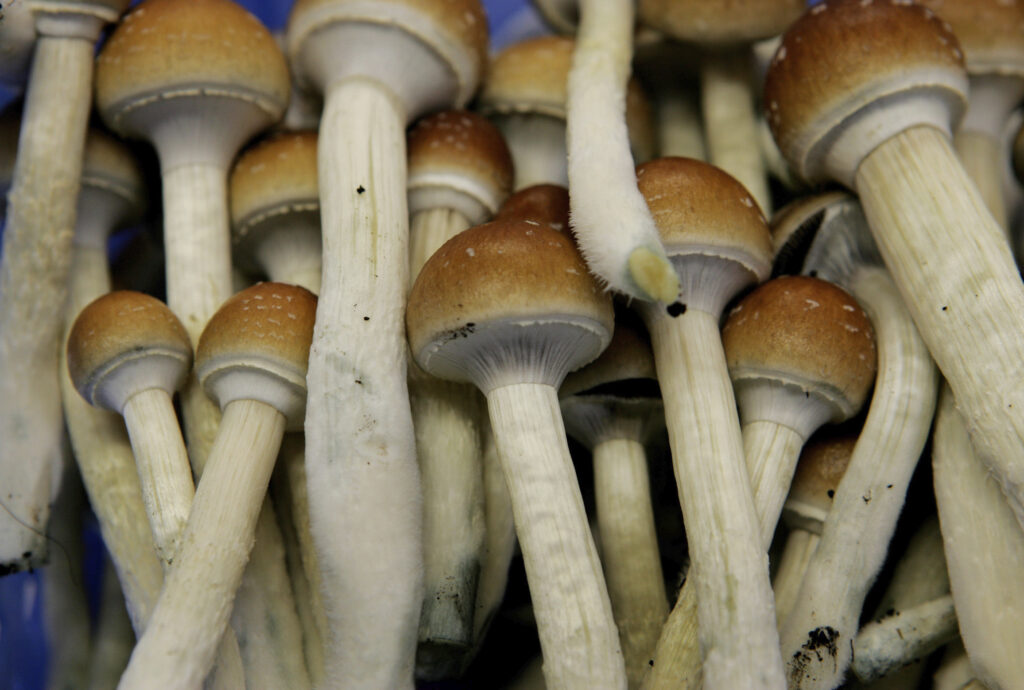
Understanding Decriminalization vs. Legalization in Colorado
It is essential to draw a clear distinction between decriminalization and legalization. These terms are often used interchangeably, but they represent vastly different legal statuses for substances like psychedelic mushrooms. In the context of Colorado, understanding this difference is paramount to comprehending the current legal environment.
Decriminalization: A Shift in Enforcement Priorities
Decriminalization, as it has been implemented in certain Colorado jurisdictions, does not make psychedelic mushrooms legal to possess, sell, or cultivate. Instead, it signals a shift in law enforcement priorities. For individuals possessing small amounts of psilocybin-containing mushrooms for personal use, the penalties are significantly reduced. This often means that instead of facing arrest, significant fines, or jail time, individuals might receive a warning or a minor citation, akin to a traffic ticket.
The primary goal of decriminalization is to reduce the burden on the criminal justice system and to focus resources on more serious offenses. It is a pragmatic approach that acknowledges the growing body of research suggesting that psilocybin may have significant therapeutic benefits and that the harms associated with its criminalization outweigh the benefits of strict enforcement for personal use.
Legalization: A Regulatory Framework for Access
Legalization, on the other hand, goes a step further. It involves creating a regulated system where the production, distribution, sale, and possession of psychedelic mushrooms are permitted under specific laws and regulations. This typically involves licensing, quality control, taxation, and age restrictions, similar to how alcohol or cannabis are regulated in many places.
As of the writing of this article, psychedelic mushrooms are not fully legalized for recreational or medical use in Colorado at the statewide level. While there have been significant steps towards a more permissive environment, they remain classified as a Schedule I controlled substance under federal law, and state laws reflect this in many regards. The progress made in Colorado has primarily been through decriminalization efforts in specific cities.
Psychedelic Mushroom Laws in Colorado: A City-by-City Breakdown
The legal status of psychedelic mushrooms in Colorado is not uniform across the entire state. It is a patchwork of differing local ordinances and the overarching federal and state classifications. This makes it crucial for individuals to be aware of the specific regulations in the area they are visiting or residing in.
Denver: The Pioneer of Decriminalization
Denver made history in May 2019 when voters approved Initiative 301, which decriminalized the possession and personal use of psilocybin mushrooms for adults aged 21 and over. This was a landmark decision, making Denver the first city in the United States to decriminalize psilocybin.
Under Initiative 301, the Denver Police Department is prohibited from using resources to investigate or make arrests for the possession or use of psilocybin mushrooms by individuals aged 21 and older. It is important to reiterate that this is not legalization. Selling, cultivating for sale, or possessing large quantities can still carry legal consequences. The initiative focused solely on personal, adult use and limited the scope of enforcement. This initiative has paved the way for further discussions and potential changes in other cities.

Other Colorado Cities and Counties
Following Denver’s lead, other Colorado municipalities have begun to consider or enact similar decriminalization measures.
- Oakland and Santa Cruz, California, and later Ann Arbor, Michigan, have also passed resolutions decriminalizing entheogenic plants and fungi. While not in Colorado, these actions reflect a broader national trend and have influenced local discussions.
- In Colorado, cities like Fort Collins and Arapahoe County have seen advocacy for decriminalization. While not all have reached the same legislative stage as Denver, the conversation is ongoing. Some local governments have adopted policies that deprioritize the enforcement of laws related to natural psychedelics, often framed as a public health and safety measure.
- It’s crucial to note that in areas where no specific decriminalization ordinance exists, the default state and federal laws regarding controlled substances still apply. Possession, sale, and cultivation of psilocybin mushrooms can lead to arrest and prosecution.
The evolving nature of these local ordinances means that checking the most current regulations for any specific city or county in Colorado is always advisable.
Implications for Tourism and Travel in Colorado
The shifting legal landscape surrounding psychedelic mushrooms in Colorado has potential implications for the state’s vibrant tourism industry, particularly for those interested in unique experiences and wellness retreats.
The Rise of Psychedelic-Informed Travel
As awareness grows about the potential therapeutic benefits of psilocybin, a niche within the travel sector is emerging. This includes retreats and curated experiences focused on guided psychedelic journeys, often integrated with mindfulness practices, nature exploration, and therapeutic support. Colorado, with its stunning natural beauty, from the Rocky Mountains to its charming towns like Aspen and Vail, presents an attractive backdrop for such endeavors.
For travelers seeking these experiences, it is vital to understand that while possession and personal use may be decriminalized in places like Denver, operating commercial psychedelic services or facilitating their use outside of very specific, often experimental, contexts is still largely illegal. The legality and ethical considerations surrounding these services are complex and are still being navigated by both providers and potential clients.
Considerations for Visitors
Visitors to Colorado who are interested in the topic of psychedelic mushrooms should be aware of the following:
- Legality: Understand that decriminalization in Denver primarily pertains to personal use and possession of small amounts. Selling, distributing, or possessing larger quantities remains illegal. In areas outside of Denver that have not enacted similar ordinances, possession can lead to legal trouble.
- Safety and Responsibility: If engaging with psilocybin, whether in Colorado or elsewhere, prioritize safety. This includes ensuring you are in a legal jurisdiction for possession, understanding dosage, having a sober sitter, and being in a safe and comfortable environment.
- Accommodation Choices: When booking hotels or accommodations, such as those found in Aspen or at resorts near natural landmarks like Garden of the Gods, consider the general atmosphere and local regulations of the area. While accommodations themselves are not directly impacted by psilocybin laws, being aware of local attitudes and enforcement can be beneficial.
- Ethical Tourism: For those interested in the burgeoning field of psychedelic-assisted experiences, seek out reputable providers who prioritize safety, legality, and ethical practices. The industry is still maturing, and due diligence is essential.
The future of psychedelic substances in Colorado is a dynamic area. As research continues and public opinion evolves, further legislative changes are possible. For now, a nuanced understanding of current laws, focusing on the distinction between decriminalization and legalization, is the most prudent approach for residents and travelers alike.
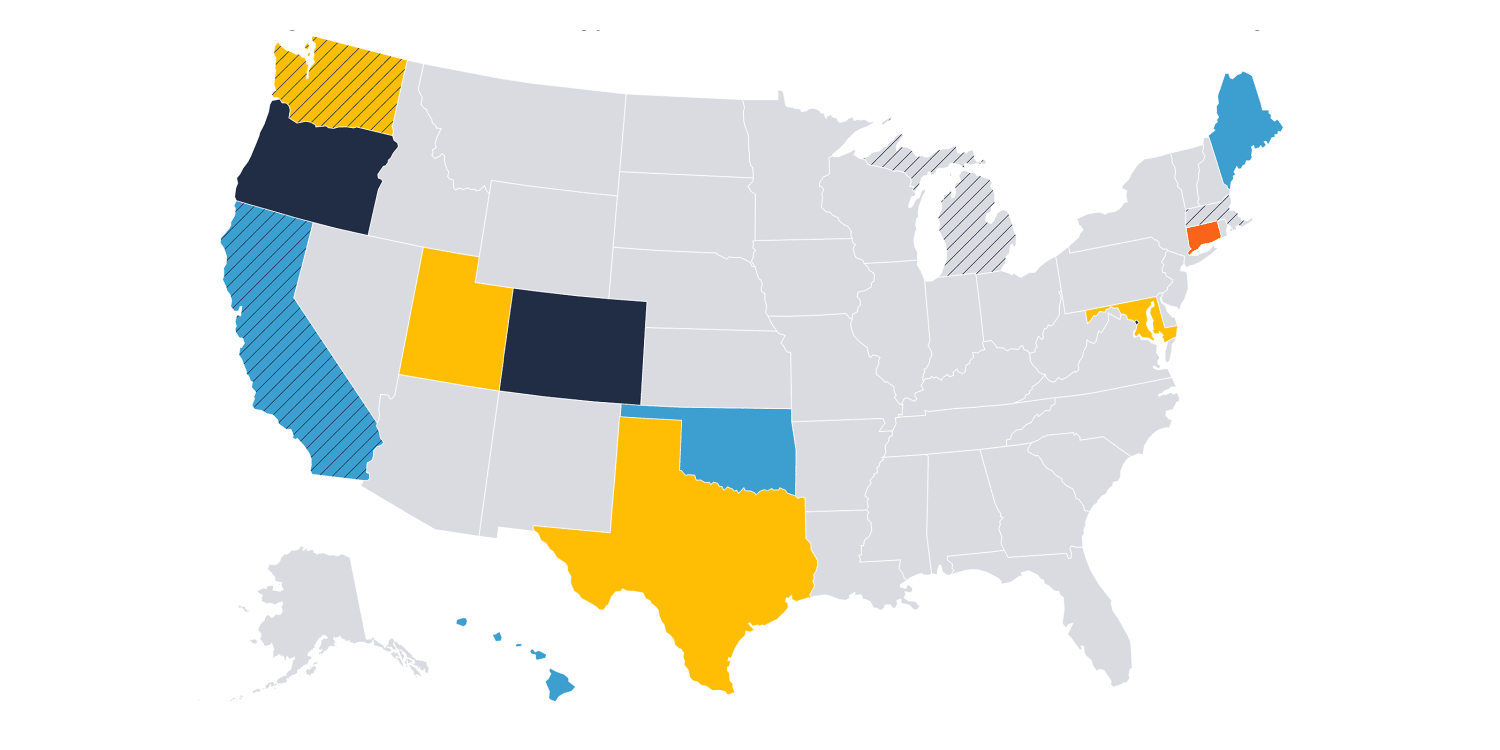
The Future of Psychedelics in Colorado
The decriminalization efforts in Denver and the growing advocacy across the state suggest a potential trajectory towards broader acceptance and, possibly, regulated access to psilocybin in the future. This mirrors trends seen in other states and countries exploring the therapeutic potential of psychedelics.
Legislative proposals and ballot initiatives are likely to continue emerging in Colorado, aiming to expand access beyond personal use and to establish frameworks for therapeutic applications. As these discussions unfold, it will be crucial to monitor legislative developments and understand how they might impact tourism, healthcare, and individual liberties.
For those planning a visit to Colorado for outdoor adventures, exploring landmarks like Pikes Peak, or enjoying the amenities of resorts such as The Broadmoor, being informed about the local laws regarding psychedelic mushrooms adds another layer of responsible travel. The state’s embrace of progressive policies, as seen in Denver, makes it a focal point for conversations about the future of psychedelics and their place in society.
LifeOutOfTheBox is a participant in the Amazon Services LLC Associates Program, an affiliate advertising program designed to provide a means for sites to earn advertising fees by advertising and linking to Amazon.com. Amazon, the Amazon logo, AmazonSupply, and the AmazonSupply logo are trademarks of Amazon.com, Inc. or its affiliates. As an Amazon Associate we earn affiliate commissions from qualifying purchases.