
The notion of encountering an alligator in the rugged, mountainous terrain of Colorado might strike many as improbable, even absurd. When one pictures this western state, images of snow-capped peaks, vast aspen forests, and arid canyons typically come to mind, not the humid, subtropical wetlands that are the natural habitat of these ancient reptiles. However, the natural world often surprises us, and the question of whether alligators have found a home in the Centennial State warrants a closer look, especially for those planning their next adventure or seeking unique wildlife experiences.
While the definitive answer for naturally occurring, self-sustaining alligator populations in Colorado is a resounding “no,” the story is far from over. The state’s climate, characterized by its generally cold winters and arid conditions, makes it inhospitable for alligators to thrive and reproduce in the wild. Alligators, specifically the American alligator (Alligator mississippiensis), require warm, humid environments with abundant water sources, such as swamps, marshes, and slow-moving rivers. Colorado’s geography simply doesn’t offer these conditions on a widespread scale.
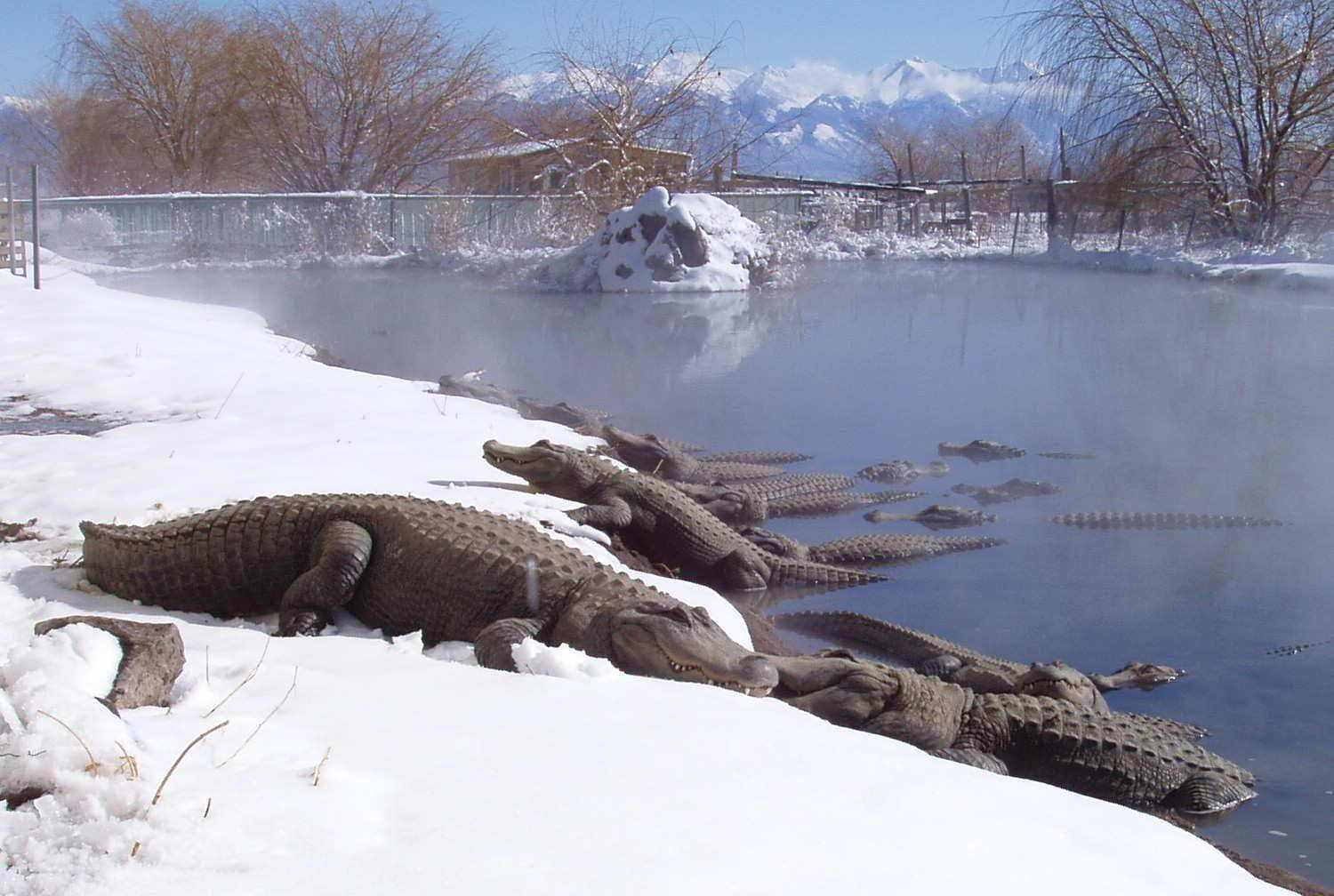
Despite the environmental unsuitability, the presence of alligators in Colorado isn’t entirely nonexistent. These sightings, though rare and often attributed to unusual circumstances, do occur. Understanding these instances requires delving into the possibilities of escaped pets, illegal releases, and even temporary occurrences within controlled environments.
Unpacking the Alligator Enigma in the Rocky Mountain State
The primary reason for the absence of native alligators in Colorado lies in its climate and geography. Unlike the southeastern United States, where alligators are common, Colorado experiences significant temperature fluctuations and harsh winters. These conditions are far too extreme for an ectothermic animal like an alligator to survive and reproduce naturally.
The Case of the Escaped or Released Alligator
The most plausible explanation for isolated alligator sightings in Colorado often traces back to human intervention. The exotic pet trade, while increasingly regulated, has, in the past, led to individuals acquiring alligators. Due to their demanding care requirements or the realization of their potential danger, some owners have regrettably chosen to release their pets into local waterways, or these animals have escaped their enclosures.
While such releases are illegal and detrimental to both the animal and the local ecosystem, they can lead to temporary presences of alligators in environments that are not their natural habitat. These escaped or released alligators face an uphill battle for survival in Colorado. They are unlikely to find adequate food sources, and the prolonged cold periods can be lethal. However, in warmer months, a particularly robust individual might survive for a while, leading to occasional, albeit often short-lived, sightings.
When such an event occurs, wildlife authorities are typically alerted. They will endeavor to safely capture and relocate the animal, often to a sanctuary or a more suitable climate, to prevent harm to both the alligator and the public. These instances, while creating a fleeting sense of the exotic, do not indicate a breeding population.
Alligators in Captivity: A Controlled Encounter
For those fascinated by these prehistoric creatures, the absence of wild alligators in Colorado doesn’t mean you can’t see them at all. Several facilities within the state offer opportunities for controlled viewing and educational experiences. These include zoos, wildlife parks, and even some aquariums that house alligators as part of their exhibits.
For instance, facilities like the Denver Zoo often have reptiles that captivate visitors. While the Denver Zoo is a renowned institution for its diverse animal collection, it’s important to verify their current exhibits for specific alligator displays. Similarly, other wildlife centers across Colorado might house alligators, providing a safe and educational way to observe them.
These captive environments are designed to mimic the natural habitats of the animals, providing them with the correct temperature, humidity, and diet. They also serve a crucial role in educating the public about these species, their ecological importance, and the threats they face in the wild. These encounters are invaluable for understanding alligator behavior and biology without the risks associated with wild populations.
Exploring Wildlife Tourism in Colorado
Beyond the possibility of alligator sightings, Colorado is a prime destination for a wide array of wildlife tourism. The state’s diverse ecosystems, from the Rocky Mountains to the eastern plains, are home to a spectacular array of native fauna. Visitors can embark on incredible journeys to observe majestic elk, elusive bighorn sheep, black bears, and a multitude of bird species.
For example, a trip to Rocky Mountain National Park offers unparalleled opportunities to witness large mammals in their natural splendor. Guided tours or self-guided hikes can lead you to prime viewing spots. The park’s visitor centers often provide information on recent wildlife sightings and the best times and locations for observation.
The Colorado River itself, while not an alligator haven, is a vital artery for numerous aquatic and semi-aquatic species. Birdwatchers can delight in spotting various waterfowl, raptors, and songbirds along its banks. The river valleys and foothills also support populations of deer, pronghorn, and coyotes, making for a rich tapestry of wildlife encounters.
When planning your Colorado wildlife adventure, it’s always recommended to consult local wildlife guides or park rangers for the most up-to-date information. They can offer invaluable insights into animal behavior, safe viewing practices, and the best times to maximize your chances of encountering Colorado’s diverse wildlife. Remember, responsible tourism is key to preserving these natural habitats and ensuring the well-being of the animals.

The Unlikely Home: Why Colorado Isn’t Alligator Country
The fundamental reason why alligators are not a natural part of Colorado’s fauna is the state’s prevailing climate. Alligators are cold-blooded reptiles, meaning their body temperature relies on external sources. They thrive in warm, humid environments where temperatures consistently remain above freezing. Colorado’s winters, characterized by prolonged periods of freezing temperatures and snow, are simply too harsh for alligators to survive and establish a breeding population.
Even during the summer months, while some parts of Colorado can reach high temperatures, the overall humidity and water body conditions are not conducive to alligator life. Alligators need extensive wetlands, swamps, and slow-moving, warm waters for foraging, basking, and nesting. Colorado’s waterways, while beautiful, are often fast-flowing, colder, and lack the necessary vegetation and shallow areas that alligators require.
Understanding Alligator Biology and Habitat Needs
American alligators are native to the southeastern United States, with their range extending from the Pamlico Sound in North Carolina down to the Florida Keys and west to the Rio Grande in Texas. This geographical distribution is a direct reflection of their specific biological requirements. They are adapted to a subtropical and tropical climate, where water temperatures remain warm enough year-round for their physiological processes.
Key to their survival are:
- Warm Temperatures: Alligators need consistent warmth for digestion, activity, and reproduction. Temperatures below 50°F (10°C) can make them lethargic and unable to move or hunt effectively. Prolonged freezing conditions are fatal.
- Abundant Water Sources: They require substantial bodies of water, such as swamps, marshes, estuaries, and slow-moving rivers, to swim, hunt, and cool down during hot periods. These wetlands also provide essential food sources like fish, turtles, and small mammals.
- Suitable Nesting Grounds: Female alligators build nests out of vegetation and mud in warm, humid areas. The incubation temperature of the eggs is critical for determining the sex of the hatchlings. Colorado’s climate does not offer suitable nesting sites or consistent incubation temperatures.
The absence of these conditions in Colorado makes it biologically impossible for alligators to exist as a wild, breeding population. Any alligator found would be a transient individual, likely a victim of human activity, struggling against an environment that is fundamentally alien to its needs.
Planning Your Colorado Adventure: Wildlife Beyond the Alligator
While the question of alligators in Colorado might lead to a surprising answer, the state offers an abundance of other wildlife and natural wonders that make for unforgettable travel experiences. The focus for any visitor interested in fauna should be on the incredible diversity of native species that have adapted and thrived in Colorado’s unique landscapes.
From the soaring peaks of the Rocky Mountains to the high desert plains, there’s a wealth of natural beauty and wildlife to explore. Planning a trip centered around these genuine Colorado experiences will undoubtedly be more rewarding and ecologically responsible.
Iconic Wildlife Viewing Opportunities
Colorado is a premier destination for wildlife enthusiasts. Here are some of the most sought-after viewing experiences:
- Elk Herds: During the fall rutting season, witnessing large herds of elk in Rocky Mountain National Park or around Steamboat Springs is a breathtaking spectacle. The bugling calls of the males echo through the valleys, creating a primal symphony.
- Bighorn Sheep: These majestic creatures can often be spotted on steep, rocky slopes, particularly in areas like Garden of the Gods or along mountain passes. Their agility on treacherous terrain is remarkable.
- Mule Deer and Pronghorn: These common yet beautiful animals are visible throughout the state, from meadows to prairies. Pronghorn, the fastest land animal in North America, are particularly captivating to observe on the open plains.
- Birds of Prey: Colorado’s skies are home to a variety of raptors, including bald eagles, golden eagles, and various hawk and falcon species. Areas near large bodies of water or mountain cliffs are often good for spotting them.
- Small Mammals: Keep an eye out for prairie dogs, marmots, pikas, and various squirrel species, which add a lively charm to the natural landscape.
When planning your wildlife viewing trips, consider visiting during the spring and fall for optimal animal activity and fewer crowds. Always maintain a safe and respectful distance from all wildlife, never feed them, and be sure to pack binoculars for a closer look. Local guides and park rangers are invaluable resources for understanding animal behavior and locating them safely.
Accommodation and Travel Tips for Nature Lovers
Colorado offers a diverse range of accommodations to suit every traveler’s style and budget, from luxury resorts to cozy cabins and budget-friendly hotels.
- Luxury Resorts: For a pampered experience, consider resorts nestled in the mountains, such as those in Aspen or Vail, which often offer stunning views and amenities. These can provide a comfortable base for exploring nearby natural attractions.
- Boutique Hotels: Charming boutique hotels can be found in towns like Telluride or Estes Park, offering a more intimate and personalized stay, often with easy access to hiking trails and scenic drives.
- Vacation Rentals and Cabins: For families or groups seeking more space and a connection to nature, renting a cabin or vacation home near Grand Junction or in the San Juan Mountains can be an excellent choice. Many offer kitchen facilities, allowing for self-catering and more flexibility.
- Camping and Glamping: For the truly adventurous, Colorado boasts numerous campgrounds and increasingly popular glamping sites, offering a more immersive outdoor experience.
When traveling to Colorado, especially for wildlife viewing, it’s advisable to book accommodations and any necessary tours in advance, particularly during peak seasons. Consider the time of year for your visit, as weather can significantly impact accessibility and animal sightings. Always be prepared for changing weather conditions in the mountains, packing layers of clothing, sturdy footwear, and sun protection. Respecting the natural environment by staying on marked trails and packing out all trash will ensure that Colorado’s wild beauty can be enjoyed by generations to come.
LifeOutOfTheBox is a participant in the Amazon Services LLC Associates Program, an affiliate advertising program designed to provide a means for sites to earn advertising fees by advertising and linking to Amazon.com. Amazon, the Amazon logo, AmazonSupply, and the AmazonSupply logo are trademarks of Amazon.com, Inc. or its affiliates. As an Amazon Associate we earn affiliate commissions from qualifying purchases.