
Navigating the diverse landscapes and vibrant cities of Colorado offers an unparalleled experience for travelers. From the majestic peaks of the Rocky Mountains to the bustling urban charm of Denver and the artistic allure of Santa Fe (though technically in New Mexico, it’s a common day trip from southern Colorado and often considered in the broader regional travel context), the Centennial State is a treasure trove of attractions. Whether you’re planning a luxurious escape to a resort in Aspen or a budget-friendly adventure exploring the natural wonders, understanding the local regulations can significantly enhance your journey. One such common query for visitors driving into Colorado, or for new residents, pertains to vehicle requirements, specifically: Do you need a front license plate in Colorado?

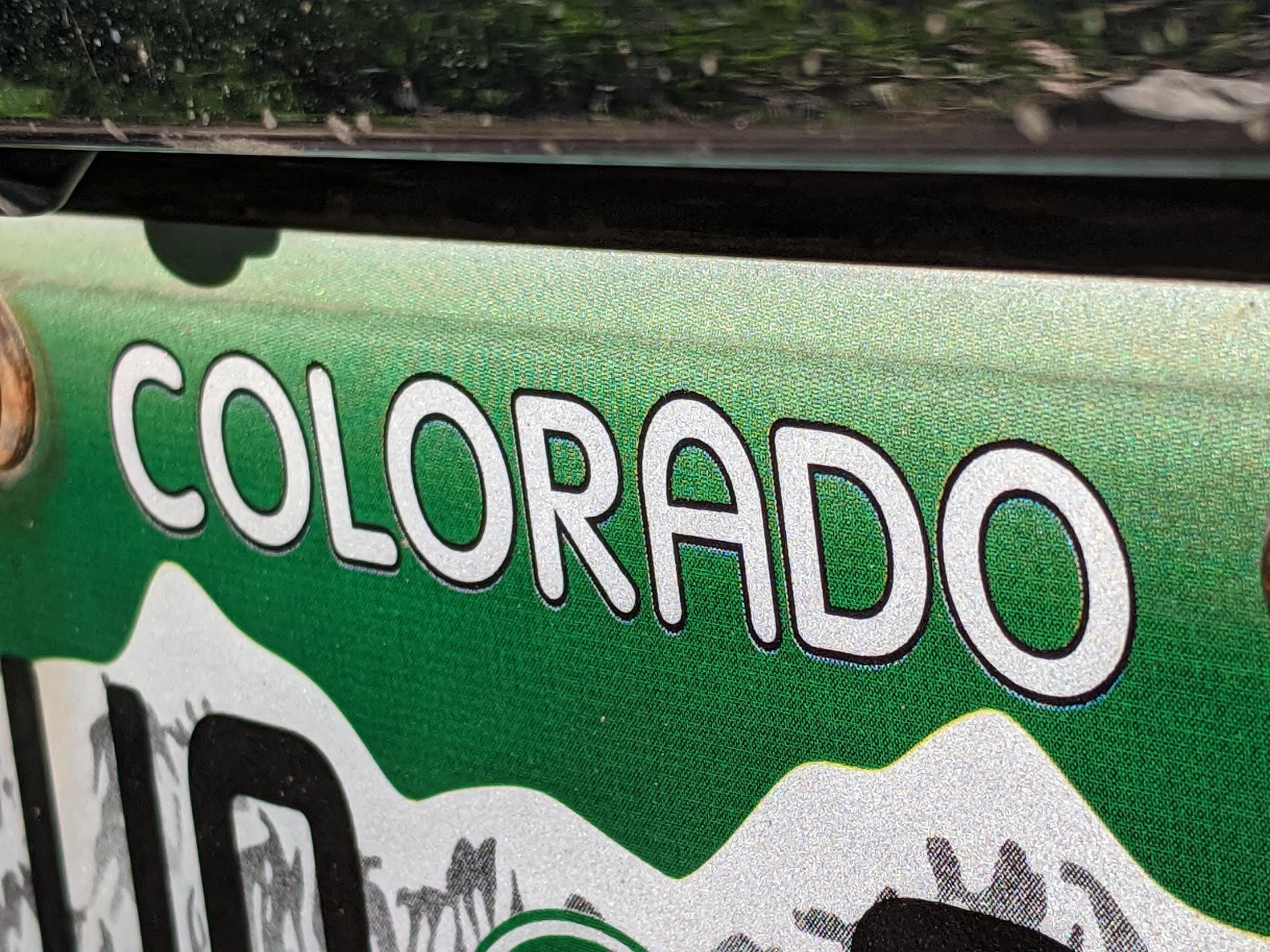
The answer to this question is a straightforward yes. Colorado law mandates that all passenger vehicles registered in the state must display both a front and a rear license plate. This regulation is not merely a bureaucratic hurdle; it’s a crucial element of public safety and law enforcement’s ability to identify vehicles, particularly in case of traffic violations, accidents, or criminal activity. For tourists and visitors who may be driving rental cars or their own vehicles from out of state, it’s essential to be aware of Colorado’s specific requirements to avoid any potential citations. Understanding these details allows for a more seamless and enjoyable travel experience, enabling you to focus on the incredible Colorado experiences awaiting you, from skiing in Vail to exploring the Garden of the Gods.
Understanding Colorado’s License Plate Laws for Drivers
The requirement for front and rear license plates in Colorado is codified in the state’s vehicle code. This law applies to all privately owned passenger vehicles, including cars, SUVs, and pickup trucks. Motorcycles, while not requiring a front plate, must display a rear one. Commercial vehicles also have specific requirements, but for the typical tourist or visitor, the focus is on passenger cars. The rationale behind mandating a front license plate is multifaceted. Primarily, it aids law enforcement in identifying vehicles from all angles, which can be critical for traffic stops, identifying vehicles involved in hit-and-run incidents, or spotting stolen vehicles. In busy areas like Denver International Airport or popular tourist destinations, the ability to quickly and accurately identify a vehicle is paramount for security.
Enforcement and Penalties
While enforcement can vary, Colorado law enforcement officers are authorized to issue tickets for violations of the license plate display requirements. The penalty for failing to display a front license plate can range from a minor traffic infraction with a fine to a more significant penalty depending on the discretion of the issuing officer and any prior offenses. For visitors, encountering such a penalty could add an unwelcome expense and administrative hassle to their trip, potentially disrupting plans to explore attractions like the Great Sand Dunes National Park and Preserve or enjoy the culinary scene in cities like Boulder. It’s always advisable to ensure your vehicle is compliant with all local traffic laws to avoid any such inconveniences. For those staying long-term, such as for business or extended leisure, registering your vehicle with the appropriate Colorado authorities will ensure you receive Colorado license plates that are compliant with these regulations.
Travel Implications for Visitors and Residents
The requirement for a front license plate has direct implications for various types of travelers and individuals living in or visiting Colorado. Understanding these nuances can prevent unexpected issues and ensure a smooth experience, whether you’re embarking on a road trip through the stunning San Juan Mountains, seeking accommodation at a boutique hotel in Telluride, or simply commuting within your local area.
Visitors Driving Out-of-State Vehicles

Many visitors to Colorado arrive in vehicles registered in other states. While these vehicles will have their own state’s license plates, Colorado law enforcement can enforce Colorado’s regulations on vehicles operating within the state. If your out-of-state vehicle is not equipped with a front license plate, you are technically in violation of Colorado law while driving through the state. However, officers often exercise discretion with out-of-state visitors, especially if their home state does not require a front plate. States like Arizona and Florida do not mandate front license plates. If you are from one of these states, it’s less likely you will be ticketed. Nevertheless, to be completely compliant and avoid any potential interactions with law enforcement, it is advisable to ensure your vehicle has a front plate, or at least to be aware of the potential for being stopped. Some rental car companies may offer optional front plate brackets, or you might consider a temporary plate holder if you anticipate being in Colorado for an extended period. This ensures you can fully enjoy your travel experiences, from exploring the historic mining towns like Breckenridge to experiencing the natural beauty of Pikes Peak.
New Residents and Vehicle Registration
For individuals moving to Colorado and establishing residency, registering their vehicles promptly is a legal requirement. This process involves obtaining new Colorado license plates, which will, by default, include both front and rear plates. New residents are typically given a grace period, usually around 30 days, to complete this registration after establishing residency. During this period, their out-of-state plates are generally accepted. However, once the grace period expires, operating a vehicle with expired out-of-state plates and without Colorado registration is a violation. The registration process itself ensures compliance with all state vehicle laws, including the front license plate mandate, allowing you to legally explore all that Colorado has to offer, from the cultural attractions in Colorado Springs to the hiking trails near Estes Park. This also applies if you are considering a long-term stay, perhaps for a seasonal job or extended vacation, where local registration might become a consideration for convenience and legal adherence.
Rental Cars and Temporary Solutions
Rental car companies typically comply with the registration laws of the state in which they operate. Therefore, rental cars in Colorado are almost always equipped with both front and rear license plates. If, by some rare chance, you receive a rental car that is missing a front plate, it is highly recommended to address this with the rental agency immediately before driving off the lot. They should be able to provide a replacement or a suitable bracket. For those driving their own vehicles into Colorado and concerned about the front plate requirement, especially if their home state does not require one, a few temporary solutions exist. These can include purchasing a universal license plate bracket that can be temporarily attached to the front bumper. While not a permanent solution, it can serve the purpose of compliance during your stay, allowing you to enjoy destinations like the Mesa Verde National Park or the charming streets of Aspen without worry.
Maximizing Your Colorado Experience: Beyond License Plates
While understanding the necessity of a front license plate is a practical consideration for driving in Colorado, it’s just one small piece of ensuring a smooth and enjoyable visit. The state offers an abundance of experiences catering to every traveler’s interest, from the luxury seeker to the budget adventurer. Whether you’re booking a stay at a renowned resort or exploring budget-friendly accommodation options, focusing on the rich tapestry of Colorado attractions will truly define your trip.
Embracing Colorado’s Diverse Attractions and Accommodation
Colorado is a destination that truly has it all. For nature enthusiasts, the opportunities are endless. Explore the dramatic canyons of the Black Canyon of the Gunnison National Park, hike through alpine meadows, or marvel at the geological wonders of Rocky Mountain National Park. For those interested in history and culture, the preserved ghost towns, Native American heritage sites, and the vibrant arts scene in cities like Denver offer a fascinating glimpse into the past and present. When it comes to accommodation, Colorado excels. You can find everything from opulent suites in ski resorts like Beaver Creek to cozy bed and breakfasts in quaint mountain towns, and family-friendly apartments for longer stays. Websites offering booking, reviews, and comparisons can help you find the perfect place to rest after a day of exploring, whether you’re looking for specific amenities or a particular travel lifestyle, such as luxury travel or family trips.
Leveraging Tourism Tips for a Richer Journey
To truly immerse yourself in the local culture and maximize your adventures, consider these tourism tips. Engage with local tourism boards and visitor centers for the most up-to-date information on events, trails, and attractions. Sample the diverse culinary landscape, from farm-to-table restaurants in the Boulder area to the unique flavors found in the western slope’s wineries. For those interested in outdoor activities, consider guided tours, especially for challenging hikes or backcountry adventures. These tours not only provide safety and expertise but also offer invaluable local insights. When it comes to travel planning, whether it’s a business stay or a leisurely escape, booking accommodation in advance, especially during peak seasons, is highly recommended. This is particularly true for popular destinations like Aspen or areas surrounding major attractions such as Denver. By paying attention to practical details like vehicle regulations and embracing the wealth of information available for local culture, food, and activities, your journey through Colorado is sure to be an unforgettable experience, filled with remarkable landmarks and enriching lifestyle choices.
LifeOutOfTheBox is a participant in the Amazon Services LLC Associates Program, an affiliate advertising program designed to provide a means for sites to earn advertising fees by advertising and linking to Amazon.com. Amazon, the Amazon logo, AmazonSupply, and the AmazonSupply logo are trademarks of Amazon.com, Inc. or its affiliates. As an Amazon Associate we earn affiliate commissions from qualifying purchases.