
The age-old question of whether the Centennial State observes Daylight Saving Time (DST) often sparks curiosity, especially for travelers planning a visit to Colorado. As the seasons change and the sun’s arc across the sky shifts, understanding the local timekeeping practices is crucial for seamless travel experiences, whether you’re booking a luxury stay at a resort in the Rocky Mountains or exploring the vibrant culture of Denver. This article delves into the specifics of Daylight Saving Time in Colorado, its history, and its implications for various aspects of travel and lifestyle within the state.
The Shifting Sands of Time: Colorado’s Daylight Saving History
Colorado has a nuanced history when it comes to observing Daylight Saving Time. Like many states in the United States, its participation has been subject to federal mandates and local opinions.
Federal Mandates and State Adoption
The decision to observe Daylight Saving Time in the United States has largely been a federal one. The Standard Time Act of 1918 first introduced DST to the nation, aiming to conserve energy during World War I. However, its implementation was inconsistent, and it was repealed shortly after the war. It wasn’t until the Uniform Time Act of 1966 that DST was standardized across the country, requiring states to observe it unless they opted out.
Colorado, along with most other states, adopted DST under this federal framework. This means that for the majority of the year, the state “springs forward” by an hour in March and “falls back” by an hour in November. This practice is intended to maximize daylight during waking hours, theoretically leading to energy savings and providing more opportunities for outdoor activities during evenings.
Debates and Proposed Changes
Despite its widespread adoption, Daylight Saving Time has remained a topic of debate in Colorado, as it has in many other parts of the country. Arguments against DST often center on potential disruptions to sleep patterns, negative impacts on health, and concerns that the energy savings are negligible or even nonexistent in modern times. Some studies suggest that the increased use of electronics and air conditioning can offset any savings from reduced lighting needs.
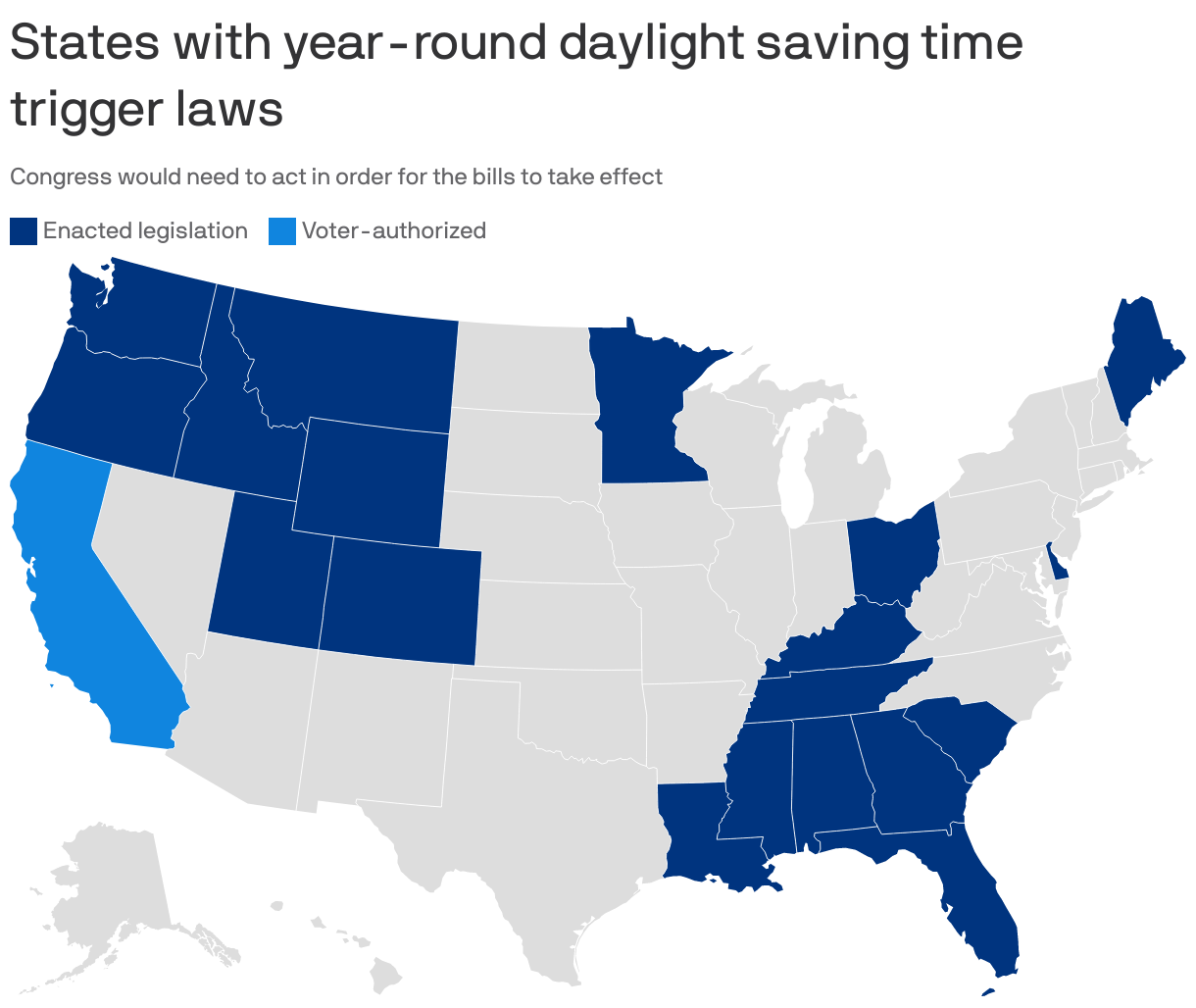
Over the years, there have been legislative efforts in Colorado to either abolish DST or make it permanent. In 2019, for instance, a bill was introduced in the state legislature to make DST permanent in Colorado. This move, if enacted federally, would mean that the state would no longer switch its clocks back in November, staying permanently on Mountain Daylight Time. While such proposals often gain traction due to public sentiment, they require federal approval to go into effect nationwide. As of now, Colorado continues to observe the biannual clock changes, aligning with the federal Uniform Time Act.
Implications for Travelers and Locals: Planning Your Colorado Experience
Understanding when Colorado changes its clocks is more than just a trivia fact; it has practical implications for anyone planning a trip or living in the state. From coordinating flights to scheduling outdoor adventures, knowing the time shifts is key.
Navigating Time Zones and Flights
Colorado observes Mountain Time. During Standard Time, it is in the Mountain Standard Time (MST) zone, which is UTC-7. When DST is in effect, it switches to Mountain Daylight Time (MDT), which is UTC-6. This means that for about eight months of the year, Colorado is one hour ahead of Pacific Time and two hours behind Eastern Time. For the remaining four months, it is two hours ahead of Pacific Time and three hours behind Eastern Time.
For travelers, this is essential information when booking flights and making connections. A flight scheduled to depart from Denver at 3:00 PM MDT will arrive at its destination at a local time that reflects the destination’s time zone and the flight duration. It’s also important to confirm departure and arrival times with airlines, especially around the DST transition dates, to avoid any confusion. Many booking websites and travel apps automatically adjust for these time changes, but it’s always prudent to double-check.
When planning your stay in Colorado, whether it’s a week-long ski trip to Aspen or a summer hiking excursion in Rocky Mountain National Park, factoring in the time difference with your home location is crucial for communication with family and friends, as well as for scheduling onward travel.
Maximizing Daylight: Travel and Activities
The extended daylight hours during DST can significantly enhance travel experiences in Colorado. The extra hour of sunlight in the evening, from roughly March to November, offers more opportunities for exploring the state’s renowned attractions.
Outdoor Adventures and Sightseeing
Colorado is a paradise for outdoor enthusiasts, and DST makes it even more so. The longer evenings are perfect for late-afternoon hikes to breathtaking viewpoints, leisurely strolls through charming mountain towns like Telluride, or extended sightseeing tours of landmarks such as Garden of the Gods near Colorado Springs. Imagine finishing a day of exploring the historic streets of Central City and still having ample daylight to enjoy a scenic drive.
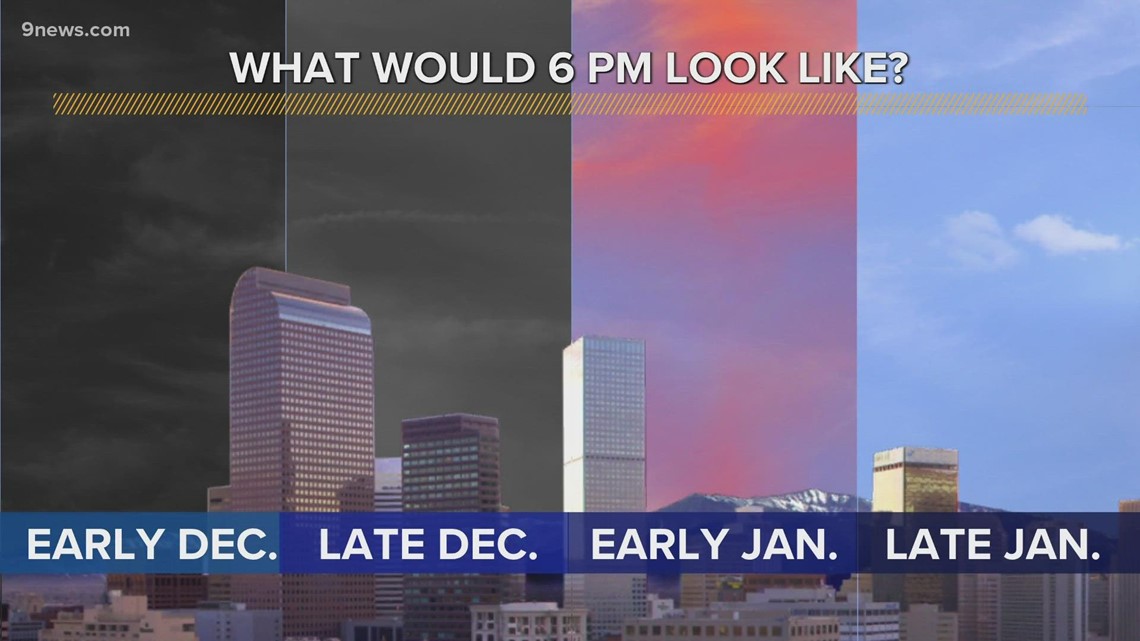
For families visiting Colorado, the extended daylight hours mean more time for kids to enjoy attractions like the Denver Zoo or the Great Sand Dunes National Park and Preserve. Parents can often plan more activities without rushing back before sunset.
Culinary Experiences and Local Culture
The impact of DST also extends to experiencing Colorado’s vibrant local culture and culinary scene. Restaurants and breweries in cities like Boulder and Fort Collins often feature outdoor patios and beer gardens. The extra daylight allows patrons to enjoy these al fresco dining experiences for longer.
Furthermore, many local festivals, farmer’s markets, and outdoor concerts are scheduled to take advantage of the longer evenings. Visiting during DST can mean more opportunities to immerse yourself in the local lifestyle, enjoy live music under the setting sun, or sample local produce at a bustling market.
Accommodation and Lifestyle Considerations
Whether you’re seeking luxury accommodations or budget-friendly options, DST can subtly influence your stay.
Booking and Long-Term Stays
When booking hotels, apartments, or villas, understanding the local time is crucial for coordination, especially if you’re arriving late or have early departures. For those considering a long-term stay in Colorado, adapting to the DST schedule is part of integrating into the local lifestyle. This might involve adjusting your work or study schedule if you’re working remotely or attending classes, ensuring you align with the local time for meetings and deadlines.
Popular booking platforms like Booking.com or Expedia will display local times for check-in and check-out, and these will automatically reflect DST changes. However, it’s always a good practice to reconfirm times directly with your accommodation provider, particularly if your travel dates fall near the DST transition periods. For example, if you’re checking into a suite at the Ritz-Carlton, Denver, knowing the local time is essential for a smooth arrival.
Luxury and Budget Travel
From a lifestyle perspective, DST can influence both luxury and budget travel. For luxury travelers, it means more time to enjoy the amenities of high-end resorts, such as spa treatments or fine dining, in daylight. It also allows for more extended exploration of luxurious attractions and experiences, such as a scenic drive along the Million Dollar Highway with ample daylight to appreciate the stunning vistas.
For budget travelers, the extended daylight hours can mean more opportunities for free or low-cost activities like hiking, visiting public parks, or simply enjoying the natural beauty of Colorado without needing to pay for evening entertainment. This can help travelers stretch their budgets further while still having a rich and fulfilling experience.
The Future of Daylight Saving in Colorado
The ongoing debate surrounding Daylight Saving Time suggests that its future in Colorado, and indeed across the nation, remains a subject of potential change. While the state currently adheres to the federal mandate, public opinion and legislative initiatives continue to push for a permanent solution.
Permanent DST and its Potential Impact
If Colorado were to adopt permanent DST, the most immediate effect would be the elimination of the biannual clock change. This would simplify scheduling and potentially lead to more consistent daily routines. Proponents argue that this would offer more daylight in the evenings year-round, benefiting outdoor recreation and local businesses that rely on evening activity.
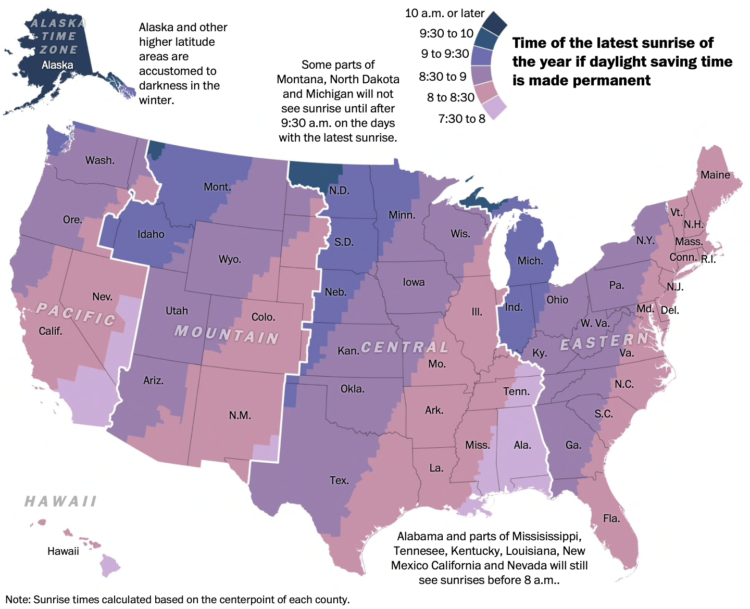
However, permanent DST also has potential drawbacks. Mornings would be darker during the winter months, which could be a concern for commuters and schoolchildren. The health impacts of prolonged DST are also still being studied, with some research suggesting potential disruptions to circadian rhythms.
Permanent Standard Time: An Alternative?
Conversely, some argue for the adoption of permanent Standard Time. This would mean no more clock changes, but mornings would be brighter year-round, while evenings would be darker in the summer. This aligns more closely with natural solar time, which some believe could be beneficial for public health and well-being.
Ultimately, the decision of whether to continue observing Daylight Saving Time, or to adopt a permanent schedule, rests on a complex interplay of federal law, scientific research, and public sentiment. For now, travelers and residents of Colorado can expect the familiar “spring forward” and “fall back” to continue, influencing the rhythm of daily life and travel in the beautiful Centennial State. Whether you are planning a visit to witness the grandeur of the Great Sand Dunes National Park and Preserve or to experience the bustling nightlife of Denver, keeping track of DST in Colorado ensures a smoother and more enjoyable journey.
LifeOutOfTheBox is a participant in the Amazon Services LLC Associates Program, an affiliate advertising program designed to provide a means for sites to earn advertising fees by advertising and linking to Amazon.com. Amazon, the Amazon logo, AmazonSupply, and the AmazonSupply logo are trademarks of Amazon.com, Inc. or its affiliates. As an Amazon Associate we earn affiliate commissions from qualifying purchases.