
As the allure of the Rocky Mountains beckons and the vibrant cultural tapestry of Colorado unfolds, travelers and residents alike often find themselves pondering a crucial question: Does Colorado have REAL ID compliant identification? This query is not merely about a driver’s license; it’s a gateway to understanding the evolving landscape of travel security, essential documentation, and how it impacts your ability to explore both within the United States and beyond.
The REAL ID Act, enacted by Congress in 2005, established minimum security standards for state-issued driver’s licenses and identification cards. Its primary aim is to enhance national security by making fraudulent identification more difficult to obtain and use. For those planning to fly domestically or access certain federal facilities, a compliant REAL ID is becoming increasingly indispensable. So, when you’re booking a flight from Denver International Airport to Orlando for a theme park adventure or planning a scenic drive to Aspen for a ski getaway, having the correct identification is paramount.
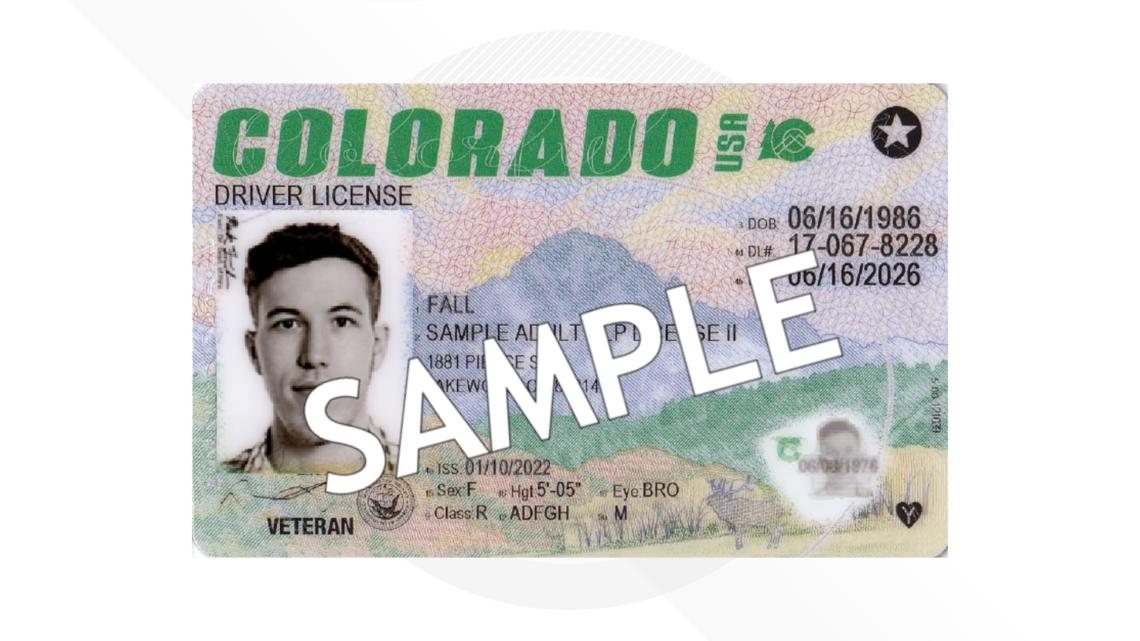
The question “Does Colorado Have REAL ID?” is a practical one, deeply intertwined with the ease and legality of travel. It touches upon the core of what makes trips to places like Grand Junction for its wineries or to Colorado Springs for its natural wonders seamless. Without the proper identification, those plans could face unexpected hurdles. This article will delve into the specifics of Colorado’s REAL ID compliance, guiding you through what you need to know to ensure your travels are as smooth as a powder day on Breckenridge slopes.
Understanding REAL ID and Its Implications for Colorado Residents
The REAL ID Act, a post-9/11 security measure, mandates that driver’s licenses and identification cards meet stricter standards for physical security features and the verification of personal information. States that comply with these standards issue cards that are accepted for specific federal purposes, including boarding federally regulated commercial aircraft and entering certain federal facilities.
The Transition to REAL ID in Colorado
For a period, Colorado, like many other states, operated under extensions and temporary measures regarding REAL ID compliance. However, the state has since made significant strides in aligning its identification documents with federal requirements. The Colorado Division of Motor Vehicles (DMV) has been instrumental in this process, working to ensure that residents can obtain compliant identification.
The primary goal for residents of Colorado is to understand which type of identification they currently possess and whether it meets the federal standard. This distinction is vital, especially as deadlines approach for the mandatory use of REAL ID for federal purposes. Failure to possess a REAL ID compliant card could mean needing an alternative form of identification, such as a passport, to board domestic flights or access secure federal buildings.
Why Does REAL ID Matter for Travel?
The impact of the REAL ID Act on travel cannot be overstated. As of May 7, 2025, a REAL ID compliant driver’s license or identification card, or another federally accepted form of identification such as a U.S. passport, will be required to board commercial aircraft domestically. This means that if you are planning a trip to visit the Mesa Verde National Park or to experience the vibrant nightlife of Denver, your identification will be a key component of your travel experience.
Beyond air travel, REAL ID compliant cards will also be required to enter certain federal facilities, including military bases and some courthouses. For residents of Colorado who might work in or frequently interact with these institutions, understanding the nuances of REAL ID is crucial for daily life as well as leisure.
The convenience of a compliant ID for everyday travel, from catching a flight out of Denver International Airport to visiting a national park, simplifies the process. Without it, individuals might find themselves fumbling for alternative documentation, potentially causing delays and added stress to their travel plans.
Obtaining a REAL ID in Colorado: What You Need to Know
For Colorado residents, the process of obtaining a REAL ID compliant driver’s license or identification card involves a visit to a Colorado DMV office and presenting specific documentation. The key to a smooth application is thorough preparation, ensuring you have all the necessary paperwork to prove your identity, lawful status, and residency.
Document Requirements for Colorado REAL ID

The Colorado DMV has outlined a clear set of documents required to apply for a REAL ID. These generally fall into three categories:
- Proof of Identity: This typically includes original or certified copies of documents such as a U.S. birth certificate, a U.S. passport, a foreign passport with a valid U.S. visa and I-94, or an original Certificate of Citizenship or Naturalization.
- Proof of Social Security Number: This can be a Social Security card, a W-2 form with your full Social Security number, or a pay stub showing your full Social Security number.
- Proof of Colorado Residency: You will need to present two documents that show your current Colorado address. Examples include utility bills (gas, electric, water), bank statements, mortgage statements, rental agreements, or vehicle registration.
It is crucial to check the official Colorado DMV website for the most up-to-date list of acceptable documents, as requirements can sometimes be updated. Missing even one required document can lead to a denied application, necessitating a return trip to the DMV. Planning ahead and gathering all your documents well in advance of your visit is highly recommended. This ensures that your journey towards obtaining a REAL ID is as efficient as possible.
The Application Process at the Colorado DMV
Once you have gathered all the necessary documentation, the next step is to visit a Colorado DMV office. Appointments are often recommended, especially at busier locations, to minimize wait times. Upon arrival, you will fill out an application form and present your documents to a licensing official.
The official will verify your documents, take your photograph, and collect your fingerprints. You will also need to pass a vision test. If you are applying for a driver’s license, you will need to pass the written and driving tests if required. For an identification card, only the vision test is typically required.
The application fee for a REAL ID is generally the same as for a standard driver’s license or identification card. Once your application is approved, your new REAL ID compliant card will be mailed to your address within a specified timeframe. It’s important to note that standard driver’s licenses and identification cards issued by Colorado will have a star symbol in the upper right corner if they are compliant with the REAL ID Act. If your current card does not have this marking, and you plan to travel by air domestically after the compliance date, you will need to apply for a REAL ID.
Colorado’s REAL ID: Ensuring Seamless Travel Experiences
The introduction and implementation of REAL ID in Colorado are designed to streamline the travel process for its residents and visitors alike. By adopting these federal standards, Colorado ensures that its identification documents are recognized nationwide for critical security functions, thus promoting a more secure and convenient travel environment.
Beyond Airports: Other Uses of REAL ID
While the most commonly cited reason for obtaining a REAL ID is for domestic air travel, its utility extends to other federal purposes. This includes:
- Accessing Federal Facilities: As mentioned, entering certain federal buildings, courthouses, and military bases will require a REAL ID compliant card. This is particularly relevant for individuals who work for the federal government or have frequent business with federal agencies.
- Nuclear Power Plant Access: Access to nuclear power plants also falls under the purview of the REAL ID Act, necessitating compliant identification.
For those who frequently travel or have business that intersects with federal regulations, a REAL ID compliant card offers a single, trusted form of identification that serves multiple purposes, reducing the need to carry additional documents like a passport for every interaction with federal entities.

Planning Your Colorado Adventures with REAL ID
Whether you’re planning a trip to explore the stunning landscapes of Rocky Mountain National Park, enjoy the vibrant arts scene in Denver, or indulge in a luxury resort stay in Vail, having a REAL ID compliant card will make your journey through federal checkpoints significantly smoother. It provides peace of mind, knowing that your identification meets national security standards and will be readily accepted for travel.
For instance, imagine you’re planning a family vacation, booking accommodation at a charming lodge near Aspen or a modern apartment in Boulder. The ease of passing through airport security with your REAL ID ensures that your precious vacation time is spent enjoying the experiences, rather than dealing with documentation issues. Similarly, if you are a business traveler frequently flying into Denver for meetings or staying at a business hotel like the Hyatt Regency Denver, a REAL ID simplifies your travel logistics.
The question “Does Colorado Have REAL ID?” is no longer a hypothetical one for residents; it’s a call to action. By understanding the requirements and proactively obtaining a compliant identification card, Colorado residents can ensure their continued ability to travel freely and access essential federal services, making all their adventures, from a weekend getaway to the Great Sand Dunes National Park to a longer stay exploring the diverse attractions of the state, as seamless as possible. The state’s commitment to REAL ID compliance is a testament to its dedication to both the security and convenience of its citizens and visitors.
LifeOutOfTheBox is a participant in the Amazon Services LLC Associates Program, an affiliate advertising program designed to provide a means for sites to earn advertising fees by advertising and linking to Amazon.com. Amazon, the Amazon logo, AmazonSupply, and the AmazonSupply logo are trademarks of Amazon.com, Inc. or its affiliates. As an Amazon Associate we earn affiliate commissions from qualifying purchases.