
While the title of this article might initially suggest a focus on specific medical procedures or state-issued identification for healthcare, the core inquiry, “How Do I Get A Medical Card In Colorado?”, often stems from a desire to access legally sanctioned cannabis for medicinal purposes. Colorado, a pioneering state in cannabis legalization, offers a regulated system for patients to obtain medical marijuana, providing relief for a variety of conditions. This guide delves into the process, requirements, and benefits of securing a medical marijuana card in the Centennial State, weaving in the broader context of travel, accommodation, and lifestyle experiences that might accompany such a journey.
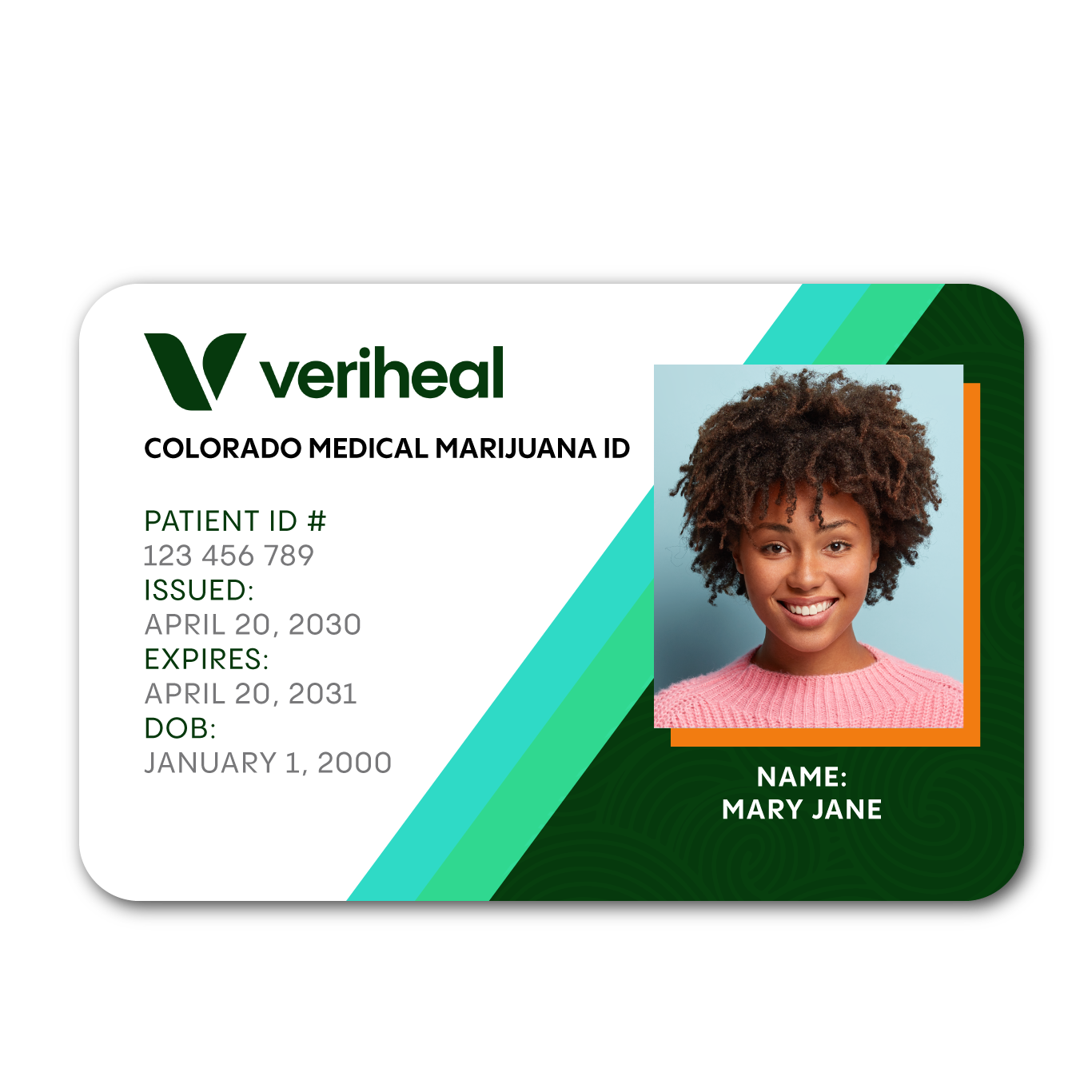
Understanding the landscape of cannabis access in Colorado involves more than just a simple application. It’s about navigating a regulated system that prioritizes patient well-being and responsible use. Whether you are a Colorado resident or planning a visit, knowing how to obtain a medical card can open doors to a wider range of products and potentially different purchasing regulations compared to recreational cannabis. This article will serve as your comprehensive guide, addressing the essential steps and considerations.
Understanding the Colorado Medical Marijuana Program
The Colorado Medical Marijuana Program (MMP) was established to provide registered patients with access to cannabis for therapeutic purposes. This program is distinct from the recreational cannabis market, offering specific benefits and regulations for cardholders. The primary goal is to ensure that individuals with qualifying medical conditions have a safe and legal avenue to obtain cannabis under the guidance of a healthcare professional.
Qualifying Conditions for a Medical Card
To be eligible for a medical marijuana card in Colorado, an individual must be diagnosed with a debilitating medical condition. The Colorado Department of Public Health and Environment (CDPHE) maintains a list of qualifying conditions, which includes, but is not limited to:
- Cancer: For patients undergoing treatment for various forms of cancer.
- Glaucoma: A condition affecting the optic nerve, often treated with cannabis to reduce intraocular pressure.
- Severe Pain: Chronic or severe pain that is not adequately managed by other treatments.
- Severe Nausea: Often associated with chemotherapy or other debilitating illnesses.
- Seizures: Including those associated with epilepsy and other neurological disorders.
- Muscle Spasms: Particularly those that are severe and debilitating.
- Cachexia (Wasting Syndrome): A condition characterized by loss of appetite and weight loss.
- Post-Traumatic Stress Disorder (PTSD): For individuals suffering from the effects of severe trauma.
- Opioid Dependence: As an alternative or complementary treatment for managing opioid addiction.
It is crucial to consult with a qualified physician to determine if your condition qualifies. The physician will assess your medical history and current health status to make a recommendation.
The Role of the Physician
The cornerstone of obtaining a medical marijuana card in Colorado is the recommendation from a physician. This is not a self-diagnosis process. You must have a bona fide physician-patient relationship with a licensed Colorado physician who is registered with the state’s Medical Marijuana Physician Registry. This physician will:
- Evaluate Your Condition: They will conduct a thorough examination and review your medical records to confirm that you have a qualifying condition.
- Discuss Treatment Options: They will discuss the potential benefits and risks of medical marijuana as a treatment option for your specific condition.
- Provide a Recommendation: If they deem medical marijuana appropriate, they will issue a written recommendation, which is a critical document for your application.
This physician visit is a crucial step, and it’s recommended to gather all relevant medical documentation beforehand to present to your doctor.
The Application Process: Step-by-Step
Once you have a physician’s recommendation, the process of applying for your medical marijuana card involves several straightforward steps. These steps are designed to ensure that only eligible individuals receive a card.
Step 1: Obtain a Physician’s Recommendation
As detailed above, this is the initial and most vital step. Ensure your physician is registered with the state and that their recommendation clearly states you have a qualifying condition for medical marijuana.
Step 2: Register with the Colorado Department of Public Health and Environment (CDPHE)
After receiving your physician’s recommendation, you will need to register with the CDPHE. This is an online process. You will be required to create an account and submit the following:
- Physician’s Recommendation Form: This is the document provided by your doctor.
- Proof of Colorado Residency: Acceptable documents include a valid Colorado driver’s license, Colorado identification card, or utility bills in your name and address. For minors, additional parental or guardian documentation will be required.
- Proof of Identity: A valid government-issued photo ID, such as a driver’s license or passport.
- Application Fee: There is a fee associated with the application, which is subject to change.
Step 3: Patient Registry and Card Issuance
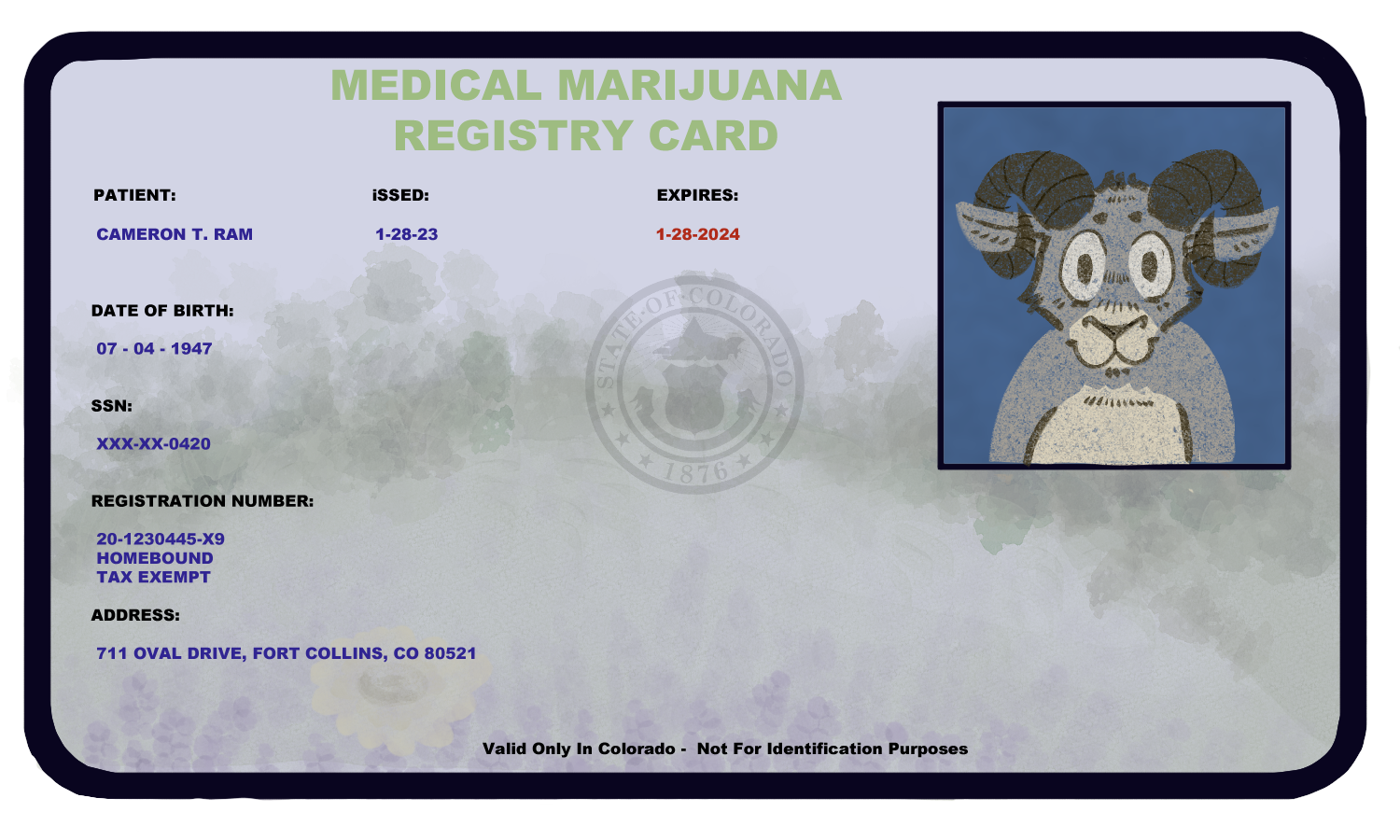
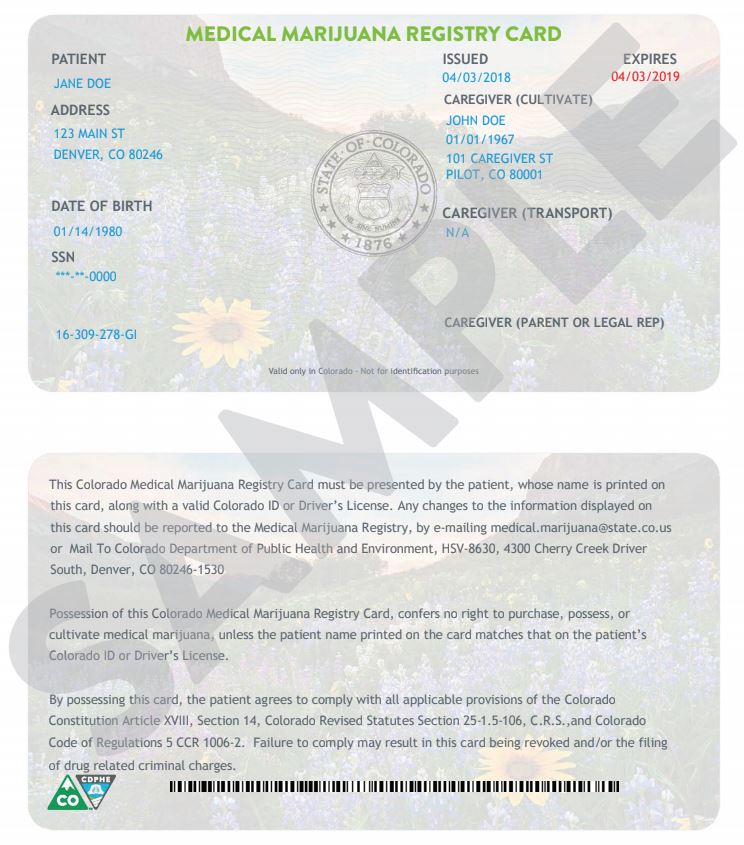
Once your application is submitted and approved, your information will be entered into the confidential Colorado Medical Marijuana Registry. You will then receive your official Colorado Medical Marijuana Registry Identification Card. This card serves as your proof of registration and allows you to purchase medical marijuana from licensed dispensaries.
Important Considerations for Application:
- Age Restrictions: Patients must be 18 years or older to apply for their own card. Minors with qualifying conditions can obtain a medical marijuana card with the consent and application of a parent or legal guardian.
- Confidentiality: The CDPHE maintains strict confidentiality regarding patient information. Your medical records and registration status are protected.
- Renewal: Medical marijuana cards are typically valid for one year and must be renewed annually. The renewal process is similar to the initial application.
Benefits of Having a Medical Card in Colorado
Holding a Colorado medical marijuana card offers several advantages over purchasing cannabis recreationally. These benefits are designed to provide registered patients with a more tailored and potentially cost-effective access to cannabis for their therapeutic needs.
Access to Higher Potency Products
Medical dispensaries often carry a wider selection of products, including those with higher concentrations of THC or CBD. This allows patients to find the specific cannabinoid profiles that best address their medical conditions. For example, someone dealing with severe chronic pain might benefit from products with higher THC levels, while another patient seeking anxiety relief might prefer a high-CBD option.
Potentially Lower Taxes
In many cases, medical marijuana purchases are subject to lower taxes compared to recreational cannabis. This can lead to significant cost savings for patients who rely on cannabis for ongoing treatment. While tax rates can vary, the difference can be a key factor for individuals managing a chronic illness on a budget.
Greater Product Variety and Dosing Control
Medical dispensaries are geared towards providing precise dosing and a broad spectrum of product types. This includes tinctures, capsules, edibles, and concentrates, all designed to offer specific delivery methods and predictable effects. This variety allows patients to experiment with different forms and find what works best for their lifestyle and symptom management.
Legal Protections
A medical marijuana card provides legal protection within the state of Colorado for the possession and use of cannabis within prescribed limits. This is particularly important for patients who may be facing legal scrutiny for their use of medical marijuana.
Traveling with Medical Cannabis in Colorado
While possessing a medical card in Colorado grants certain rights within the state, it is crucial to understand that federal law still classifies cannabis as illegal. Therefore, traveling with medical cannabis outside of Colorado is prohibited. Even crossing state lines into a neighboring state where cannabis is legal can lead to serious legal consequences. When traveling within Colorado, always adhere to the state’s possession limits and consume cannabis responsibly and in designated areas. If you are planning a trip and staying at accommodations like the Ritz-Carlton Bachelor Gulch or exploring attractions like Rocky Mountain National Park, be mindful of local regulations and always consume cannabis discreetly and legally.
Exploring Colorado with Your Medical Card
Having a medical card can enhance your experience of exploring the diverse offerings of Colorado. Whether you’re seeking relaxation after a day of hiking near Aspen or looking for relief during a longer stay in a city like Denver, understanding how to responsibly access your medication is key. Consider booking a comfortable suite at a hotel like the Four Seasons Hotel Denver or a private villa in a mountain town to ensure a relaxing and therapeutic experience. The rich local culture, from the culinary scene to the historical landmarks, can be enjoyed with the added comfort of knowing you have access to your prescribed medical treatment. Remember to always prioritize safety, responsible consumption, and adherence to all state and local laws.
LifeOutOfTheBox is a participant in the Amazon Services LLC Associates Program, an affiliate advertising program designed to provide a means for sites to earn advertising fees by advertising and linking to Amazon.com. Amazon, the Amazon logo, AmazonSupply, and the AmazonSupply logo are trademarks of Amazon.com, Inc. or its affiliates. As an Amazon Associate we earn affiliate commissions from qualifying purchases.