
Embarking on a journey to the picturesque state of Colorado requires a bit of planning, and one of the primary questions on any traveler’s mind is: “How far is Colorado from my location by plane?” This seemingly simple query unlocks a world of considerations, from flight durations and potential layovers to the overall travel experience. Whether you’re dreaming of soaring peaks, vibrant cityscapes, or the thrill of outdoor adventures, understanding the flight distance is the first step in bringing your Colorado escapade to life. This article aims to demystify the journey, providing insights into flight times, factors influencing them, and what to expect when you finally touch down in the Centennial State.

Understanding Flight Distances and Times to Colorado
The distance to Colorado from your current location by plane is a fundamental piece of information that dictates your travel time. This distance is, of course, not a fixed number but varies significantly depending on your starting point. For instance, a resident of California will have a considerably shorter flight to Denver than someone residing in New York City. Similarly, an international traveler from London will face a much longer journey, likely involving at least one layover, compared to a domestic traveler.
Factors Influencing Flight Time
Several key elements contribute to the total flight time from your location to Colorado:
Direct Flights vs. Flights with Layovers
The most significant factor impacting travel time is whether your journey involves a direct flight or requires one or more layovers. Direct flights are the most efficient, allowing you to reach your destination with minimal interruption. However, they are not always available for every origin city. If a direct flight isn’t an option, you’ll need to factor in the time spent on the ground at the layover airport. These layovers can range from a quick hour to several hours, depending on the airline, the connecting city, and your chosen flight schedule. For example, a flight from a smaller city might necessitate a layover in a major hub like Chicago O’Hare International Airport or Dallas/Fort Worth International Airport before continuing to Denver International Airport.
Altitude and Air Speed
While the physical distance over the ground is constant, air travel is influenced by various atmospheric conditions. Cruising speed of the aircraft is a primary determinant of flight duration. Modern commercial jets typically cruise at speeds of around 500-600 miles per hour. However, headwinds and tailwinds can significantly affect the actual ground speed. A strong headwind can increase flight time, while a tailwind can shorten it. Furthermore, the altitude at which the plane flies also plays a role, though this is more about efficiency and avoiding weather than directly impacting the distance calculation for a typical passenger.
Weather Conditions
Inclement weather can cause significant delays, both on the ground and in the air. Severe thunderstorms, snowstorms, or fog can lead to flight cancellations, diversions, or extended taxi times. While airlines strive to maintain their schedules, safety is paramount, and flights will be rerouted or delayed to ensure the well-being of passengers and crew. For a destination like Colorado, known for its mountains, winter weather can be a more significant factor, particularly if you’re flying into smaller regional airports like Aspen/Pitkin County Airport or Eagle County Regional Airport, which may have stricter weather-related operating limits.
Air Traffic Control and Flight Path
Air traffic control plays a crucial role in managing the flow of aircraft in the sky. Flight paths are meticulously planned to ensure separation between aircraft and to optimize routes. Congested airspace, especially around major hubs, can lead to holding patterns, which are circles flown by the aircraft while awaiting clearance to land. These holding patterns, though usually brief, can add to the overall flight time. The specific flight path chosen by the airline, influenced by air traffic control and operational considerations, will also contribute to the total mileage flown, and thus, the duration.
Estimating Your Flight Time to Colorado
To provide a more concrete answer to “How far is Colorado from my location by plane?”, let’s break down estimated flight times from various regions. These are approximate figures and can vary based on the specific airline, aircraft type, and current air traffic conditions.
Domestic Travel to Colorado
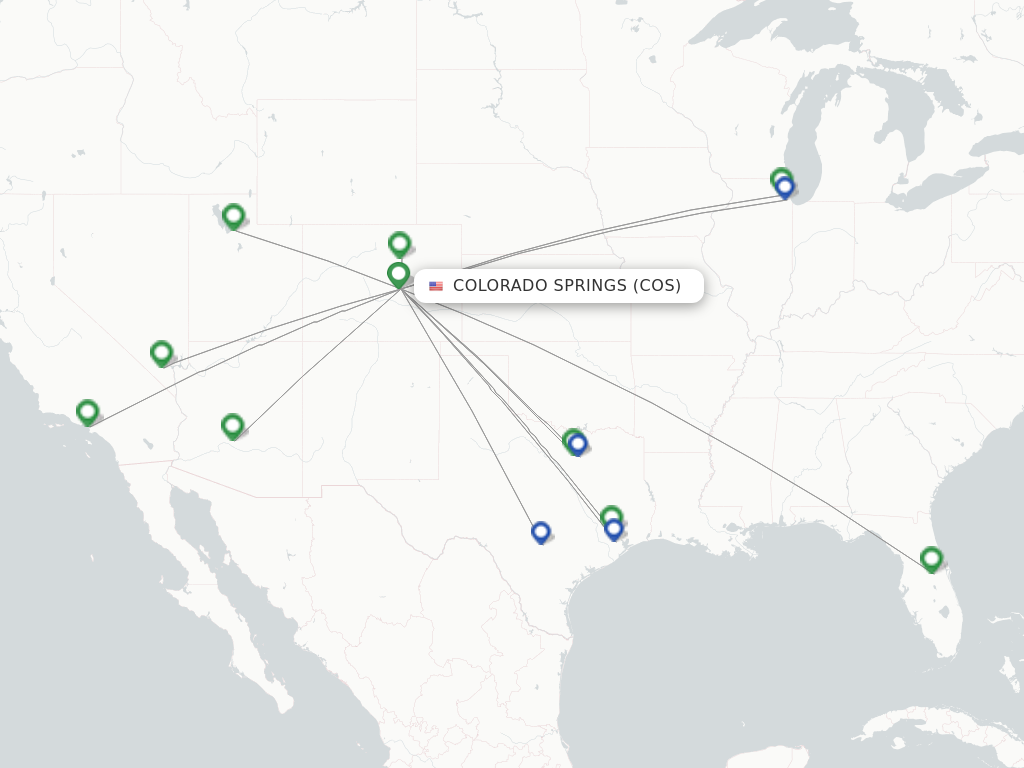
For travelers within the contiguous United States, the flight duration to Colorado is generally manageable.
- West Coast (e.g., Los Angeles, San Francisco, Seattle): Flights from major West Coast cities to Denver typically range from 2.5 to 3.5 hours. These are often direct flights, making them a popular choice for a quick getaway.
- Midwest (e.g., Chicago, Minneapolis, Dallas): From the Midwest, flight times to Colorado are usually between 2 to 3 hours. Cities like Denver are relatively central, making them accessible from many Midwestern hubs.
- East Coast (e.g., New York, Boston, Miami): Travelers from the East Coast will experience longer flight times, generally between 4 to 5.5 hours for direct flights to Denver. If layovers are involved, the total travel time can easily extend to 6-9 hours or more.
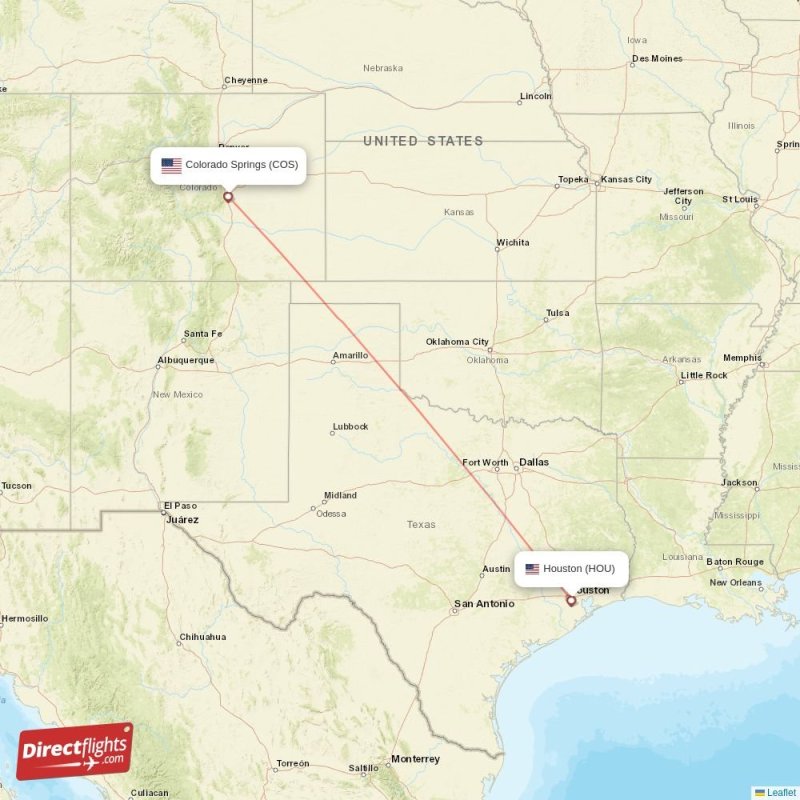
- South (e.g., Houston, Atlanta, New Orleans): Flight durations from the Southern United States to Colorado typically fall between 2.5 to 4 hours, depending on the specific city and whether the flight is direct.
International Travel to Colorado
For international travelers, the journey to Colorado will be significantly longer and will almost always involve at least one layover.
- Europe (e.g., London, Paris, Frankfurt): Flights from major European cities to Denver usually involve a stopover in a major US gateway city. The total travel time, including a layover of 1-3 hours, can range from 10 to 15 hours. Some routes might be even longer depending on the efficiency of the connection.
- Asia (e.g., Tokyo, Beijing, Seoul): Traveling from Asia to Colorado is a substantial journey. Direct flights are extremely rare, and layovers are a certainty. You can expect total travel times of 15-25 hours or more, depending on the layover city and duration.
- South America (e.g., São Paulo, Buenos Aires, Mexico City): Flights from South America to Colorado often require a layover, frequently in a gateway city like Miami or Mexico City. Total travel times can range from 8 to 14 hours.
- Australia and New Zealand: This represents one of the longest possible journeys. Expect total travel times of 20-30 hours, including at least one, and often two, significant layovers.
Planning Your Colorado Trip: Beyond the Flight Time
Understanding the flight distance is crucial, but a successful trip involves more than just knowing how long you’ll be in the air. Your choice of destination within Colorado, the type of accommodation you prefer, and the experiences you seek will all influence your travel plans.
Choosing Your Colorado Destination
Colorado offers a diverse range of attractions, from bustling cities to serene mountain towns. The specific airport you fly into will depend on your intended destination.
- Denver: As the capital and most populous city, Denver is the primary gateway to Colorado. Denver International Airport (DEN) serves as a major hub for airlines like United Airlines and Southwest Airlines. From Denver, you can easily explore attractions like the Denver Art Museum, the historic Larimer Square, and enjoy the city’s vibrant culinary scene.
- Aspen/Snowmass: For world-class skiing and a luxurious mountain experience, Aspen/Snowmass is a prime choice. You can fly into Aspen/Pitkin County Airport (ASE), though it’s a smaller airport and can be subject to weather delays. Alternatively, many travelers fly into Denver and then take a scenic shuttle or another short flight to Aspen.
- Vail/Beaver Creek: Similar to Aspen, these renowned ski resorts offer unparalleled winter sports and upscale lodging. The most convenient airport is Eagle County Regional Airport (EGE), located about 30-45 minutes away. Again, Denver is a common alternative, with shuttle services available.
- Colorado Springs: Home to the iconic Garden of the Gods and Pikes Peak, Colorado Springs has its own airport, Colorado Springs Airport (COS), offering domestic flights.
- Grand Junction: Situated on the western slope, Grand Junction is the gateway to Colorado National Monument and offers a more arid landscape. Grand Junction Regional Airport (GJT) serves this area.
Accommodation and Experiences in Colorado
Once you’ve determined your destination, the next step is to consider your accommodation and the activities you wish to pursue. Colorado offers a spectrum of lodging options, from budget-friendly hotels to opulent resorts, catering to every travel style.
Hotels and Resorts
- Luxury Stays: For those seeking a luxurious experience, Colorado boasts numerous high-end hotels and resorts. In Denver, consider options like the Brown Palace Hotel and Spa or The Crawford Hotel. Mountain towns like Aspen and Vail offer world-renowned properties such as The Ritz-Carlton, Aspen or The Four Seasons Resort Vail. These establishments often provide amenities like spas, fine dining, and ski-in/ski-out access.
- Boutique Hotels: If you prefer a more intimate and unique stay, explore Colorado’s charming boutique hotels. Many can be found in historic downtown areas or nestled in mountain villages, offering personalized service and local character.
- Vacation Rentals and Apartments: For longer stays or for families and groups, renting an apartment or a villa can be an excellent option, offering more space and the convenience of a kitchen. Websites like Airbnb and Vrbo are popular platforms for finding these types of accommodations.
- Budget-Friendly Options: Colorado also caters to budget travelers with a range of motels, inns, and hostels. Planning in advance, especially during peak seasons, is key to securing affordable lodging.
Embracing Colorado’s Lifestyle and Activities
Colorado is synonymous with outdoor adventure and a vibrant lifestyle. Your chosen activities will heavily influence the time of year you visit and the part of the state you explore.
- Outdoor Adventures: Skiing and snowboarding are paramount in the winter months, with resorts like Breckenridge Ski Resort and Winter Park Resort drawing crowds from around the globe. Summer transforms the landscape into a hiker’s paradise, with trails ranging from gentle strolls in the foothills to challenging climbs in the Rocky Mountains. Activities like mountain biking, whitewater rafting on the Colorado River, rock climbing, and fishing are also immensely popular.
- Cultural Experiences: Beyond the natural beauty, Colorado offers rich cultural experiences. Explore the art galleries and culinary scene in Denver, visit historic mining towns like Telluride and Crested Butte, or delve into the state’s history at museums and cultural centers. The Mesa Verde National Park, a UNESCO World Heritage site, offers a glimpse into the ancient Pueblo people.
- Food and Drink: Colorado’s food scene is diverse, with farm-to-table restaurants, craft breweries, and distilleries offering local flavors. Don’t miss trying Rocky Mountain Oysters (if you’re adventurous!) or enjoying fresh trout from the mountain streams.
In conclusion, the question “How far is Colorado from my location by plane?” is the starting point for an exciting journey. By understanding the factors that influence flight times and by considering your specific travel preferences, you can effectively plan your adventure to this magnificent state, ensuring a seamless and memorable experience from take-off to touchdown and beyond.
LifeOutOfTheBox is a participant in the Amazon Services LLC Associates Program, an affiliate advertising program designed to provide a means for sites to earn advertising fees by advertising and linking to Amazon.com. Amazon, the Amazon logo, AmazonSupply, and the AmazonSupply logo are trademarks of Amazon.com, Inc. or its affiliates. As an Amazon Associate we earn affiliate commissions from qualifying purchases.