
Colorado, a state renowned for its breathtaking natural beauty, from the majestic peaks of the Rocky Mountains to the vibrant urban hubs, beckons many with its promise of outdoor adventures and a high quality of life. However, before packing your bags and heading west, understanding the financial realities of living in the Centennial State is crucial. The cost of living in Colorado can vary significantly depending on where you choose to settle, your lifestyle preferences, and your spending habits. This comprehensive guide delves into the various factors that contribute to the overall expense of making Colorado your home, drawing insights from its diverse landscapes and popular destinations.
The allure of Colorado extends beyond its iconic scenery; it’s a state that offers a dynamic blend of outdoor recreation, burgeoning tech industries, and a generally active lifestyle. Whether you’re drawn to the rugged wilderness for hiking and skiing, or the urban centers for cultural experiences and career opportunities, the cost of entry and ongoing expenses are important considerations. This article will break down the key components of the cost of living, providing a clearer picture for potential residents and visitors contemplating a long-term stay.
Understanding the Core Expenses: Housing, Transportation, and Daily Living
Housing: The Biggest Financial Factor
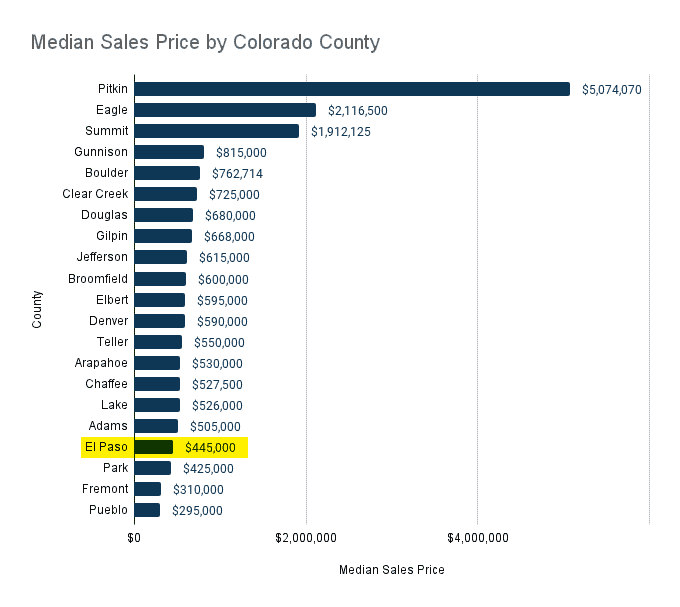
The most significant determinant of your cost of living in Colorado will undoubtedly be housing. The state has experienced substantial growth over the past decade, leading to increased demand and, consequently, higher housing prices, particularly in popular metropolitan areas.
Major Cities vs. Rural Areas
-
Denver Metropolitan Area: Cities like Denver, Boulder, and Fort Collins consistently rank among the most expensive places to live in Colorado. In Denver, the median home price can easily exceed $500,000, with rent for a one-bedroom apartment often ranging from $1,500 to $2,000 per month. Boulder is notoriously one of the priciest cities in the nation, with housing costs significantly above the national average. This premium is often attributed to its proximity to the mountains, a strong job market, and a highly educated population.
-
Colorado Springs: While still experiencing rising costs, Colorado Springs generally offers a more affordable housing market compared to Denver. Median home prices might be in the $400,000 range, with rents for a one-bedroom typically falling between $1,200 and $1,700.
-
Mountain Towns: Popular mountain resort towns such as Aspen, Vail, and Breckenridge are exceptionally expensive, driven by tourism and the demand for vacation homes. Here, housing costs can skyrocket, with luxury properties commanding millions of dollars. Even for rentals, expect prices significantly higher than in urban centers.
-
Rural and Smaller Towns: For those seeking a more budget-friendly lifestyle, smaller towns and rural areas in Colorado offer a stark contrast. Locations further from major employment hubs and tourist attractions can have significantly lower housing costs. For instance, you might find median home prices in the $200,000 to $300,000 range and one-bedroom rents closer to $800 to $1,200. However, it’s important to consider that job opportunities and access to amenities might be more limited in these areas.
Renting vs. Buying
The decision to rent or buy will also impact your monthly expenses. While buying a home can build equity over time, the initial down payment, mortgage payments, property taxes, and homeowner’s insurance can be substantial. Renting offers more flexibility and predictable monthly costs, but you won’t build equity. When comparing rental prices, consider the type of accommodation – from basic apartments to luxury suites or furnished apartments for short-term stays.
Transportation: Navigating the State
Colorado‘s diverse geography means transportation can be a significant expense, especially if you plan to explore the state’s many natural wonders.
-
Vehicle Ownership: Owning a car is almost a necessity in many parts of Colorado, particularly outside the core urban areas. This includes the cost of the vehicle itself, insurance, fuel, maintenance, and registration. Given the mountainous terrain and potential for snow, all-wheel drive or four-wheel drive vehicles are often recommended, which can add to the purchase price and insurance premiums.
-
Public Transportation: Major cities like Denver offer a developing public transportation system, including light rail and bus services. While convenient for commuting within the city, it may not be sufficient for extensive travel throughout the state. Denver International Airport is a major hub, and getting to and from it via public transit is an option, but for exploring national parks like Rocky Mountain National Park or ski resorts, a personal vehicle is often essential.
-
Fuel Costs: Colorado‘s gas prices can fluctuate, but they are generally in line with or slightly above the national average. The distance between towns and attractions can mean frequent refueling, adding to your monthly budget.
Daily Living Expenses: Food, Utilities, and Entertainment
Beyond housing and transportation, everyday expenses contribute to the overall cost of living.
- Groceries: Grocery prices in Colorado are generally comparable to the national average, though they can be slightly higher in more remote areas or in expensive cities like Boulder. A monthly grocery bill for a single person might range from $300 to $500, depending on dietary choices and shopping habits.

-
Utilities: Utility costs, including electricity, gas, water, and internet, will vary based on your location, the size of your dwelling, and your usage. Colorado experiences distinct seasons, with cold winters requiring significant heating and warm summers requiring air conditioning, impacting energy bills. Expect monthly utility bills to range from $150 to $300 or more.
-
Healthcare: Healthcare costs are a factor in every state, and Colorado is no exception. Premiums for health insurance can vary widely depending on your plan, employer, and individual circumstances. Medical expenses, co-pays, and prescriptions will add to your budget.
-
Entertainment and Recreation: Colorado offers abundant opportunities for entertainment and recreation, from exploring its many Landmarks and natural attractions to enjoying the vibrant nightlife and cultural scene in its cities. The cost of these activities can range from free (hiking in state parks) to quite expensive (ski lift tickets, fine dining, attending major events). A budget for leisure activities, whether it’s visiting attractions like the Garden of the Gods or enjoying the culinary scene in Denver, should be factored in.
Lifestyle Considerations: Luxury vs. Budget Travel and Long-Term Stays
The lifestyle you adopt in Colorado will significantly influence your expenses. Whether you envision yourself embracing Luxury Travel with stays at upscale resorts, or prioritizing Budget Travel with affordable accommodations and outdoor adventures, your choices will dictate your financial outlay.
Embracing Luxury in Colorado
For those who prefer a more opulent lifestyle, Colorado offers a plethora of high-end options.
-
Luxury Hotels and Resorts: Cities like Aspen and Vail are home to world-class luxury hotels and resorts, such as The Little Nell or The Ritz-Carlton Bachelor Gulch, offering premium amenities and services. Even in Denver, establishments like The Broadmoor provide a taste of luxury. These accommodations come with a premium price tag, with suites and premium rooms costing hundreds, if not thousands, of dollars per night.
-
Fine Dining and Exclusive Experiences: Colorado boasts a thriving culinary scene with numerous Michelin-starred restaurants and upscale dining establishments, particularly in Denver and Boulder. Beyond dining, exclusive experiences such as private ski lessons, hot air balloon rides over the Rockies, or guided fly-fishing trips can add considerable cost to your leisure budget.
-
High-End Shopping and Services: If your lifestyle includes luxury shopping or premium services, factor in expenses for designer boutiques, spas, and other high-end offerings available in the state’s major urban and resort areas.
Budget-Conscious Living and Travel
Conversely, Colorado is incredibly accessible for those on a tighter budget, especially if you prioritize its natural beauty.
-
Budget Accommodation Options: The state offers a range of budget-friendly accommodation. This includes numerous campgrounds for Family Trips, hostels in larger cities, budget hotels, and vacation rentals booked in advance. For longer stays, consider looking at apartments for rent outside the prime city centers or exploring smaller towns. Platforms for booking accommodation often allow for comparison of prices across various options.
-
Affordable Activities and Outdoor Pursuits: The true heart of Colorado for many is its incredible natural landscape. Hiking, camping, fishing, and exploring national and state parks are often free or require only nominal entrance fees. Many trails in areas like Rocky Mountain National Park or around Aspen are accessible without charge, providing endless opportunities for outdoor enjoyment. Packing your own meals and snacks for day trips can significantly reduce food costs.
-
Local Culture and Free Attractions: Many cities in Colorado offer free or low-cost cultural attractions. This can include exploring local farmers’ markets, visiting free museums on certain days, enjoying public art installations, or attending community events. Immersing yourself in local culture doesn’t always require a significant financial investment.
Long-Term Stay Considerations
Whether you are planning a temporary relocation or considering a permanent move, understanding the nuances of a long-term stay in Colorado is essential.
-
Cost of Living Comparisons: When assessing the cost of living for a long-term stay, it’s beneficial to use online tools that provide comparative data for different cities and states. These tools can help you compare expenses like rent, utilities, and groceries between your current location and potential Colorado destinations.
-
Job Market and Income: Your ability to afford living in Colorado will heavily depend on your income. The state has a strong job market, particularly in technology, aerospace, and outdoor recreation. However, salaries can vary widely by industry and location. Researching the average salaries for your profession in your desired Colorado city is a crucial step.
-
Seasonal Considerations: Colorado experiences distinct seasons, each with its own cost implications. Winter can lead to higher heating bills and increased costs for winter sports. Summer might see higher energy costs for cooling and increased prices for some tourist-driven activities. Planning your budget to account for these seasonal variations is wise.
In conclusion, the cost of living in Colorado is a multifaceted issue. While popular cities and resort towns can be quite expensive, particularly concerning housing, the state also offers more affordable options for those willing to explore beyond the obvious. By carefully considering your housing preferences, transportation needs, lifestyle choices, and the specific areas you are interested in, you can gain a realistic understanding of the financial commitment involved in making the beautiful state of Colorado your home. Whether you are planning a short trip to explore its Landmarks and attractions or contemplating a more permanent residency, thorough research and planning will ensure a smoother and more enjoyable experience.
LifeOutOfTheBox is a participant in the Amazon Services LLC Associates Program, an affiliate advertising program designed to provide a means for sites to earn advertising fees by advertising and linking to Amazon.com. Amazon, the Amazon logo, AmazonSupply, and the AmazonSupply logo are trademarks of Amazon.com, Inc. or its affiliates. As an Amazon Associate we earn affiliate commissions from qualifying purchases.