
Navigating the legal complexities of divorce can feel like traversing an uncharted territory, often accompanied by the daunting prospect of significant financial expenditure. However, for residents of Colorado, the idea of pursuing a divorce without incurring substantial legal fees is not an abstract notion but a tangible possibility. This guide aims to demystify the process, revealing how to file for divorce in Colorado for free, or at a significantly reduced cost, by leveraging available resources and understanding the procedural landscape. While the term “free” might conjure images of magic solutions, it is essential to approach this with realistic expectations. “Free” divorce in Colorado primarily refers to minimizing or eliminating attorney fees and court costs by utilizing self-help services and understanding waiver options for filing fees.

Understanding the Landscape of No-Cost Divorce in Colorado
The concept of a “free” divorce in Colorado hinges on a few key pillars: the ability to represent yourself (pro se), the availability of free legal aid and court assistance programs, and the potential for fee waivers. It’s crucial to understand that while the legal framework exists to facilitate this, it requires significant personal effort, meticulous attention to detail, and a clear understanding of Colorado‘s divorce laws and procedures. The journey is less about a complete absence of cost and more about strategically avoiding the most significant expense: attorney fees.
Eligibility and Prerequisites for Pro Se Divorce
Before embarking on the path of a self-represented divorce, it’s vital to assess your eligibility and ensure you meet the fundamental requirements. Colorado has residency requirements that must be satisfied before a divorce can be filed. At least one spouse must have resided in the state for at least 90 days immediately preceding the filing of the divorce petition. Furthermore, Colorado is a “no-fault” divorce state, meaning you do not need to prove wrongdoing on the part of your spouse. The grounds for divorce are simply the irretrievable breakdown of the marriage.
No-Fault Divorce and Residency Requirements
The “no-fault” aspect simplifies the grounds for divorce considerably. You don’t need to delve into accusations or blame; the assertion that the marriage is irrevocably broken is sufficient. This significantly reduces the emotional and evidentiary burden often associated with divorce proceedings. The residency requirement ensures that the court has jurisdiction over the matter. If you or your spouse has recently moved to Colorado, you must meet the 90-day residency threshold. This applies to the county in which you file as well, though state residency is the primary concern.
The Role of Mediation and Alternative Dispute Resolution
While not strictly a “free” component, exploring mediation can significantly reduce legal costs by avoiding lengthy court battles. Many courts in Colorado encourage or even mandate mediation for certain aspects of divorce, particularly concerning child custody and financial settlements. A mediator, a neutral third party, helps facilitate discussions and agreements between spouses. While mediators typically charge a fee, their services are often far more cost-effective than protracted litigation. For those with limited financial means, some organizations may offer low-cost or pro bono mediation services. This step, though potentially incurring a fee, is a strategic move towards a more amicable and less expensive resolution.
Accessing Free Legal Resources and Court Assistance
The cornerstone of a “free” divorce in Colorado lies in the abundance of resources designed to assist individuals who cannot afford legal representation. These resources are invaluable for self-represented litigants, providing guidance, forms, and sometimes even limited legal advice.
Colorado Judicial Branch Self-Help Centers
The Colorado Judicial Branch offers extensive self-help services through its Self-Help Centers located in many courthouses across the state. These centers are staffed by trained professionals who can provide procedural information, help you understand court forms, and guide you through the filing process. They are not attorneys and therefore cannot provide legal advice, but they can explain how to fill out the necessary paperwork correctly and what steps to take. Accessing these centers is generally free of charge. You can find information about your local center on the Colorado Judicial Branch website.
Legal Aid Societies and Pro Bono Services
For individuals meeting specific income guidelines, legal aid societies throughout Colorado offer free or low-cost legal representation. These organizations are dedicated to providing access to justice for those who cannot afford private attorneys. Eligibility criteria vary, so it’s essential to contact your local legal aid society to determine if you qualify. Additionally, many bar associations offer pro bono programs where private attorneys volunteer their time to represent low-income individuals for free. This can be an excellent avenue for obtaining full legal representation without direct financial cost, though availability can be limited.
Online Resources and Court Forms
The Colorado Judicial Branch website is a treasure trove of information for self-represented litigants. It provides downloadable court forms, instructions, and links to relevant statutes and rules. Utilizing these official forms ensures that your paperwork meets the court’s requirements, a crucial step in avoiding delays and rejections. While navigating these forms can be complex, the self-help centers and online guides are designed to assist you.
Navigating Court Fees and Fee Waivers
While the aim is to file for divorce for free, court filing fees are a reality. However, Colorado law allows for fee waivers for individuals who demonstrate financial hardship. This means that if you cannot afford to pay the required court fees, you can petition the court to waive them.
Petitioning for a Fee Waiver
To request a fee waiver, you will need to complete a specific form, typically called a “Motion to Waive Filing Fees” or similar. This form requires you to provide detailed information about your income, expenses, and assets to demonstrate your inability to pay. You will likely need to attach supporting documentation, such as pay stubs, bank statements, and bills. If the court grants your request, you will not be required to pay the filing fees, effectively making that part of the divorce process free. It’s crucial to be honest and accurate when completing the fee waiver application.
Understanding Court Costs Beyond Filing Fees
It’s important to note that while filing fees can often be waived, there might be other incidental costs associated with divorce. These could include the cost of serving legal documents on your spouse (if they do not agree to accept service), obtaining certified copies of court orders, or potential fees for mandatory parenting classes in cases involving children. However, in many instances, even these costs can be minimized or waived through specific court orders or by utilizing free services for document service.
The Divorce Process: Step-by-Step for Pro Se Litigants
Filing for divorce yourself in Colorado involves a series of precise steps. Each step requires careful attention to detail and adherence to court procedures.
Initiating the Divorce: Filing the Petition
The divorce process begins with filing a “Petition for Dissolution of Marriage” with the appropriate court. This document outlines basic information about you, your spouse, the marriage, and your children, if any. You will also need to file a “Summons,” which formally notifies your spouse that a divorce action has been filed against them.
Required Forms and Information
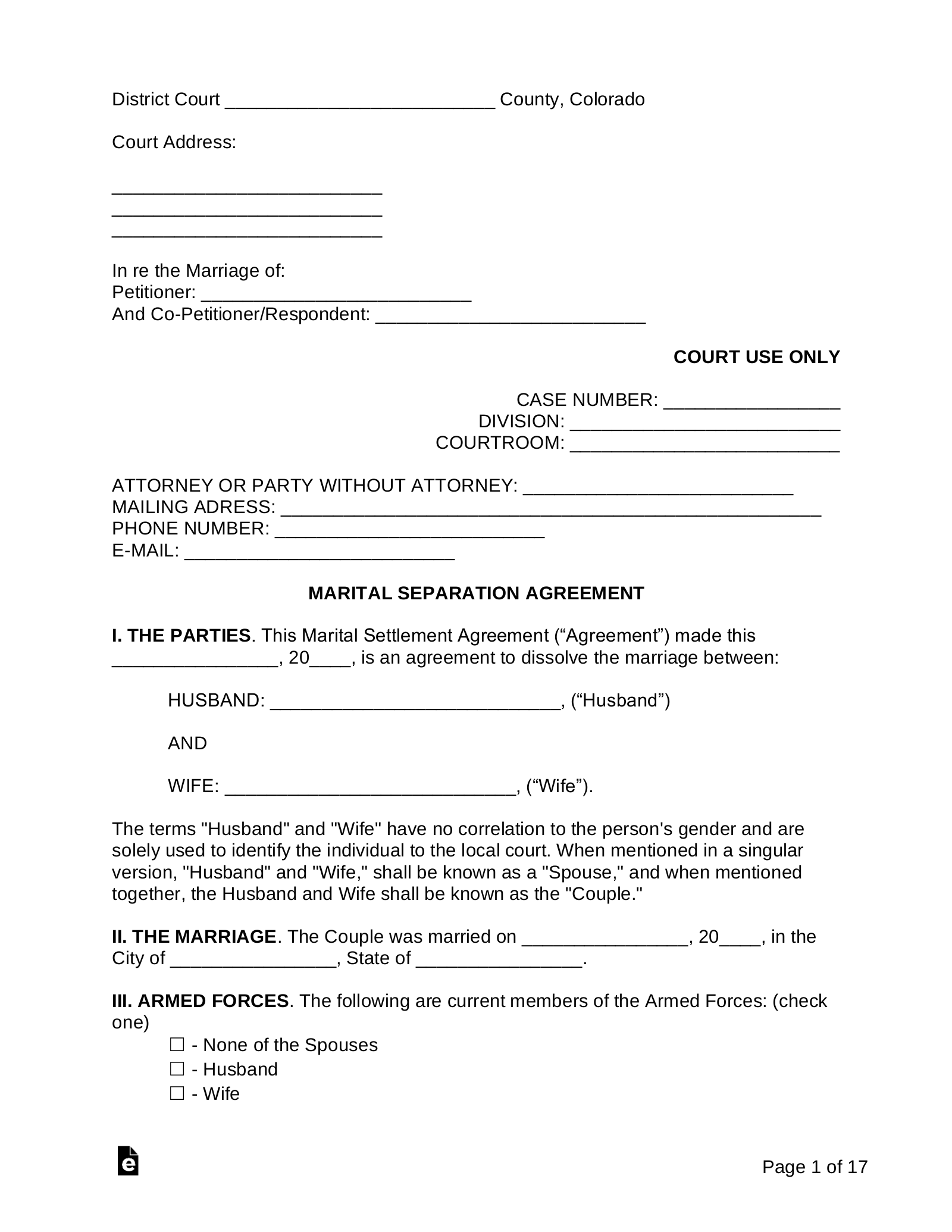
The specific forms required can vary slightly depending on your circumstances (e.g., whether you have children). Common forms include the Petition, Summons, and a “Separation Agreement” if you and your spouse have already agreed on all terms, or a “Permanent Orders” document if you are seeking court intervention to decide these matters. You can find these forms on the Colorado Judicial Branch website or at your local courthouse’s Self-Help Center. You will need to provide information such as your names, addresses, dates of marriage and separation, details about any children (names, dates of birth), and a statement regarding the grounds for divorce (irretrievable breakdown).
Serving Your Spouse
After filing the initial documents, you must legally “serve” your spouse with a copy of the divorce petition and summons. This is a critical legal step. If your spouse is cooperative, they can sign a “Waiver of Service,” which can eliminate the need for formal service by a third party. If they are not cooperative, you will need to have a sheriff or a private process server deliver the documents to them. This service incurs a fee, but if you have a fee waiver for filing costs, you may be able to request a waiver for service costs as well.
Reaching Agreements: Separation Agreements and Permanent Orders
In Colorado, the divorce process can be significantly simplified if you and your spouse can reach an agreement on all issues related to the dissolution of your marriage. This includes child custody, child support, spousal support (alimony), and the division of marital property and debts.
The Importance of a Separation Agreement
A “Separation Agreement” is a legally binding contract that outlines the terms of your divorce. If you and your spouse can negotiate and agree on all these issues, you can present a signed Separation Agreement to the court for approval. This is often the fastest and least expensive way to finalize a divorce. The Self-Help Centers can provide you with sample Separation Agreements, and while they cannot draft one for you, they can help you understand the required components.
Contested vs. Uncontested Divorce
An “uncontested divorce” occurs when both parties agree on all terms. A “contested divorce” arises when there are disagreements that require court intervention to resolve. For a “free” divorce, aiming for an uncontested resolution is paramount. Mediation, as mentioned earlier, can be a very effective tool in reaching an agreement, even in contentious situations.
Finalizing the Divorce: Decree of Dissolution
Once all paperwork is filed, and any agreements are reached or court orders are issued, the final step is obtaining a “Decree of Dissolution of Marriage.” This is the court order that legally terminates your marriage.
Filing for Final Orders and the Decree
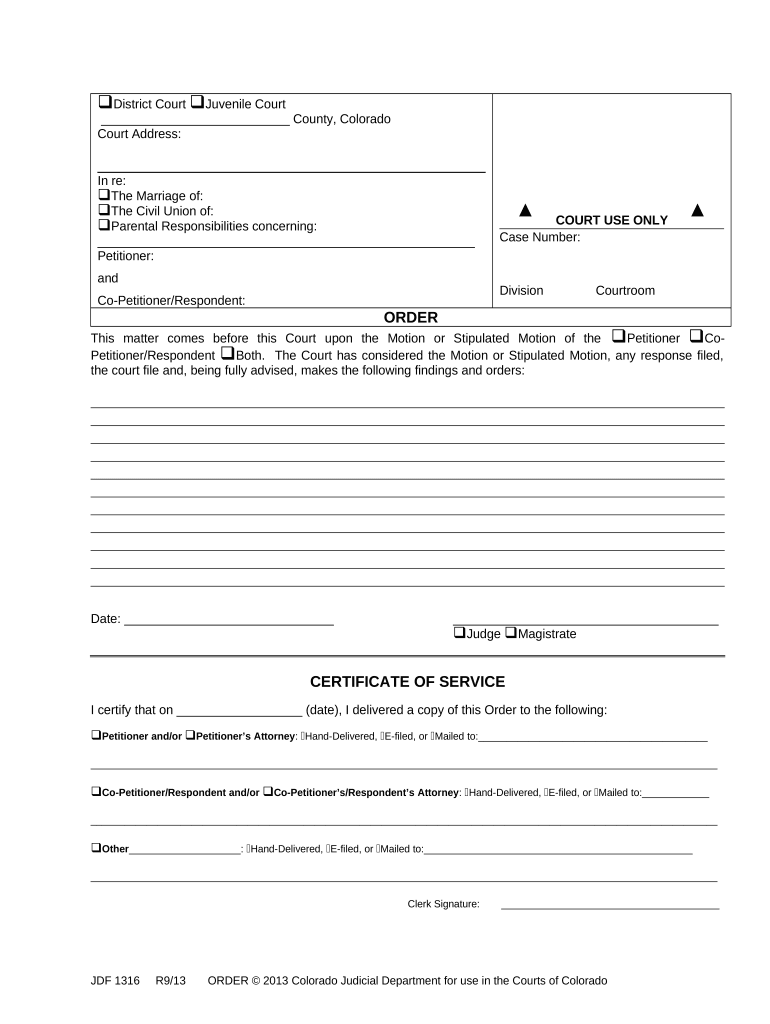
If you have a signed Separation Agreement, you will file it along with a proposed Decree of Dissolution. The court will review the agreement and, if it finds it to be fair and equitable, will sign the decree. If the divorce is contested, a judge will make decisions on the unresolved issues after hearings or a trial, and then issue a Decree of Dissolution. The process of obtaining the decree itself does not typically involve additional fees beyond the initial filing costs, which, as discussed, can be waived.
Navigating Child-Related Matters
If you have minor children, Colorado courts will prioritize their best interests. You will need to address legal and physical custody arrangements, as well as child support. The court will review any proposed parenting plans and child support calculations to ensure they are fair and in the children’s best interests. Colorado has specific guidelines for calculating child support based on parental income and the amount of time each parent spends with the children. Resources are available to help you calculate this amount, and Self-Help Centers can guide you on the forms.
Strategies for Minimizing Costs Beyond Legal Representation
While avoiding attorney fees is the primary objective of a “free” divorce, being mindful of other potential expenses can further reduce the financial impact.
Avoiding Unnecessary Court Appearances and Delays
Self-represented litigants must be exceptionally organized. Missing deadlines, filing incorrect forms, or failing to appear for scheduled court dates can lead to delays, increased frustration, and potentially additional costs. Meticulous record-keeping and proactive communication with the court clerk and, if applicable, your spouse or their attorney are essential.
Importance of Court Etiquette and Preparedness
Even though you are representing yourself, you are still expected to adhere to court rules and etiquette. This means dressing appropriately, arriving on time, speaking clearly and respectfully to the judge and court staff, and being prepared with all necessary documents. Familiarizing yourself with courtroom procedures can reduce anxiety and prevent costly mistakes.
Leveraging Community Support and Online Information
Beyond official court resources, there are numerous community organizations and online platforms that offer support and information to individuals going through divorce. While these might not directly provide legal services, they can offer emotional support, financial planning advice, and practical tips for navigating life after divorce. These resources can be invaluable in managing the transition without incurring additional professional fees.
Local Support Groups and Non-Profit Organizations
Many Colorado communities have local support groups for individuals experiencing divorce. These groups can provide a safe space to share experiences, gain advice from others who have been through similar situations, and build a supportive network. Non-profit organizations focused on family law or financial literacy can also offer valuable guidance and resources at little to no cost.
In conclusion, while a divorce in Colorado without any cost at all is a nuanced concept, it is achievable to navigate the legal process with minimal financial outlay by diligently utilizing free court services, legal aid programs, and fee waiver options. The key to a “free” divorce in Colorado lies in preparation, organization, and a commitment to self-representation, transforming a potentially costly ordeal into a manageable and empowering experience. Remember to consult the Colorado Judicial Branch’s self-help resources for the most up-to-date information and forms.
LifeOutOfTheBox is a participant in the Amazon Services LLC Associates Program, an affiliate advertising program designed to provide a means for sites to earn advertising fees by advertising and linking to Amazon.com. Amazon, the Amazon logo, AmazonSupply, and the AmazonSupply logo are trademarks of Amazon.com, Inc. or its affiliates. As an Amazon Associate we earn affiliate commissions from qualifying purchases.