
Colorado, a state renowned for its breathtaking natural beauty and pioneering spirit, has long been a frontrunner in the landscape of regulated cannabis. For residents seeking the therapeutic benefits of medical marijuana, understanding the process of obtaining a medical marijuana registry card is crucial. This guide, drawing upon the rich tapestry of Colorado’s offerings in travel, accommodation, tourism, and lifestyle, aims to demystify the journey to acquiring your MMJ card, ensuring a smooth and informed experience.
The allure of Colorado extends far beyond its mountains and ski resorts. It’s a destination that caters to diverse interests, from the intrepid traveler seeking adventure in places like Rocky Mountain National Park to those who appreciate the refined elegance of luxury accommodations such as the Ritz-Carlton Bachelor Gulch. Whether you’re planning an extended stay for a medical pilgrimage or simply exploring the vibrant culture of cities like Denver or Boulder, understanding the legal framework surrounding medical cannabis is an integral part of your Colorado experience.
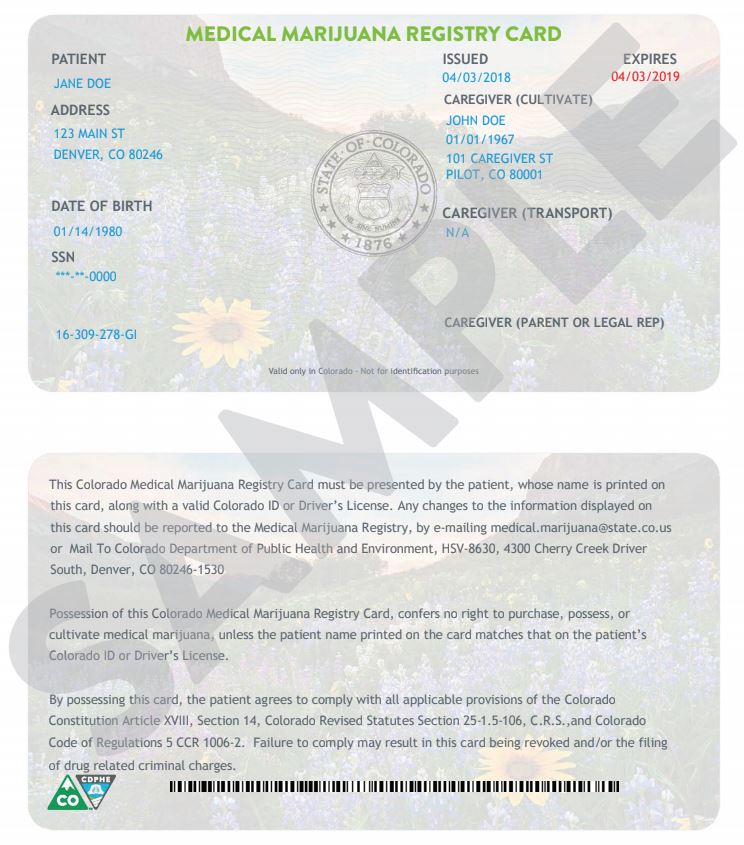
The state’s commitment to providing access to medical marijuana is underpinned by a structured registration process. This process ensures that patients have legitimate access to cannabis for a qualifying medical condition, while also maintaining a regulated and safe system. Navigating this system requires attention to detail, from understanding eligibility to completing the necessary paperwork.
Understanding Eligibility and Qualifying Conditions
The cornerstone of obtaining a medical marijuana card in Colorado lies in demonstrating that you have a qualifying medical condition. The Colorado Department of Public Health and Environment (CDPHE) maintains a list of conditions for which medical marijuana may be recommended by a physician. This list is periodically reviewed and updated, reflecting ongoing research and evolving understanding of cannabis’s therapeutic potential.
Qualifying Conditions: A Comprehensive Overview
While the specific list is subject to change, common qualifying conditions often include, but are not limited to, debilitating conditions such as:
- Cancer: For patients experiencing pain, nausea, or appetite loss associated with cancer treatments.
- Glaucoma: Where intraocular pressure can be effectively managed with cannabis.
- Severe Pain: Chronic and debilitating pain that has not responded to conventional treatments.
- Severe Nausea: Particularly relevant for individuals undergoing chemotherapy or experiencing other causes of persistent nausea.
- Seizures: For patients with epilepsy or other seizure disorders.
- Muscle Spasms: Severe and persistent muscle spasms that can be debilitating.
- Cachexia (Wasting Syndrome): Conditions that lead to significant weight loss and muscle deterioration.
- Post-Traumatic Stress Disorder (PTSD): For individuals whose symptoms are severe and interfere with daily functioning.
- Autism Spectrum Disorder: When specific symptoms like aggression or self-injurious behavior are present.
It is essential to consult the official CDPHE website or a qualified healthcare provider for the most up-to-date and comprehensive list of qualifying conditions. The nuances of each condition and its suitability for medical marijuana treatment will be a key discussion point during your physician consultation.
The Role of the Physician: Certification and Recommendation
The process of obtaining your MMJ card is intrinsically linked to a physician’s evaluation and recommendation. You must have a bona fide doctor-patient relationship with a licensed physician practicing in Colorado. This physician must be willing to certify that you have a qualifying medical condition and that you would benefit from the use of medical marijuana.
Your physician will review your medical history, conduct a physical examination if necessary, and discuss your symptoms in detail. They will assess whether your condition aligns with the state’s criteria and whether medical marijuana is a medically appropriate treatment option for you. A successful consultation culminates in a signed physician certification form, which is a critical document for your application.
Many patients combine their medical appointments with other aspects of their Colorado visit. For instance, a patient traveling to Denver for their medical evaluation might choose to stay at a boutique hotel like The Crawford Hotel, known for its unique blend of comfort and history, or explore the culinary scene at popular restaurants such as Rioja, experiencing the local flavor while attending to their medical needs.
The Application Process: Step-by-Step Guide
Once you have obtained the necessary physician certification, the next stage involves submitting a formal application to the Colorado Department of Public Health and Environment. This application can typically be completed online, making the process accessible and efficient.
Required Documentation: Gathering Your Essentials
To ensure a smooth application process, it’s vital to have all your required documents ready. These typically include:
- Completed Application Form: This is the primary document detailing your personal information.
- Physician Certification Form: The signed document from your licensed physician, attesting to your qualifying condition.
- Proof of Colorado Residency: This is crucial as the medical marijuana program is for residents of the state. Acceptable forms of identification often include a valid Colorado driver’s license or ID card.
- Proof of Identity: A government-issued photo ID.
- Application Fee: A fee is typically required to process your application. The exact amount can be found on the CDPHE website and may vary.
It’s highly recommended to carefully review the official CDPHE Medical Marijuana Registry website for the most current list of required documents and any specific instructions. Mistakes or omissions can lead to delays or rejection of your application.
Submitting Your Application and Awaiting Approval
After meticulously gathering all your documents, you will submit your application, usually through the online portal provided by the CDPHE. The system is designed for user-friendliness, guiding you through each step. Once submitted, your application will be reviewed by the state.
The processing time can vary depending on the volume of applications received. Generally, it can take anywhere from a few weeks to a month to receive a decision. During this waiting period, you can often track the status of your application online through the same portal where you submitted it.
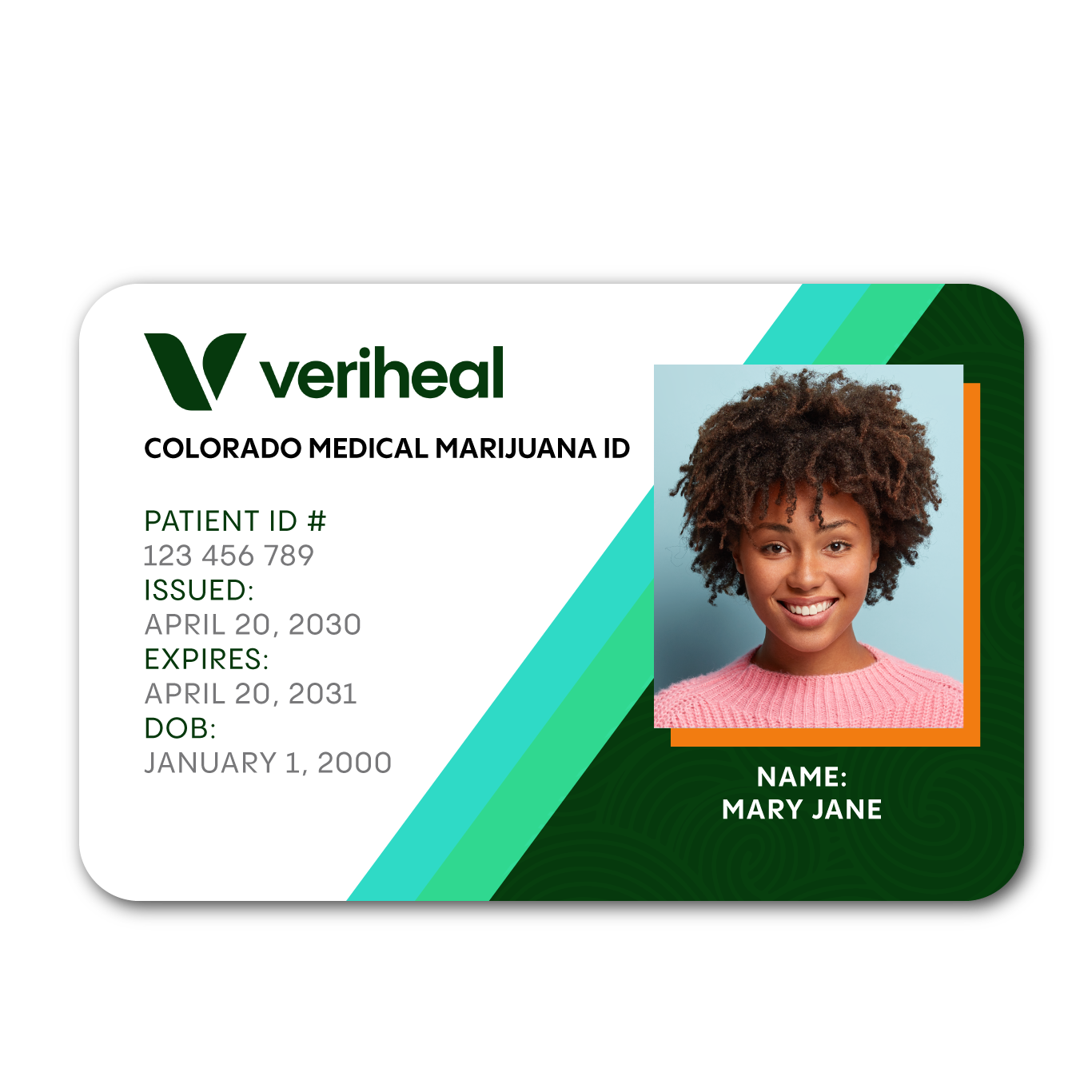
If your application is approved, you will receive a medical marijuana registry card. This card serves as your legal authorization to purchase and possess medical marijuana in Colorado, within the limits set by state law.
This period of anticipation can be managed by enjoying the many experiences Colorado has to offer. Perhaps you’re planning a scenic drive through the San Juan Mountains, or exploring the artistic treasures of the Denver Art Museum. Planning a family trip to somewhere like Great Wolf Lodge Colorado Springs offers entertainment while you await official notification.
Life as a Medical Marijuana Patient in Colorado
Holding a medical marijuana registry card in Colorado opens up specific rights and responsibilities for patients. Understanding these aspects ensures you can utilize your card legally and responsibly.
Patient Rights and Responsibilities
As a registered patient, you are permitted to purchase and possess a greater quantity of medical marijuana than recreational users. You are also allowed to purchase from licensed medical dispensaries, which often offer a wider selection of products specifically curated for medicinal use. Additionally, medical patients may have access to certain products with higher concentrations of THC.
However, it is crucial to be aware of the restrictions. You cannot consume medical marijuana in public places, including parks, sidewalks, or inside most public buildings. Driving under the influence of marijuana is illegal and carries severe penalties. Furthermore, you must adhere to the possession limits stipulated by Colorado law.
It’s also important to note that federal law still classifies marijuana as an illegal substance. Therefore, you should not attempt to transport marijuana across state lines, even if you are traveling to another state where cannabis is legal. This is a critical point for anyone planning a trip, whether to a ski resort like Aspen or a vibrant city like Fort Collins.
Exploring Dispensaries and Product Options
Licensed medical dispensaries are the gateways to accessing your prescribed medical marijuana. These establishments are staffed by knowledgeable budtenders who can guide you through the various product options and help you find what best suits your needs. Products can range from flower and concentrates to edibles and tinctures, each offering different methods of consumption and onset times.
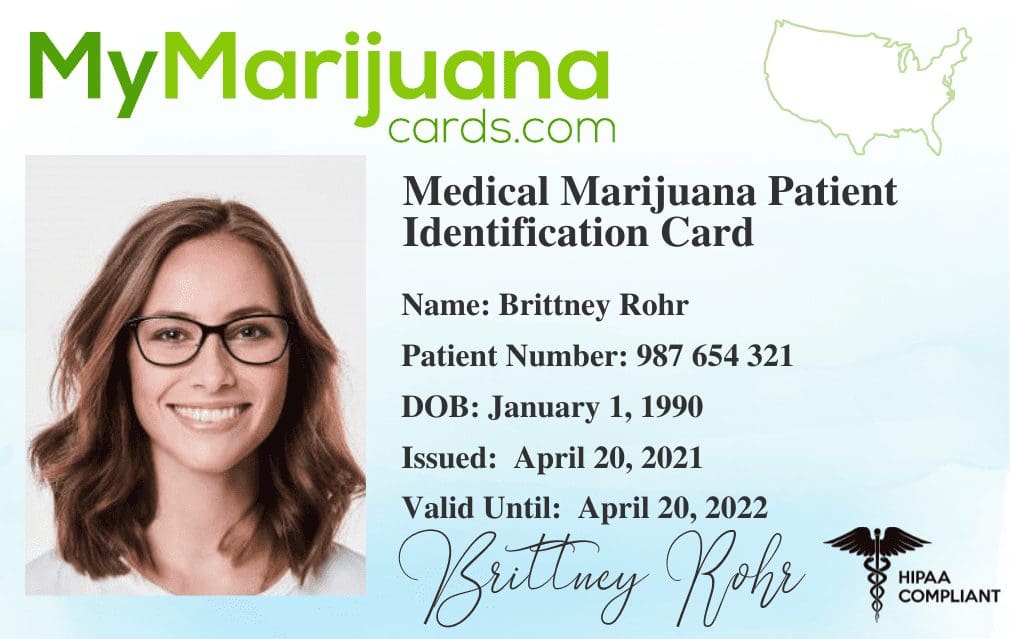
When visiting a dispensary, always have your medical marijuana registry card and a valid government-issued ID readily available. Budtenders are trained to identify qualifying patients and will guide you through the available medical products. They can also provide information on the cannabinoid profiles, terpene content, and recommended dosages for various conditions.
For those who appreciate a comfortable and curated experience, many dispensaries offer amenities akin to those found in upscale hotels or resorts. Some may have consultation areas, educational materials, and a relaxed atmosphere, making the process of selecting your medication a more pleasant and informative one.
Navigating Long-Term Stays and Accommodation Options
If your need for medical marijuana in Colorado involves an extended stay, understanding accommodation options that are sensitive to your needs is important. While most hotels and rental properties do not explicitly cater to MMJ patients, choosing locations that are conveniently situated near medical dispensaries and healthcare providers can simplify your routine.
Consider looking for apartments or long-term stay accommodations in areas known for their accessibility and community services. Cities like Colorado Springs or towns surrounding major medical facilities might offer more suitable options. While booking, it’s always advisable to inquire about any specific policies regarding personal use, though discretion is generally key in maintaining privacy.
The lifestyle aspect of Colorado is undeniably appealing, and integrating your medical cannabis regimen into your visit should not detract from your enjoyment. Whether you are exploring the historic architecture of the Stanley Hotel in Estes Park or embarking on a budget travel adventure through the state’s diverse landscapes, managing your medical needs can be seamlessly incorporated.
Ultimately, obtaining a medical marijuana card in Colorado is a well-defined process that empowers patients to access a treatment option that can significantly improve their quality of life. By understanding the eligibility requirements, diligently completing the application, and adhering to the rights and responsibilities of a registered patient, you can confidently navigate this aspect of your Colorado journey. From the majestic peaks of the Rockies to the vibrant urban centers, Colorado offers a wealth of experiences, and with your MMJ card, you can fully engage with all that this remarkable state has to offer.
LifeOutOfTheBox is a participant in the Amazon Services LLC Associates Program, an affiliate advertising program designed to provide a means for sites to earn advertising fees by advertising and linking to Amazon.com. Amazon, the Amazon logo, AmazonSupply, and the AmazonSupply logo are trademarks of Amazon.com, Inc. or its affiliates. As an Amazon Associate we earn affiliate commissions from qualifying purchases.