
The question “Is Colorado cold?” is a deceptively simple one. For many, the allure of the Centennial State conjures images of snow-capped peaks, cozy ski lodges, and crisp mountain air. Indeed, Colorado is renowned for its winter wonderland, a mecca for skiers and snowboarders from around the globe. However, to paint Colorado with a single, chilly brushstroke would be to miss the nuanced and diverse climatic tapestry that this Rocky Mountain state offers. While cold is certainly a characteristic, it is far from the whole story. Understanding Colorado’s climate requires delving into its varied geography, elevation, and seasonal shifts.
The Breath of the Rockies: Understanding Colorado’s Climate
Colorado’s climate is profoundly influenced by its dramatic topography. The state boasts an average elevation of 6,800 feet above sea level, making it the highest state in the United States. This high elevation is the primary driver of its cooler temperatures compared to many other states at similar latitudes. The air at higher altitudes is thinner and holds less heat, leading to significantly colder conditions in the mountain regions.
Elevation: The Great Divider
The impact of elevation cannot be overstated when discussing Colorado’s weather. Cities like Denver, situated at around 5,280 feet, experience a climate that is considerably milder than their counterparts in the mountainous interior. While Denver can certainly get cold, especially during winter months with average January temperatures hovering around freezing, it also enjoys pleasant, warm summers.
Contrast this with towns like Aspen or Vail, nestled deep within the Rocky Mountains at elevations well over 8,000 feet. Here, winter temperatures can plummet to single digits or below zero Fahrenheit, with substantial snowfall being a regular occurrence from late autumn through spring. The higher you go, the colder it gets, and the longer winter tends to linger. This stark contrast means that a visit to Colorado can present vastly different weather experiences depending on where you choose to explore.
Beyond the Snow: Colorado’s Seasonal Charms
While winter sports are a significant draw, Colorado’s beauty and appeal extend far beyond its snowy reputation. The state experiences four distinct seasons, each offering unique attractions and atmospheric conditions.
Spring: A Muted Awakening and Potential for Late Snows
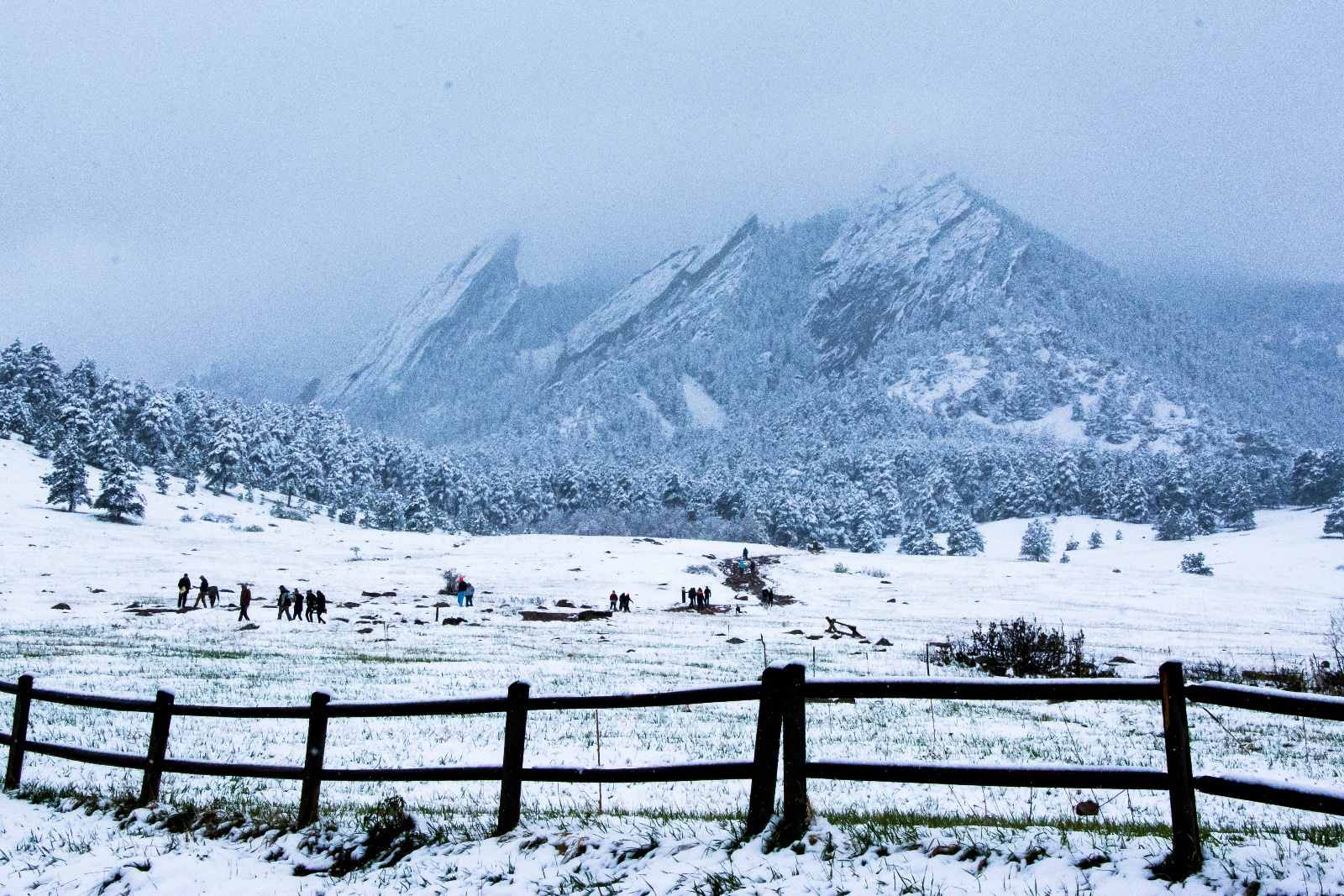
Spring in Colorado can be a transitional period, often characterized by a mix of weather patterns. Early spring, particularly in March and April, can still bring significant snowfall, especially to the high country. Ski resorts may remain open well into May, offering the last chance for powder enthusiasts to hit the slopes. However, as spring progresses into May and June, the snow begins to recede from lower elevations, giving way to blooming wildflowers and a vibrant green landscape.
Temperatures start to rise, but it’s not uncommon for late-season snowstorms to surprise unprepared travelers. This duality means that while the promise of warmer weather is present, packing layers and being prepared for fluctuating temperatures is essential during the spring months. Visitors might find themselves enjoying a sunny picnic one day and navigating a snowy mountain pass the next. The emergence of lush valleys and the thawing of rivers also signal new adventures for hikers and anglers.
Summer: Sun-Kissed Peaks and Pleasant Days
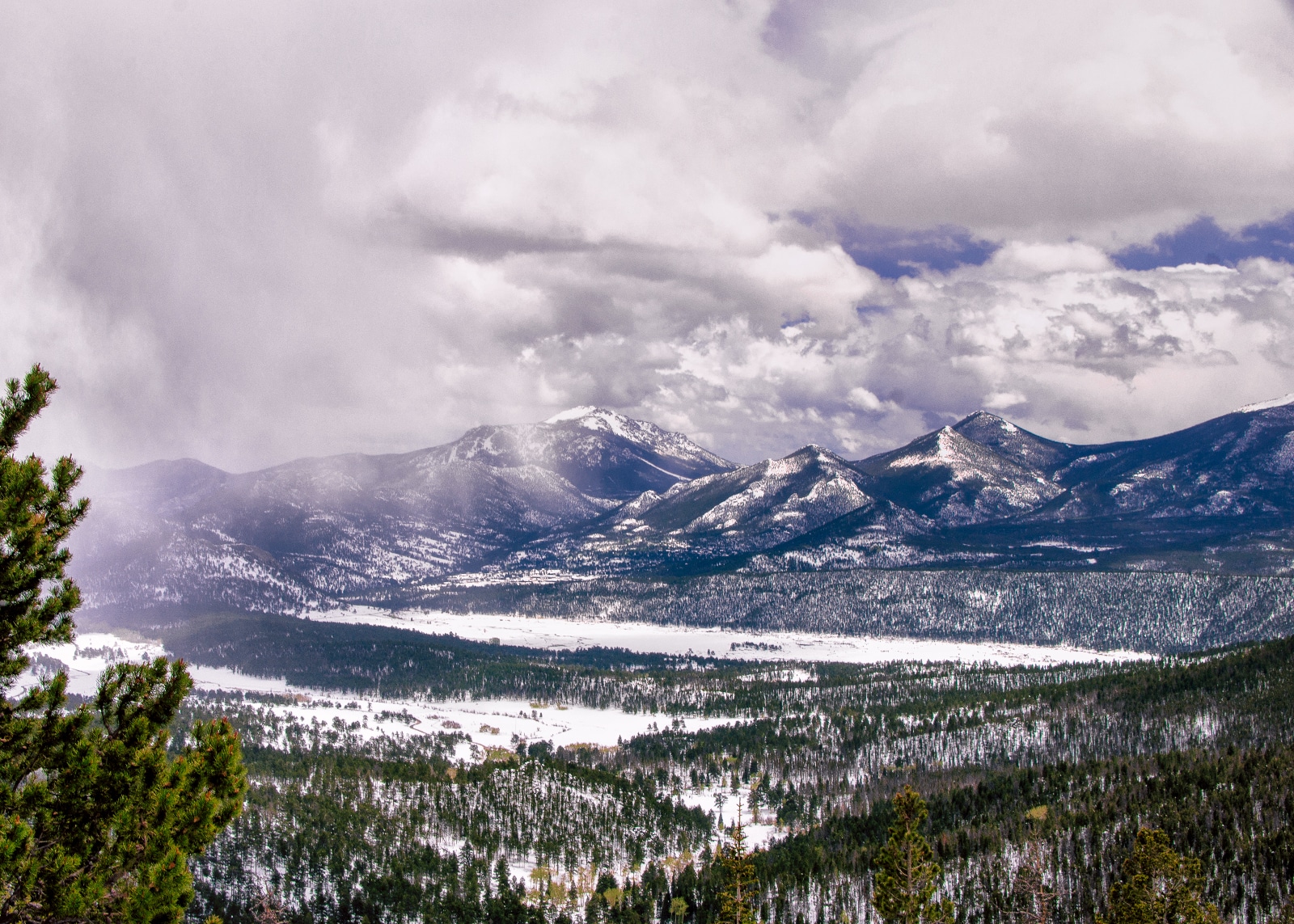
Summer in Colorado is generally warm and pleasant, making it an ideal time for outdoor activities. The higher elevations offer a welcome respite from the heat experienced in many other parts of the country. Daytime temperatures in the mountains often range from the comfortable 60s to 70s Fahrenheit, with cooler evenings. Cities like Colorado Springs and Denver experience warmer summers, with daytime highs frequently in the 80s and 90s Fahrenheit.
However, even in summer, thunderstorms are a common occurrence, particularly in the afternoons. These can bring sudden downpours and dramatic lightning displays, often accompanied by a rapid drop in temperature. Despite these occasional bursts of weather, summer is prime time for exploring Rocky Mountain National Park, hiking iconic trails, and enjoying festivals in towns like Telluride. The extended daylight hours allow for maximum exploration of the state’s breathtaking natural beauty.
Autumn: A Fiery Spectacle and Crisp Air
Autumn in Colorado is arguably one of its most visually stunning seasons. The aspen trees, particularly, undergo a spectacular transformation, turning vibrant shades of gold and yellow. This “aspen gold” season, typically peaking in late September and early October, draws countless visitors eager to witness this natural phenomenon. The air becomes crisp and cool, offering perfect conditions for hiking and scenic drives.
Temperatures begin to drop significantly as the season progresses, with frosts becoming common in the mornings and evenings. Snow can begin to fall again in the higher elevations by late October or early November, signaling the return of winter. This transition period offers a unique blend of autumnal beauty and the first hints of winter’s chill, making it a favorite time for many to visit. The crisp air and clear skies often make for excellent stargazing opportunities in the less light-polluted areas.
Packing for Colorado: Adapting to the Climate
Given the diverse climate across Colorado, packing appropriately is key to enjoying your trip, regardless of the season.
Layering is Key
The most crucial piece of advice for anyone visiting Colorado is to embrace the art of layering. Even during the summer months, mountain evenings can be surprisingly chilly. A good base layer, an insulating mid-layer (like fleece or a down jacket), and a waterproof/windproof outer shell are essential for navigating the unpredictable mountain weather.
For winter trips, expect to need heavy-duty winter gear. This includes thermal base layers, insulated pants and jackets, waterproof gloves and hats, and warm, waterproof boots. For spring and fall, a versatile combination of lighter layers that can be added or removed as needed will serve you well.
Beyond Clothing: Essential Gear
Depending on your planned activities, other items are crucial. If you’re visiting for hiking, sturdy, broken-in hiking boots are a must. Sunscreen and sunglasses are important year-round, as the sun’s rays are more intense at higher altitudes. A reusable water bottle is also advisable, as staying hydrated is vital in Colorado’s dry climate. For winter sports, bringing or renting appropriate ski or snowboard gear is obvious, but also consider hand warmers and lip balm to combat the cold. Even if you’re planning a city-based trip, a light jacket or sweater is always a good idea for evenings.
In conclusion, while the question “Is Colorado cold?” has a straightforward answer that includes a significant “yes,” the reality is far more nuanced. Colorado offers a dynamic climate shaped by its elevation and distinct seasons. From the exhilarating chill of a winter ski slope in Breckenridge to the sun-drenched trails of Garden of the Gods in summer, and the fiery spectacle of autumn in the San Juan Mountains, Colorado’s weather is an integral part of its captivating charm. By understanding and preparing for these variations, visitors can fully embrace the diverse experiences this magnificent state has to offer, ensuring a memorable journey no matter the time of year. Whether you’re seeking adventure on the slopes of Winter Park or exploring the historic streets of Boulder, Colorado’s weather is a character in your travel story, one that is as varied and compelling as the landscape itself.
LifeOutOfTheBox is a participant in the Amazon Services LLC Associates Program, an affiliate advertising program designed to provide a means for sites to earn advertising fees by advertising and linking to Amazon.com. Amazon, the Amazon logo, AmazonSupply, and the AmazonSupply logo are trademarks of Amazon.com, Inc. or its affiliates. As an Amazon Associate we earn affiliate commissions from qualifying purchases.