
Colorado, a state synonymous with the majestic Rocky Mountains, breathtaking national parks, and vibrant cities, might not be the first place that springs to mind when discussing agriculture or horticulture. Yet, beneath its rugged exterior lies a surprisingly diverse agricultural landscape, intricately linked to its varied topography and climate. Understanding the growing zones of Colorado is crucial for anyone interested in gardening, farming, or simply appreciating the state’s unique ecosystem. These zones, primarily determined by the USDA Plant Hardiness Zone Map, provide a vital framework for understanding which plants can thrive in different regions of the state, influencing everything from home gardens to large-scale agricultural endeavors.
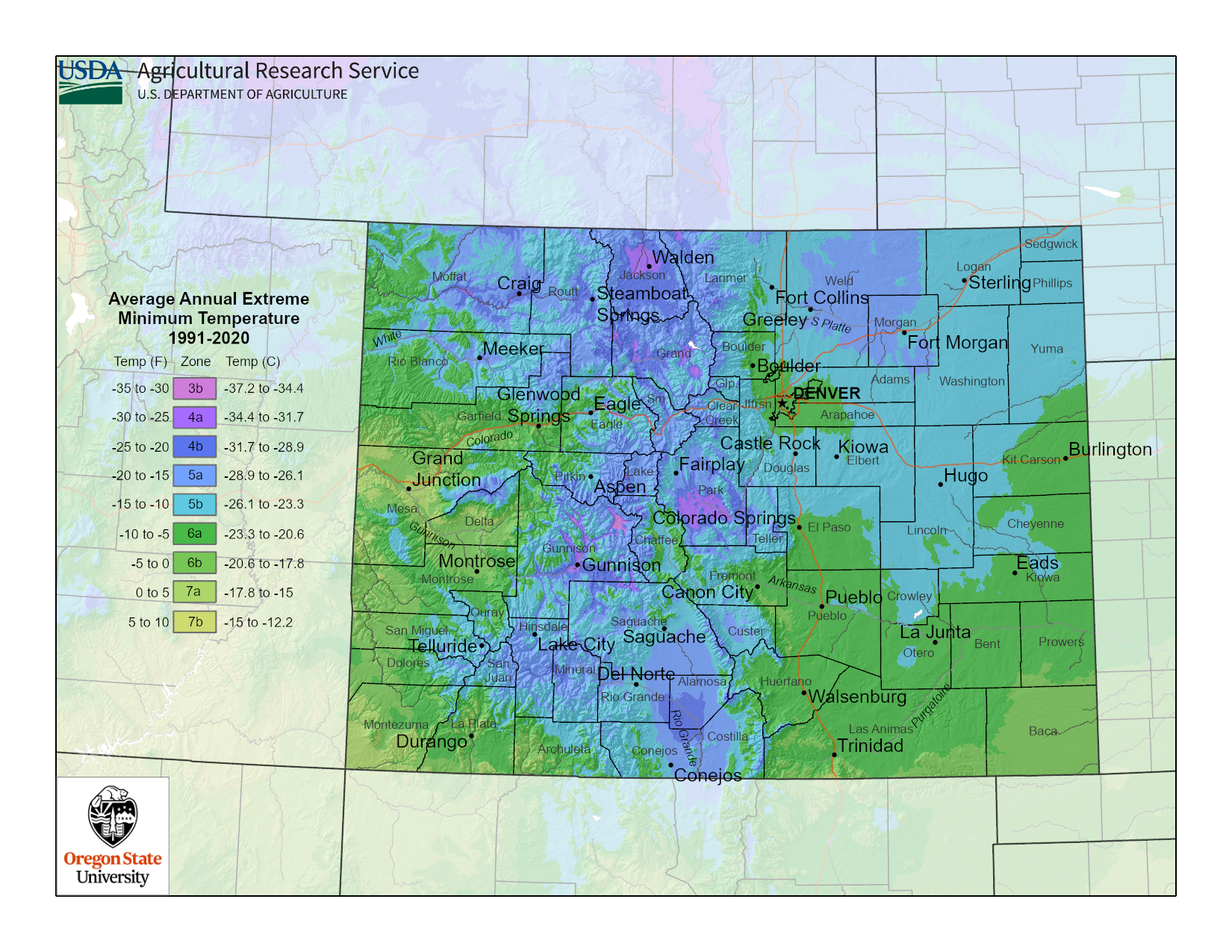
Understanding USDA Plant Hardiness Zones in Colorado
The USDA Plant Hardiness Zone Map is the cornerstone for gardeners and horticulturists across the United States. It divides the country into 11 distinct zones, each representing a 10°F difference in average annual minimum winter temperature. Zone 1 experiences the coldest average minimum temperatures (below -50°F), while Zone 11 is the warmest (above 40°F). For Colorado, this map is particularly important due to the state’s dramatic elevation changes, which create a mosaic of microclimates. A small geographic distance can translate to a significant difference in hardiness zone, especially as one ascends or descends the Rocky Mountains.
The Influence of Elevation and Geography
Colorado’s most defining geographical feature is its high elevation. The Rocky Mountains dominate the western two-thirds of the state, with numerous peaks exceeding 14,000 feet. This mountainous terrain directly influences the climate. Higher elevations mean colder temperatures, shorter growing seasons, and increased exposure to harsh winter conditions. Consequently, many mountainous areas fall into the colder hardiness zones, typically zones 3, 4, and 5. These zones are characterized by long, severe winters with deep snowpack and brief, cool summers.
In contrast, the eastern plains of Colorado, also known as the Great Plains, tend to be warmer and drier. While still subject to cold winter air masses originating from the north, the generally lower elevation allows for slightly milder conditions compared to the high mountains. These areas often fall into zones 5 and 6, and in some sheltered or southern portions, even zone 7. This east-west and altitude-driven variation means that what can be grown successfully in Denver might not fare well in Aspen or Grand Junction.
The presence of large bodies of water, though less prevalent in Colorado than in other states, can also subtly influence local microclimates. However, elevation remains the most significant factor shaping Colorado’s growing zones. The state’s diverse agricultural outputs, from hardy grains in the plains to specialty crops in more sheltered valleys, are a testament to this intricate relationship between geography and climate.
Colorado’s Diverse Growing Zones and Their Implications
Colorado’s growing zones are not monolithic. The state encompasses a wide spectrum, from the frigid, high-alpine environments to more temperate, lower-lying regions. Understanding these specific zones is key for anyone looking to cultivate plants, whether for personal enjoyment or commercial purposes.
Zone 3: The High Alpine and Mountain Valleys
The coldest hardiness zones in Colorado are primarily found at the highest elevations, often above 9,000 feet. These areas, classified as Zone 3, experience average annual minimum winter temperatures of -40°F to -30°F. The growing season here is exceptionally short, often lasting only 60 to 80 frost-free days. Plants that can survive in Zone 3 must be exceptionally cold-hardy and tolerant of rapid temperature fluctuations. Common vegetation includes tough grasses, hardy shrubs, and resilient wildflowers. For gardeners, this zone limits the selection to very few perennial plants known for extreme cold tolerance.
Zone 4: Cooler Mountain Slopes and Higher Plateaus
Zone 4 covers a significant portion of Colorado’s mountainous terrain, typically between 7,000 and 9,000 feet. Average annual minimum winter temperatures range from -30°F to -20°F. The growing season is still short, around 90 to 110 frost-free days, but it offers a slightly broader range of plant possibilities than Zone 3. Hardy conifers, certain deciduous trees, and resilient flowering shrubs can thrive. For home gardeners in this zone, focusing on native plants or varieties specifically bred for high-altitude conditions is advisable. Cities like Breckenridge and Steamboat Springs often fall within this zone.
Zone 5: Foothills and Some Lower Mountain Valleys
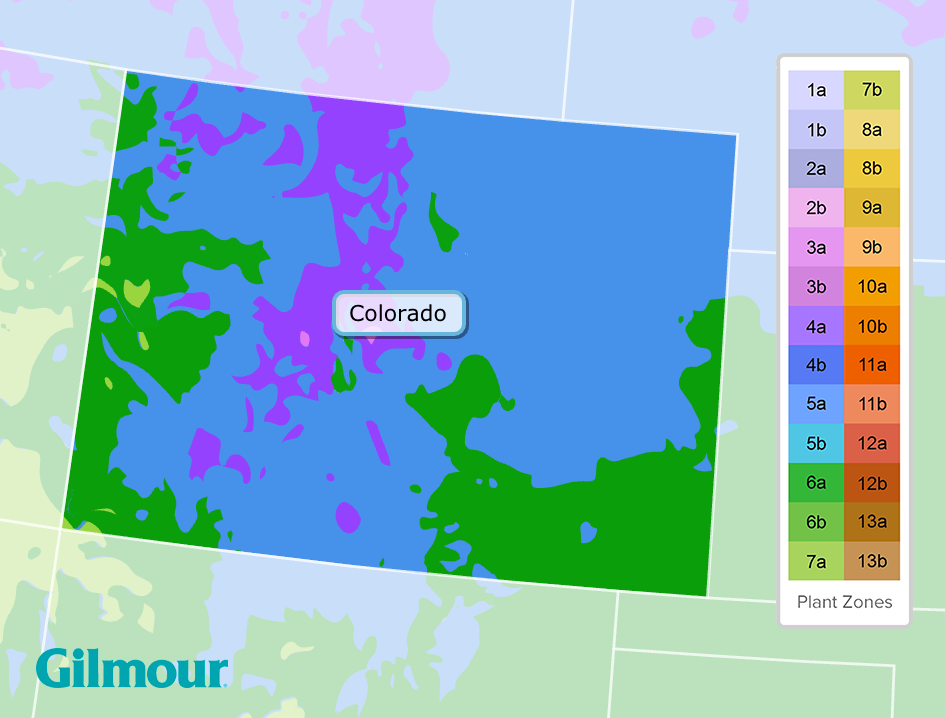
Zone 5 represents a more temperate climate within Colorado, typically found in the foothills west of the Front Range and in some lower mountain valleys. Average annual minimum winter temperatures range from -20°F to -10°F. The growing season is longer, usually between 110 and 130 frost-free days, allowing for a wider array of ornamental plants, vegetables, and fruit trees. Many towns and cities in this zone can support a vibrant garden. Parts of Boulder and the western outskirts of Colorado Springs might be in Zone 5.
Zone 6: The Eastern Plains and Some Western Valleys
Zone 6 is characterized by average annual minimum winter temperatures between -10°F and 0°F. This zone is prevalent across the eastern plains of Colorado and in some of the warmer, lower-lying valleys in the western part of the state, such as the Grand Valley near Grand Junction. The growing season is more substantial, typically 130 to 150 frost-free days, making it conducive to a broad spectrum of agriculture. Many common garden vegetables, fruits like apples and pears, and a wide variety of flowers can be successfully cultivated here.
Zone 7: Southern Colorado and Sheltered Pockets
Zone 7, with average annual minimum winter temperatures between 0°F and 10°F, is the warmest growing zone in Colorado and is primarily found in the southeastern plains and in specific sheltered locations in the southwestern part of the state. Cities like Pueblo and La Junta often fall into this zone. The extended growing season of 150 to 180 frost-free days allows for the cultivation of more tender plants, including certain fruit trees like peaches and apricots, and a wider variety of vegetables and flowers that might struggle in colder zones. This zone offers the most horticultural diversity within the state.
Practical Applications of Growing Zones for Travel and Lifestyle
Understanding Colorado’s growing zones has practical implications that extend beyond the dedicated gardener or farmer. For travelers, knowing these zones can offer a deeper appreciation of the local landscape, cuisine, and even the types of activities available. It also influences choices in accommodation and lifestyle experiences.
Experiencing Colorado’s Agriculture and Local Food
The diversity of Colorado’s growing zones directly shapes its agricultural output and, consequently, its culinary scene. In the warmer zones, particularly Zone 7, regions like the Western Slope are renowned for their fruit production, including apples, peaches, and wine grapes. Visiting local farmers’ markets in areas like Palisade or Fruita during the harvest season offers a chance to savor these fresh, locally grown products. These experiences are a cornerstone of agri-tourism, allowing visitors to connect with the land and its bounty.
In the cooler zones, the focus shifts to hardy crops such as potatoes, corn, beans, and various types of wheat and barley. These staple crops are fundamental to Colorado’s economy and contribute to regional dishes. Even in the high mountains, small-scale operations and home gardens can cultivate cold-hardy vegetables and herbs. Exploring local restaurants that emphasize farm-to-table dining provides a delicious way to taste the influence of these different growing zones on Colorado’s cuisine.
Planning Your Visit and Accommodation Choices
For visitors planning a trip to Colorado, understanding the growing zones can indirectly inform travel plans, especially for those interested in outdoor activities or specific seasonal experiences. For instance, if a traveler is visiting a high-altitude resort town like Vail or Telluride in the summer, they might still encounter frost in the evenings, even during the warmest months. This influences the type of clothing to pack and expectations for blooming flora.
Accommodation choices can also be subtly influenced. While most hotels and resorts cater to a broad range of visitors, understanding the local environment can enhance the overall experience. Imagine staying at a charming bed and breakfast in a valley known for its orchards in Zone 6 or 7, or a rustic cabin nestled in the mountains of Zone 4. These settings offer distinct natural beauty and opportunities for different kinds of exploration. For those considering longer stays, perhaps in an apartment or villa, knowing the local growing conditions can be essential for creating a personal garden or understanding the seasonal rhythms of the area. Whether seeking a luxury resort experience or a budget-friendly family trip, appreciating the environmental context provided by growing zones adds a richer layer to the travel experience.
Gardening and Lifestyle in Colorado
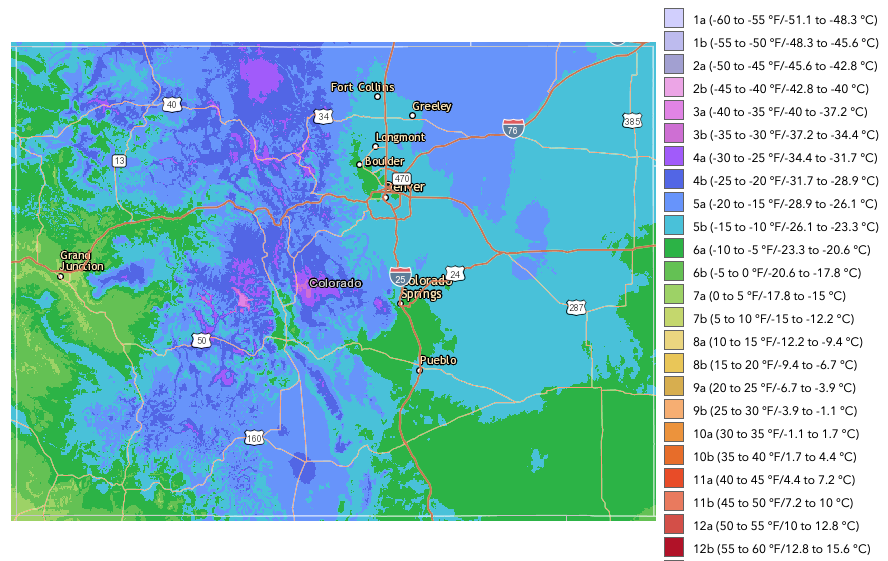
For residents or those considering a lifestyle change in Colorado, grasping the growing zones is paramount for successful gardening. Whether aiming for a lush flower garden in a Denver suburb (often Zone 5b or 6a) or attempting to grow vegetables in a mountain community, selecting plants appropriate for the local zone is the first step. Resources like local garden centers, county extension offices, and online gardening forums are invaluable for identifying suitable species.
Lifestyle choices can also be informed by this understanding. Choosing a home in an area known for a longer growing season might appeal to someone passionate about gardening, while those who prefer a more minimalist, low-maintenance landscape might opt for higher elevations where plant life is naturally more resilient. The challenge and reward of cultivating life in a sometimes-harsh climate are integral to the Colorado lifestyle. From the vast agricultural operations on the plains to the small, vibrant gardens found in mountain towns, the state’s growing zones are a constant, defining presence. Even when simply admiring the natural beauty of places like Rocky Mountain National Park, understanding the underlying climatic conditions that dictate what can grow there adds an extra dimension of appreciation.
LifeOutOfTheBox is a participant in the Amazon Services LLC Associates Program, an affiliate advertising program designed to provide a means for sites to earn advertising fees by advertising and linking to Amazon.com. Amazon, the Amazon logo, AmazonSupply, and the AmazonSupply logo are trademarks of Amazon.com, Inc. or its affiliates. As an Amazon Associate we earn affiliate commissions from qualifying purchases.