
The allure of Colorado Springs, Colorado, a city nestled at the foot of the majestic Pikes Peak, is undeniable. Its stunning natural beauty, rich history, and vibrant outdoor lifestyle draw visitors year-round. However, for any traveler planning a trip, understanding the local climate is paramount to ensuring a comfortable and enjoyable experience. The question, “What is the temperature in Colorado Springs, Colorado?” is not just about a number; it’s about unlocking the secrets to experiencing this captivating destination at its best, no matter the season.
The climate of Colorado Springs is characterized by its semi-arid, high-altitude environment. Situated at an elevation of approximately 6,035 feet (1,839 meters) above sea level, the city experiences a distinct four-season climate with significant diurnal (day-night) temperature variations. This means that even on warm days, evenings can become considerably cooler. The high altitude also contributes to intense sunshine, with over 300 days of sunshine annually, and a generally dry atmosphere. Understanding these nuances allows travelers to pack appropriately and plan activities that best suit the prevailing weather conditions.
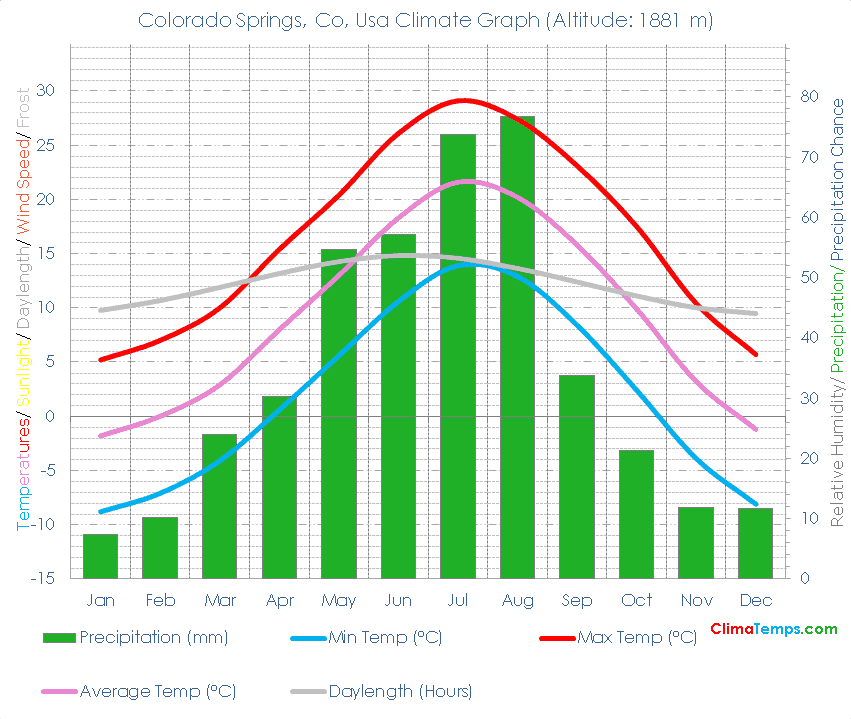
Understanding Colorado Springs’ Climate Dynamics
The climate in Colorado Springs is influenced by several key factors, including its elevation, proximity to the Rocky Mountains, and its position on the high plains. This unique geographical setting creates a weather pattern that can be quite dynamic, offering a diverse range of experiences throughout the year.
Seasonal Temperature Overview
To truly answer “What is the temperature in Colorado Springs, Colorado?”, we must delve into the distinct characteristics of each season. Each season presents a unique palette of temperatures and associated weather phenomena, impacting everything from the types of activities available to the best recommendations for accommodation and attire.
Spring: A Transition of Chilly Mornings and Warming Afternoons
Spring in Colorado Springs, typically spanning from March to May, is a period of transition. While it marks the end of winter’s chill, it’s not uncommon to experience lingering cold snaps, especially in early spring. Average high temperatures gradually climb from the 40s Fahrenheit (around 4-9°C) in March to the 60s and 70s Fahrenheit (around 16-26°C) by May. However, overnight lows can still dip into the 20s and 30s Fahrenheit (around -6 to 4°C), particularly in March and April.
This season is characterized by fluctuating weather patterns. Days can be sunny and pleasant, inviting outdoor exploration, while others might bring sudden snow showers or rain. The snowpack from winter begins to melt, feeding the local flora and leading to a gradual greening of the landscape. For travelers visiting during spring, layering is key. Pack sweaters, light jackets, and perhaps a waterproof outer layer. Comfortable walking shoes are essential, as many attractions, like Garden of the Gods Park and the Broadmoor Seven Falls, become increasingly accessible and enjoyable.
The transition period also means that some higher-altitude attractions might still have limited access due to snow. However, the burgeoning wildflowers and the crisp, clean air make spring a beautiful time to visit Colorado Springs. It’s an excellent period for budget-conscious travelers looking for slightly lower accommodation rates before the peak summer season. Many hotels, such as the Embassy Suites by Hilton Colorado Springs, offer comfortable amenities to ward off any lingering spring chill.
Summer: Warm Days and Cooler Mountain Evenings
Summer in Colorado Springs, from June to August, is generally warm and pleasant, making it the most popular time for tourism. Average high temperatures range from the 70s Fahrenheit (around 21-26°C) in June to the 80s and even low 90s Fahrenheit (around 27-35°C) in July and August. However, the high altitude plays a crucial role in moderating extreme heat. The dryness of the air also makes the heat feel less oppressive than in more humid climates.
Evenings in the summer are typically mild to cool, with overnight lows often falling into the 50s and 60s Fahrenheit (around 10-20°C). This is due to the elevation and the proximity to the mountains, which draw down cooler air. This temperature swing is perfect for enjoying outdoor dining and evening strolls without being overly warm.
Summer is the prime time for outdoor activities. Hiking in Garden of the Gods Park, visiting the United States Air Force Academy, or taking a scenic drive up Pikes Peak are all popular choices. The Cheyenne Mountain Zoo offers a unique experience with its animals set against stunning mountain backdrops. Visitors should pack light, breathable clothing, sunscreen, hats, and sunglasses to protect against the strong sun. It’s also advisable to carry a light jacket or sweater for cooler evenings, especially if venturing into higher elevations.
Accommodation options are plentiful during the summer, ranging from luxury resorts like The Broadmoor to family-friendly hotels and vacation rentals. Booking in advance is highly recommended, as this is peak travel season. For those seeking a lifestyle experience, summer offers a chance to immerse oneself in the local culture, with numerous festivals and outdoor events often taking place.
Autumn: Crisp Air and Brilliant Fall Colors
Autumn in Colorado Springs, from September to November, is a truly spectacular season. The temperatures begin to cool, offering a crisp and refreshing atmosphere. September still offers pleasant daytime highs in the 70s Fahrenheit (around 21-26°C), but by November, averages have dropped to the 40s and 50s Fahrenheit (around 4-15°C). Overnight lows become significantly cooler, often dipping into the 20s and 30s Fahrenheit (around -6 to 4°C) by late autumn.
This season is renowned for its stunning fall foliage. The aspens in the surrounding Rocky Mountains turn vibrant shades of gold and yellow, creating breathtaking vistas. This makes it an ideal time for scenic drives and photography. Attractions like Cheyenne Canyon and the drive up to Pikes Peak are particularly beautiful during this time.
The cooler temperatures are perfect for hiking and exploring without the summer heat. However, it’s essential to be prepared for potential early snowfall, especially in late October and November. Layers of clothing are crucial, including warm sweaters, jackets, and a hat and gloves. Footwear suitable for varied terrain is also a good idea.
Accommodation can be more affordable in the fall compared to the summer peak. It’s a fantastic time for travelers interested in a more relaxed pace and those seeking to experience the natural beauty of Colorado Springs in a more serene setting. The changing seasons also bring a shift in local cuisine, with heartier dishes becoming more prevalent, offering a taste of the local lifestyle.
Winter: Cold Temperatures and Snowfall
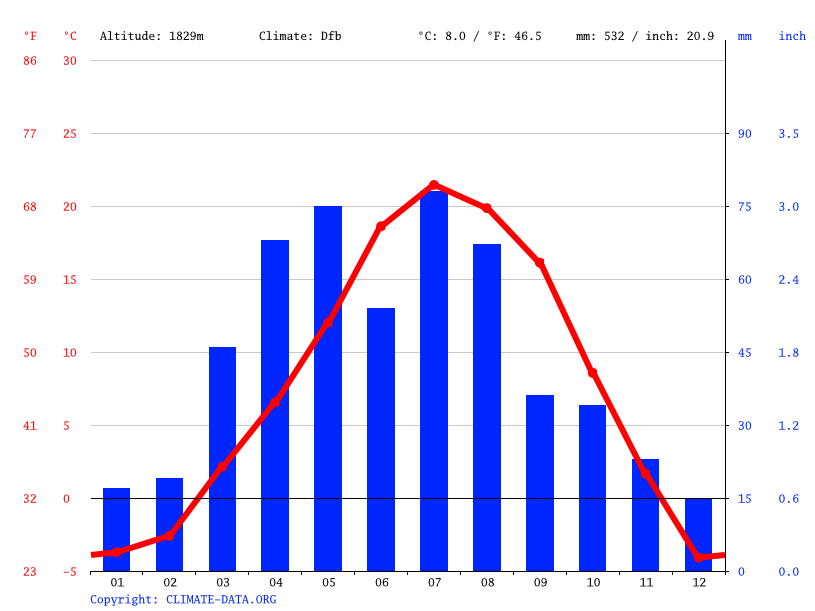
Winter in Colorado Springs, from December to February, is cold, with average high temperatures typically ranging from the 30s to 40s Fahrenheit (around 0-9°C). Overnight lows frequently drop well below freezing, often reaching the teens and single digits Fahrenheit (around -12 to -1°C), and sometimes much colder. Snowfall is common, transforming the landscape into a picturesque winter wonderland.
While the temperatures are cold, Colorado Springs often experiences more sunshine than many other parts of the country, even in winter. This means that on sunny days, the temperature can feel milder when basking in the sun, especially at lower elevations. However, it is crucial to be prepared for icy conditions and significant temperature drops.
Winter activities in and around Colorado Springs often include opportunities for snowshoeing, cross-country skiing, and enjoying the festive holiday atmosphere. While not a major ski resort town itself, the nearby Ski Cooper and other ski areas are accessible for day trips. Attractions like Garden of the Gods Park can be magical covered in snow, offering a unique photographic opportunity.
Visitors during winter must pack heavy, warm clothing, including insulated jackets, waterproof pants, thermal layers, hats, gloves, and warm, waterproof boots. The strong sun at high altitude can still cause sunburn, so sunscreen and lip balm with SPF are recommended. Many hotels, including those in the Downtown Colorado Springs area, offer cozy amenities and warm environments to retreat to after a day in the cold. Budget travelers might find good deals on accommodation during the winter months, outside of the holiday season.
Factors Influencing Temperature in Colorado Springs
Beyond the general seasonal trends, several factors contribute to the specific temperature experienced in Colorado Springs on any given day. Understanding these can help travelers anticipate variations and plan accordingly.
Altitude and its Impact on Temperature
The most significant factor influencing the temperature in Colorado Springs is its high altitude. Sitting at over 6,000 feet, the air is thinner, meaning it holds less heat. This results in cooler average temperatures compared to cities at lower elevations, even at the same latitude. Furthermore, the thin air allows for more intense solar radiation during the day, contributing to warmer daytime highs when the sun is out. Conversely, at night, the heat dissipates more quickly into the atmosphere, leading to dramatic temperature drops. This diurnal temperature variation is a hallmark of mountain climates.
When planning activities, especially those involving higher elevations like a trip to the summit of Pikes Peak, it’s important to remember that temperatures decrease with increasing altitude. A drive to the top of Pikes Peak can involve a temperature difference of 20-30°F (11-17°C) or more compared to the city below, even on a clear day. This necessitates packing extra layers, even in summer.
Proximity to the Rocky Mountains
The imposing Rocky Mountains to the west of Colorado Springs also play a vital role in shaping its climate. Mountain ranges act as barriers, influencing weather patterns. They can create rain shadows, leading to the semi-arid conditions of Colorado Springs. Additionally, air masses moving from the mountains can bring sudden temperature changes, often referred to as “Chinook winds” on the eastern plains, which can cause rapid warming during winter months. These winds, while infrequent, can dramatically raise temperatures for a short period, creating a stark contrast to the usual cold.
The mountains also influence wind patterns. While Colorado Springs is generally protected from the most severe mountain storms, it can still experience gusts, especially in open areas and at higher elevations. Awareness of these wind patterns is important for outdoor enthusiasts, particularly when engaging in activities like hiking or cycling.
Planning Your Trip Based on Temperature
Armed with an understanding of “What is the temperature in Colorado Springs, Colorado?”, travelers can make informed decisions about when to visit and how to prepare for their adventure. This knowledge directly impacts the type of travel experience one can expect, from the activities enjoyed to the choice of accommodation.
Packing Essentials for Every Season
The key to comfortable travel in Colorado Springs is layering. Regardless of the season, it is advisable to pack a versatile wardrobe that can be adapted to changing temperatures.
- Spring: Light to medium-weight jackets, sweaters, long-sleeved shirts, pants, and a waterproof outer layer. Don’t forget comfortable walking shoes and perhaps a hat and gloves for cooler mornings.
- Summer: Light, breathable clothing like t-shirts, shorts, and sundresses. A light jacket or sweater for evenings is essential. Sunscreen, sunglasses, and a hat are a must for daytime activities.
- Autumn: Similar to spring but with an emphasis on warmer layers. Think fleece jackets, warmer sweaters, long pants, and a good windbreaker. A hat, scarf, and gloves will be useful as the season progresses.
- Winter: Heavy, insulated, waterproof outerwear is critical. This includes a warm coat, thermal base layers, fleece or wool mid-layers, waterproof pants, warm socks, a hat that covers the ears, gloves or mittens, and waterproof, insulated boots.
Remember that even in summer, temperatures can drop significantly after sunset. Conversely, a sunny winter day can feel surprisingly pleasant, especially when you’re active.

Accommodation and Activity Recommendations
The temperature in Colorado Springs will directly influence the types of activities best suited for your visit and the kind of accommodation you might seek.
- For Warm-Weather Enthusiasts (Summer/Late Spring/Early Fall): This is the prime time for outdoor adventures. Consider staying in hotels near Downtown Colorado Springs for easy access to dining and entertainment, or look for resorts like The Broadmoor if seeking luxury and amenities that cater to warm-weather relaxation. Activities should include hiking in Garden of the Gods Park, visiting Pikes Peak, exploring Cheyenne Mountain Zoo, and enjoying the many outdoor festivals.
- For Those Seeking Cooler Climates and Scenery (Fall/Spring): These shoulder seasons offer a great balance of pleasant temperatures and fewer crowds. Consider vacation rentals for longer stays or hotels that offer good value. The vibrant fall colors or the awakening of nature in spring make scenic drives and moderate hikes ideal. Accommodation with fireplaces or cozy indoor spaces can be particularly appealing during cooler spring and autumn evenings.
- For Winter Wonderlanders (Winter): While cold, winter offers a unique charm. Hotels offering indoor pools and hot tubs can be a major draw. Consider a stay that allows for easy access to winter sports or offers shuttle services to nearby areas. Even if not skiing, enjoying the festive atmosphere, visiting indoor attractions like the Penrose Heritage Museum, or simply enjoying the quiet beauty of snow-covered landscapes can be very rewarding. Many hotels also offer special winter packages.
Ultimately, Colorado Springs, Colorado offers a compelling experience year-round. By understanding its unique climate and planning accordingly, visitors can ensure their trip is filled with the breathtaking scenery, exciting activities, and comfortable stays that this remarkable city has to offer, making the question “What is the temperature in Colorado Springs, Colorado?” a stepping stone to an unforgettable adventure.
LifeOutOfTheBox is a participant in the Amazon Services LLC Associates Program, an affiliate advertising program designed to provide a means for sites to earn advertising fees by advertising and linking to Amazon.com. Amazon, the Amazon logo, AmazonSupply, and the AmazonSupply logo are trademarks of Amazon.com, Inc. or its affiliates. As an Amazon Associate we earn affiliate commissions from qualifying purchases.