
The Mile High City. It’s a nickname that conjures images of expansive skies, crisp mountain air, and a vibrant urban center nestled at the foot of the majestic Rocky Mountains. But what exactly does “Mile High City” mean in terms of altitude, and what implications does this elevation have for travelers visiting Denver, Colorado? This article delves into the precise altitude of Denver, its significance, and how it shapes the experiences of those who visit its unique landscape.
Understanding Denver’s Elevation: More Than Just a Nickname
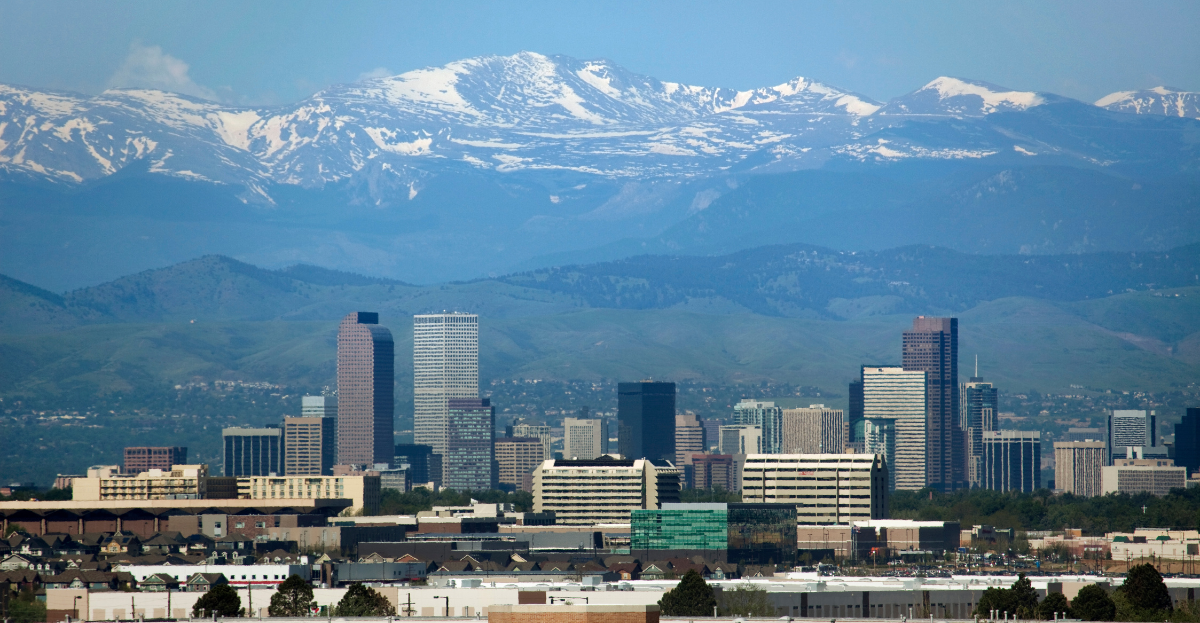
Denver is famously known as the “Mile High City” because its official elevation is approximately 5,280 feet (1,609 meters) above sea level, which precisely equals one mile. This is not an arbitrary designation; it’s a scientifically measured fact that influences everything from the local climate and geography to the physiology of its inhabitants and visitors. The Colorado State Capitol building in Denver even has a marker on its 13th step, precisely one mile above sea level, a popular spot for tourists to commemorate their visit to this elevated metropolis.
The Geographic Significance of Denver’s Altitude
Denver’s location at the intersection of the Great Plains and the Rocky Mountains is a key factor in its altitude. The city sits on the western edge of the High Plains, which rise steadily towards the towering peaks to its west. This unique geographical position means that even the flatter parts of the city are significantly elevated compared to most major urban centers in the United States.
The consistent elevation provides Denver with its characteristic dry climate and often clear skies. The thinner atmosphere at this altitude has less moisture, leading to less rainfall and humidity. While this can be a blessing for outdoor enthusiasts who enjoy ample sunshine, it also means that visitors need to be mindful of the sun’s intensity.
The Impact of Altitude on Your Visit to Denver
The most immediate and noticeable effect of Denver’s altitude is on your body. For many visitors, especially those accustomed to sea-level living, the thinner air can lead to symptoms of altitude sickness, often referred to as “altitude head.”
Navigating Altitude Sickness in Denver
Altitude sickness can manifest in various ways, including headaches, nausea, dizziness, fatigue, and shortness of breath. These symptoms typically arise within the first 24 to 48 hours of arrival. The key to mitigating altitude sickness is to allow your body time to acclimatize.
Tips for Acclimatization:
- Stay Hydrated: This is perhaps the most crucial tip. The dry air at high altitudes can dehydrate you more quickly. Drink plenty of water, and avoid excessive consumption of alcohol and caffeine, which can also contribute to dehydration.
- Pace Yourself: Don’t try to do too much on your first day. Take it easy, avoid strenuous activity, and allow your body to adjust to the lower oxygen levels.
- Eat Lightly: Opt for smaller, more frequent meals that are easier to digest. Avoid heavy, greasy foods.
- Avoid Alcohol and Smoking: These can exacerbate the effects of altitude. It’s best to abstain or limit your intake significantly for the first few days.
- Consider Medication: For some individuals, over-the-counter pain relievers like ibuprofen can help with headaches. Prescription medications like acetazolamide (Diamox) are also available and can aid in acclimatization, though it’s advisable to consult with a doctor before your trip.
- Listen to Your Body: If you start to feel unwell, rest, hydrate, and consider descending to a lower elevation if symptoms are severe.
While the altitude can be a challenge, it’s also an integral part of the Denver experience. The breathtaking views and the invigorated feeling you get from the crisp mountain air are well worth the adjustment period.
Experiencing Denver: Attractions and Activities at High Altitude
Denver’s elevation doesn’t just affect your physical well-being; it also influences the types of activities and attractions available, and how you experience them. The city’s proximity to the Rocky Mountains opens up a world of outdoor adventures, while the city itself offers a rich tapestry of cultural and historical sites.
Outdoor Adventures and Natural Wonders
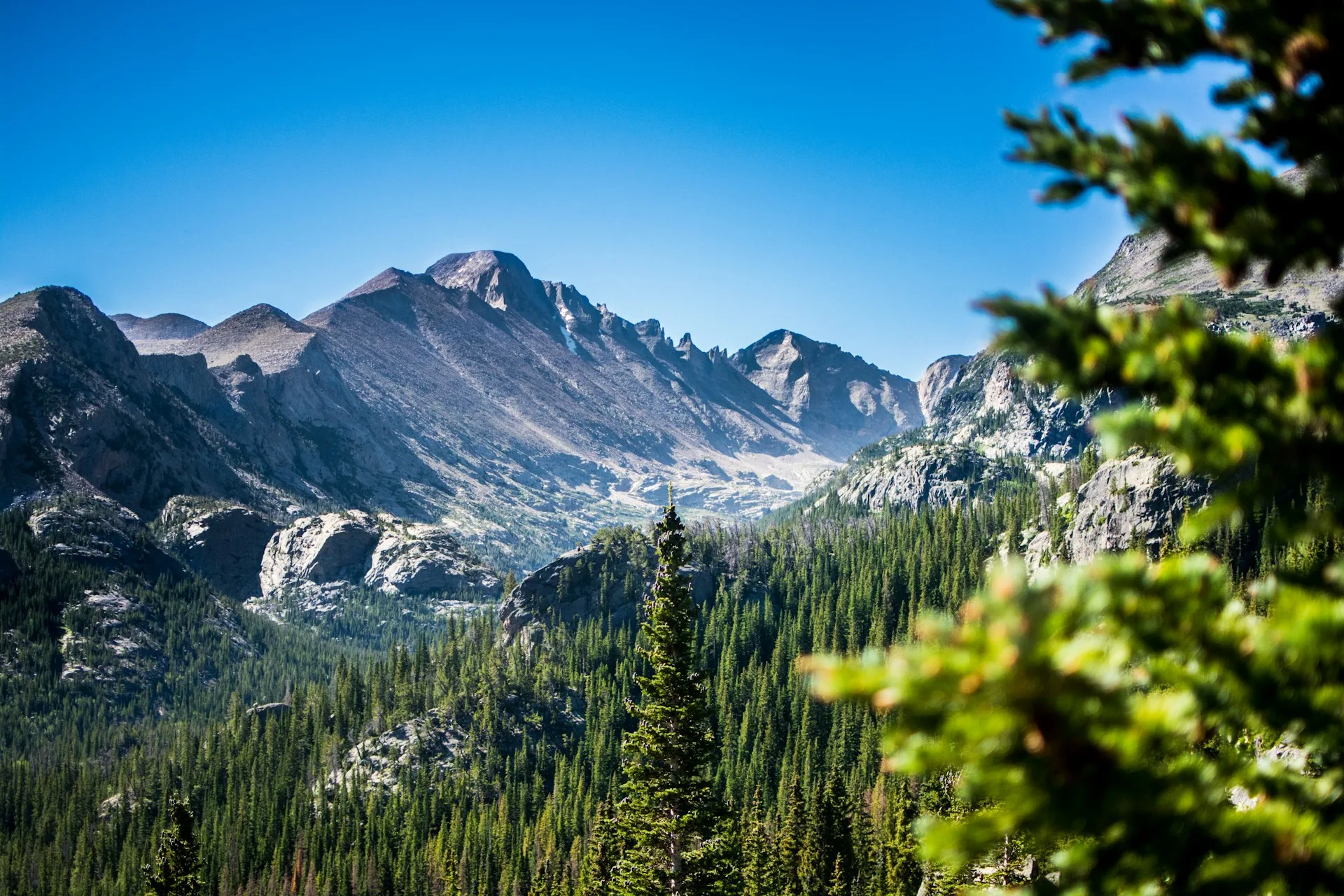
The most significant draw for many visitors to Denver is its access to the stunning natural beauty of Colorado. The altitude here means that even relatively short hikes can feel more challenging, but the rewards are immense.
- Rocky Mountain National Park: A must-visit for any nature lover. Located a scenic drive from Denver, this park boasts unparalleled mountain vistas, alpine lakes, and diverse wildlife. Trails range from easy strolls to challenging ascents, all offering breathtaking scenery. Remember to stay hydrated and take breaks as you explore.
- Red Rocks Park and Amphitheatre: This iconic venue, a geological marvel, is situated at the foothills just west of Denver. The stunning red sandstone formations create a dramatic backdrop for concerts and performances, and the park itself offers beautiful hiking and biking trails with panoramic views of the Denver skyline and the surrounding plains.
- Garden of the Gods: Further south, near Colorado Springs, this public park features towering red rock formations that are a photographer’s dream. It’s an accessible natural wonder, perfect for a day trip from Denver, offering easy walking paths and more adventurous rock climbing opportunities.
When engaging in outdoor activities at altitude, remember the principles of acclimatization. The sun is also more intense at higher elevations, so sun protection is paramount.
Urban Exploration and Cultural Highlights
Denver’s urban landscape is just as captivating as its natural surroundings, and its altitude adds a unique dimension to exploring its attractions.
- Downtown Denver: Explore the bustling 16th Street Mall, a pedestrian-friendly promenade lined with shops, restaurants, and entertainment venues. The city center is walkable, but be mindful of the elevation.
- Museums and Cultural Institutions: Denver boasts a wealth of museums, including the Denver Art Museum, renowned for its impressive collection of Indigenous arts of North America, and the Denver Museum of Nature & Science, which offers fascinating insights into the natural world, including exhibits on geology and the impact of altitude.
- Larimer Square: This historic block offers a charming atmosphere with Victorian architecture, boutique shops, and acclaimed restaurants. It’s a great place to experience Denver’s local culture and culinary scene.
- Sports: Denver is home to professional sports teams like the Denver Broncos (NFL) and the Colorado Rockies (MLB). Attending a game can be an exhilarating experience, but again, remember to stay hydrated and pace yourself.
The city’s elevated position also offers unique perspectives. Many overlooks and rooftop bars provide sweeping views of the cityscape and the distant Rocky Mountains, especially during sunrise and sunset when the light paints the mountains in a spectacular array of colors.
Accommodation and Lifestyle Considerations for Denver Visitors
When planning your trip to Denver, considering the altitude is also essential for choosing the right accommodation and planning your overall lifestyle during your stay. The city offers a wide range of lodging options, from luxury resorts to budget-friendly apartments, each providing a comfortable base for exploring.
Choosing Your Ideal Accommodation
Whether you’re seeking a luxurious escape, a family-friendly resort, or a convenient apartment for a longer stay, Denver has you covered. Many hotels offer amenities that can help guests adjust to the altitude.
- Hotels with Amenities for Altitude: Look for hotels that offer easy access to water, healthy dining options, and perhaps even on-site fitness centers that aren’t overly strenuous. Some upscale hotels might offer specialized services for guests experiencing altitude-related discomfort. Consider properties like the The Crawford Hotel at Union Station, which provides a historic yet modern base for exploration.
- Resorts near the Mountains: If your primary focus is on outdoor activities, consider staying at a resort closer to the Rocky Mountains, such as those found in nearby towns like Aspen or Vail, though these will be a significant drive from Denver itself. However, for a balance of city and mountain access, staying in Denver and taking day trips is often more practical.
- Apartment Rentals for Longer Stays: For those planning an extended visit, renting an apartment or a villa can provide more space and a home-like atmosphere, allowing for a more relaxed pace and the ability to prepare your own meals, which can be beneficial for managing altitude.

Lifestyle and Travel Tips for Denver
Denver’s lifestyle is deeply intertwined with its outdoor-oriented culture and its elevated status. Whether you’re a luxury traveler, on a budget, or traveling with family, there are specific considerations to make your trip enjoyable.
- Budget Travel: Denver can be explored on a budget. Utilize public transportation, enjoy free attractions like parks and walking tours, and opt for more affordable dining options in neighborhoods like RiNo (River North Art District).
- Luxury Travel: For a more upscale experience, Denver offers high-end hotels, fine dining, and exclusive shopping opportunities. The city’s vibrant arts scene also caters to a sophisticated palate.
- Family Trips: Denver is a family-friendly destination with numerous attractions that appeal to all ages, from the Denver Zoo and the Children’s Museum of Denver to interactive exhibits at the Denver Museum of Nature & Science. Ensure that children are also kept well-hydrated and encouraged to rest.
- Business Stays: For business travelers, Denver offers excellent conference facilities and convenient access to business districts. The city’s vibrant atmosphere also provides ample opportunities for post-work exploration and entertainment.
Ultimately, understanding and respecting Denver’s altitude is key to a successful and enjoyable visit. Embrace the “Mile High City” nickname, prepare your body for the elevation, and immerse yourself in the unique blend of urban sophistication and breathtaking natural beauty that this remarkable city has to offer. From the architectural marvels of Downtown to the rugged grandeur of the Rocky Mountains, Denver promises an unforgettable experience, elevated in every sense of the word.
LifeOutOfTheBox is a participant in the Amazon Services LLC Associates Program, an affiliate advertising program designed to provide a means for sites to earn advertising fees by advertising and linking to Amazon.com. Amazon, the Amazon logo, AmazonSupply, and the AmazonSupply logo are trademarks of Amazon.com, Inc. or its affiliates. As an Amazon Associate we earn affiliate commissions from qualifying purchases.