
Colorado Springs, a vibrant city nestled at the foot of the majestic Pikes Peak, offers a dynamic blend of outdoor adventure, rich history, and cultural experiences. Whether you’re planning a weekend getaway, a family vacation, or a long-term stay, understanding the local weather is crucial for maximizing your enjoyment and planning your itinerary. From the crisp air of autumn to the sun-drenched days of summer, Colorado Springs experiences a diverse climate that shapes its unique allure. This guide delves into the typical weather patterns of Colorado Springs, offering insights into what to expect throughout the year, and how it influences the abundance of activities and attractions available.
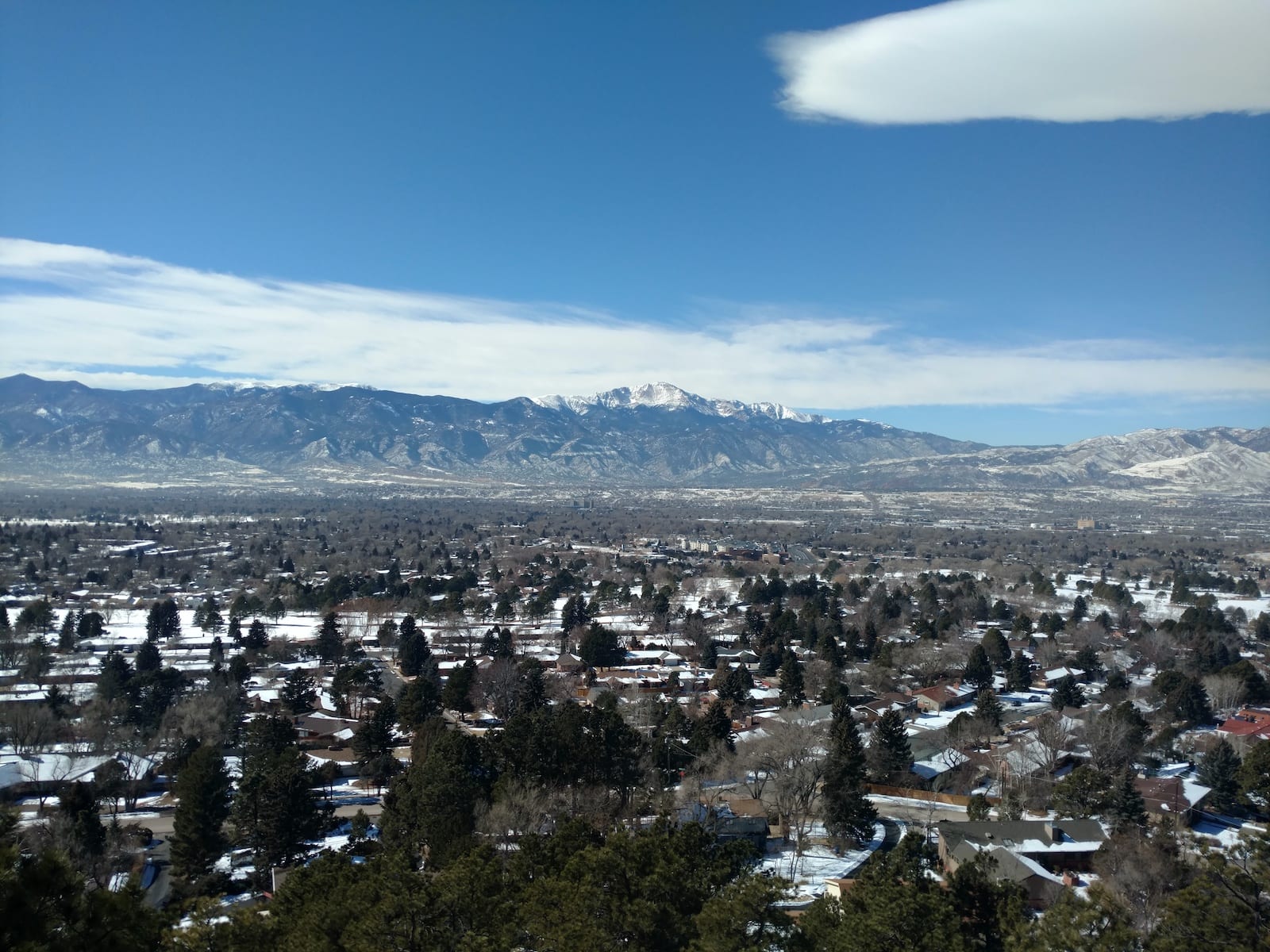
The city’s high altitude, at approximately 6,035 feet (1,839 meters) above sea level, plays a significant role in its weather. This elevation contributes to cooler temperatures than many other parts of the country at similar latitudes, as well as a higher intensity of sunlight. Colorado Springs is known for its four distinct seasons, each presenting its own set of opportunities for travelers. Understanding these nuances will help you pack appropriately, choose the best time for specific activities, and truly embrace the spirit of this remarkable destination.
Seasonal Weather Patterns and Their Impact on Travel
The weather in Colorado Springs is characterized by significant diurnal temperature variations, meaning there can be a considerable difference between daytime highs and nighttime lows. This is a common trait of high-altitude desert climates. The city also boasts an impressive number of sunny days, averaging over 300 per year, making it an attractive destination for those seeking sunshine and outdoor pursuits. However, the weather can change rapidly, especially in the spring and fall, so being prepared for a variety of conditions is always advisable.
Spring (March – May): A Season of Transition and Blooming
Spring in Colorado Springs is a period of dramatic transition. While the calendar might indicate spring, the lingering effects of winter can persist well into April. Snowfall is still possible during the early months, but it typically melts quickly with the increasing sunshine. As spring progresses, temperatures begin to rise, and the landscape comes alive with vibrant wildflowers.
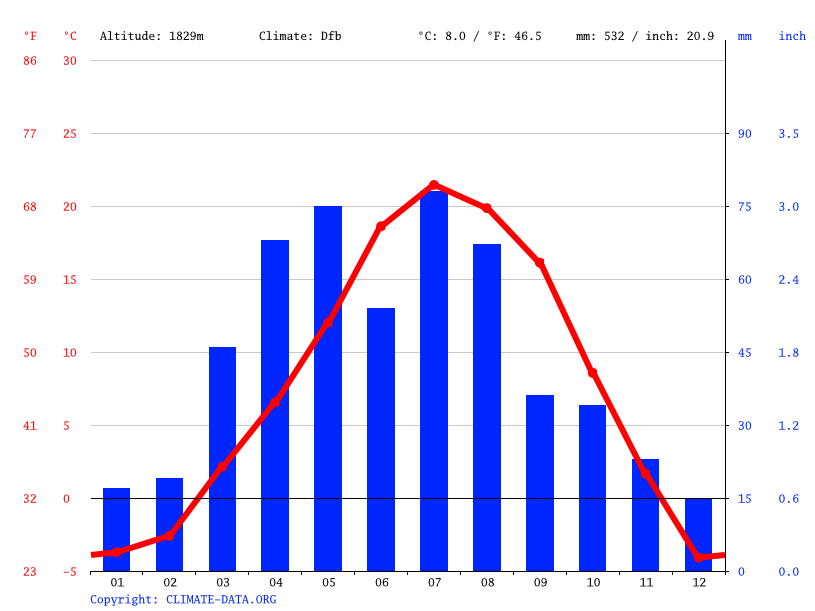
Temperatures: Early spring (March and April) can see average daily temperatures ranging from the high 30s to the low 50s Fahrenheit. By May, average daily highs can reach the mid-60s to low 70s Fahrenheit, with nights still cool, often in the 30s and 40s.
Precipitation: Spring is one of the wetter seasons, with a mix of rain and snow. Thunderstorms can become more frequent as the month progresses, especially in the afternoons.
Impact on Travel: Spring is an excellent time to visit for those who enjoy outdoor activities without the intense heat of summer. Hiking trails begin to open up, though some higher elevation paths may still be snow-covered. It’s a fantastic season for exploring the city’s gardens and parks as they bloom. However, visitors should pack layers, including waterproof and windproof outerwear, as well as sturdy footwear suitable for potentially wet or muddy conditions. This is also a great time to experience local culture without the peak summer crowds. Consider visiting attractions like the Garden of the Gods when the wildflowers are in bloom, offering a stunning contrast to the red rock formations.
Summer (June – August): Warm Days and Outdoor Adventures
Summer in Colorado Springs is synonymous with long, sunny days and warm temperatures, ideal for exploring the region’s natural beauty and engaging in a wide array of outdoor activities. While heat waves can occur, the city’s elevation generally keeps extreme temperatures at bay compared to lower-lying areas.
Temperatures: Average daily highs in June, July, and August typically range from the mid-70s to the mid-80s Fahrenheit. Evenings are pleasant, usually settling into the 50s and 60s.
Precipitation: Summers are characterized by dry periods punctuated by monsoon-like thunderstorms, often occurring in the late afternoon or early evening. These storms can be intense but are usually short-lived.
Impact on Travel: Summer is peak tourist season in Colorado Springs. This is the prime time for hiking, biking, rock climbing, and exploring natural landmarks such as Garden of the Gods Park, Cheyenne Mountain Zoo, and the Broadmoor Seven Falls. Families will find numerous activities, from exploring the United States Air Force Academy to visiting the Manitou Cliff Dwellings. Visitors should pack light, breathable clothing, but always have a light jacket or sweater for cooler evenings or sudden rain showers. Sunscreen, hats, and sunglasses are essential due to the high altitude and strong sun. Booking accommodations and popular tours in advance is highly recommended during this busy period. For those interested in a luxury travel experience, the Broadmoor resort offers unparalleled summer amenities.
Autumn (September – November): Crisp Air and Colorful Landscapes
Autumn in Colorado Springs is a photographer’s dream, as the deciduous trees transform the landscape into a tapestry of vibrant reds, oranges, and yellows. The air becomes crisp and cool, offering a refreshing change from the summer heat and a perfect setting for outdoor exploration.
Temperatures: September usually retains some summer warmth, with average daily highs in the 70s Fahrenheit. As October and November progress, temperatures gradually drop, with average daily highs falling into the 50s and 40s. Nights become significantly cooler, often dipping into the 20s and 30s.
Precipitation: Autumn is generally drier than spring and summer, with less frequent rainfall. However, early snowfall is possible in late October and November, especially at higher elevations.
Impact on Travel: Fall is an ideal time for hiking and scenic drives to witness the stunning fall foliage. The crowds of summer begin to thin, making it a more relaxed experience for exploring attractions like Pikes Peak via the Cog Railway or by driving the Pikes Peak Highway. This season is also excellent for enjoying local food festivals and farmers’ markets before the winter chill sets in. Visitors should pack layers, including sweaters, long-sleeved shirts, and a warm jacket. Warm pants and comfortable walking shoes are a must. For those seeking budget travel opportunities, fall can offer more affordable accommodation rates than the peak summer months.
Winter (December – February): Snow-Kissed Serenity and Cozy Stays
Winter in Colorado Springs brings a picturesque snow-covered landscape, offering a serene and tranquil atmosphere. While temperatures are cold, the abundant sunshine, a hallmark of the region, often makes daytime excursions enjoyable, especially when dressed appropriately.
Temperatures: Average daily highs in winter typically range from the low 40s to the upper 30s Fahrenheit. Nighttime temperatures can drop well below freezing, often reaching the teens or single digits Fahrenheit.
Precipitation: Snowfall is common, though the city often receives less snow than the surrounding mountain towns. When snow does fall, it is often accompanied by bright sunshine, creating beautiful scenes.
Impact on Travel: Winter in Colorado Springs is perfect for those who enjoy a quieter pace and cozy experiences. While outdoor adventures like skiing and snowboarding are not directly in the city, nearby resorts offer these activities. The city itself is ideal for exploring museums, such as the Colorado Springs Pioneers Museum, enjoying warm cafes, and visiting indoor attractions like the Cheyenne Mountain Zoo (which remains open year-round). This is also a great time for a business stay or a relaxed long-term stay where one can appreciate the tranquility and unique beauty of a snow-covered Colorado. Visitors should pack heavy winter clothing, including thermal layers, a warm coat, hats, gloves, and waterproof boots. Driving conditions can be challenging after snowfall, so checking road reports is advisable. The Olympic & Paralympic Museum is a fantastic indoor option regardless of the weather.
Planning Your Visit: Beyond the Weather Forecast
While the weather in Colorado Springs dictates the immediate conditions, a successful trip involves considering how the climate influences the broader travel experience. The city’s infrastructure and tourism offerings are largely designed to capitalize on its temperate climate and stunning natural surroundings.
Choosing the Right Accommodation
The type of accommodation you select can significantly impact your comfort and experience, regardless of the season. Colorado Springs offers a diverse range of options, from luxurious resorts to budget-friendly hotels and vacation rentals.
Hotels and Resorts: For those seeking comfort and amenities, hotels like the Broadmoor offer a high-end experience with indoor pools, spas, and fine dining, making them ideal for any weather. Budget-friendly chains are also plentiful, providing comfortable stays for those traveling on a tighter budget.
Apartments and Villas: For longer stays or families, renting an apartment or villa can provide more space and a home-away-from-home feel. This is particularly beneficial in winter, allowing for cozy nights in, or in summer for preparing your own meals. Websites specializing in accommodation comparison can help you find the best deals.
Key Considerations: When booking, always check for amenities like heating and air conditioning, as well as proximity to attractions you plan to visit. In winter, properties with good insulation and reliable heating are paramount. In summer, air conditioning is essential. For family trips, proximity to parks and kid-friendly attractions is a major factor.
Embracing Local Culture and Activities
The weather directly influences the types of activities available and the best times to enjoy them. Colorado Springs excels in offering experiences that connect visitors with its natural beauty and local culture.
Outdoor Activities: As discussed, hiking, biking, and scenic drives are best enjoyed during the spring, summer, and fall. Popular attractions like Garden of the Gods, Pikes Peak, and Red Rock Canyon Open Space are accessible year-round, but their appeal varies with the seasons. Summer offers the most accessibility and comfortable conditions for most outdoor pursuits.
Indoor Pursuits: When the weather turns unfavorable, Colorado Springs boasts a wealth of indoor attractions. The Colorado Springs Pioneers Museum, the National Museum of World War II Aviation, and the U.S. Olympic & Paralympic Museum offer fascinating insights into history, sport, and aviation. These are perfect for escaping a chilly day or a sudden thunderstorm.
Culinary Scene: The food scene in Colorado Springs is diverse, with a growing number of restaurants offering everything from casual dining to upscale experiences. Local breweries and farm-to-table restaurants are popular, and enjoying a warm meal after a day of outdoor exploration is a cherished part of the travel experience.
Essential Packing Tips for Colorado Springs
Packing smart is key to enjoying your time in Colorado Springs, irrespective of the season. The high altitude and variable mountain weather mean that preparedness is crucial.
- Layers: This is the golden rule for Colorado Springs. Pack lightweight, moisture-wicking base layers, insulating mid-layers (like fleece or down), and a waterproof/windproof outer shell. This allows you to adjust your clothing to the changing temperatures and conditions throughout the day.
- Sun Protection: The sun is intense at high altitudes. Bring high SPF sunscreen, sunglasses, and a wide-brimmed hat, even in winter.
- Footwear: Comfortable, sturdy walking shoes or hiking boots are essential for exploring the numerous parks and trails. Waterproof options are advisable for spring and fall.
- Hydration: The dry, high-altitude air can be dehydrating. Carry a reusable water bottle and drink plenty of water.
- Seasonal Specifics:
- Spring/Fall: Include a rain jacket, warmer layers, and potentially gloves and a hat.
- Summer: Light clothing, but also a jacket for evenings and potential thunderstorms.
- Winter: Heavy coat, thermal underwear, waterproof boots, gloves, and a warm hat are non-negotiable.
By understanding the nuances of Colorado Springs’ weather and planning accordingly, you can ensure a memorable and enjoyable trip, embracing all that this beautiful Colorado city has to offer. Whether you are seeking adventure in nature, exploring historical landmarks, or simply relaxing in comfortable accommodation, Colorado Springs welcomes you with open arms and a sky full of sunshine.
LifeOutOfTheBox is a participant in the Amazon Services LLC Associates Program, an affiliate advertising program designed to provide a means for sites to earn advertising fees by advertising and linking to Amazon.com. Amazon, the Amazon logo, AmazonSupply, and the AmazonSupply logo are trademarks of Amazon.com, Inc. or its affiliates. As an Amazon Associate we earn affiliate commissions from qualifying purchases.